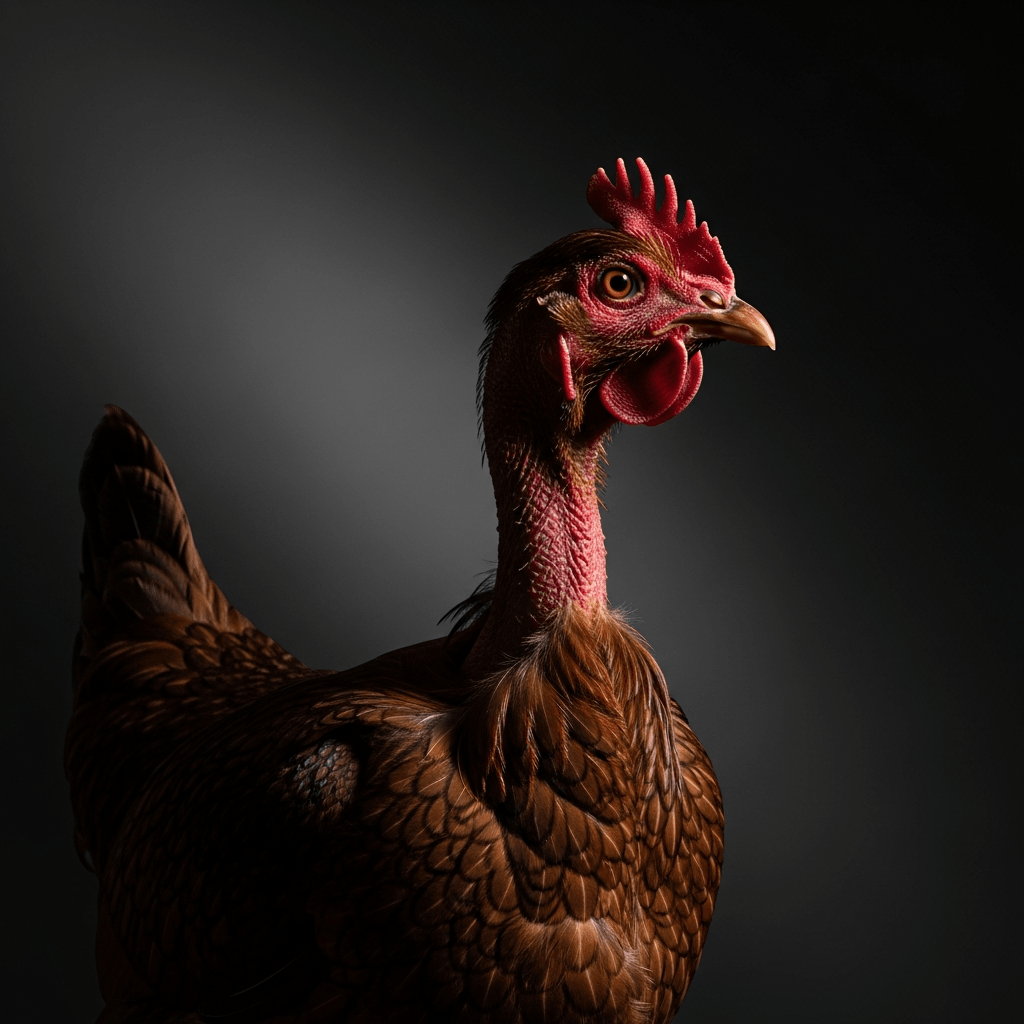
Naked Neck
The Naked Neck chicken is a distinctive breed known for its unique featherless neck, resulting from a dominant genetic mutation that enhances its heat tolerance and adaptability.
The Naked Neck chicken is a distinctive breed known for its unique featherless neck, resulting from a dominant genetic mutation that enhances its heat tolerance and adaptability.
Originating in Transylvania, Romania, during the late 19th century, the Naked Neck breed emerged naturally through a dominant Na gene mutation within domestic chicken populations. Historical presence is also noted in Germany and Hungary, though no specific breeder or institution is credited with its initial development.
Classified within the domestic chicken species Gallus gallus domesticus, the Naked Neck is recognized as a breed distinguished by a genetic trait causing feather loss on the neck. It fits into the broader category of dual-purpose chickens valued for both meat and egg production, and is acknowledged by major poultry authorities including the American Poultry Association and British Poultry Standards.
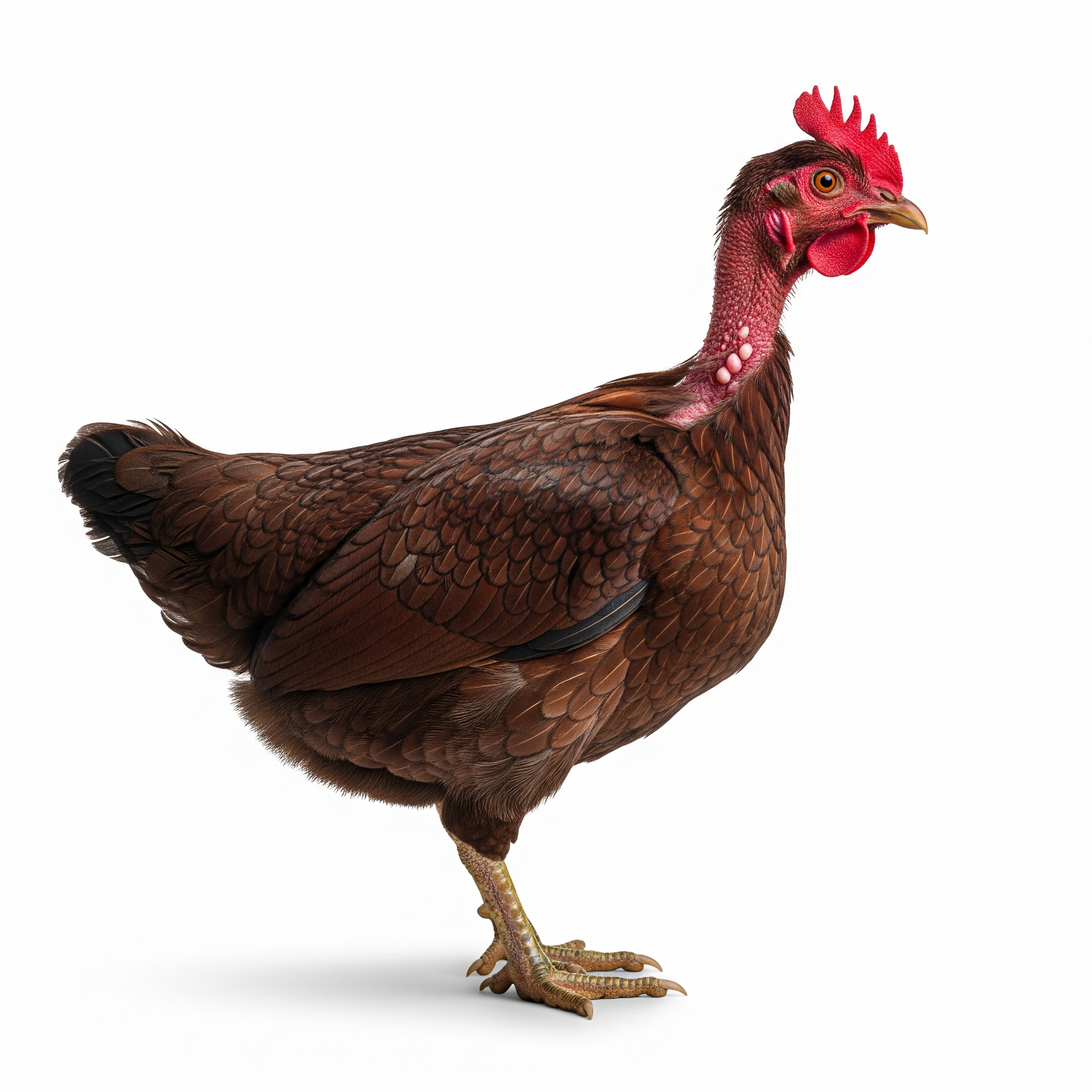
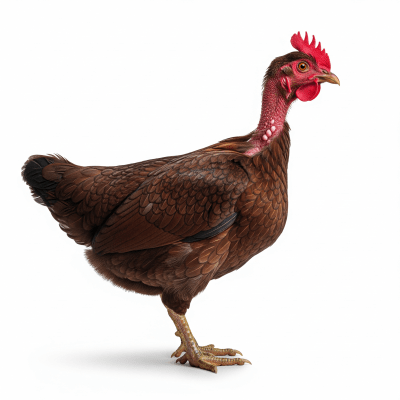
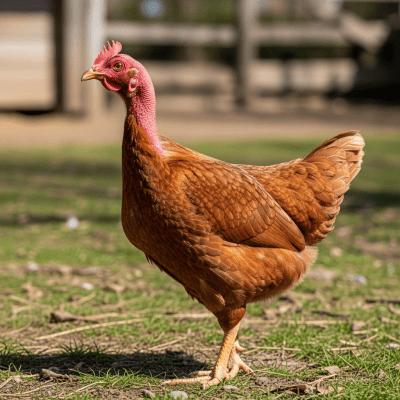
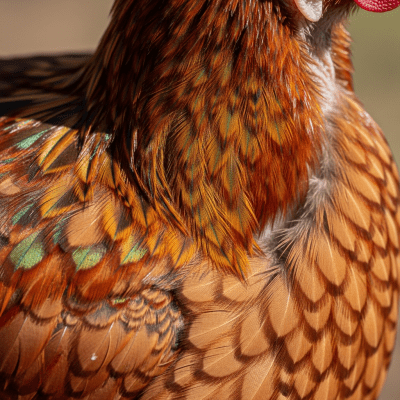
The Naked Neck chicken is medium to large in size, with males averaging around 3.25 kg and females about 2.75 kg. Its most striking feature is the absence of feathers on the neck and sometimes the vent, exposing smooth skin due to the dominant Na gene. Plumage colors vary widely, including black, white, buff, red, and cuckoo patterns. Typically, these birds have a single comb with vivid red wattles and earlobes, creating a bold contrast against their featherless neck.
Renowned for its hardiness and rapid growth, the Naked Neck thrives in hot climates thanks to its heat tolerance and reduced feather coverage. It is primarily raised as a dual-purpose breed, providing both flavorful, lean meat and a steady supply of 120 to 180 brown eggs annually. The breed adapts well to backyard, small-scale, and free-range farming systems, and its moderate disease resistance makes it a practical choice for diverse environments. However, its exposed skin renders it less tolerant to cold weather.
Bring this kind into your world illustrated posters, mugs, and shirts.
Archival print, museum-grade paper
Buy Poster
Stoneware mug, dishwasher safe
Buy Mug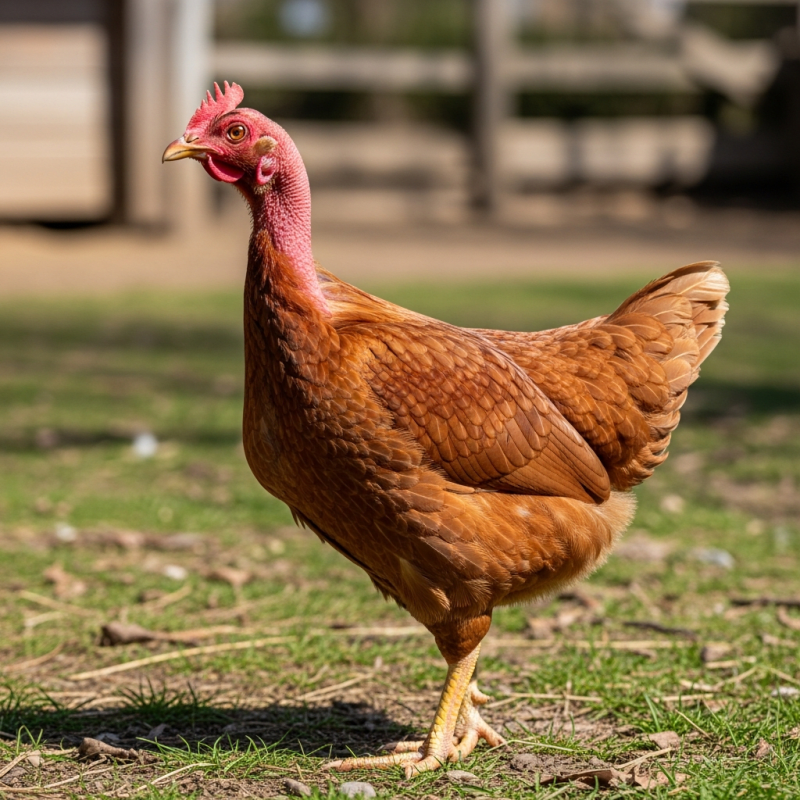
Soft cotton tee, unisex sizes
Buy ShirtThe Naked Neck’s unusual appearance has earned it a place not only in practical farming but also in poultry exhibitions, where it is admired for its distinctive look. Known by various names such as "Transylvanian Naked Neck," "Turken," and "Kaalnek," it holds cultural recognition across regions including Eastern Europe, Africa, and South America, where local strains reflect regional adaptations and plumage variations.
The Naked Neck breed includes several regional variants that differ in plumage color and size, reflecting adaptations in India, Africa, and South America. Recognized color varieties include black, white, buff, red, and cuckoo. While the core breed standard remains consistent, local strains may exhibit subtle differences influenced by environmental and cultural factors.
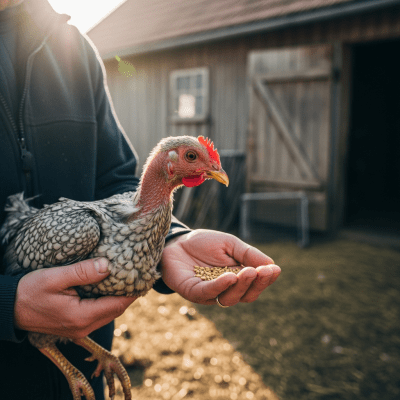

Raising Naked Neck chickens requires attention to their unique featherless neck, which demands protection from cold and harsh weather. They thrive in free-range and backyard systems where their heat tolerance and foraging ability can be fully utilized. Providing adequate shelter during colder months is essential to prevent chilling. Their robust health and moderate disease resistance simplify management, making them suitable for small-scale farmers and hobbyists alike.
Naked Neck chickens are appreciated for their lean, flavorful meat, which contains less fat than many other breeds. Their dual-purpose nature means they also supply a steady stream of medium to large brown eggs. The breed’s meat is favored in regions where low-fat poultry is preferred, and their adaptability to free-range systems often results in a richer taste profile compared to commercial broilers.
The Naked Neck is not currently considered endangered and benefits from recognition by major poultry organizations such as the American Poultry Association and British Poultry Standards. Its adaptability and popularity in diverse regions contribute to stable populations, though local conservation efforts help maintain genetic diversity and regional variants.