Cornish
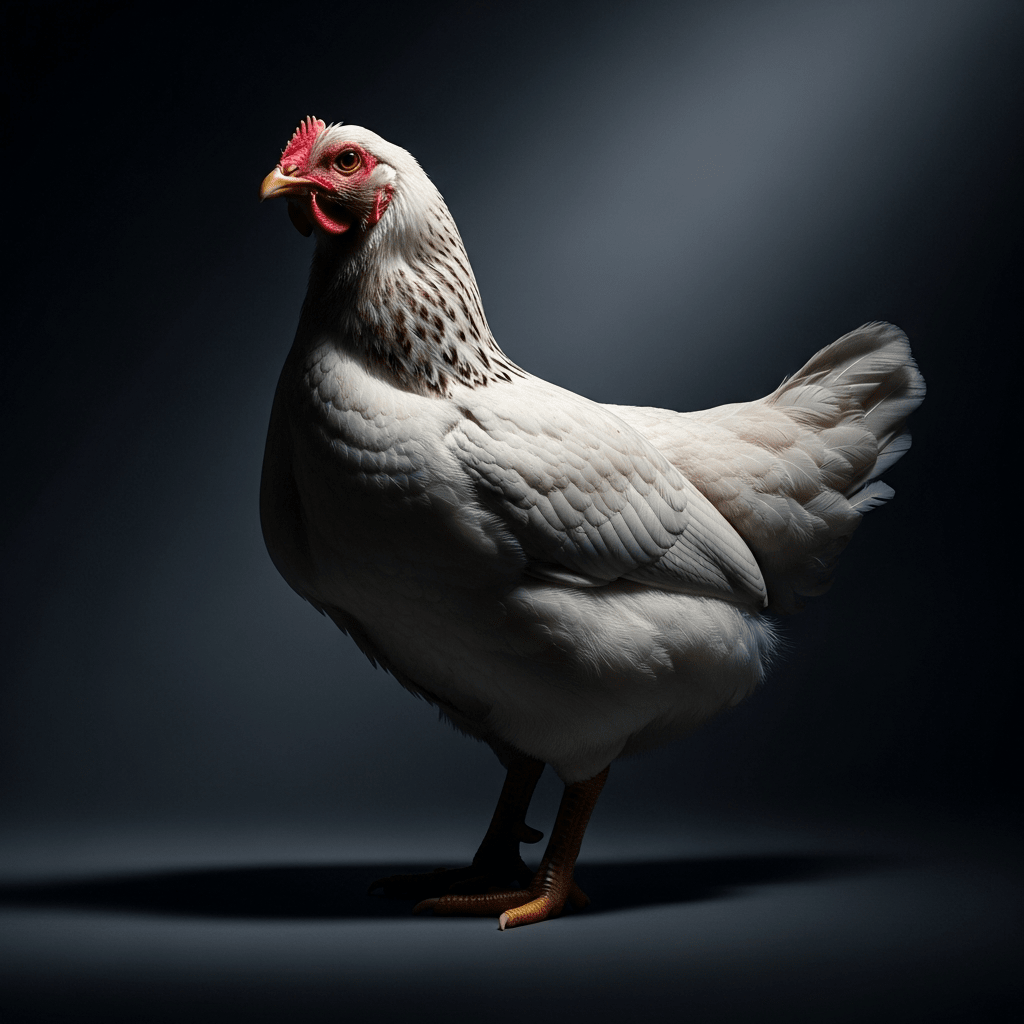
The Cornish is a medium to large meat chicken breed renowned worldwide as the foundational stock for most commercial broiler chickens, prized for its muscular build and rapid growth.
The Cornish is a medium to large meat chicken breed renowned worldwide as the foundational stock for most commercial broiler chickens, prized for its muscular build and rapid growth.
Originating in early 19th century Cornwall, England, the Cornish breed was developed by Sir Walter Raleigh Gilbert around 1820. It emerged from crossing local English Game chickens with Asiatic breeds such as the Malay and possibly the Asil, aiming to create a bird with exceptional strength and meat qualities. Initially known as "Indian Game," it was recognized by the American Poultry Association in 1893 and renamed "Cornish" in 1905.
The Cornish belongs to the domesticated chicken species Gallus gallus domesticus and is classified primarily as a meat-type breed. It fits within the broader category of broilers, distinguished by its game ancestry and selection for superior muscularity and growth rate. It is recognized by major poultry authorities such as the American Poultry Association and British Poultry Standards.
Cornish chickens display a muscular, compact body with a broad, deep breast and short legs that contribute to their high meat yield. Males typically weigh around 3.9 kg (8.5 lbs) and females about 2.9 kg (6.5 lbs). They have a distinctive pea comb and a prominent brow, with tight feathering that limits cold tolerance. Recognized plumage colors include Dark, White, and Buff, with the White Cornish being most common commercially.
Primarily bred for meat production, Cornish chickens grow rapidly and mature early, making them highly efficient for commercial broiler systems. While hens lay about 120 small brown eggs annually, they are not valued for egg production. The breed’s tight feathering and muscular build require careful management, as they are sensitive to heat stress and prone to leg problems. Cornish birds are also used in breeding hybrids, notably the popular Cornish Cross broiler.
Bring this kind into your world illustrated posters, mugs, and shirts.
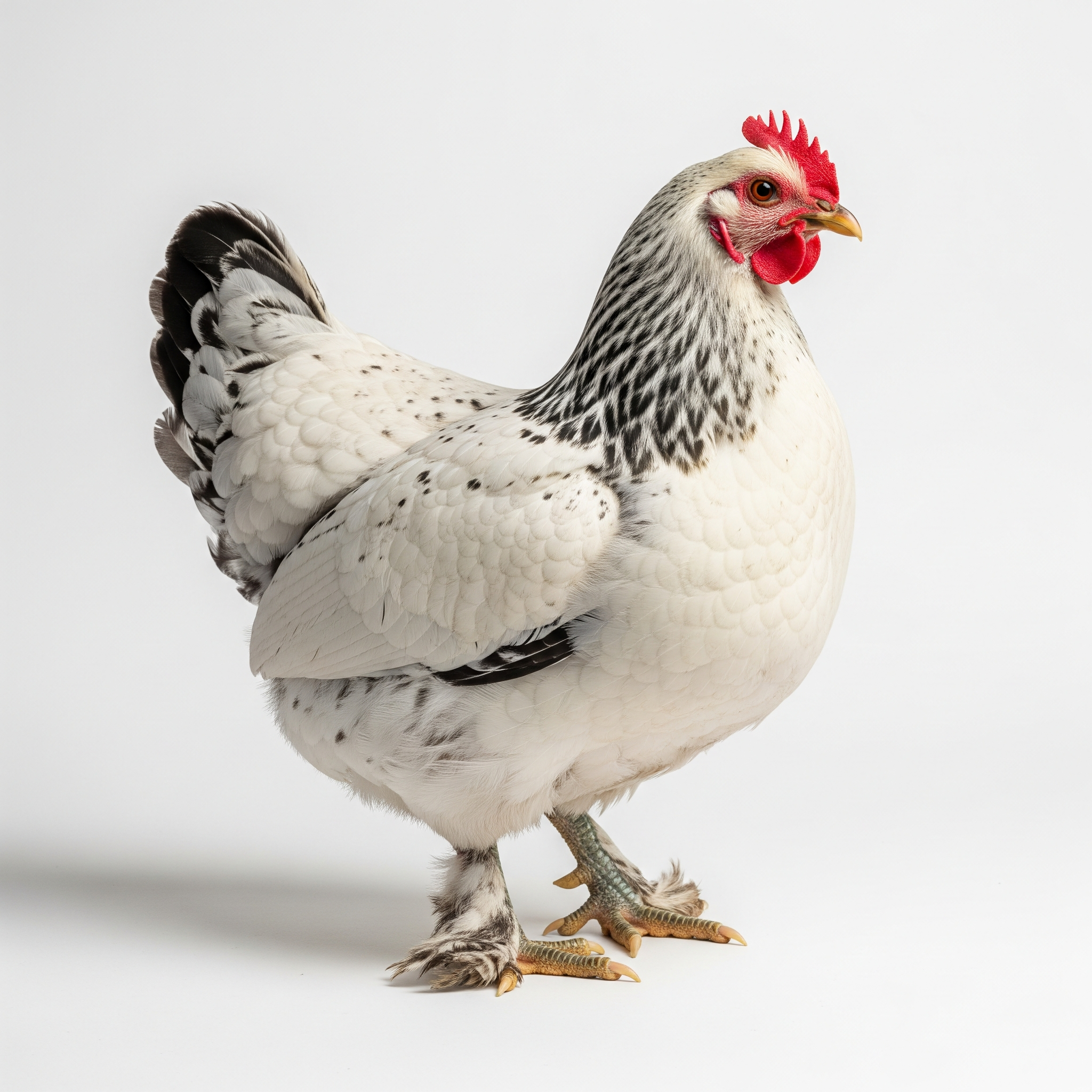
Archival print, museum-grade paper
Buy Poster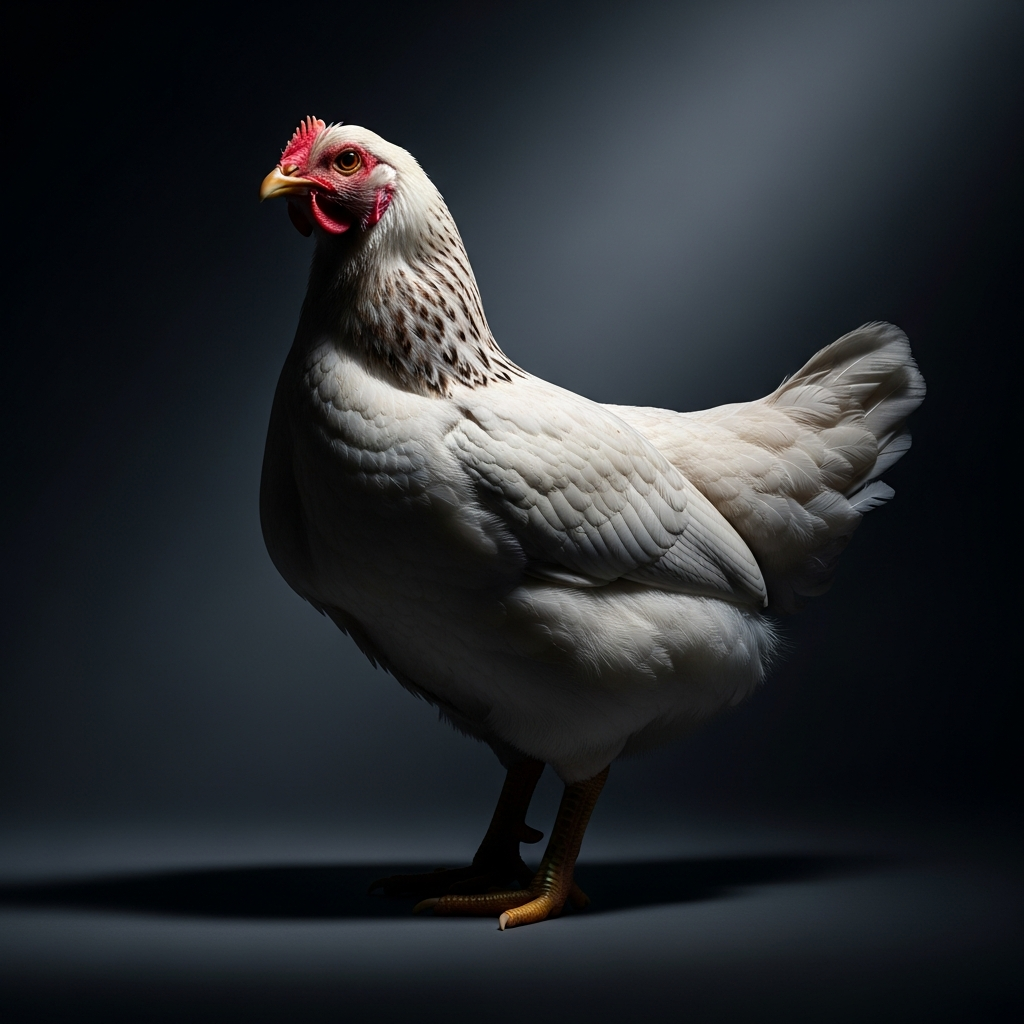
Stoneware mug, dishwasher safe
Buy Mug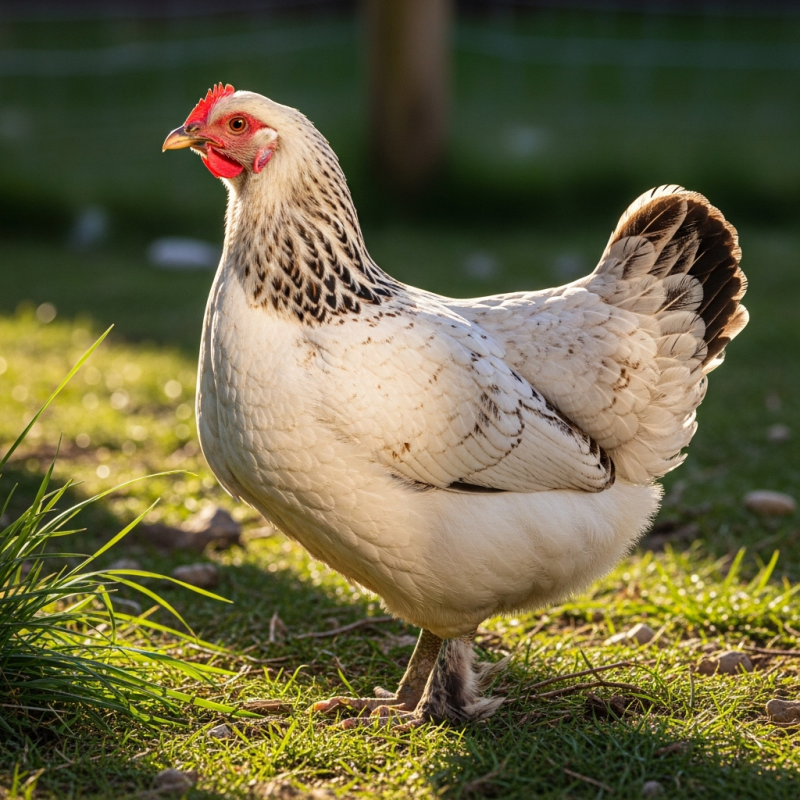
Soft cotton tee, unisex sizes
Buy ShirtThough not commonly featured in art or mythology, the Cornish breed has had a profound impact on modern poultry farming culture worldwide. Its genetics underpin the commercial broiler industry, shaping global meat production and consumption patterns. The term "Cornish game hen" has entered culinary vernacular, referring to young Cornish or Cornish-cross birds prized for tenderness and flavor.
The Cornish breed includes several recognized varieties, notably the White Cornish and Dark Cornish. The White Cornish is the most widely used commercially due to its clean carcass appearance. Regional synonyms include "Indian Game" and "Cornish Game," while heritage color variants like "Jubilee Cornish" also exist. In commercial breeding, Cornish genetics are often combined with White Plymouth Rock to produce the popular Cornish Cross hybrids.
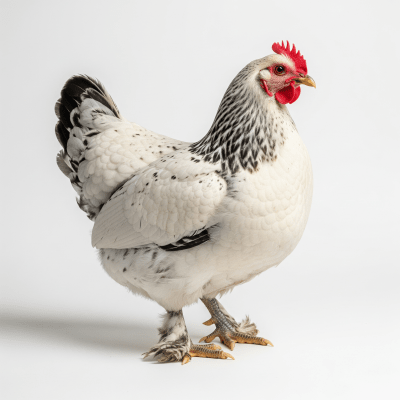
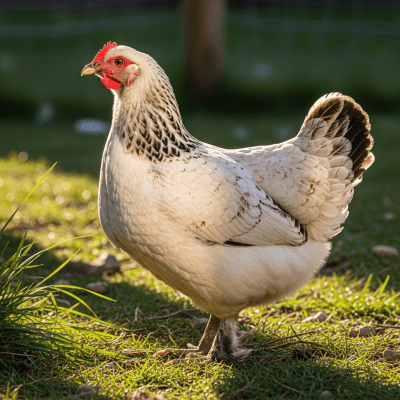
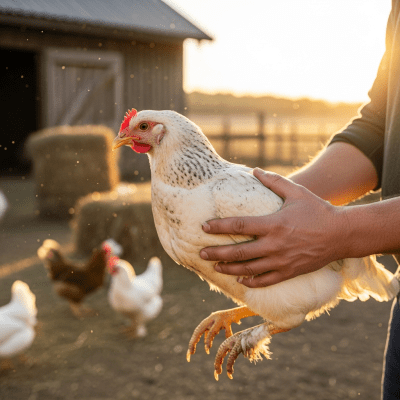


Cornish chickens thrive in intensive production systems designed for rapid growth and high meat yield. Their tight feathering limits cold tolerance, and they are sensitive to heat stress, requiring climate-controlled environments in extreme weather. Due to their heavy musculature and short legs, they are prone to leg problems and need careful management to maintain mobility. While not prolific layers, hens require standard poultry care, including balanced nutrition and disease prevention measures.
Cornish chickens are prized for their high meat yield, especially the broad, muscular breast, making them ideal for whole roasting and processed poultry products. The breed’s rapid growth and feed efficiency have made it the cornerstone of commercial broiler production worldwide. The term "Cornish game hen" refers to young Cornish or Cornish-cross birds marketed at a smaller size, celebrated for their tenderness and delicate flavor.
The Cornish breed is not currently considered at risk due to its widespread use in commercial broiler breeding. However, purebred Cornish populations are less common than hybrid crosses and may require conservation efforts to preserve genetic diversity. Various poultry organizations recognize and maintain heritage lines, ensuring the breed’s continued presence beyond industrial applications.