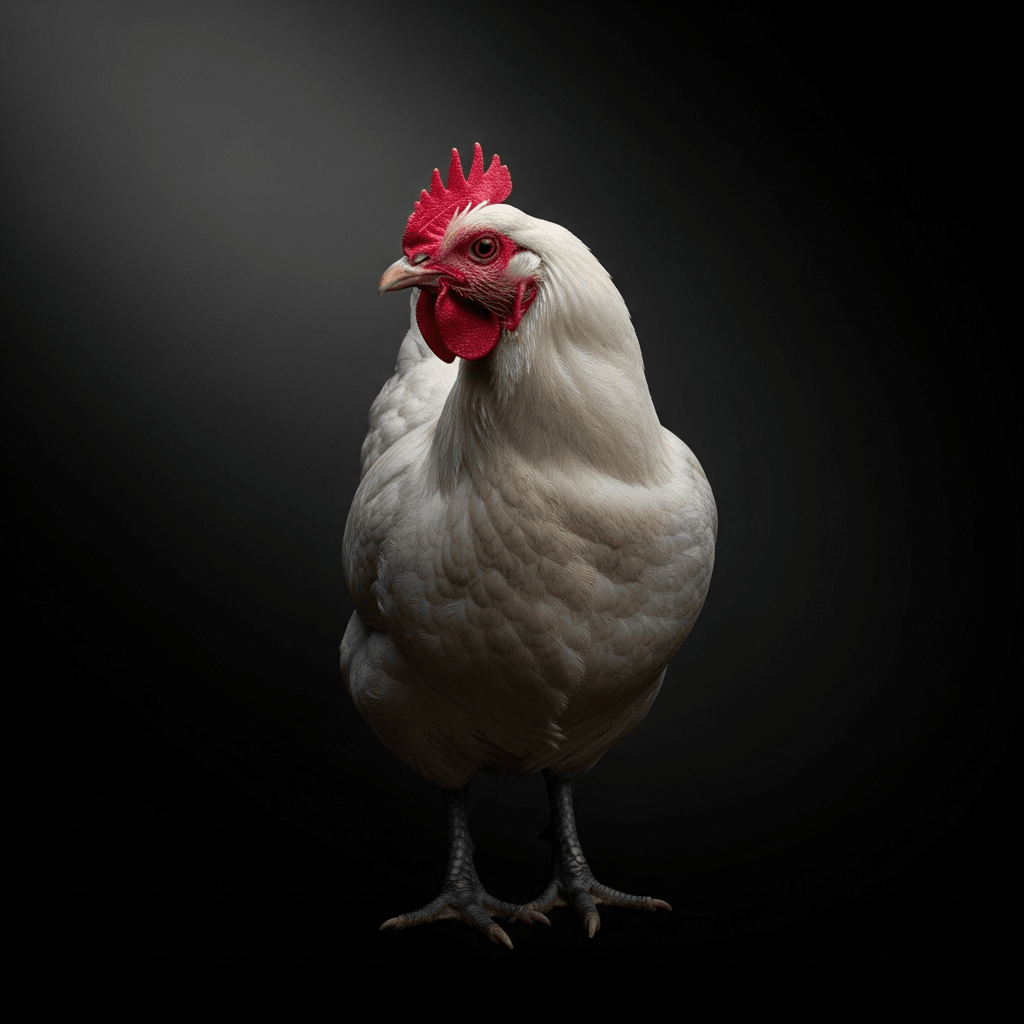
Bresse
The Bresse chicken is a distinguished French breed renowned worldwide for its exceptional meat quality and protected geographic origin.
The Bresse chicken is a distinguished French breed renowned worldwide for its exceptional meat quality and protected geographic origin.
Originating from the historic Bresse region in eastern France, encompassing the departments of Ain, Jura, and Saône-et-Loire, the Bresse chicken has been selectively bred since at least 1591. This indigenous landrace boasts a distinct lineage, carefully maintained over centuries. Its reputation was formally recognized in 1957 when it received the French Appellation d’Origine Contrôlée (AOC), legally protecting the breed's name and production methods within its native region.
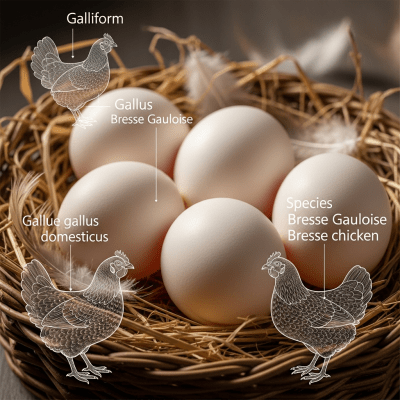
The Bresse belongs to the domestic chicken species Gallus gallus domesticus and is classified as a medium-sized meat breed. It is unique among poultry for its strict geographic and production standards under the AOC, distinguishing it from other commercial or ornamental breeds.
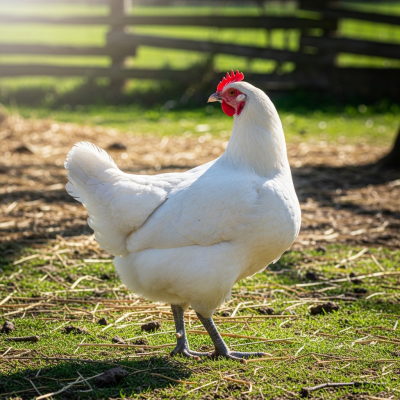
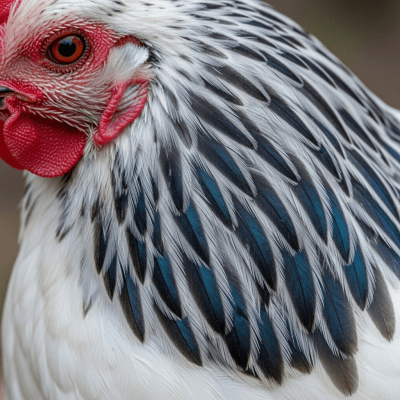
Bresse chickens are medium in size, with males weighing around 2.75 kg and females about 2.25 kg. They are best known for their striking white plumage, bright blue legs, and a single upright red comb. Other recognized color varieties include black, grey, and blue, each linked to regional names within Bresse. The breed features a well-proportioned body, fine bone structure, and firm, delicate flesh with notable marbling of fat, contributing to its prized culinary qualities.
Primarily raised for meat, Bresse chickens exhibit moderate growth rates, typically slaughtered between 16 and 20 weeks to optimize flavor and texture. They are hardy birds with good foraging ability and adapt well to free-range farming systems. Their rearing involves strict protocols, including a controlled diet enriched with dairy products and a finishing period in small cages called épinettes to enhance fat marbling before slaughter.
Bring this kind into your world illustrated posters, mugs, and shirts.
Archival print, museum-grade paper
Buy Poster
Stoneware mug, dishwasher safe
Buy Mug
Soft cotton tee, unisex sizes
Buy ShirtThe Bresse chicken holds a prestigious place in French culinary heritage as the only poultry breed with a protected designation of origin. It symbolizes regional pride and gastronomic excellence, frequently featured in haute cuisine and celebrated for its unmatched flavor. Its distinct identity is a testament to traditional farming practices and regional terroir, embodying the cultural link between place and food.
The Bresse breed includes several color varieties linked to specific localities: the white Bresse de Bény is the most famous, alongside the black Bresse de Bourg, grey Bresse de Louhans, and blue Bresse de Périgueux. Each variety reflects regional heritage, but all share the breed’s characteristic physical and culinary traits.


Raising Bresse chickens requires adherence to free-range systems with ample foraging opportunities, contributing to their hardiness and flavor development. Their diet is carefully managed, often supplemented with dairy products to enhance meat quality. Before slaughter, birds undergo a finishing phase in small cages called épinettes to promote fat marbling. Disease resistance is average, and good husbandry practices are essential to maintain health and product standards.
Bresse chickens are prized in gourmet cooking for their tender, flavorful, and well-marbled meat. They are often sold whole with head and blue legs intact as proof of authenticity. Classic French dishes like "poulet de Bresse à la crème" showcase their superior taste. Due to their premium status, they command high prices and are rarely used for commercial egg production or ornamental purposes.
The Bresse chicken is not considered endangered due to its protected status and ongoing traditional farming in its native region. The AOC designation helps safeguard the breed’s genetic integrity and farming practices, ensuring its preservation as a cultural and gastronomic treasure.