Polish
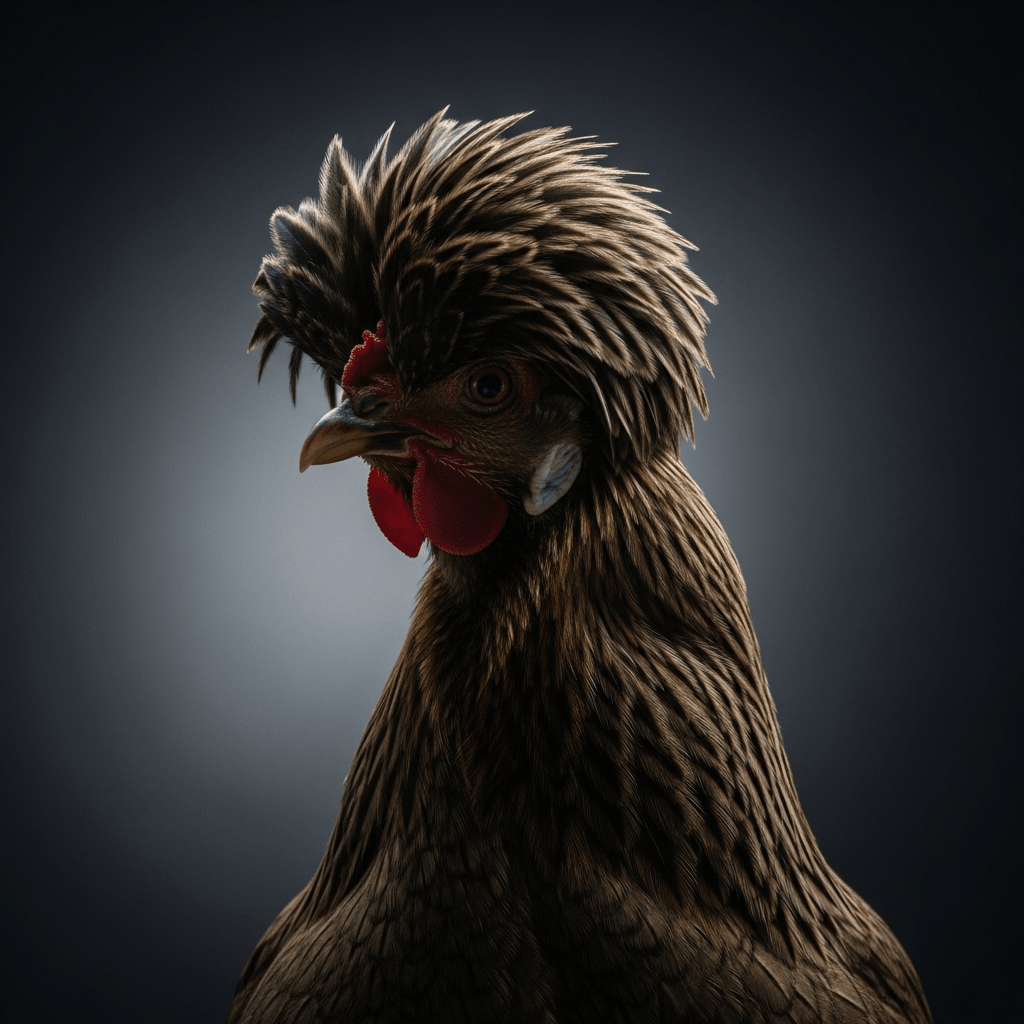
The Polish chicken is a distinctive ornamental breed renowned for its large, rounded feather crest that often obscures its vision, making it a striking presence in poultry exhibitions worldwide.
The Polish chicken is a distinctive ornamental breed renowned for its large, rounded feather crest that often obscures its vision, making it a striking presence in poultry exhibitions worldwide.
Originating in Europe between the 16th and 18th centuries, the Polish chicken’s exact birthplace is debated but closely linked to Poland, the Netherlands, and Italy. Developed from ancient European crested breeds, it was formally recognized by the American Poultry Association in 1874, though references to the breed appear in European poultry literature centuries earlier.
Classified within the domesticated chicken species Gallus gallus domesticus, the Polish is an ornamental breed valued primarily for exhibition and decorative purposes rather than commercial production. It belongs to a group of breeds characterized by unique feather crests and distinct morphological traits.
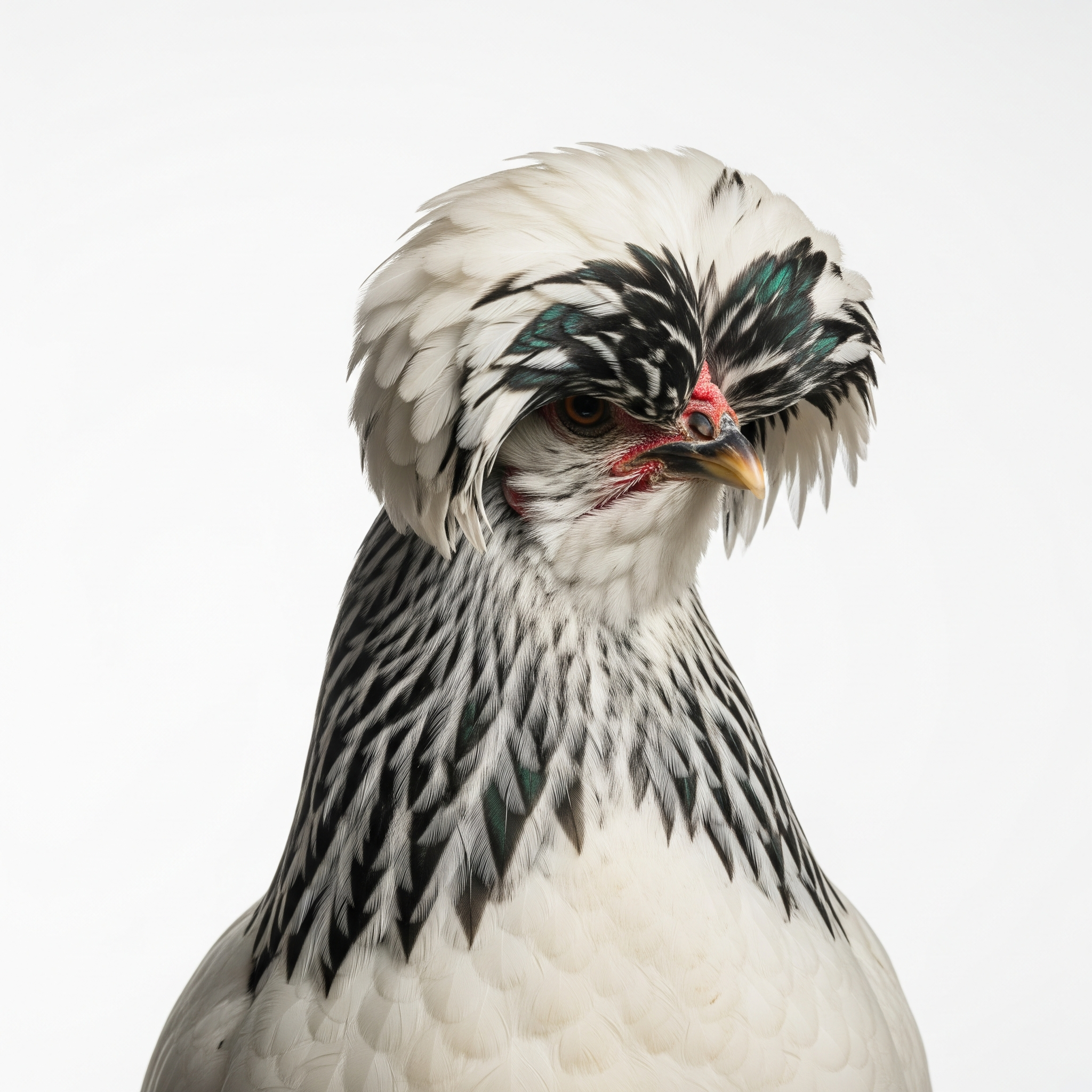
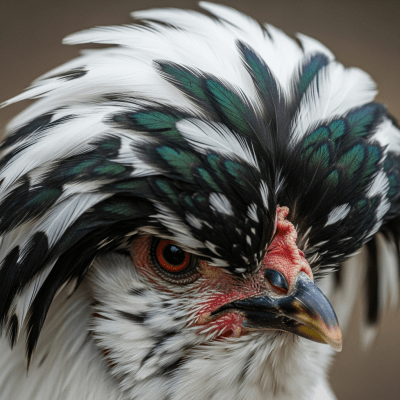
Polish chickens are medium-sized birds, with males weighing around 2.75 kg and females about 2.25 kg. Their hallmark feature is a large, rounded feather crest atop the head, often obscuring their vision. They possess a distinctive V-shaped comb, white earlobes, and clean legs. Plumage colors vary widely, including White, Black, Buff Laced, Golden, Silver, as well as bearded and frizzled varieties, each exhibiting elegant patterns and textures.
Primarily kept for ornamental and exhibition purposes, Polish chickens are known for their docile temperament, though they can be somewhat nervous due to limited sight caused by their crest. Their growth rate is moderate, and they produce a modest number of small to medium white eggs annually. They are not suited for meat production and require careful management to protect their delicate crests from weather and predators.
Bring this kind into your world illustrated posters, mugs, and shirts.
Archival print, museum-grade paper
Buy Poster
Stoneware mug, dishwasher safe
Buy Mug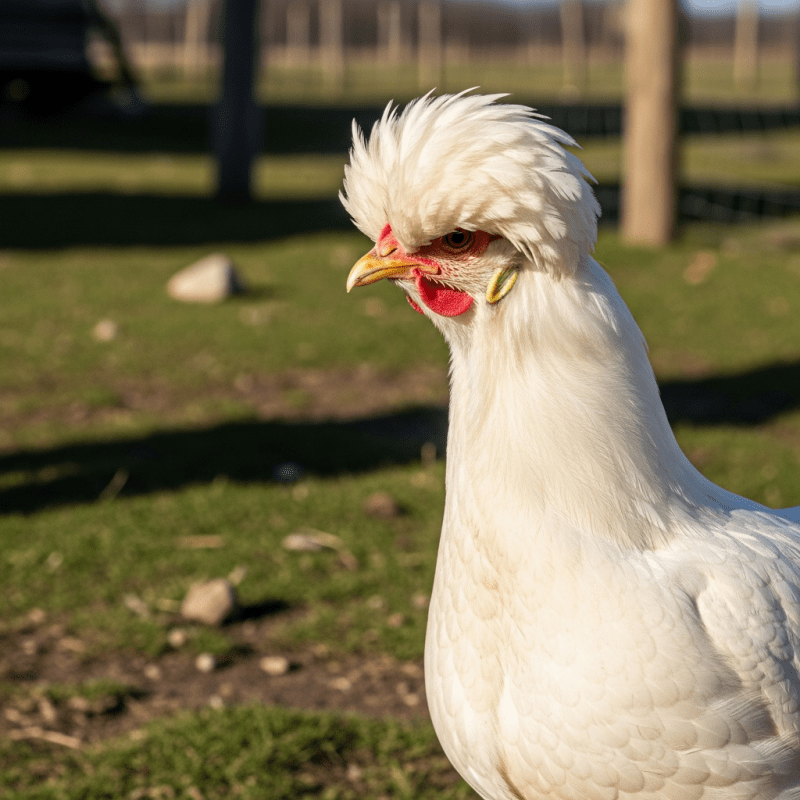
Soft cotton tee, unisex sizes
Buy ShirtThe Polish chicken has long been admired for its unique and elegant appearance, making it a popular subject in poultry shows and among hobbyists. Its striking crest and variety of color patterns have inspired artistic representations and contributed to its reputation as a symbol of ornamental poultry breeding in Europe and beyond.
The Polish breed includes several recognized varieties distinguished mainly by plumage color and feather type. Common varieties include White, Black, Buff Laced, Golden, and Silver. Additionally, bearded and frizzled feather forms exist, adding to the breed’s ornamental diversity. Regional standards may vary, with the UK often using the name 'Poland' and recognizing specific variants.

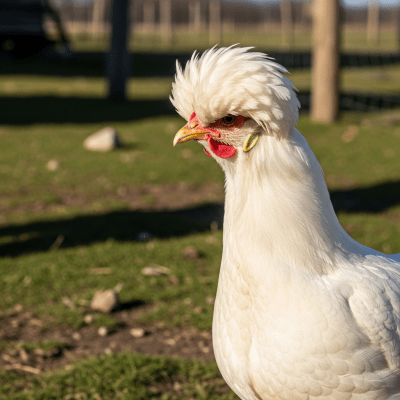
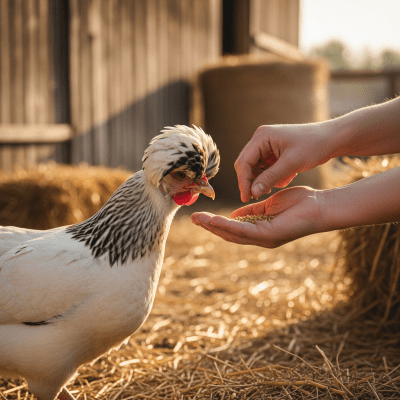

Raising Polish chickens requires attention to their unique needs, especially protecting their feather crests from wet and matted conditions that can lead to health issues. They thrive best in backyard or hobby farm settings where predation risks are minimized. Their moderate growth and modest egg production mean they are not suited for intensive commercial farming. Providing safe shelter, clean dry environments, and gentle handling supports their docile temperament and overall well-being.
Polish chickens are rarely raised for meat or commercial egg production. Their meat yield is poor and not optimized for broiler use, while their eggs are small and produced in limited quantities. Occasionally, eggs are consumed locally, but the breed’s primary value lies in ornamental and exhibition roles rather than culinary applications.
The Polish chicken is widely maintained by hobbyists and poultry enthusiasts, ensuring its continued presence. While not considered endangered, it is primarily preserved through ornamental breeding and exhibition rather than commercial farming. Conservation efforts focus on maintaining breed standards and genetic diversity within the ornamental poultry community.