Araucana
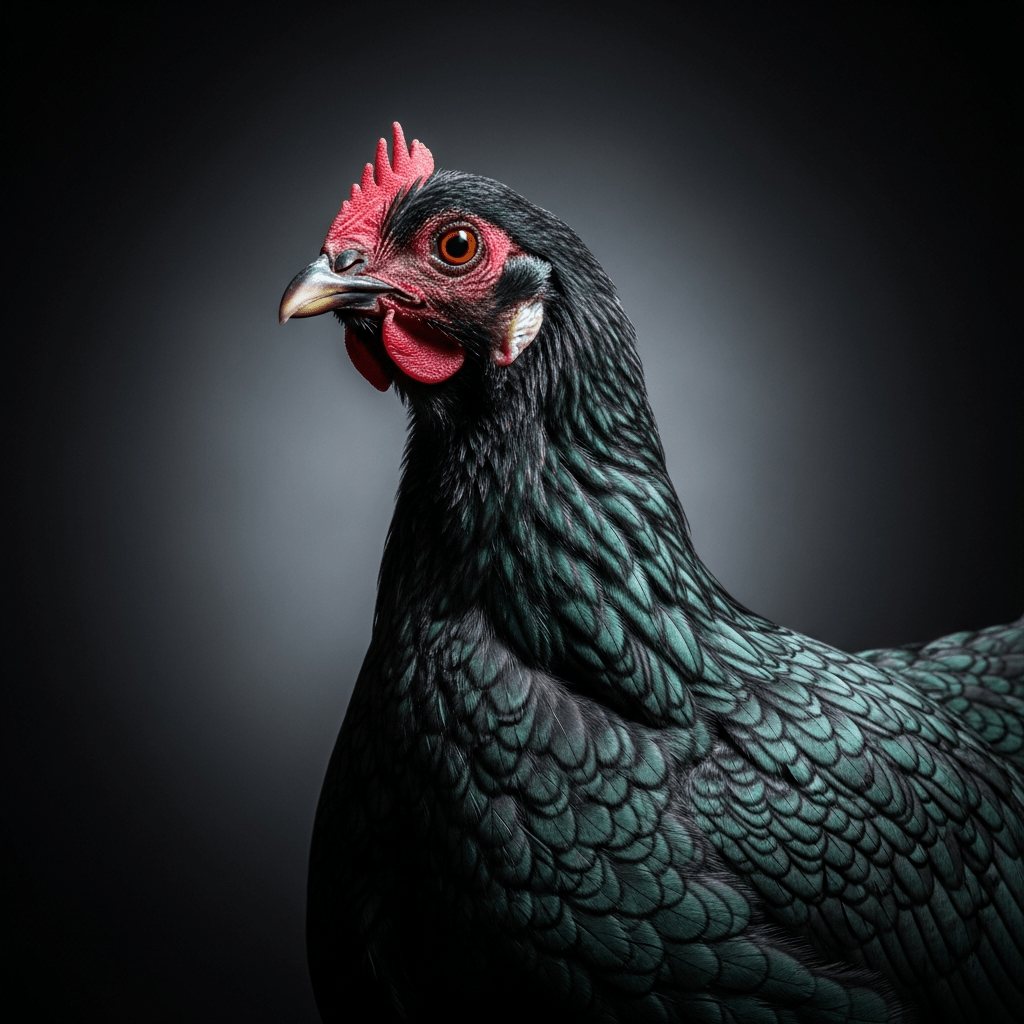
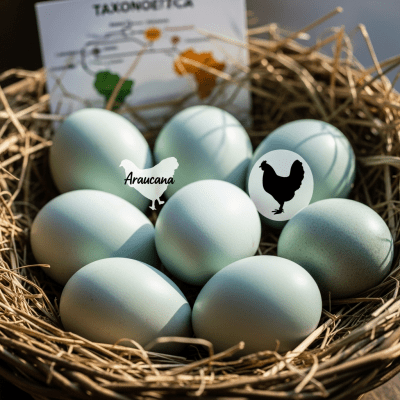
The Araucana is a distinctive South American chicken breed best known for laying striking blue-shelled eggs and its unique rumpless body with feathered ear tufts.
The Araucana is a distinctive South American chicken breed best known for laying striking blue-shelled eggs and its unique rumpless body with feathered ear tufts.
Originating in early 20th century Chile, the Araucana was developed by the indigenous Mapuche people through crossbreeding local chickens such as the rumpless, blue-egg-laying Collonca and the tufted Quetro. Its lineage likely includes indigenous South American junglefowl and possibly Asian breeds introduced via Pacific trade routes. The breed was first formally described in 1914 and gained recognition by the American Poultry Association in 1976.
The Araucana is classified within the domestic chicken species Gallus gallus domesticus as a medium-sized breed primarily valued for egg production. It belongs to the group of ornamental and specialty breeds distinguished by unique physical traits and egg coloration, setting it apart from commercial broilers and layers.
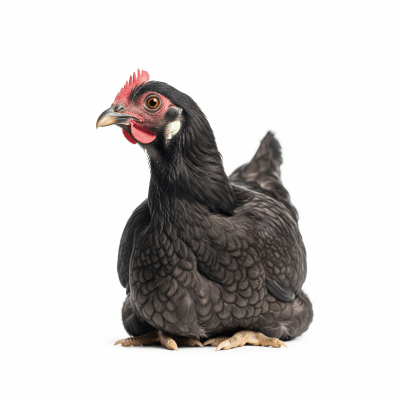
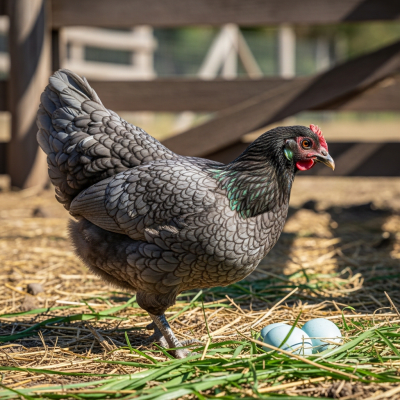
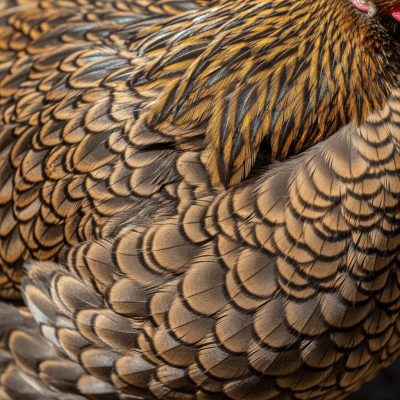
Araucanas are medium-sized birds featuring a rumpless body, meaning they lack the typical tail feathers due to absence of the coccygeal bone. They possess distinctive feathered ear tufts that project from the sides of their heads, a rare and striking trait. Their comb is pea-shaped, and recognized plumage colors include black, white, silver duckwing, and golden duckwing among others, contributing to their elegant and unusual appearance.
Primarily kept for their unique blue eggs, Araucanas are hardy birds with moderate cold resistance but can be sensitive to extreme weather due to their lack of tail feathers. They have a moderate growth rate and lay between 180 and 250 blue eggs annually. Unlike many breeds, Araucana hens rarely go broody, making them consistent layers. Their temperament and foraging ability are typical of backyard and small-scale poultry, and they are often valued for exhibition purposes as well.
Bring this kind into your world illustrated posters, mugs, and shirts.
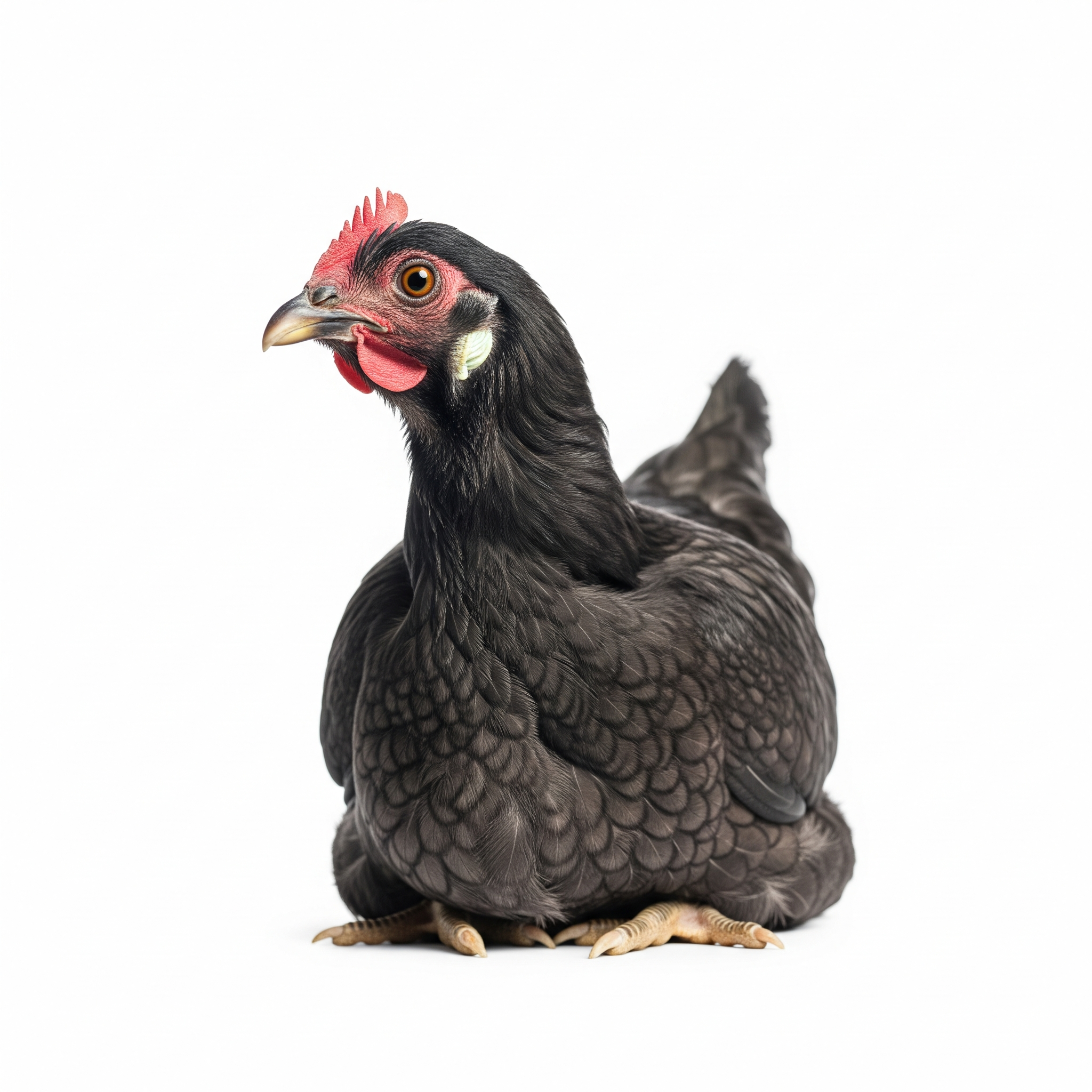
Archival print, museum-grade paper
Buy Poster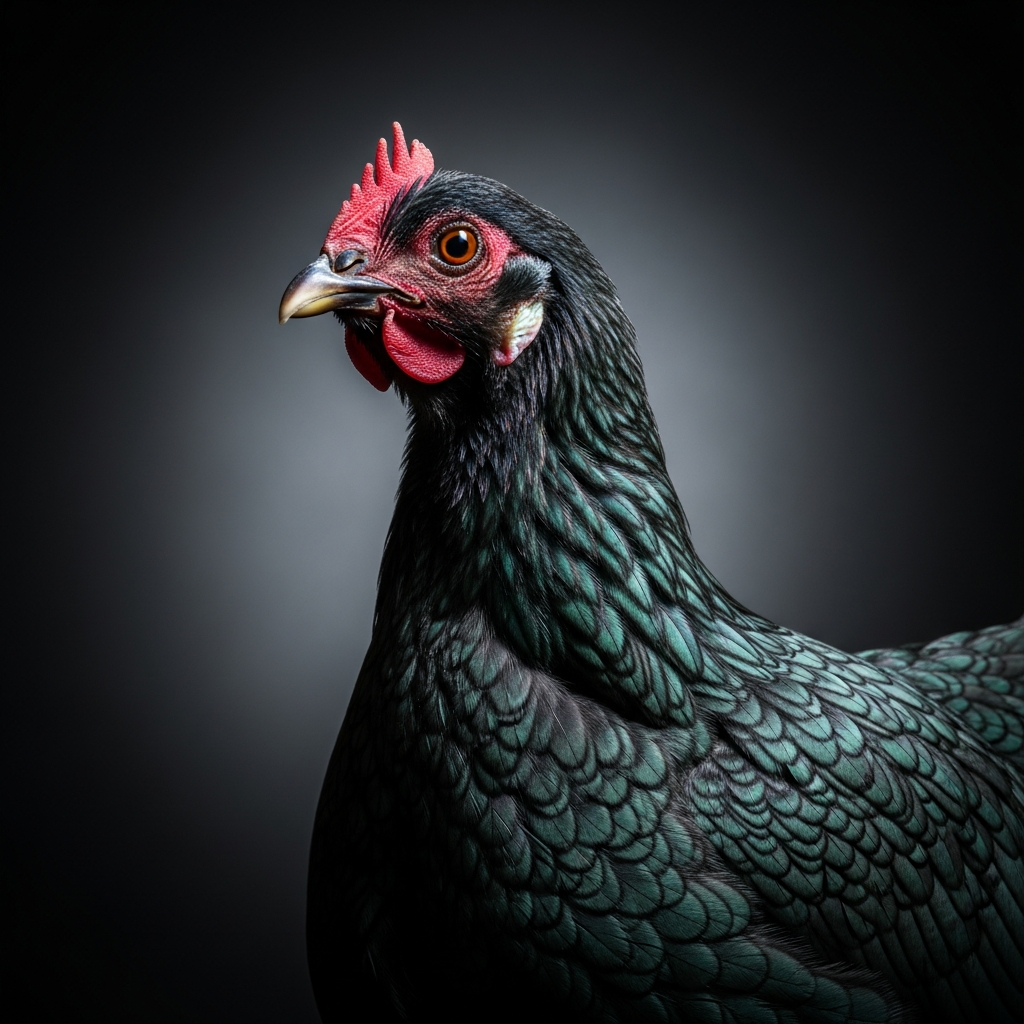
Stoneware mug, dishwasher safe
Buy Mug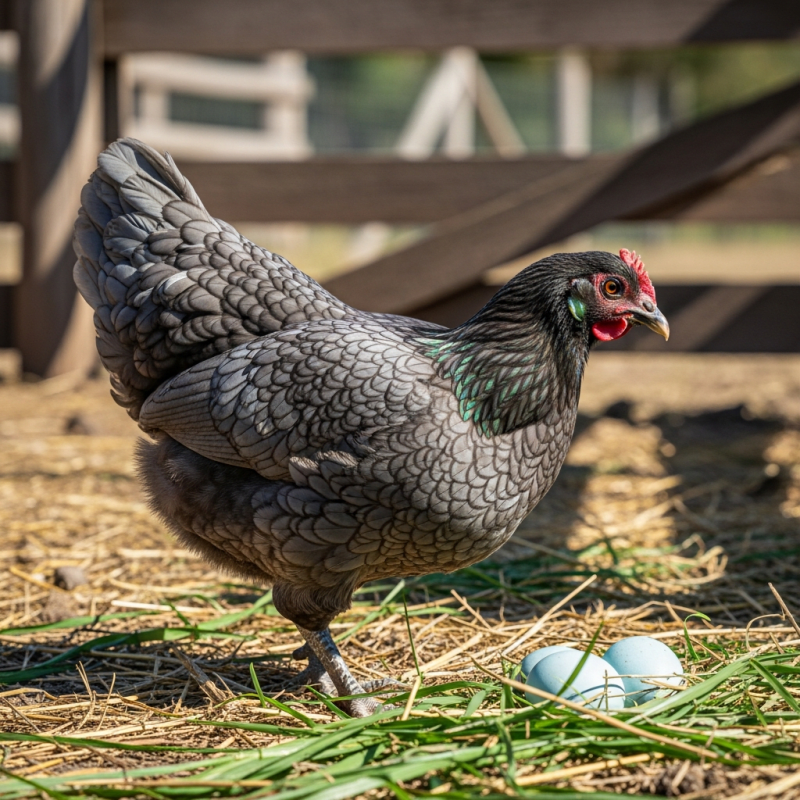
Soft cotton tee, unisex sizes
Buy ShirtThe Araucana holds cultural importance in South America, particularly among the Mapuche people, and is celebrated worldwide by poultry enthusiasts for its rare blue eggs and distinctive appearance. It features in specialty poultry exhibitions and symbolizes the rich biodiversity and heritage of indigenous South American breeds.
The Araucana breed includes several recognized plumage varieties such as black, white, silver duckwing, and golden duckwing, among others. While often grouped with similar blue-egg layers like the Ameraucana and Cream Legbar, these are genetically distinct breeds. Regional variants exist, but the Araucana is uniquely defined by its rumplessness and ear tufts according to major poultry standards.

Araucanas thrive best in backyard and small-scale farming systems where their hardy nature and moderate cold resistance can be supported. Due to their lack of tail feathers, protection from extreme weather is advisable. They require standard poultry care with attention to genetic management, as the ear tuft gene can cause fertility and hatchability issues. Their non-broody nature means artificial incubation or foster hens are often used for hatching.
Araucanas are prized for their blue eggs, which are consumed fresh and favored in specialty markets. While their meat is of fair quality, they are not commonly raised for commercial meat production. The unique egg color adds aesthetic appeal to culinary presentations but does not affect taste or nutritional value.
The Araucana is maintained mainly by hobbyists and small-scale producers, with no immediate conservation concerns but ongoing attention due to genetic challenges related to ear tuft lethality and rumplessness. Preservation efforts focus on sustaining genetic diversity and promoting awareness of this heritage breed's cultural and agricultural value.