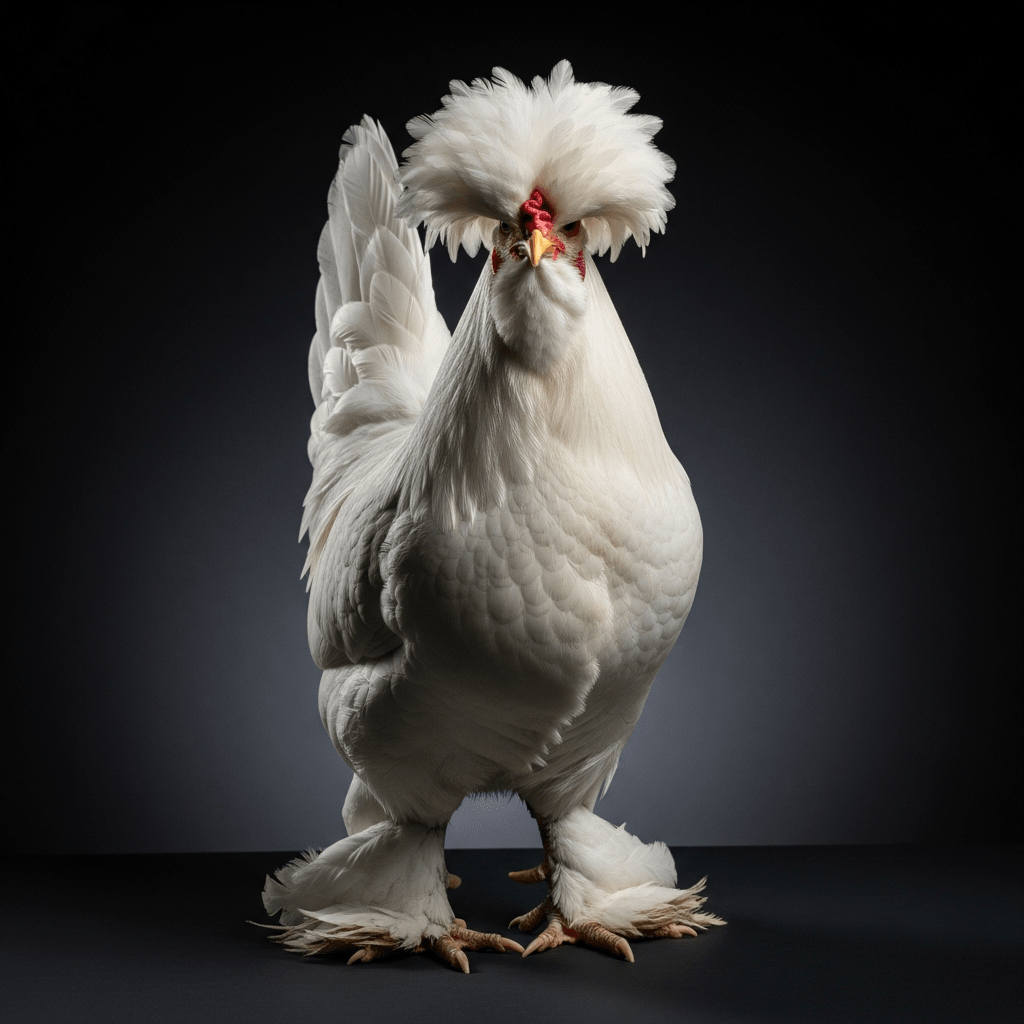
Sultan
The Sultan is a small to medium-sized ornamental chicken breed from Turkey, celebrated for its striking white plumage, large rounded crest, feathered legs, and unique v-shaped comb, prized primarily for exhibition rather than commercial use.
The Sultan is a small to medium-sized ornamental chicken breed from Turkey, celebrated for its striking white plumage, large rounded crest, feathered legs, and unique v-shaped comb, prized primarily for exhibition rather than commercial use.
Originating in Turkey, the Sultan breed was historically known as "Serai Taook," meaning "fowl of the Sultan's palace." It was introduced to Western Europe in the mid-19th century, notably imported to England by Miss Elizabeth Watts in 1854. The Sultan is considered an ancient, distinct ornamental breed without known crossbreeding origins.
The Sultan belongs to the domestic chicken species Gallus gallus domesticus and is classified as an ornamental breed. Unlike broilers or layers bred for production, Sultans are valued for their unique morphology and calm temperament, fitting within the ornamental and exhibition category of chicken breeds.
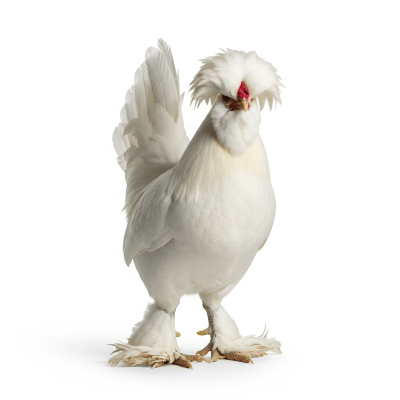
Sultans are visually distinctive with predominantly pure white plumage complemented by a large, rounded crest atop their heads. They feature a rare v-shaped (horn) comb, feathered legs and feet, along with muffs and a beard. Another unusual trait is their five toes per foot, setting them apart from most other breeds.
Known for their docile and gentle temperament, Sultans adapt well to confinement but are not suited to free-range environments due to their delicate feathered feet and plumage. Their slow growth and low egg production make them unsuitable for meat or commercial egg production, with their primary role being ornamental and exhibition purposes.
Bring this kind into your world illustrated posters, mugs, and shirts.
Archival print, museum-grade paper
Buy Poster
Stoneware mug, dishwasher safe
Buy Mug
Soft cotton tee, unisex sizes
Buy ShirtThe Sultan's name and origin reflect its historical association with Ottoman royalty, symbolizing elegance and exclusivity. Its presence in poultry shows worldwide highlights its status as a heritage breed cherished by enthusiasts who value its regal appearance and rarity.
The Sultan breed is primarily recognized in its standard form with white plumage. While bantam varieties exist, often referred to as "Sultan Bantams," there are no widely standardized color varieties or significant regional variants officially recognized in major poultry standards.
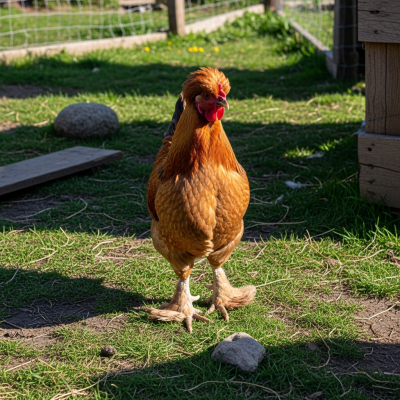
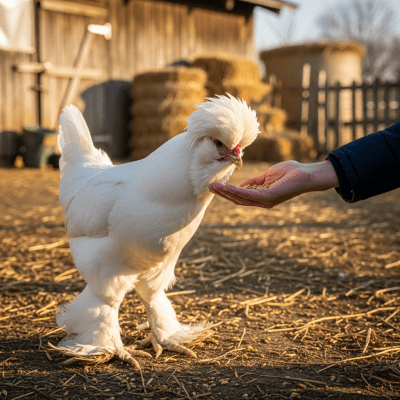
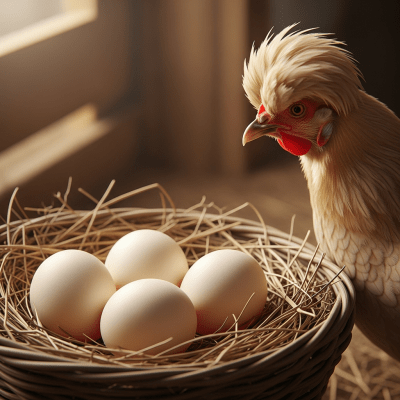
Sultans require careful management to protect their delicate feathered feet and large crests from wet, muddy conditions and pecking by other birds. They thrive best in clean, dry, and sheltered environments. Due to their calm nature, they adapt well to confinement but need protection from harsh weather to maintain their ornamental plumage.
Sultans are not raised for culinary purposes. Their low meat yield and slow growth make them unsuitable for commercial meat production, and their eggs are small and produced in limited numbers, rendering them impractical for food markets. Their value lies solely in ornamental and exhibition contexts.
The Sultan is considered a rare heritage breed with limited global populations. While not currently classified under critical conservation statuses, its rarity and specialized care needs mean it benefits from dedicated preservation efforts by poultry enthusiasts and breed conservation organizations.