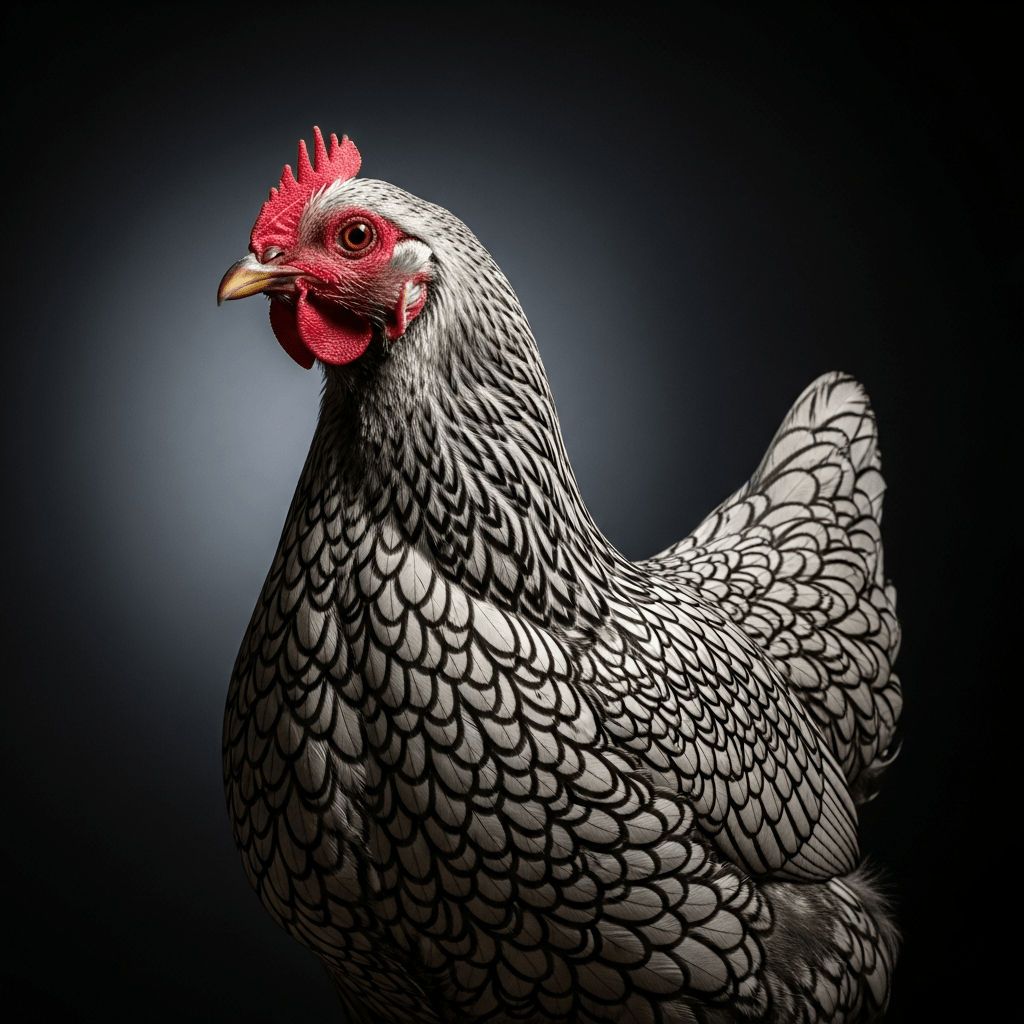
Wyandotte
The Wyandotte is a distinguished American dual-purpose chicken breed, prized for its robust build, reliable brown egg production, and adaptability across diverse climates.
The Wyandotte is a distinguished American dual-purpose chicken breed, prized for its robust build, reliable brown egg production, and adaptability across diverse climates.
Originating in the United States during the late 19th century, the Wyandotte was developed through the careful crossbreeding of several breeds including the Dark Brahma and Spangled Hamburg varieties. Named after the Wyandot Native American tribe, its first recognized variety, the Silver Laced Wyandotte, emerged around 1870. Notable breeders such as John Ray and L. Whittaker contributed to its development, with the breed officially recognized by the American Poultry Association in 1883.
The Wyandotte fits within the domestic chicken taxonomy as a medium to large dual-purpose breed, valued for both meat and egg production. It is recognized by major poultry authorities including the American Poultry Association and British Poultry Standards, and is noted for its exhibition qualities as well as practical farm use.
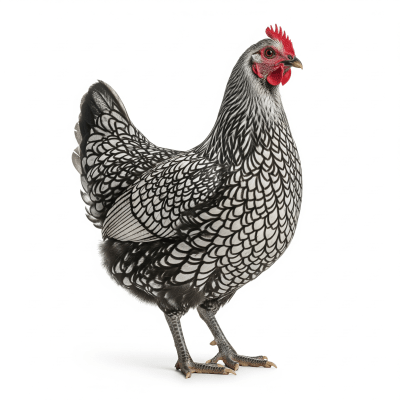
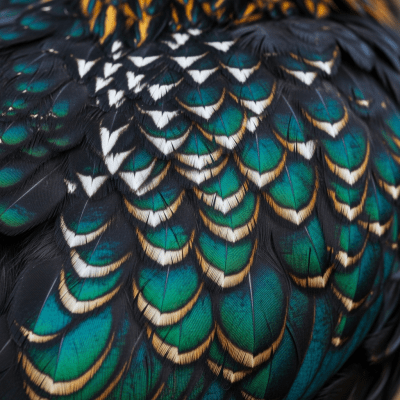
Wyandottes exhibit a broad, rounded body with a full breast and a distinctive rose comb that provides excellent frost resistance. They display dense plumage in a variety of recognized colors such as Silver Laced, Golden Laced, White, Black, Buff, Partridge, Blue, and Columbian. Their legs are clean and free of feathering, and their skin is yellow, contributing to their recognizable and attractive form.
Known for their docile temperament and hardiness, Wyandottes adapt well to both confinement and free-range environments. They are reliable winter layers, producing 200 to 240 brown eggs annually, and grow at a moderate rate, reaching market weight between 16 and 20 weeks. While generally hardy, they exhibit a tendency toward broodiness and have average disease resistance.
Bring this kind into your world illustrated posters, mugs, and shirts.
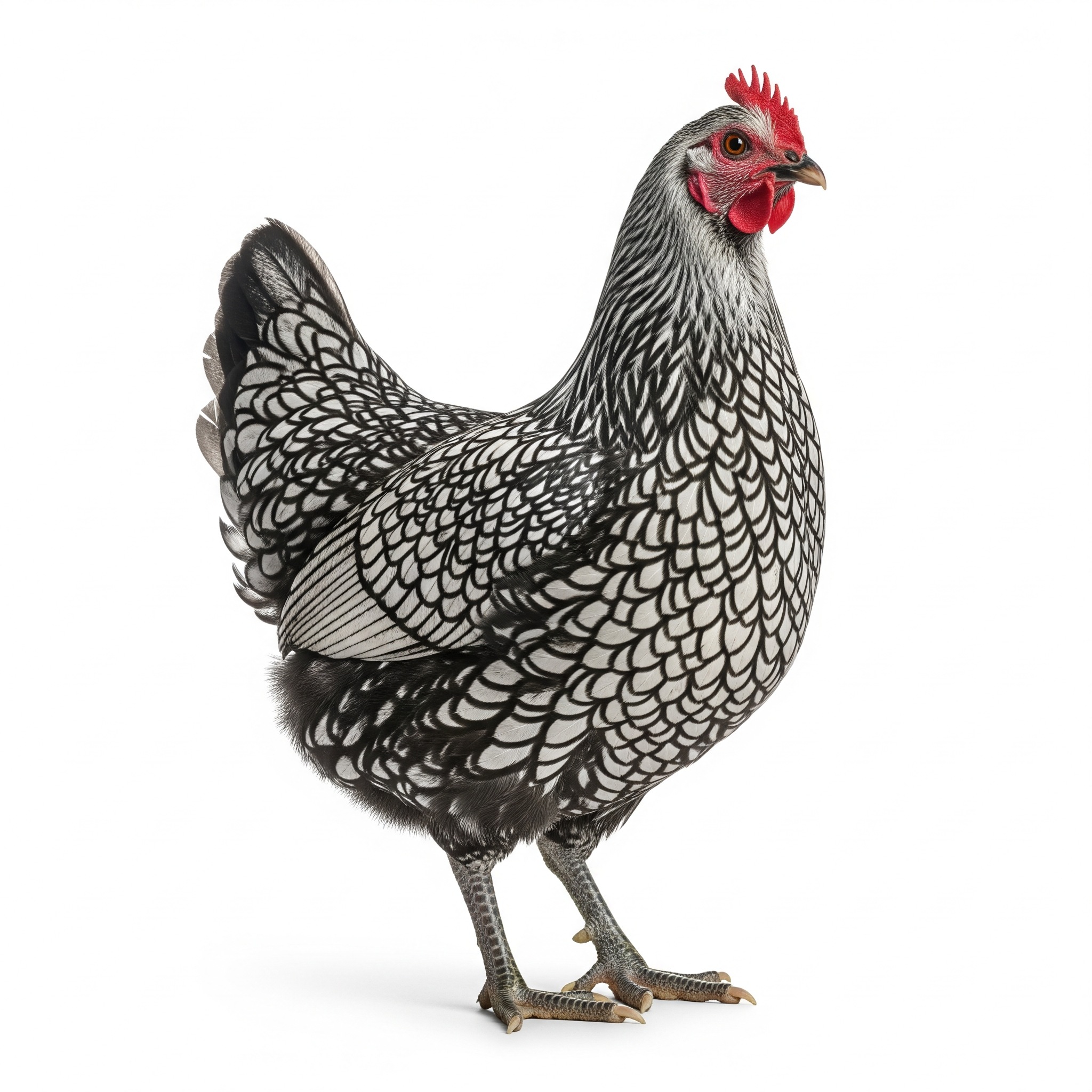
Archival print, museum-grade paper
Buy Poster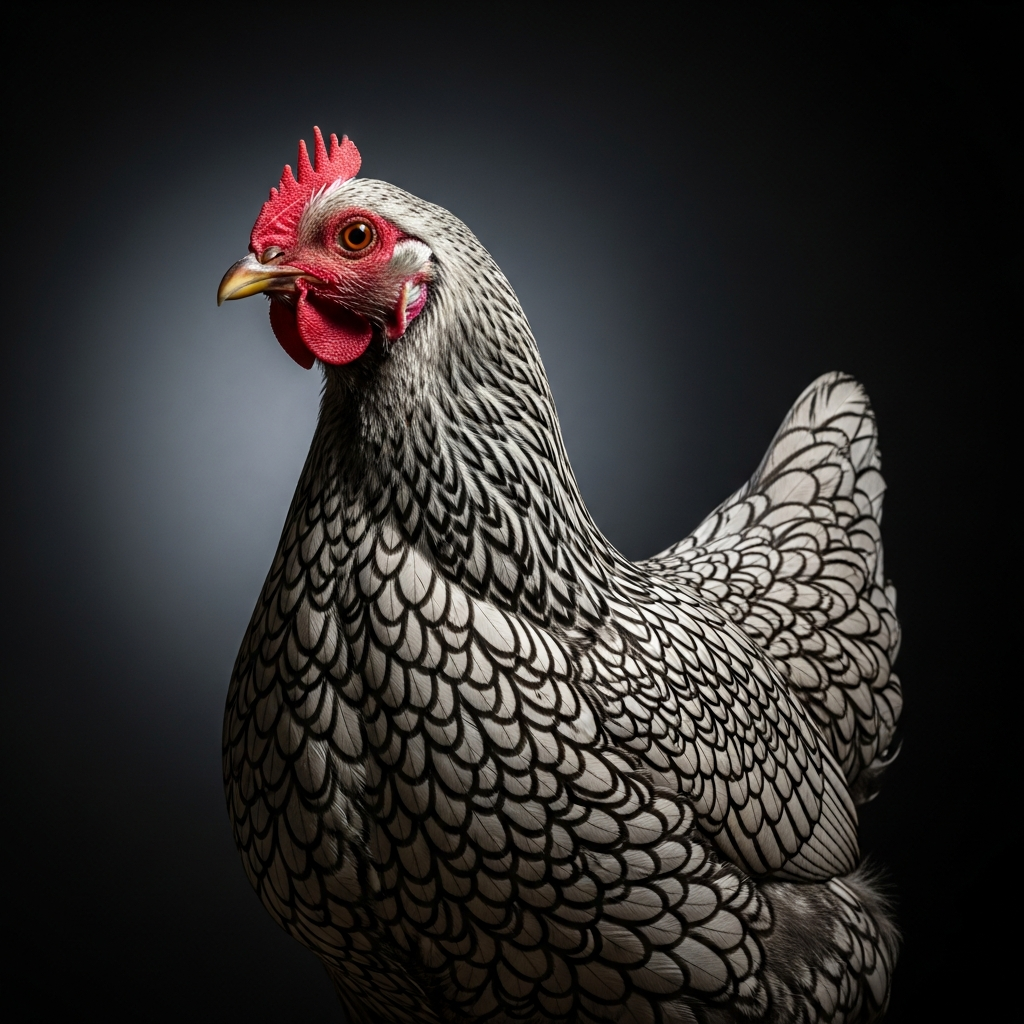
Stoneware mug, dishwasher safe
Buy Mug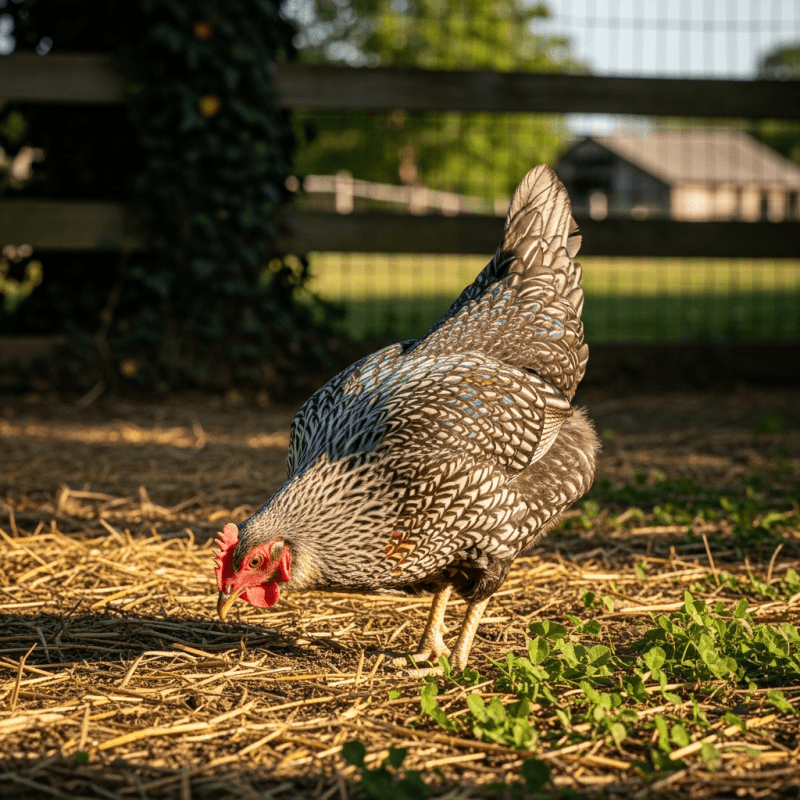
Soft cotton tee, unisex sizes
Buy ShirtThe Wyandotte holds a respected place in American poultry heritage, symbolizing the success of 19th-century breed development. Its name honors the Wyandot Native American tribe, reflecting a cultural connection. The breed’s striking plumage and rose comb have made it a popular choice in poultry exhibitions, contributing to its ongoing cultural presence among breeders and enthusiasts.
The Wyandotte breed encompasses a rich spectrum of color varieties, including Silver Laced, Golden Laced, White, Black, Buff, Partridge, Blue, and Columbian. Regional differences influence the popularity of certain varieties; for example, the Blue Laced Red Wyandotte is more common in Europe. These varieties are recognized by poultry authorities such as the American Poultry Association, British Poultry Standards, and the Poultry Club of Great Britain, with minor variations in accepted colors across regions.
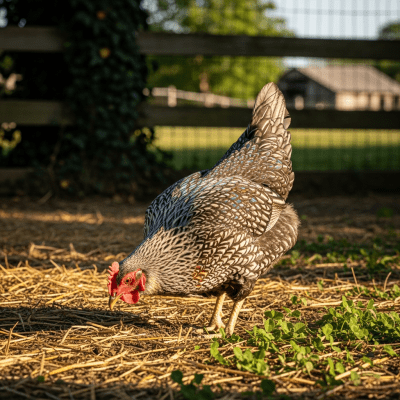
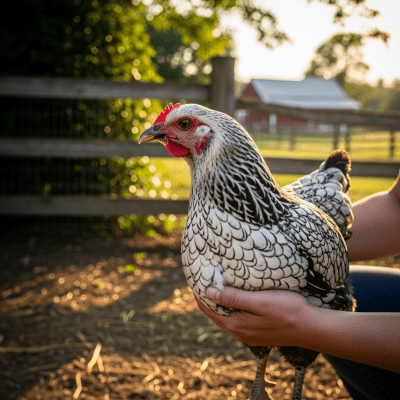

Wyandottes thrive in a variety of farming systems, from backyard flocks to free-range and smallholder operations. Their hardiness allows them to tolerate confinement as well as outdoor environments. Care includes providing adequate shelter to protect their rose combs in extreme cold, balanced nutrition to support steady growth and egg production, and routine health monitoring to manage their average disease resistance. Their tendency toward broodiness may require management depending on breeding goals.
Wyandottes are valued for their yellow-skinned carcass, which is favored in American markets for family consumption. Their moderate size and quality meat make them suitable for a variety of culinary preparations. Additionally, their medium to large brown eggs are prized for consistent production and quality, especially in colder climates where other breeds may lay less reliably.
While not currently classified as endangered, the Wyandotte remains an important heritage breed with active conservation interest. It is maintained by poultry enthusiasts and smallholders who value its dual-purpose qualities and historical significance. Recognition by multiple poultry organizations supports ongoing preservation and promotion of the breed's genetic diversity.