Hamburg
The Hamburg is a historic European chicken breed celebrated for its prolific egg-laying and striking, varied plumage, prized both for utility and exhibition.
The Hamburg is a historic European chicken breed celebrated for its prolific egg-laying and striking, varied plumage, prized both for utility and exhibition.
Originating in Northern Europe during the 14th century, the Hamburg breed developed through regional selection across the Netherlands, Germany, and England. Its lineage traces back to local landrace chickens, evolving over centuries without a single known breeder. The breed gained formal recognition by the American Poultry Association in 1874 and is acknowledged in major poultry standards worldwide.
Hamburg chickens belong to the domesticated species Gallus gallus domesticus and are classified as a medium-sized breed valued primarily for egg production. They fit within the broader category of utility and exhibition breeds, recognized by authoritative bodies such as the American Poultry Association and British Poultry Standards.
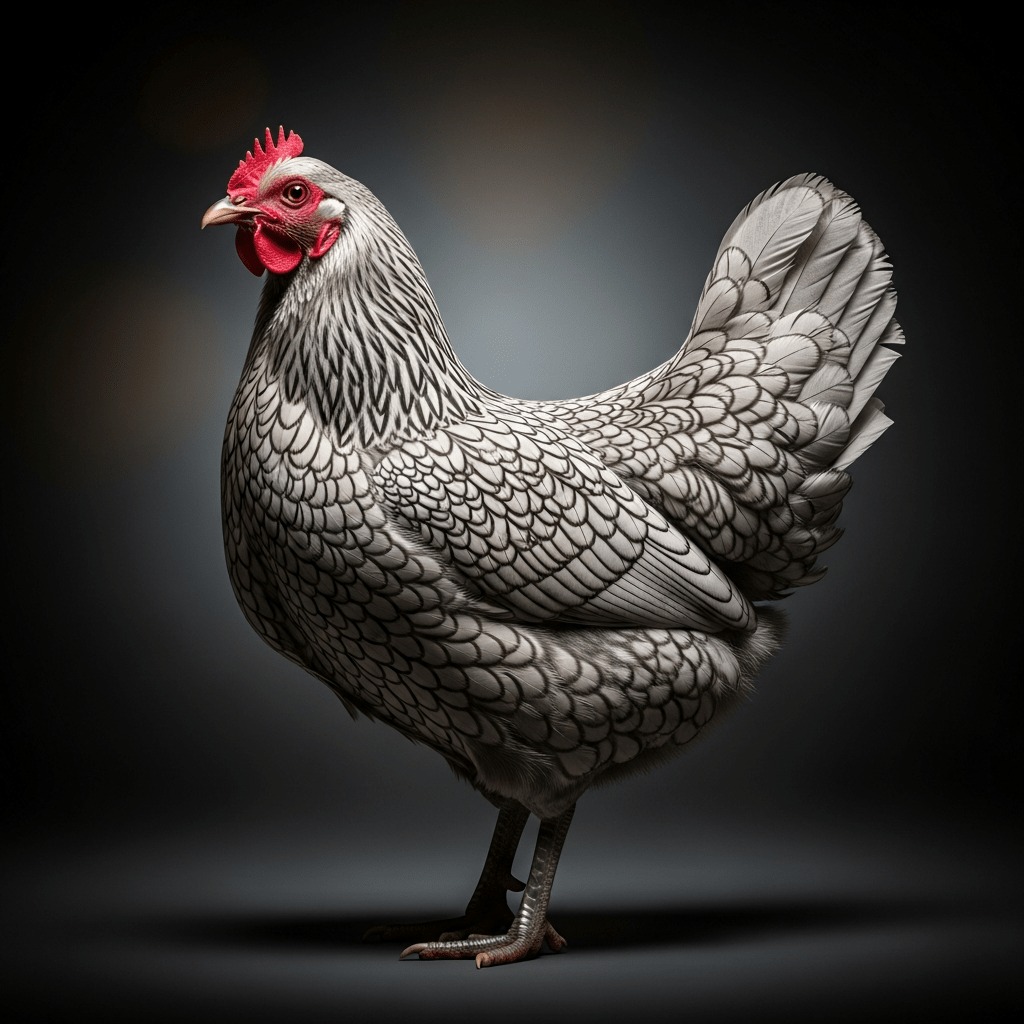
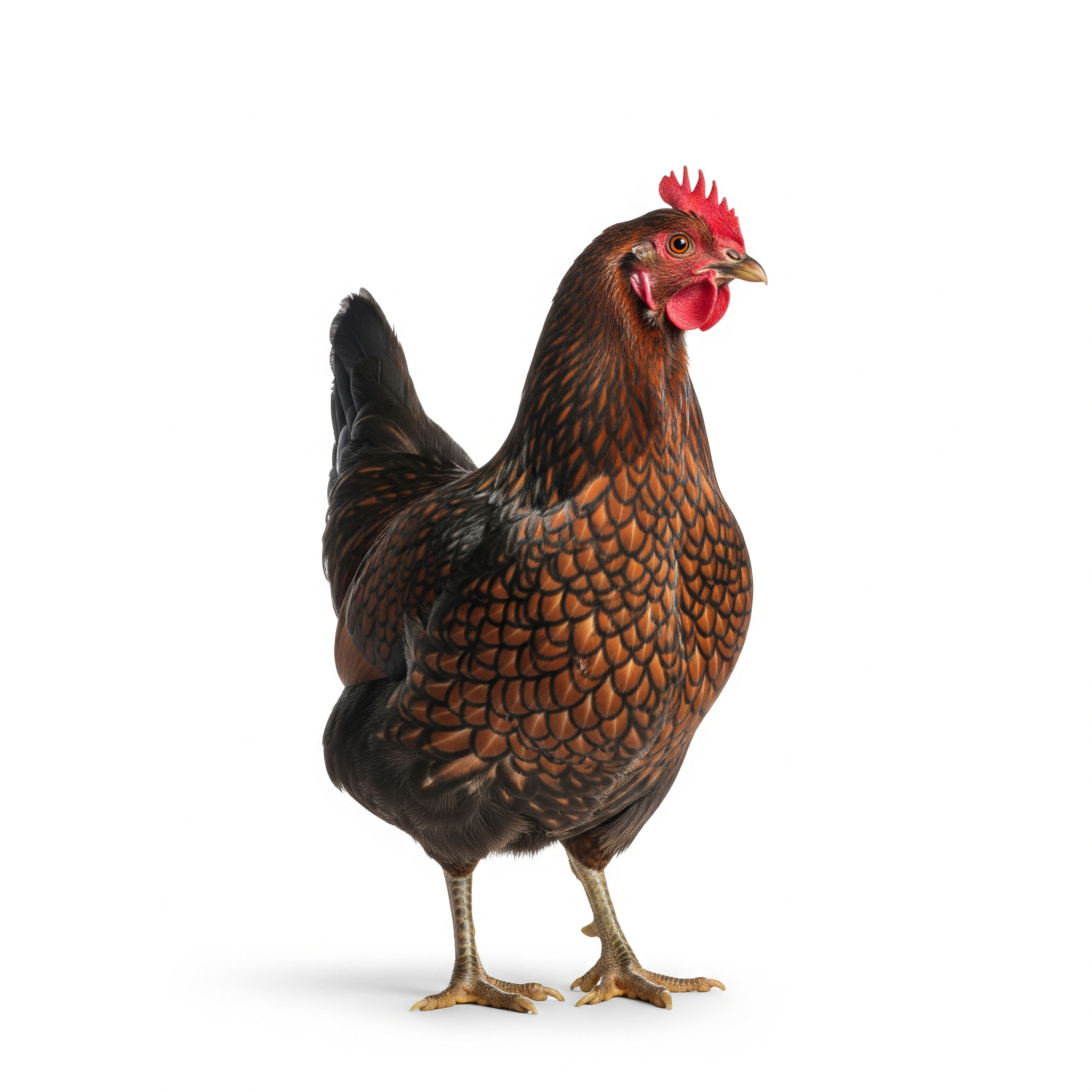
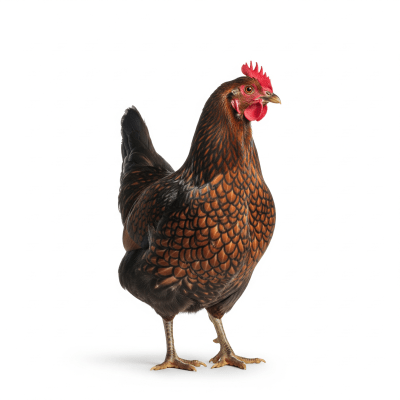
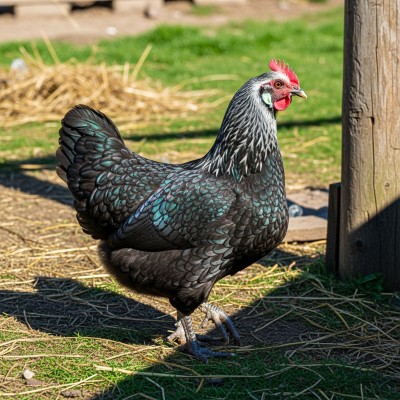
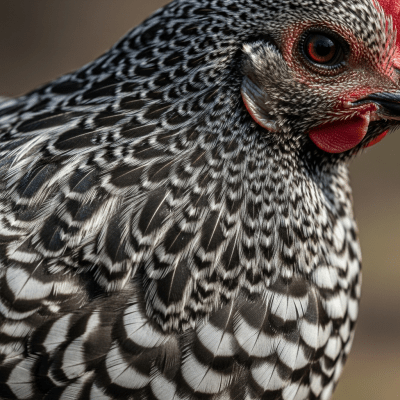
Hamburgs are medium-sized birds with a graceful carriage and an active, alert demeanor. Males typically weigh around 2.25 kg, females about 1.75 kg. They feature a distinctive rose comb, white earlobes, and slate-blue legs. Their plumage is notably varied, with recognized colors including Silver Spangled, Golden Spangled, Silver Pencilled, Golden Pencilled, Black, and White, making them visually striking.
Known for their energetic and alert temperament, Hamburgs are excellent foragers and adapt well to free-range environments. They are prolific layers of small to medium-sized white eggs, producing between 200 and 250 annually. While hardy and quick-growing, they rarely exhibit broodiness, showing limited maternal instincts. Their active nature can make them somewhat flighty.
Bring this kind into your world illustrated posters, mugs, and shirts.
Archival print, museum-grade paper
Buy Poster
Stoneware mug, dishwasher safe
Buy Mug
Soft cotton tee, unisex sizes
Buy ShirtHamburg chickens hold a valued place in poultry exhibitions due to their ornate plumage and lively disposition. Historically known by names such as "Hollandse Hoen" and "Pheasant Fowl," they have contributed genetically to other breeds and remain a symbol of European poultry heritage. Their continued presence in shows and conservation efforts underscores their cultural importance among fanciers and breeders.
The Hamburg breed encompasses several recognized plumage varieties, including Silver Spangled, Golden Spangled, Silver Pencilled, Golden Pencilled, Black, and White. While regional variations in size and pattern exist, all fall under the Hamburg classification in major poultry standards. These varieties showcase the breed’s ornamental diversity alongside its utility traits.
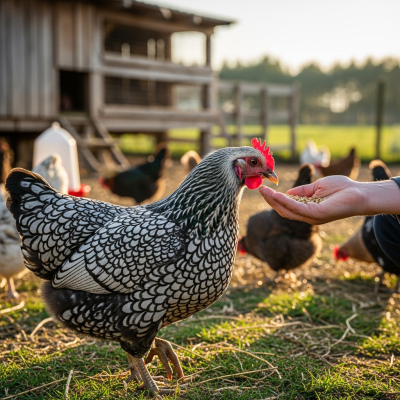
Hamburg chickens thrive best in free-range or backyard systems where their active nature and foraging ability can be fully expressed. They require secure housing to manage their flightiness and protect them from predators. Their hardiness makes them adaptable to various climates, though attentive care ensures optimal egg production. Since they seldom brood, artificial incubation or foster hens are recommended for breeding.
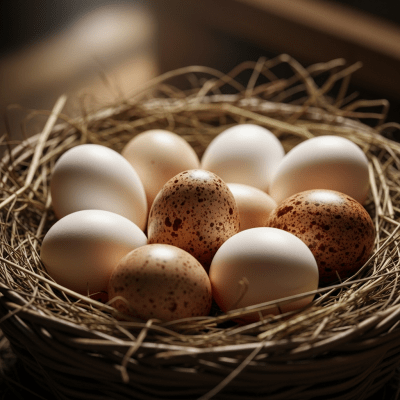
Primarily raised for egg production, Hamburg chickens supply small to medium-sized white eggs favored in home and small-scale commercial settings. Their meat is lean and of moderate quality but is not the breed’s main focus. The Hamburg’s culinary role centers on consistent egg supply rather than meat production, aligning with their classification as an egg breed.
Hamburg chickens are maintained by poultry enthusiasts and conservationists to preserve their genetic diversity and historical legacy. While not currently listed as endangered, ongoing efforts by breed clubs and heritage organizations ensure the breed’s continued presence amid modern commercial pressures. Their inclusion in major poultry standards supports their conservation and recognition worldwide.