
Orpington
The Orpington is a large, docile, dual-purpose chicken breed from Britain, prized for its soft, abundant plumage and gentle temperament, making it a favored choice for both meat and egg production as well as exhibition.
The Orpington is a large, docile, dual-purpose chicken breed from Britain, prized for its soft, abundant plumage and gentle temperament, making it a favored choice for both meat and egg production as well as exhibition.
Originating in Orpington, Kent, England, the Orpington breed was developed in 1886 by William Cook through crossing Minorca, Langshan, and Plymouth Rock chickens. Over time, further selective breeding introduced varieties such as Buff, White, and Blue Orpingtons, incorporating breeds like Dorking and Gold Spangled Hamburg. The breed quickly gained popularity following its first exhibition in the same year.
Classified within the domestic chicken species Gallus gallus domesticus, the Orpington is recognized as a large, dual-purpose breed valued for both egg laying and meat production. It fits into the broader group of British heritage breeds and is acknowledged by major poultry authorities including the American Poultry Association and British Poultry Standards.
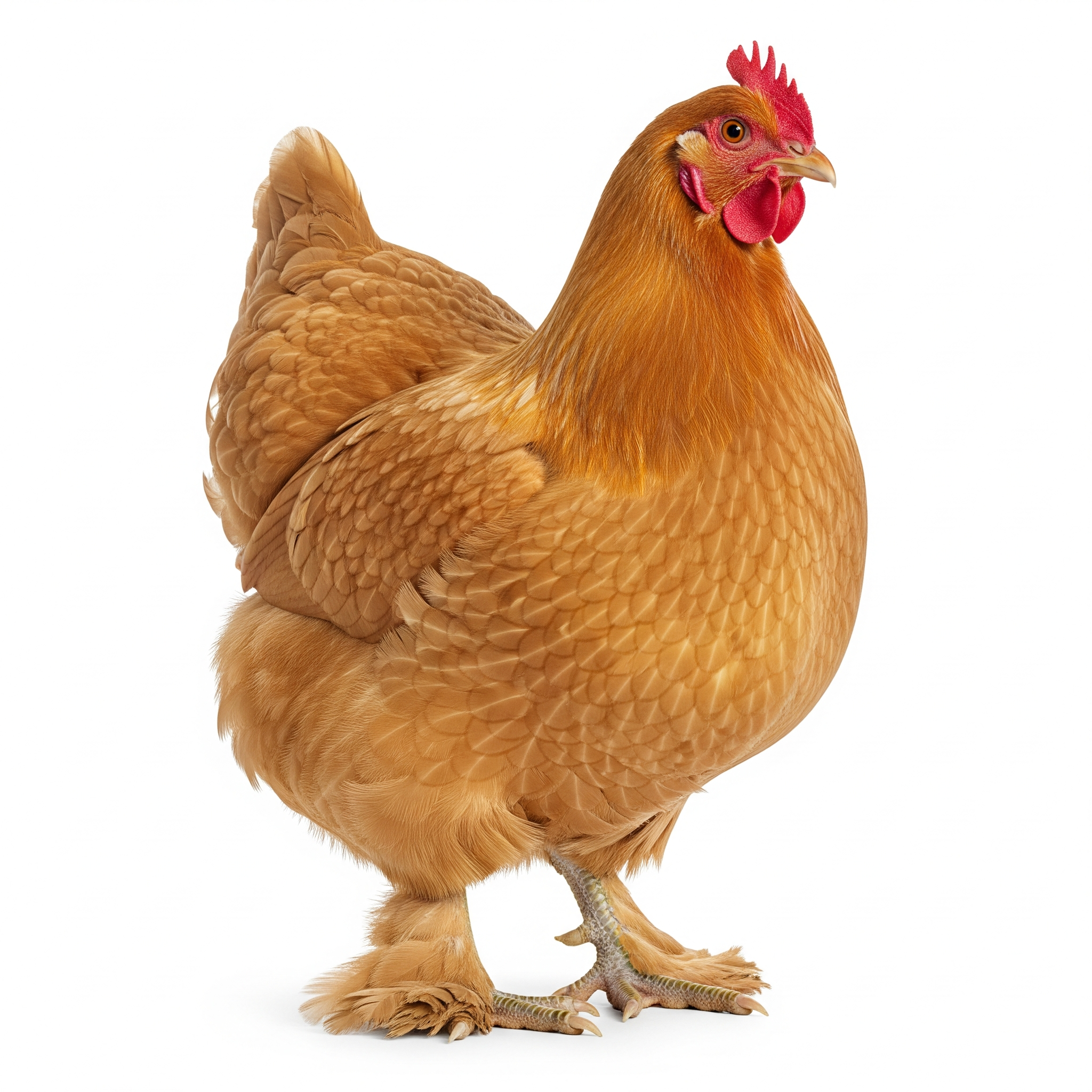
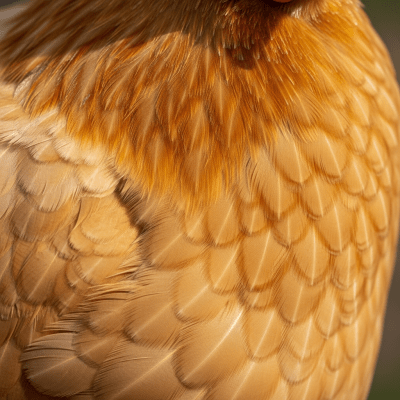
Orpingtons are notable for their broad bodies, short backs, and profuse, soft feathering that creates a rounded, plush appearance. Males typically weigh around 4 kg, females about 3.65 kg. They feature a single comb, red wattles, and white skin. Recognized plumage colors include Black, Buff, Blue, White, and Jubilee, with the Buff variety being especially popular.
Known for their calm and gentle disposition, Orpingtons adapt well to confinement and are excellent mothers with a strong broody tendency. They grow moderately fast and are hardy birds, though their heavy feathering can make them vulnerable to heat stress. Their dual-purpose nature makes them valuable for backyard egg production and quality meat, while their temperament and appearance also suit exhibition and ornamental roles.
Bring this kind into your world illustrated posters, mugs, and shirts.
Archival print, museum-grade paper
Buy Poster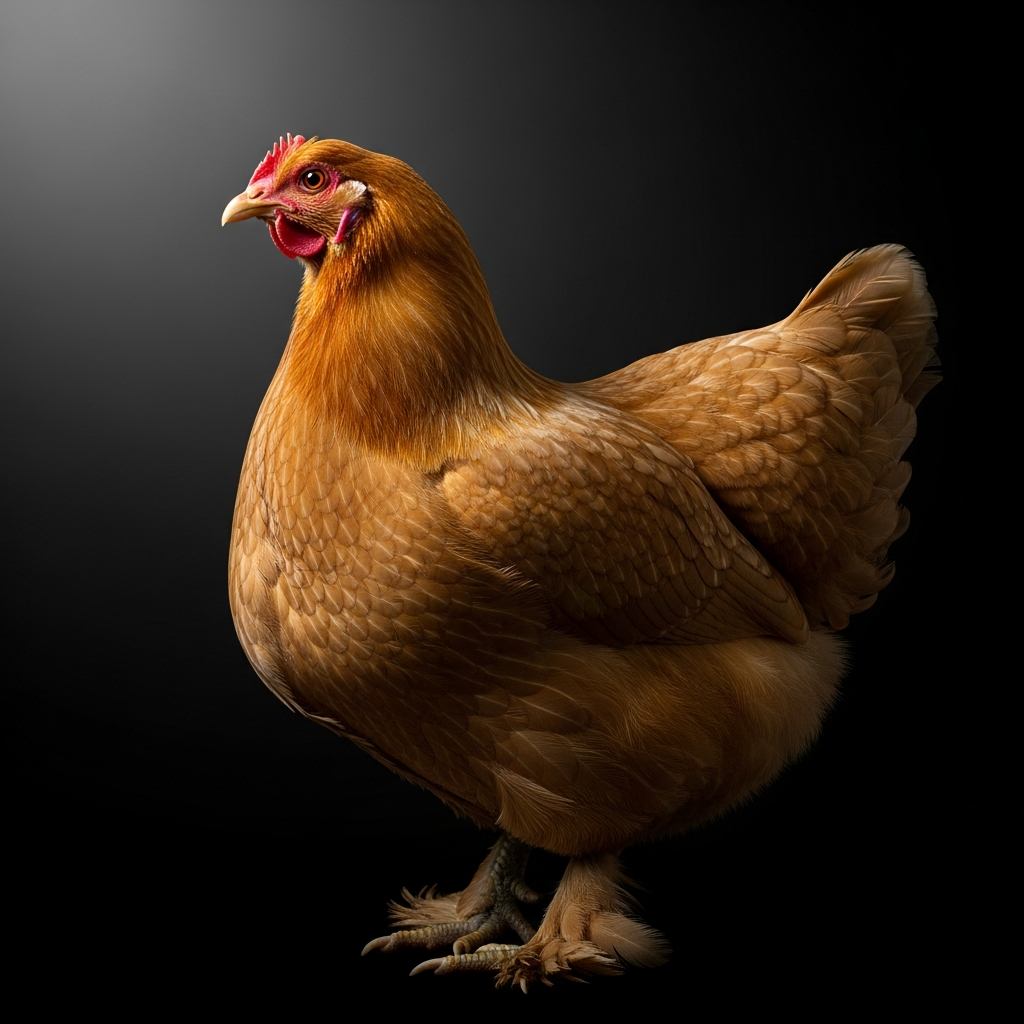
Stoneware mug, dishwasher safe
Buy Mug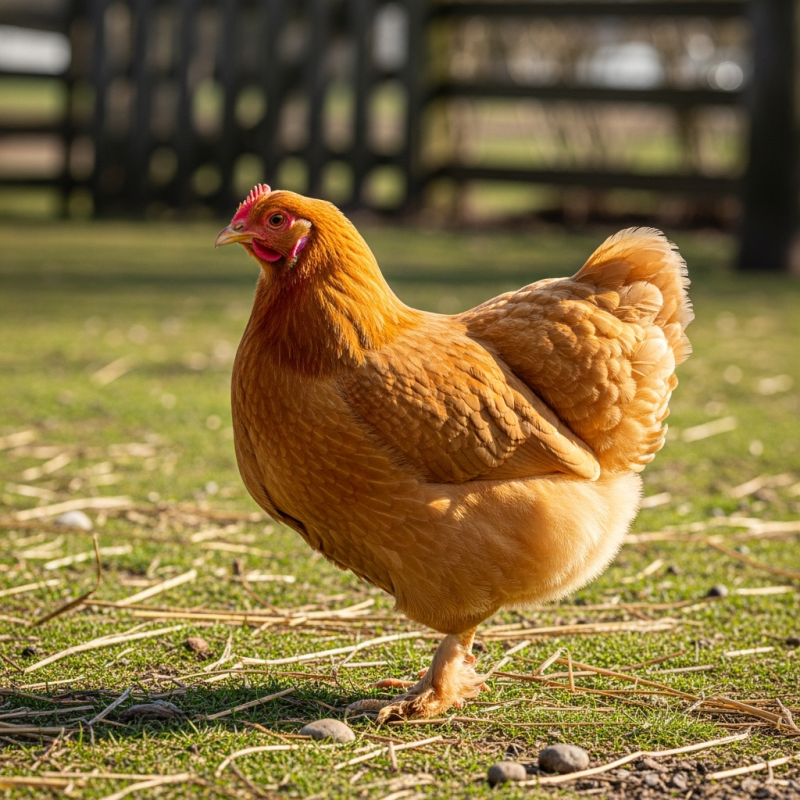
Soft cotton tee, unisex sizes
Buy ShirtThe Orpington holds a cherished place in British poultry heritage and has become a symbol of traditional, versatile farm chickens. Its popularity in exhibitions and backyard flocks reflects its cultural role as both a practical and ornamental breed, embodying the blend of utility and beauty prized in poultry keeping.
The Orpington breed includes several recognized color varieties: Buff, Black, Blue, White, and Jubilee. Each variety shares the breed’s characteristic size and shape but differs in plumage color. Additionally, Bantam Orpingtons represent a miniature form of the breed, recognized by various poultry organizations and popular among hobbyists.

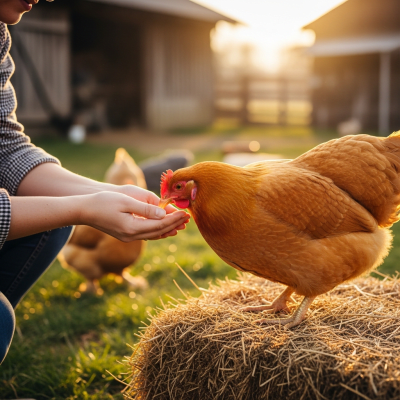
Orpingtons thrive in backyard, exhibition, and conservation breeding settings. They require shelter that protects them from extreme heat due to their heavy feathering. Their docile temperament makes them easy to handle, and they benefit from balanced nutrition to support both egg production and meat quality. Broodiness is common, so management may involve monitoring hens to maintain consistent egg laying.
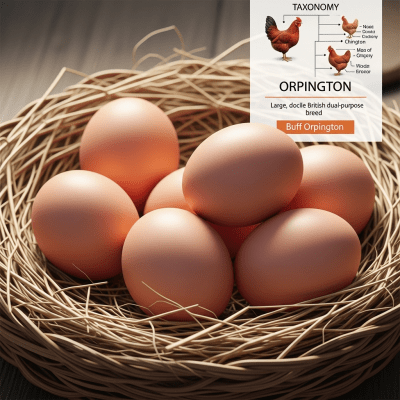
As a dual-purpose breed, Orpingtons provide tender, flavorful meat prized in home cooking and small-scale markets. Their steady egg production of medium to large brown eggs supports backyard egg supply. While not typically used in large commercial operations, their meat and eggs are valued for quality and taste in local and artisanal culinary contexts.
Orpingtons are not currently considered endangered and enjoy widespread popularity among poultry enthusiasts. Conservation efforts focus on maintaining breed standards and genetic diversity, especially through backyard and exhibition breeding programs. Their status as a heritage breed underscores the importance of preserving their lineage amid modern commercial poultry trends.