Leghorn
The Leghorn is a renowned breed of chicken prized worldwide for its exceptional egg-laying ability and adaptability in both commercial and backyard settings.
The Leghorn is a renowned breed of chicken prized worldwide for its exceptional egg-laying ability and adaptability in both commercial and backyard settings.
Originating in the Tuscany region of Italy during the early 19th century, the Leghorn breed traces its roots to Mediterranean landrace chickens. Its name derives from "Livorno," the Italian port from which these birds were first exported. The breed was introduced to North America in the 1820s and 1830s and subsequently refined through collective selection in the United States and the United Kingdom.
Classified within the domesticated chicken species Gallus gallus domesticus, the Leghorn is recognized as a distinct breed primarily valued for egg production. It fits into the broader category of Mediterranean-type chickens and is formally acknowledged by major poultry authorities such as the American Poultry Association since 1874.
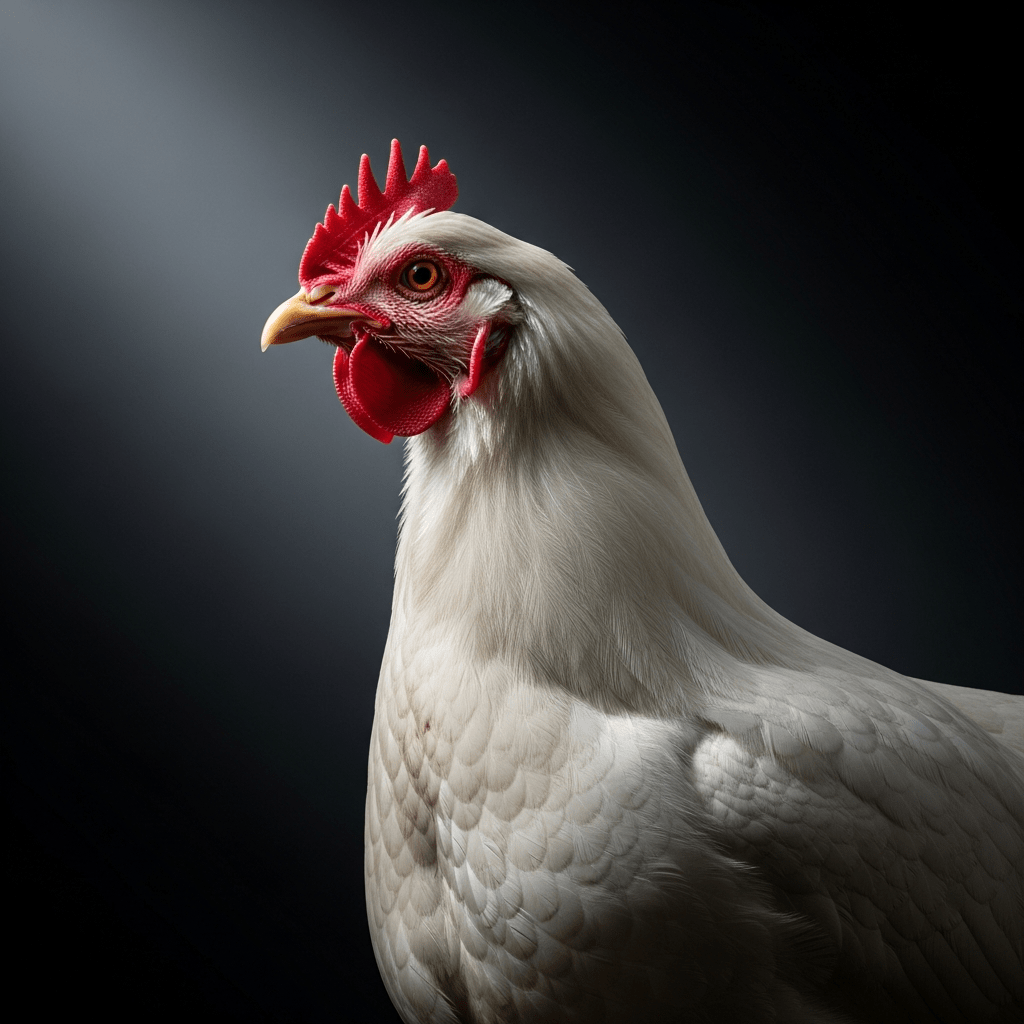
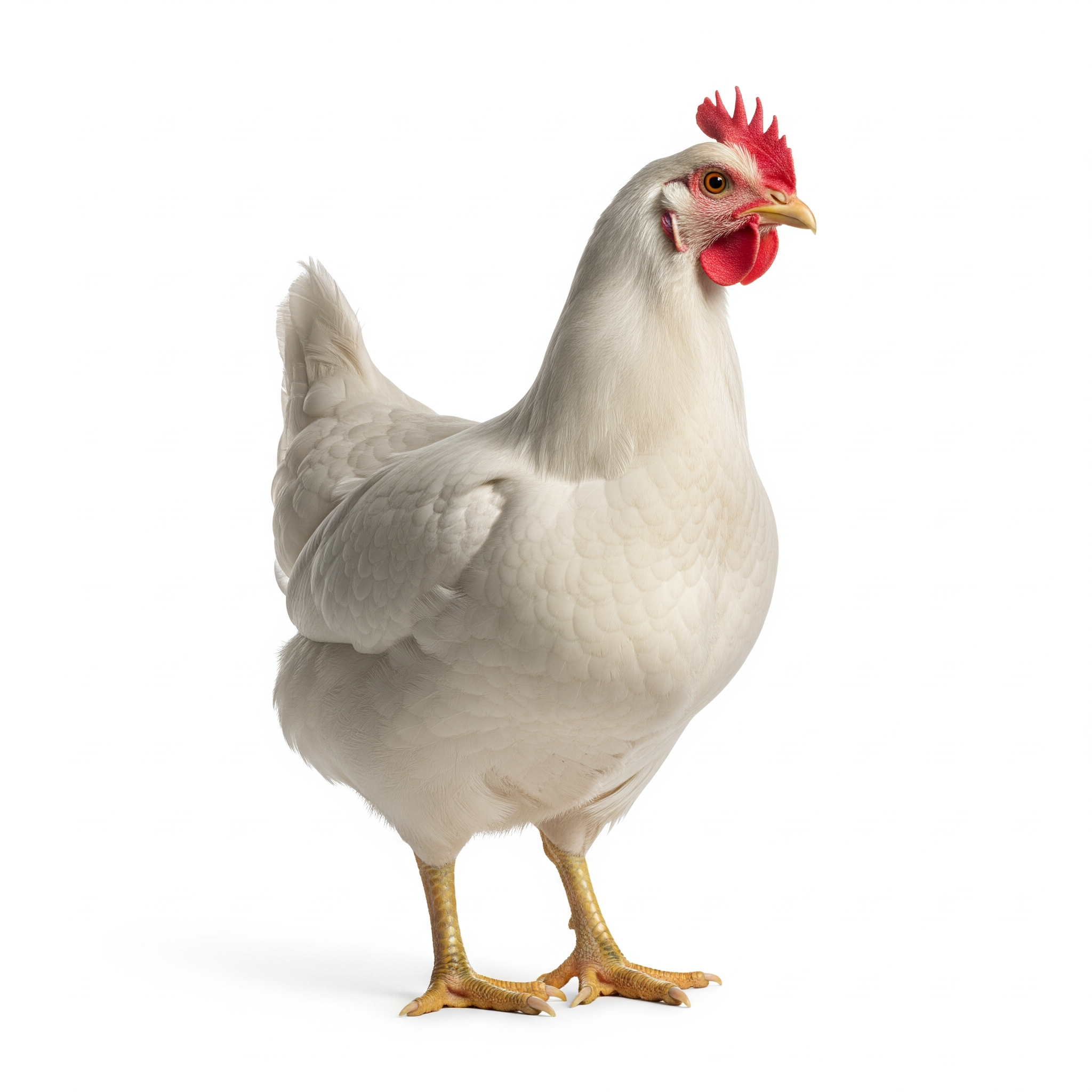
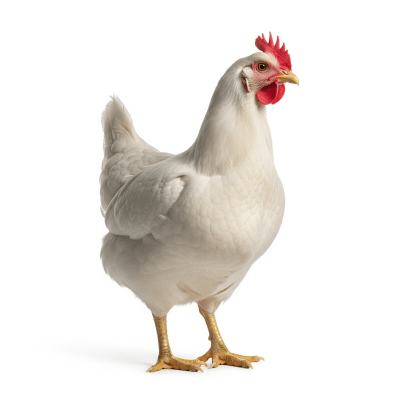
Leghorns are medium-sized, lightweight birds characterized by a slender, upright posture. Males typically weigh around 3.05 kg, females about 2.25 kg. Their plumage varies widely, including white, brown, black, buff, silver, and red varieties, with the White Leghorn being the most common. They feature prominent single or rose combs, striking white earlobes, and yellow legs, making them visually distinctive and elegant.
Active and hardy, Leghorns are prolific layers producing over 280 white eggs annually. They mature early, beginning to lay between 18 and 20 weeks of age. Known for their strong foraging ability and adaptability to diverse climates, they exhibit low broodiness, rarely sitting on their eggs. Their temperament is lively, making them well-suited for both free-range and commercial egg production.
Bring this kind into your world illustrated posters, mugs, and shirts.
Archival print, museum-grade paper
Buy Poster
Stoneware mug, dishwasher safe
Buy Mug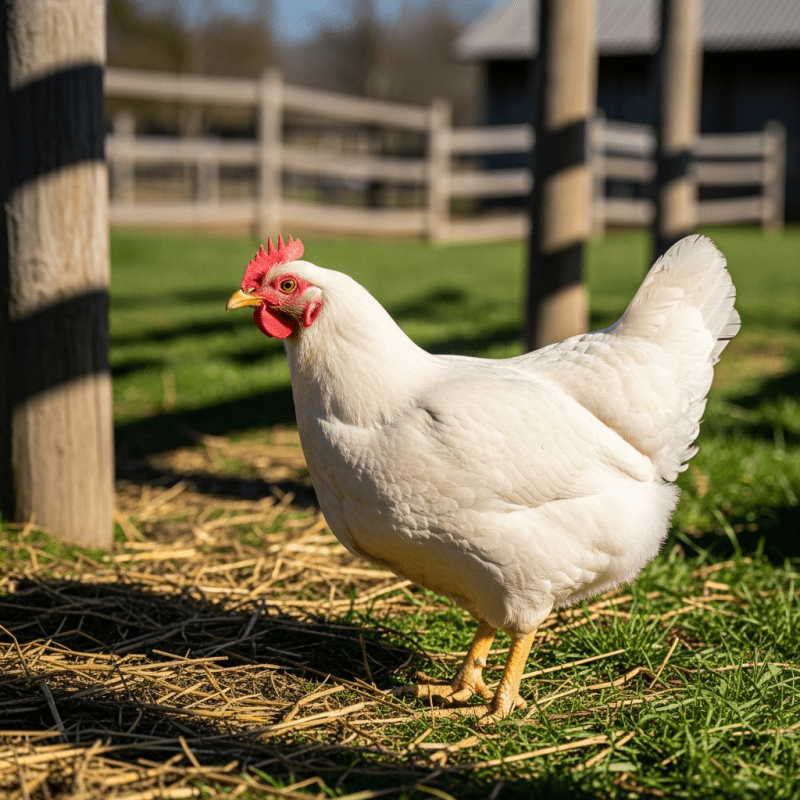
Soft cotton tee, unisex sizes
Buy ShirtLeghorns hold a prominent place in poultry culture as a symbol of efficient egg production and Mediterranean heritage. Their widespread use in commercial egg industries across North America and Europe underscores their economic importance. Additionally, they are occasionally featured in poultry exhibitions, celebrated for their elegant form and variety of colors.
The Leghorn breed encompasses numerous color varieties including White, Brown, Black, Buff, Silver, and Red. The White Leghorn is the most commercially significant and widely recognized. Various poultry standards—such as those from the American Poultry Association, British Poultry Standards, and Australian Poultry Standards—acknowledge these color variants. Commercial strains derived from Leghorn genetics include proprietary lines like High-Line and Shaver, developed for optimized egg production.
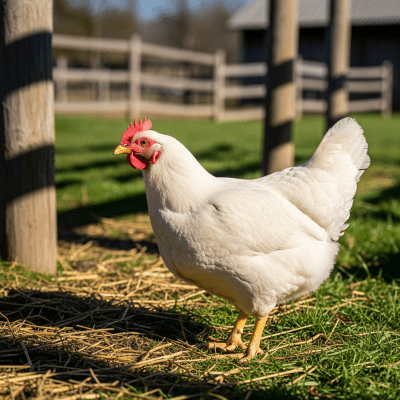
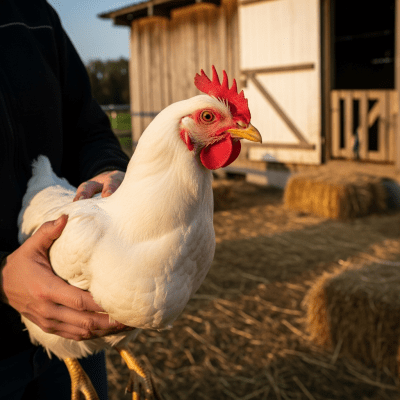


Leghorns thrive in both commercial and backyard farming systems. Their active nature and strong foraging skills make them well-suited to free-range environments, though they adapt well to confinement. They require protection from cold weather due to their large combs, which are prone to frostbite. Regular health monitoring and balanced nutrition support their prolific egg production. Their low broodiness means artificial incubation is typically needed for hatching.
Primarily valued for their eggs, Leghorns supply white-shelled eggs favored in retail, food service, and processed food industries, especially across North America and Europe. Their meat is rarely used commercially due to their smaller size and lean carcass, making them less suitable for meat production compared to specialized broiler breeds.
The Leghorn breed is not currently considered at risk and enjoys widespread global presence due to its commercial importance. Conservation efforts focus more on preserving heritage varieties and color strains within the breed, while commercial lines continue to be developed for enhanced productivity. Its robust population and adaptability have ensured its stable status worldwide.