Campine
The Campine is a historic Belgian chicken breed prized for its striking golden or silver plumage and prolific production of white eggs.
The Campine is a historic Belgian chicken breed prized for its striking golden or silver plumage and prolific production of white eggs.
Originating in the 19th century from the Campine (Kempen) region of northern Belgium, the Campine was developed from local Belgian landraces closely related to the Braekel breed. It gained formal recognition in the early 1900s by the British Poultry Standards and later by the American Poultry Association in 1914.
The Campine is classified within the domestic chicken species Gallus gallus domesticus as a distinct breed known for egg production. It shares a close genetic and historical relationship with the Braekel breed, often considered a regional variant or sibling breed within Belgian poultry taxonomy.
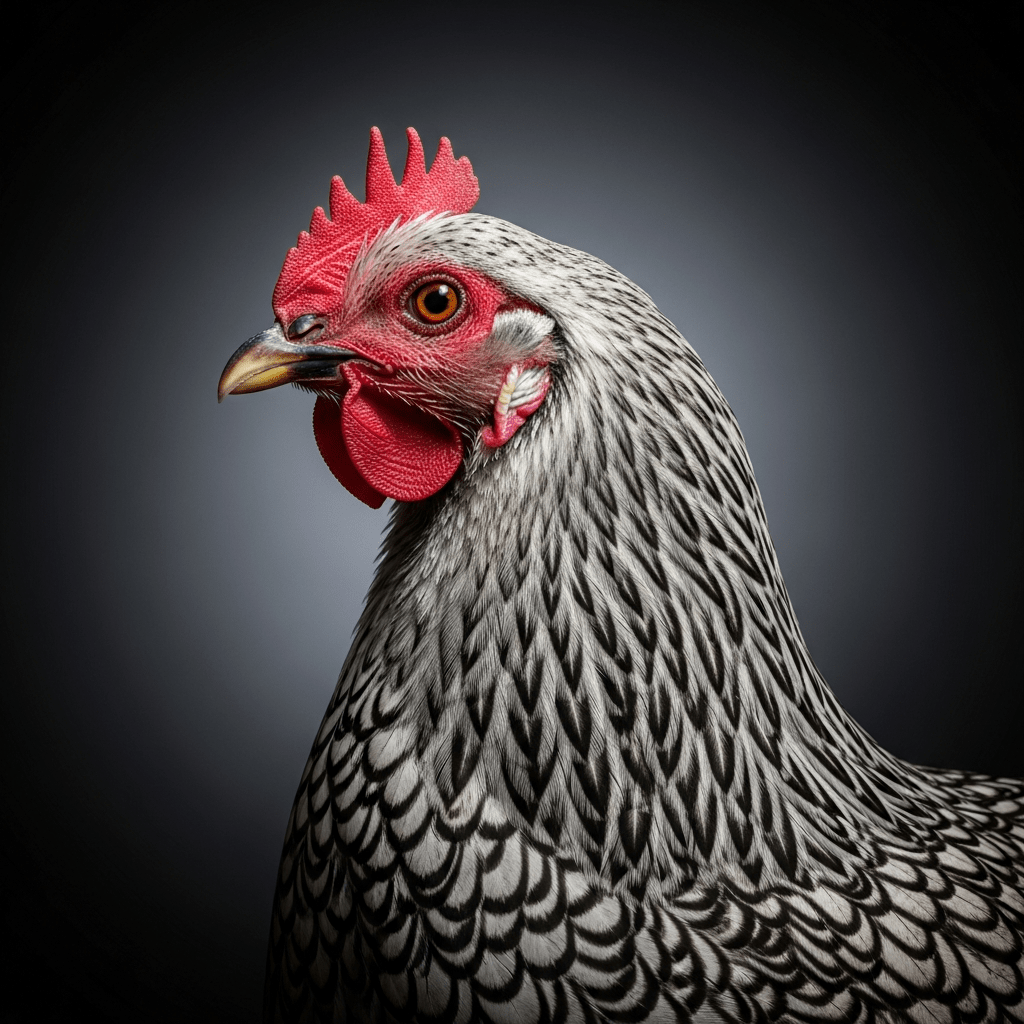
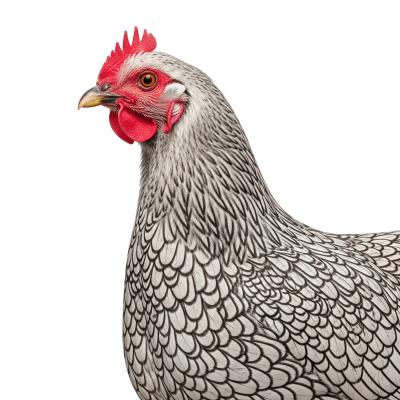
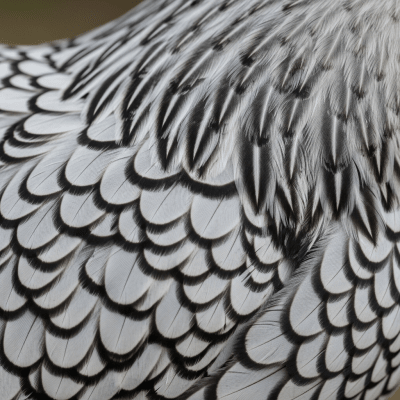
The Campine is a light, upright bird with a well-proportioned body and alert carriage. It appears in two main color varieties: golden, featuring rich golden hackles and body feathers, and silver, with silvery-white plumage. Both varieties display a metallic sheen, clean slate-blue legs, white skin, and red earlobes. Males typically have a large, upright single comb, while females may have a slightly lopped comb.
Known for its active and flighty temperament, the Campine thrives in free-range environments where its strong foraging ability and hardiness shine. It is a prolific layer of medium-sized white eggs, producing between 180 and 200 eggs annually. While not broody and less suited to intensive confinement, it is valued for its resilience to cold and disease.
Bring this kind into your world illustrated posters, mugs, and shirts.
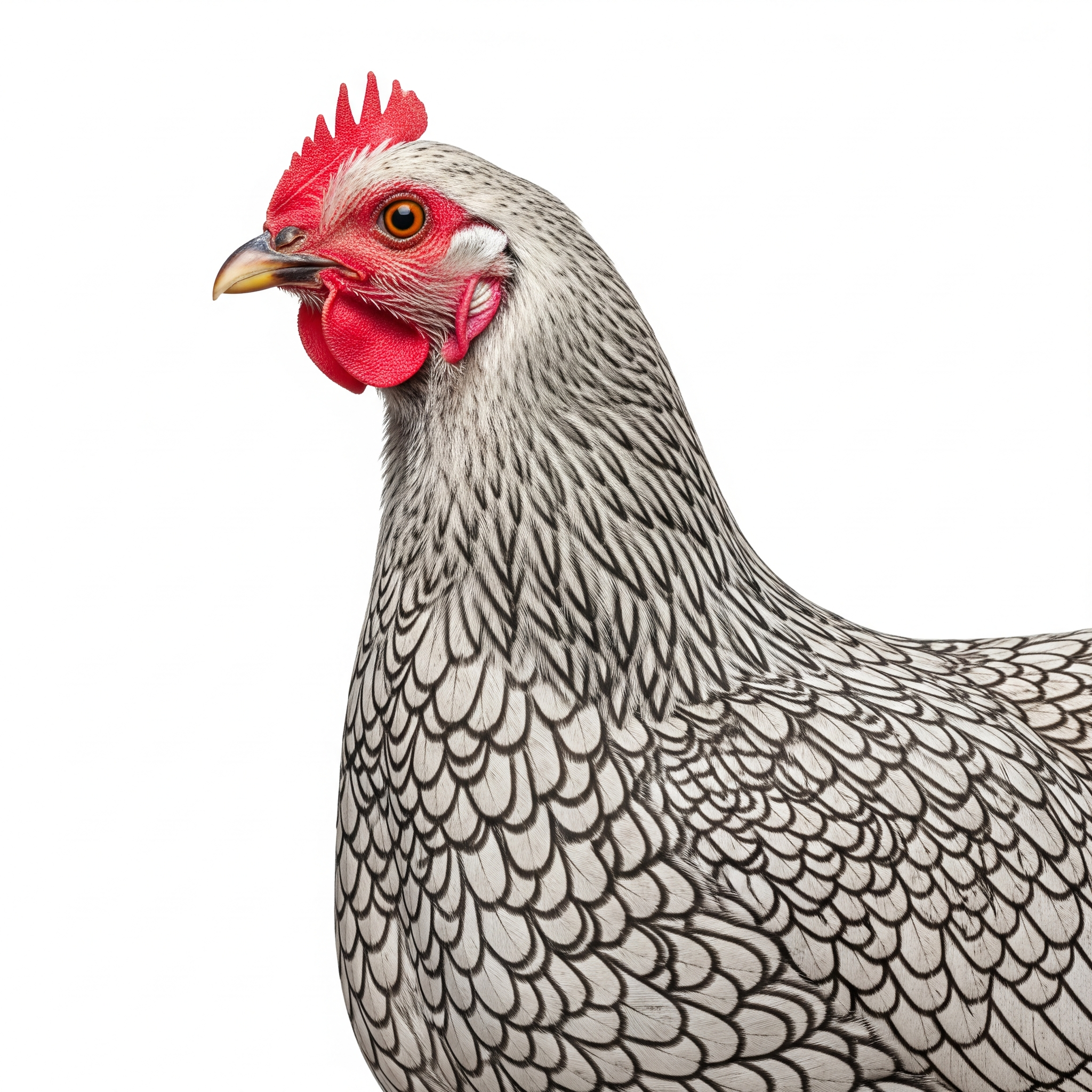
Archival print, museum-grade paper
Buy Poster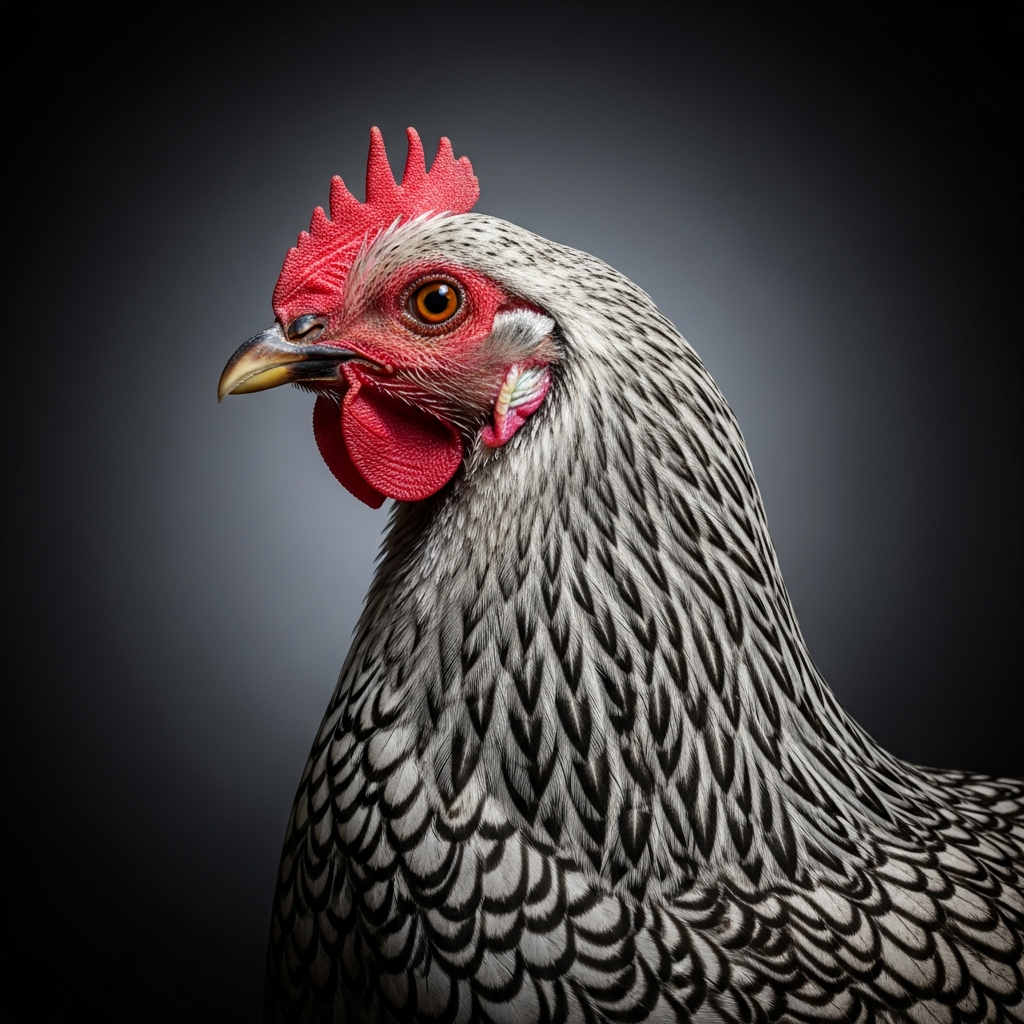
Stoneware mug, dishwasher safe
Buy Mug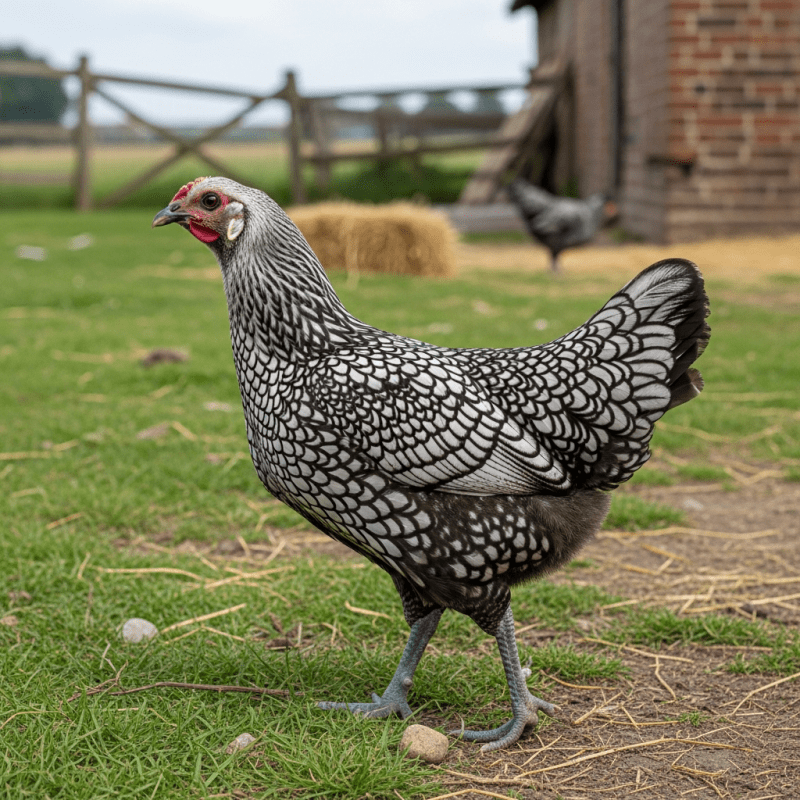
Soft cotton tee, unisex sizes
Buy ShirtThe Campine holds a place in European poultry heritage as a symbol of traditional Belgian breeding. Its distinctive appearance and historical role in developing productive egg-laying strains have made it a favorite among heritage poultry enthusiasts and exhibitors, preserving its legacy in both agricultural and ornamental contexts.
The Campine breed includes two recognized color varieties: the Golden Campine, with rich golden feathers, and the Silver Campine, characterized by silvery-white plumage. Bantam versions exist but are rare. The breed is closely related to the Braekel, with some regional overlap and occasional classification as variants of the same landrace.

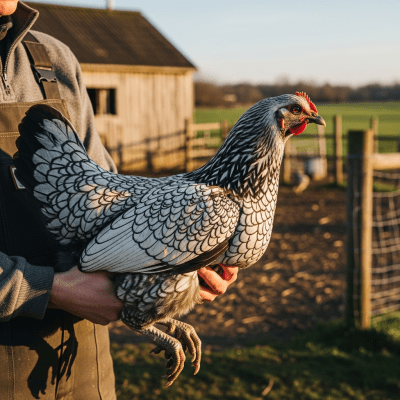

Campines thrive best in free-range or smallholder systems where their active nature and foraging skills can be fully expressed. They require adequate space to prevent stress, as they are less suited to intensive confinement. Their hardiness includes good cold tolerance and disease resistance, but management should consider their flighty temperament. Broodiness is uncommon, so artificial incubation is often needed for breeding.
Primarily valued for their white eggs, Campines serve household and niche markets that appreciate quality and traditional breeds. Their lean meat, though moderate in quantity, is favored in specialty and gourmet culinary contexts rather than mass meat production.
The Campine is recognized as a heritage breed with stable but limited populations. Conservation efforts focus on maintaining genetic diversity and promoting smallholder and exhibition breeding to preserve this historic Belgian breed amid modern commercial poultry dominance.