Dominique
The Dominique is the oldest American chicken breed, renowned for its distinctive barred plumage and rose comb, and valued as a hardy dual-purpose bird for both eggs and meat.
The Dominique is the oldest American chicken breed, renowned for its distinctive barred plumage and rose comb, and valued as a hardy dual-purpose bird for both eggs and meat.
Originating in the United States during the 18th century colonial era, the Dominique emerged naturally from European chickens brought by settlers, likely including breeds from England and France. It developed as a landrace breed without a single credited breeder and was formally recognized by the American Poultry Association in 1874.
The Dominique belongs to the domestic chicken species Gallus gallus domesticus and is classified as a medium-sized, dual-purpose breed known for its unique barred feather pattern and rose comb. It fits within the heritage breeds category, valued for both egg-laying and meat production.
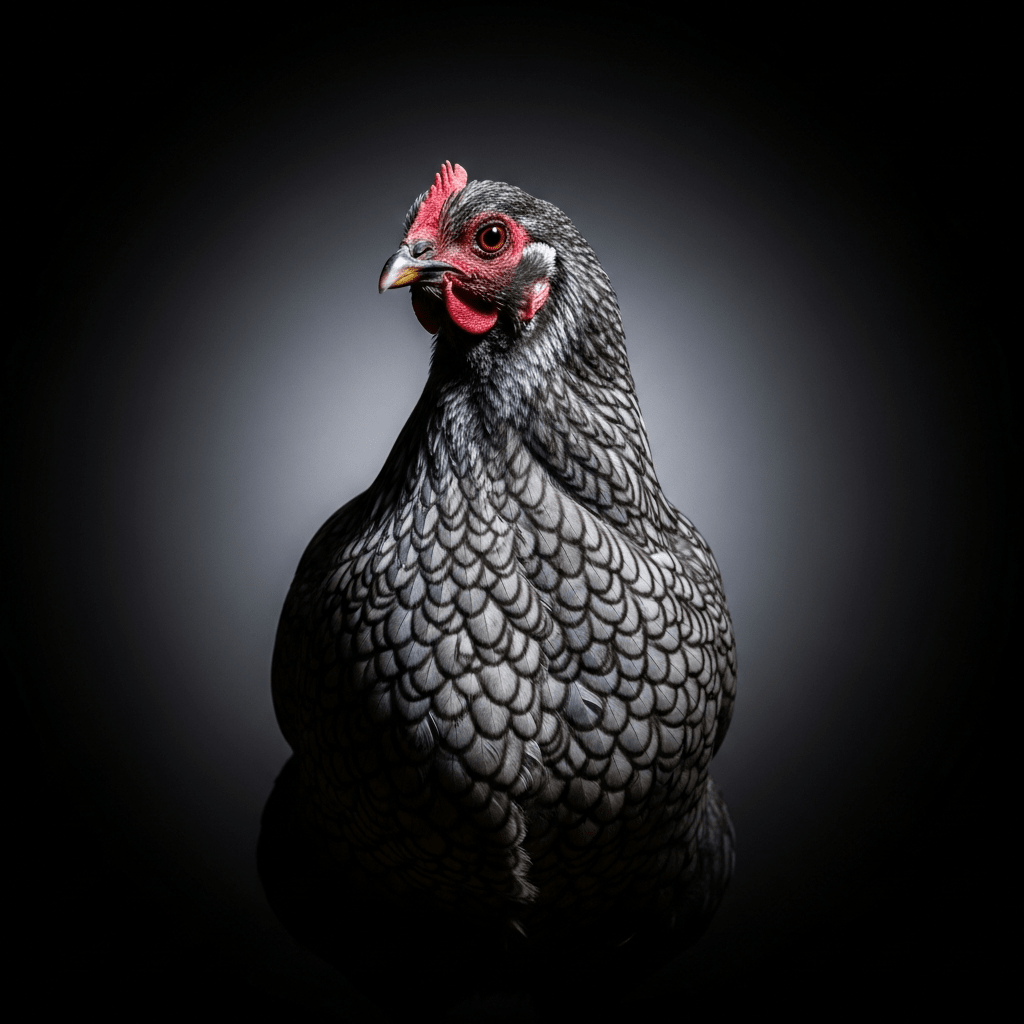
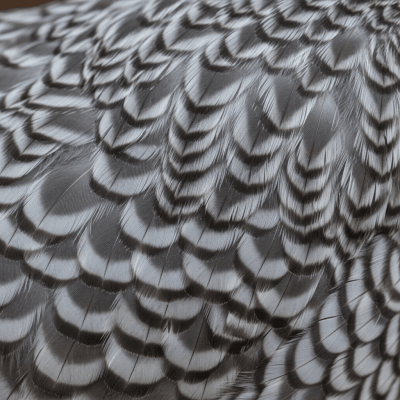
Dominique chickens are medium-sized birds with males weighing around 3.2 kg and females about 2.3 kg. Their most striking feature is the cuckoo or barred plumage—alternating black and white bands—that covers their body. They possess a rose comb, which helps resist frostbite, and display yellow legs and skin, contributing to their distinctive look.
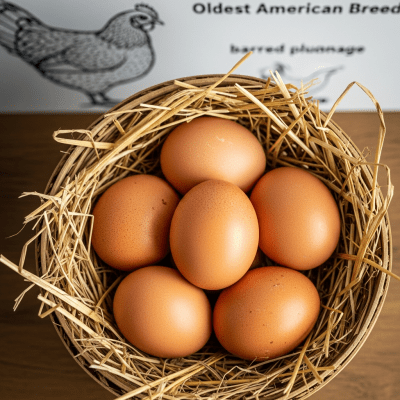
Known for their docile temperament and good foraging ability, Dominiques are hardy birds adaptable to various climates, particularly resistant to cold weather. They mature at a moderate rate and serve as reliable producers of medium-sized brown eggs, making them suitable for small farms and heritage breeding programs.
Bring this kind into your world illustrated posters, mugs, and shirts.
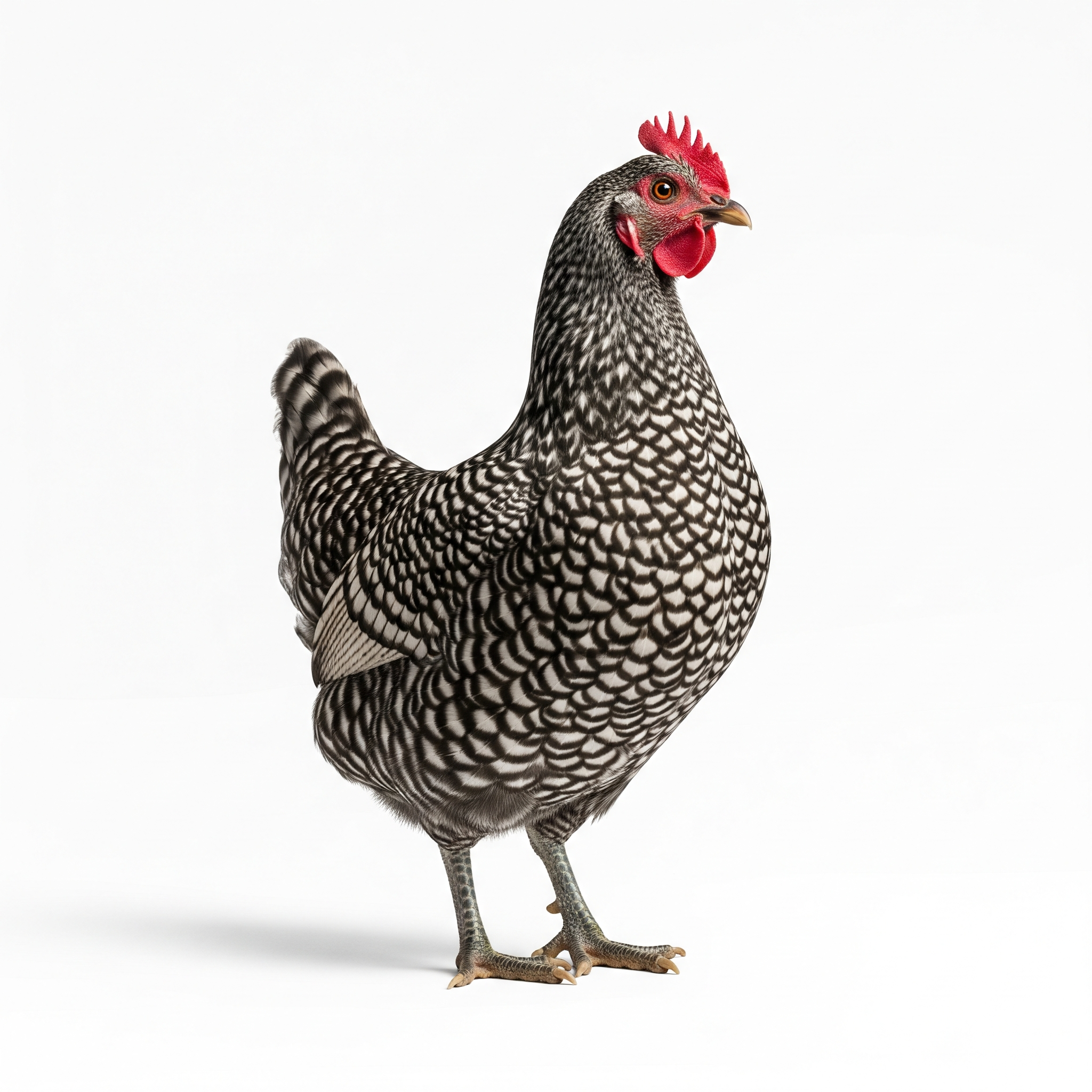
Archival print, museum-grade paper
Buy Poster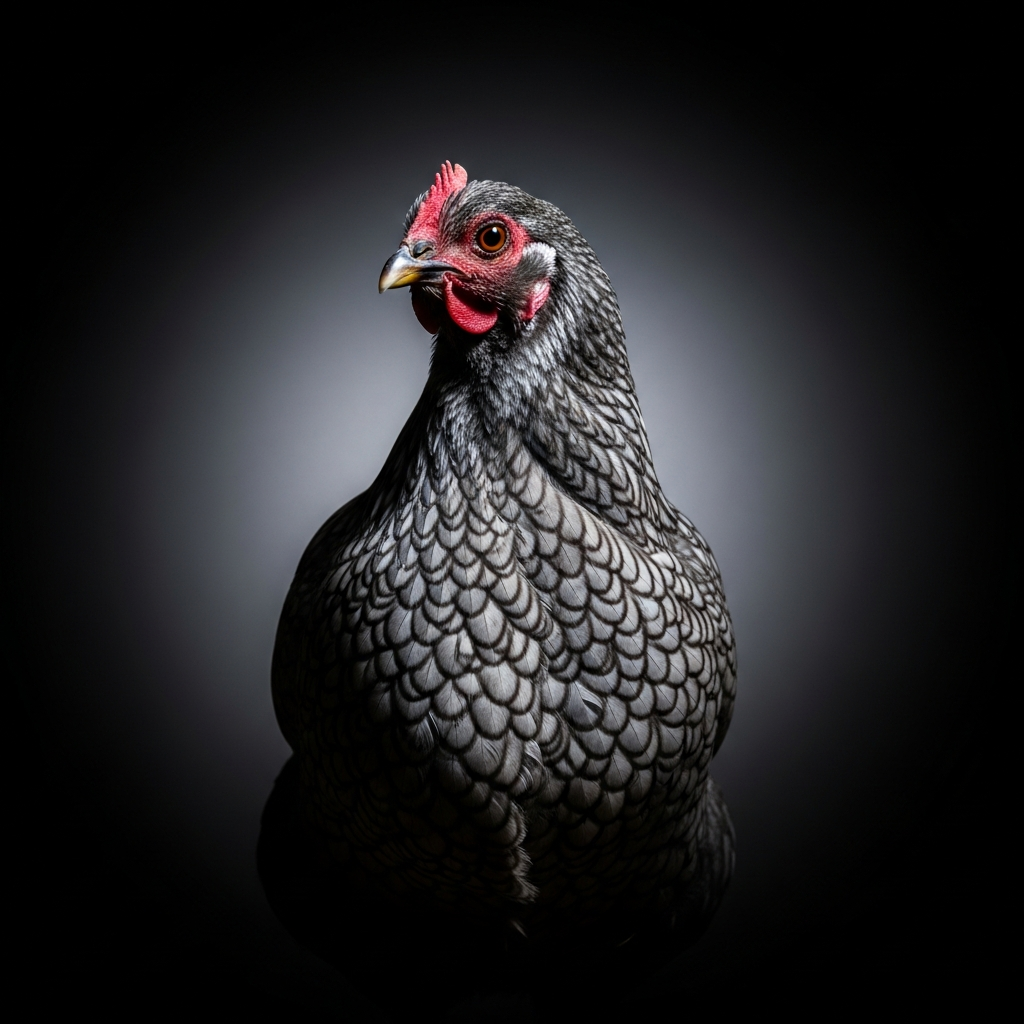
Stoneware mug, dishwasher safe
Buy Mug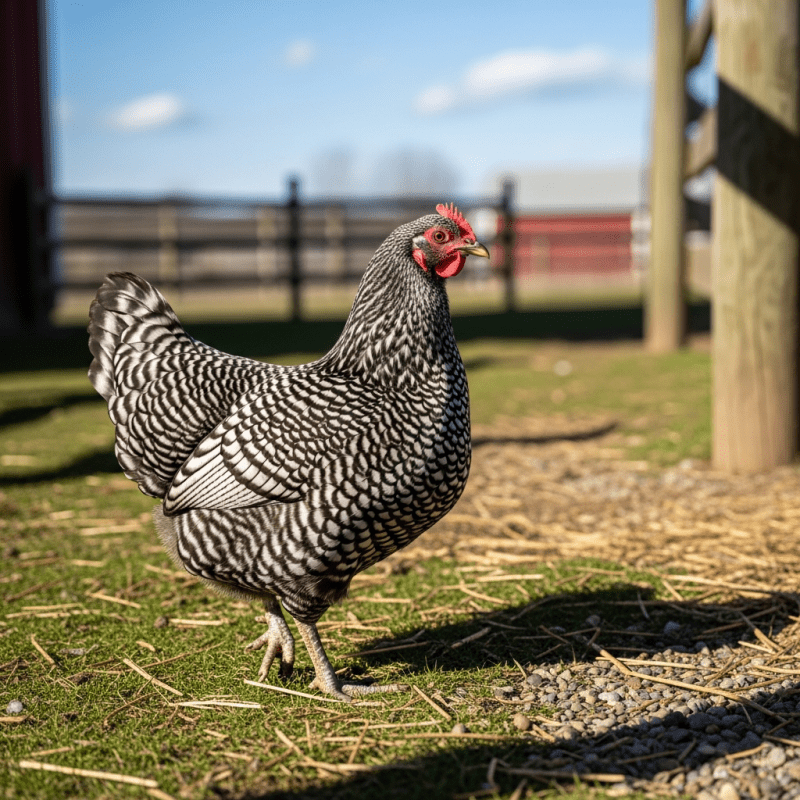
Soft cotton tee, unisex sizes
Buy ShirtAs the oldest American chicken breed, the Dominique holds a special place in heritage farming and poultry exhibitions. Its historical roots in colonial America and enduring presence symbolize traditional farming values and the preservation of agricultural biodiversity.
The Dominique breed does not have recognized varieties; all individuals share the characteristic barred plumage and rose comb. It is sometimes known by synonyms such as Dominicker, Pilgrim Fowl, and Old Dominion, but these names refer to the same breed without distinct subtypes.

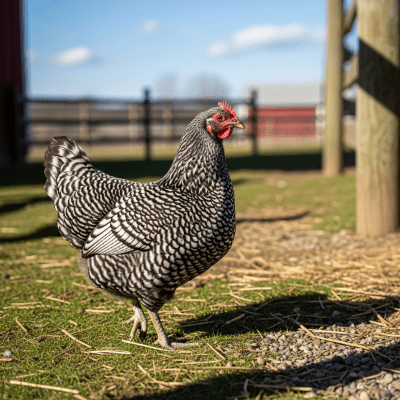
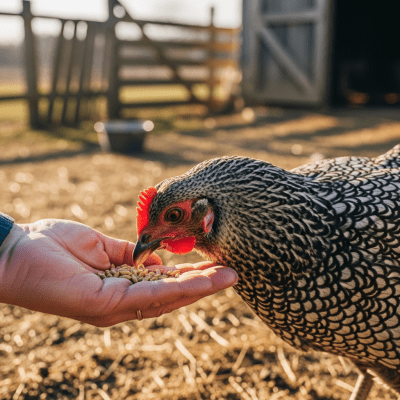
Dominique chickens thrive in heritage and small farm settings where they can forage freely. Their hardiness and cold resistance reduce management challenges, though they require standard poultry care including shelter, balanced nutrition, and protection from predators. Their docile nature makes them easy to handle, and they adapt well to free-range or mixed farming systems.
As a dual-purpose breed, Dominiques produce flavorful meat suited for roasting or stewing, though their size is smaller than specialized broilers. Their medium-sized brown eggs are prized by home cooks and small-scale farmers for everyday use, offering a balance of quality and quantity.
The Dominique is maintained primarily by heritage breeders, small farms, and conservationists dedicated to preserving this historic American breed. While not commercially widespread, ongoing efforts support its conservation as a symbol of agricultural heritage and genetic diversity.