Origin Story

Originating in the Barneveld region of the Netherlands during the late 19th and early 20th centuries (circa 1910–1923), the Barnevelder was developed by crossing local Dutch chickens with imported breeds such as Brahma, Cochin, and possibly Langshan. This careful breeding enhanced both its egg-laying capabilities and its unique plumage. The breed gained official recognition from Dutch poultry authorities in 1923, marking its establishment as a distinct and valued breed.

Classification

Classified within the domesticated chicken species Gallus gallus domesticus, the Barnevelder is recognized as a medium-sized breed with dual-purpose utility. It fits into the broader family of heritage and utility breeds valued for both egg production and ornamental qualities, and is formally acknowledged by poultry standards organizations such as the British Poultry Standards and the Poultry Club of Great Britain.

Appearance or Form

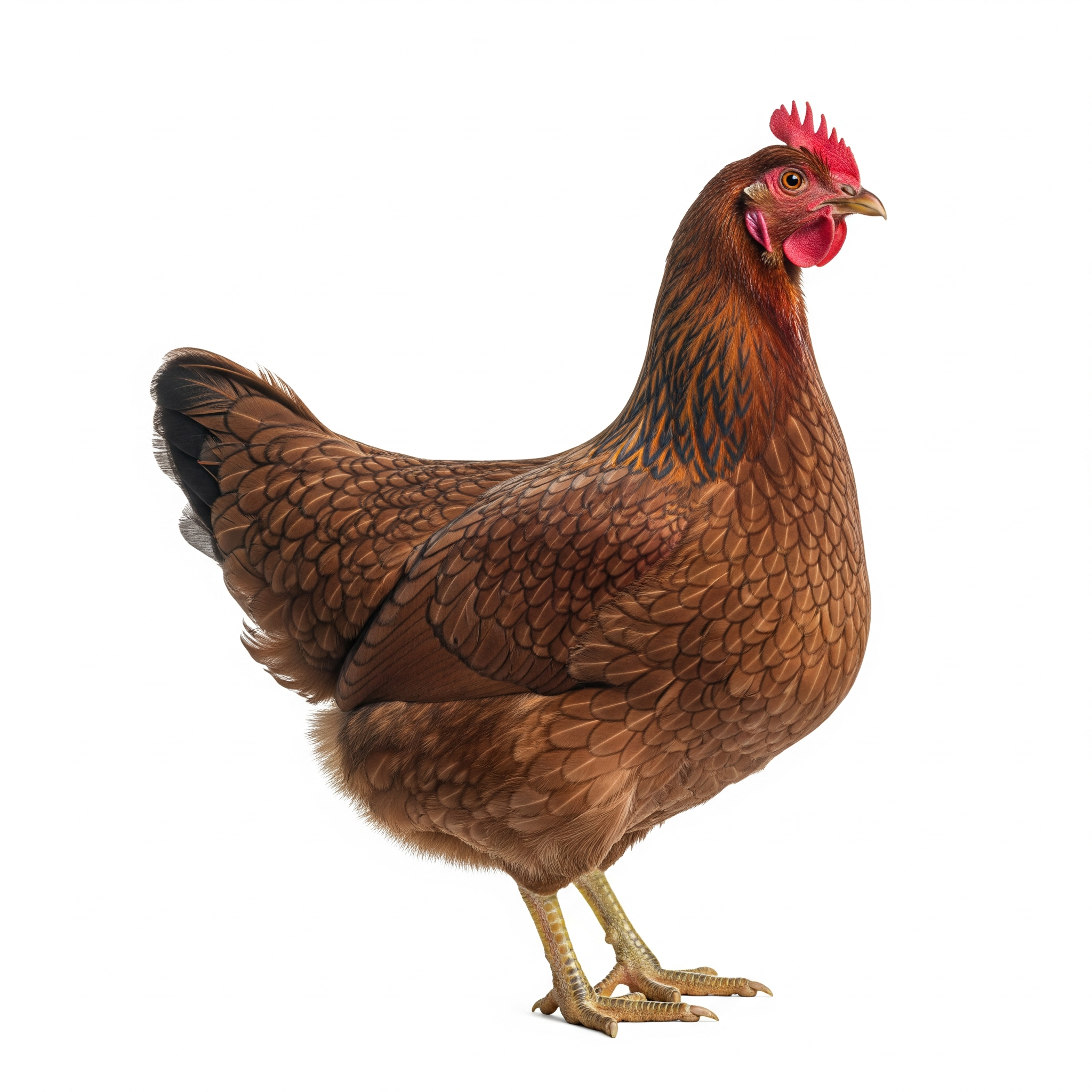
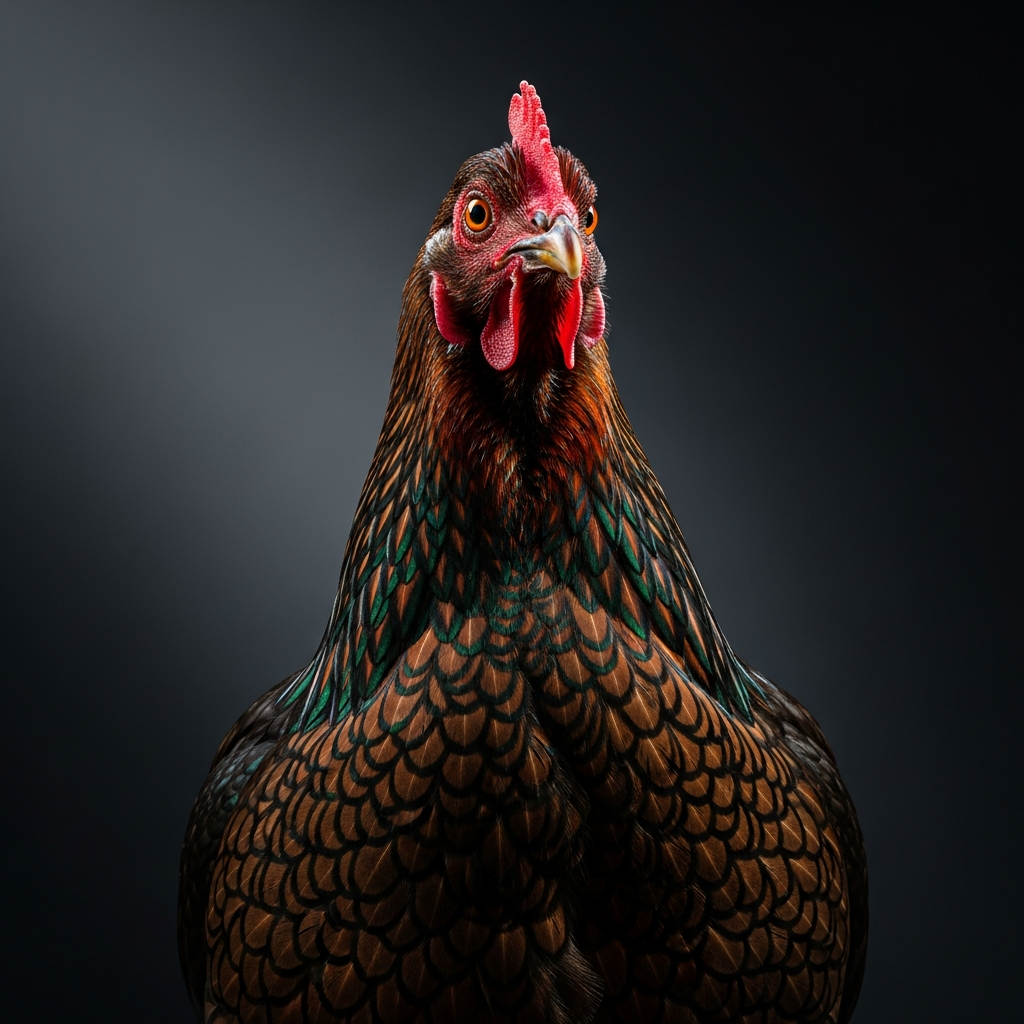
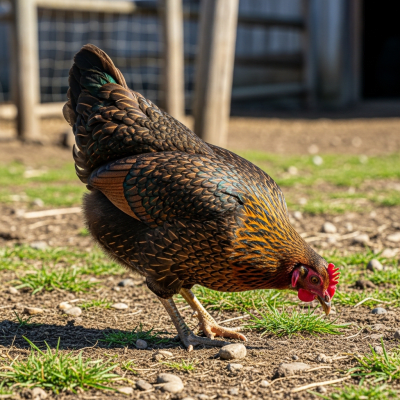
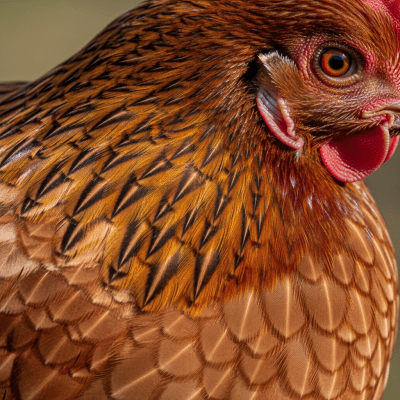
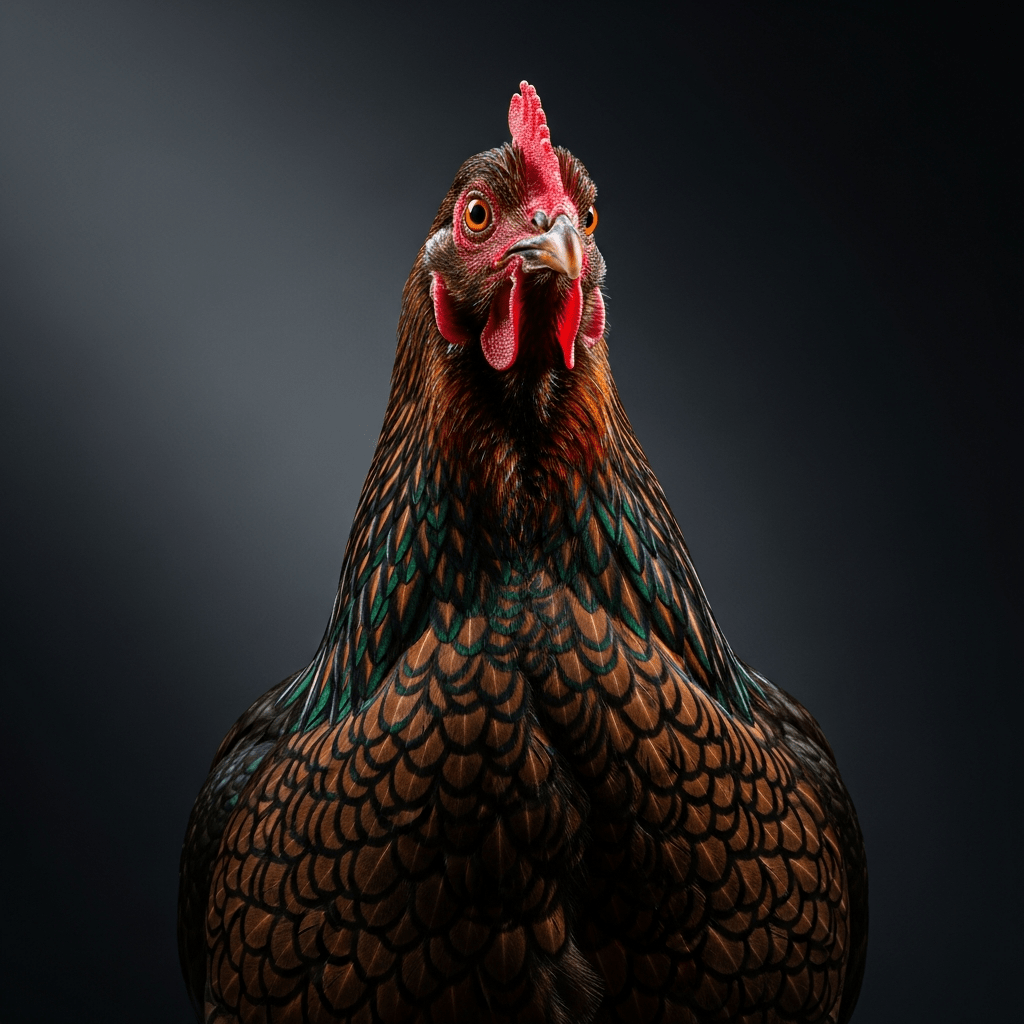
Barnevelders exhibit a broad, rectangular body with an upright stance, embodying a medium size that balances robustness and elegance. Their most iconic feature is the double-laced plumage pattern—black feathers edged with rich brown—that creates a striking visual effect. Other recognized color varieties include black, white, silver, blue-laced, and double-laced blue. They have a single comb, bright red wattles, and vivid orange eyes, all contributing to their distinctive and attractive appearance.

Behavior or Usage

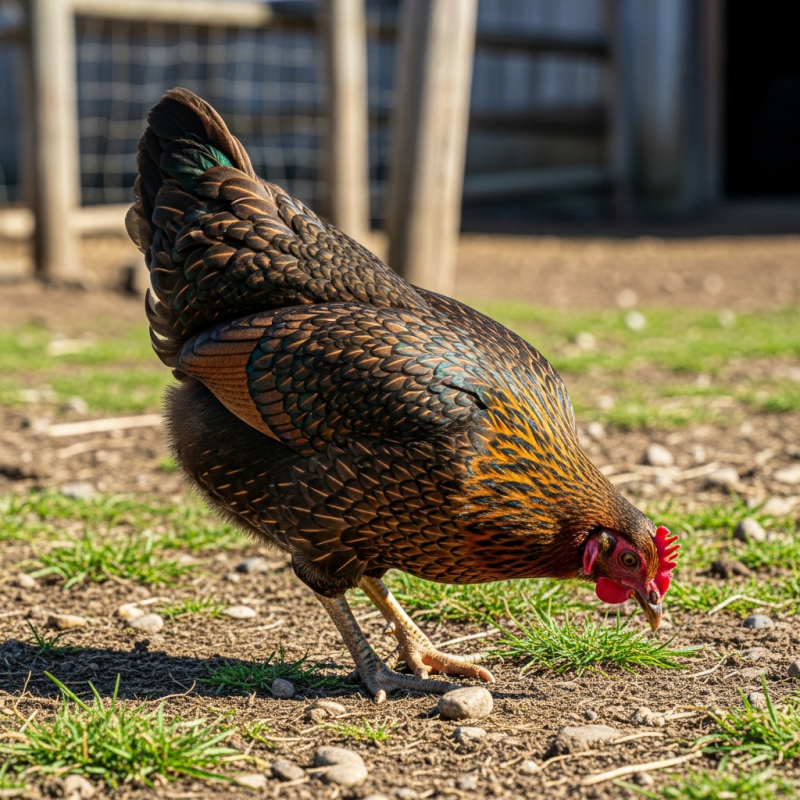
Known for a calm temperament, Barnevelders adapt well to both free-range and confined environments, making them suitable for a variety of small-scale farming systems. They are reliable layers of medium to large brown eggs, producing approximately 180 to 200 eggs annually. While not exceptional for meat yield, their moderate growth rate and dual-purpose nature make them practical for homestead use, combining utility with ornamental appeal.

Merchandise & Prints

Bring this kind into your world � illustrated posters, mugs, and shirts.

Barnevelder Barnevelder Poster

Barnevelder Poster

Archival print, museum-grade paper

Barnevelder Barnevelder Mug

Barnevelder Mug

Stoneware mug, dishwasher safe

Barnevelder Barnevelder Shirt

Barnevelder Shirt

Soft cotton tee, unisex sizes

Attributes & Insights

Taxon-Specific Insights

🌍Cultural Significance

Within Dutch agricultural heritage, the Barnevelder holds a special place as a symbol of regional breeding ingenuity and aesthetic poultry culture. Its distinctive feather pattern has made it a favorite in poultry exhibitions, especially in the Netherlands and the United Kingdom. The breed’s presence in smallholder flocks and its recognition by established poultry clubs underscore its cultural and historical value among poultry enthusiasts.

📌Notable Facts

  • The Barnevelder’s signature double-laced feather pattern is unique and highly prized among ornamental breeds.
  • It was developed through crossing local Dutch chickens with Asian breeds like Brahma and Cochin to improve both appearance and egg production.
  • Despite its ornamental qualities, it remains a practical dual-purpose bird valued for consistent brown egg laying.
  • The breed was officially recognized in the Netherlands as early as 1923, reflecting its established status.
  • Barnevelders are moderately cold-hardy and adapt well to various farming conditions, including free-range and confinement.

🐔Breeds And Varieties

The Barnevelder breed includes several recognized color varieties, with the double-laced brown and black plumage being the standard and most celebrated. Other varieties include black, white, silver, blue-laced, and double-laced blue. Regional differences in color varieties exist, and these are acknowledged in standards such as the British Poultry Standards and by the Poultry Club of Great Britain, reflecting the breed’s diversity within a consistent framework.

Visual Variations

High quality studio photograph of a single Barnevelder from the chicken taxonomy
Naturalistic image of a Barnevelder belonging to the chicken taxonomy in its typical outdoor environment
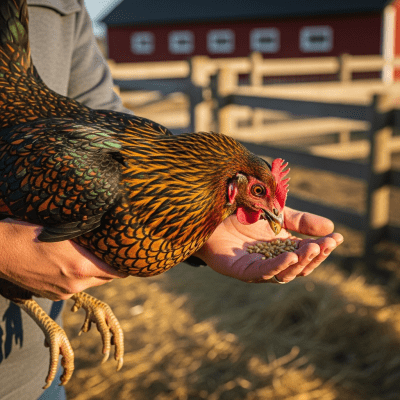
Photograph of a Barnevelder from the chicken taxonomy interacting with humans in a typical farm setting
Close-up macro photograph highlighting the feather texture and coloration of a Barnevelder from the chicken taxonomy
Image depicting eggs laid by a Barnevelder, contextualized within the chicken taxonomy

Composition & Context

Taxon-Specific Insights

🌾Farming And Care

Barnevelders thrive in a range of farming systems, including backyard, smallholder, and free-range environments. Their moderate hardiness allows them to withstand colder climates with proper shelter. They require balanced nutrition to support steady egg production and benefit from access to foraging areas, though they adapt well to confinement. Their calm nature simplifies handling and integration with other poultry breeds, making care straightforward for hobbyists and small farmers.

🍗Culinary Uses

Primarily valued for their brown eggs, Barnevelders contribute to European markets where such eggs are favored. Their meat is of average quality, suitable for home consumption but not typically used in commercial meat production. The breed’s dual-purpose nature supports small-scale, sustainable poultry keeping where both eggs and meat are utilized. Their attractive appearance also makes them popular in exhibition rather than large-scale culinary contexts.

🛡️Conservation Status

The Barnevelder is not currently listed as endangered and maintains a stable presence among poultry enthusiasts and small farmers, particularly in the Netherlands and the UK. Conservation efforts focus on preserving its distinctive plumage and genetic heritage through breed clubs and standards organizations. While not at risk, ongoing stewardship ensures the breed’s continued vitality and cultural significance.

Faq

Q: What is the primary use of Barnevelder chickens?
A: They are dual-purpose birds, valued for both their brown egg production and ornamental feather patterns.

Q: How many eggs does a Barnevelder hen typically lay per year?
A: They lay approximately 180 to 200 medium to large brown eggs annually.

Q: Are Barnevelders suitable for backyard flocks?
A: Yes, their calm temperament and adaptability make them excellent for backyard and smallholder setups.