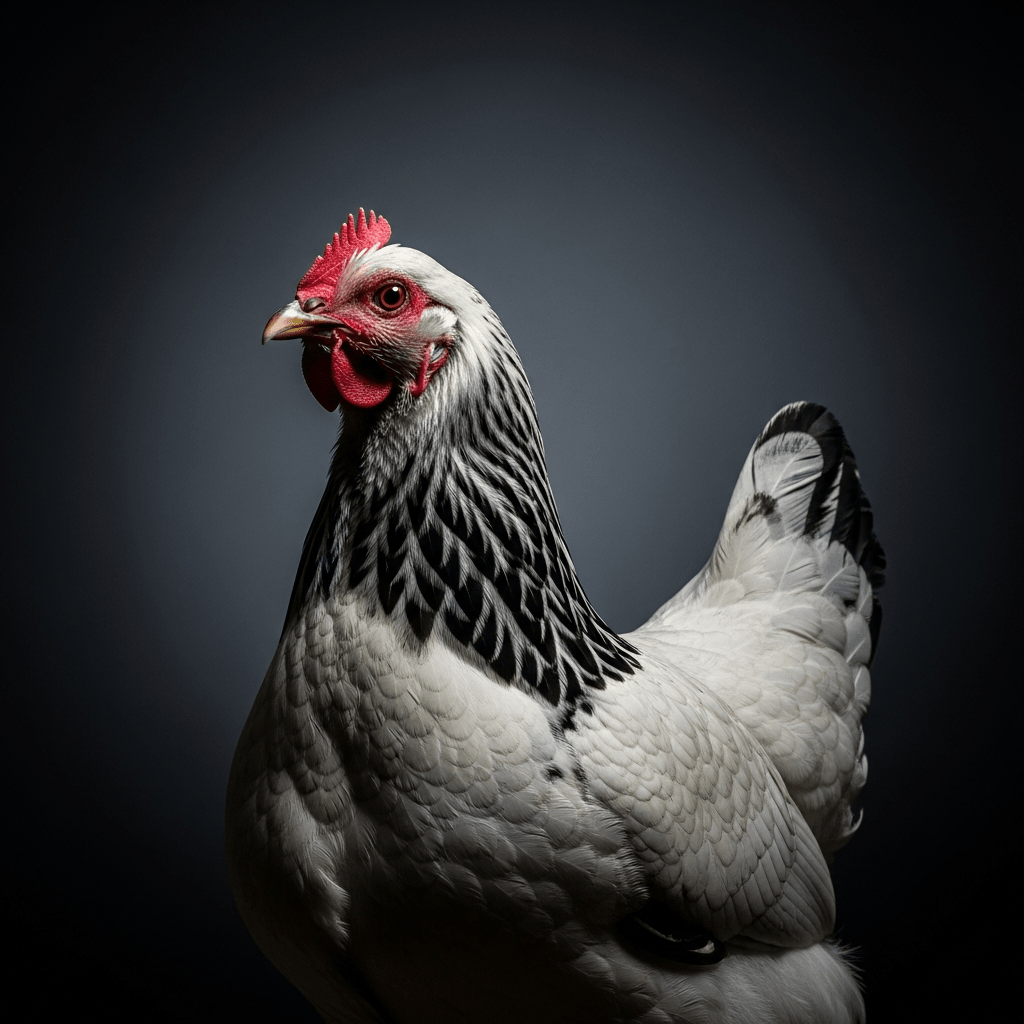
Sussex
The Sussex is a classic British dual-purpose chicken breed prized for its adaptability, productivity, and distinctive color varieties, making it a favored choice for both meat and egg production.
The Sussex is a classic British dual-purpose chicken breed prized for its adaptability, productivity, and distinctive color varieties, making it a favored choice for both meat and egg production.
Originating in the county of Sussex, England, during the early 19th century, the Sussex breed was developed through a regional effort combining local Old Sussex and Kentish fowl with possible influences from imported breeds like Cochins and Dorkings. It gained formal recognition in 1902 by the Poultry Club of Great Britain, reflecting its established presence in British poultry heritage.
Classified within the domestic chicken species Gallus gallus domesticus, the Sussex is recognized as a medium to large dual-purpose breed. It fits into the broader family of British heritage chickens, valued for both egg laying and meat production, and is acknowledged by major poultry authorities including the Poultry Club of Great Britain and the American Poultry Association.
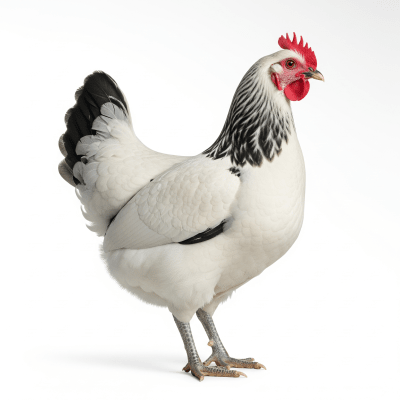
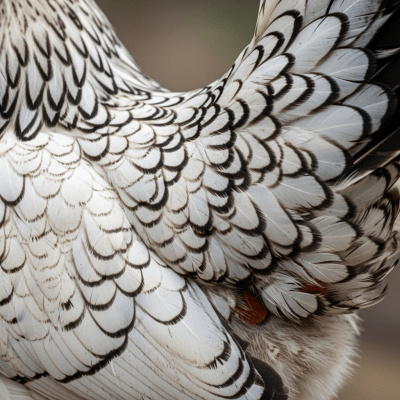
Sussex chickens exhibit a rectangular body shape with a broad back and a full, deep breast. Males typically weigh around 4.1 kg and females about 3.2 kg. They have a single upright comb, red earlobes, and white skin and legs. Their plumage comes in several recognized varieties including Light, Red, Speckled, White, Buff, Silver, and Coronation, each showcasing distinct and striking feather patterns.
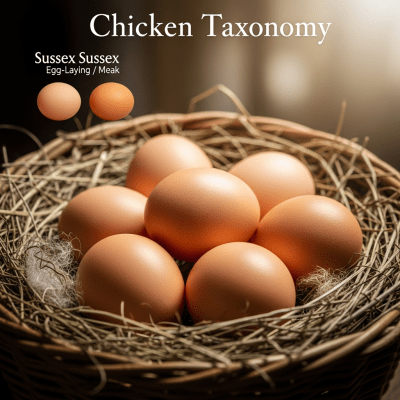
Known for their docile temperament and good foraging ability, Sussex chickens adapt well to various climates and are moderately hardy. They are prolific layers, producing between 220 and 260 large tinted eggs annually. Their moderate growth rate allows them to reach market weight within 16 to 20 weeks, supporting their role as a reliable dual-purpose breed for both smallholders and niche commercial producers.
Bring this kind into your world illustrated posters, mugs, and shirts.
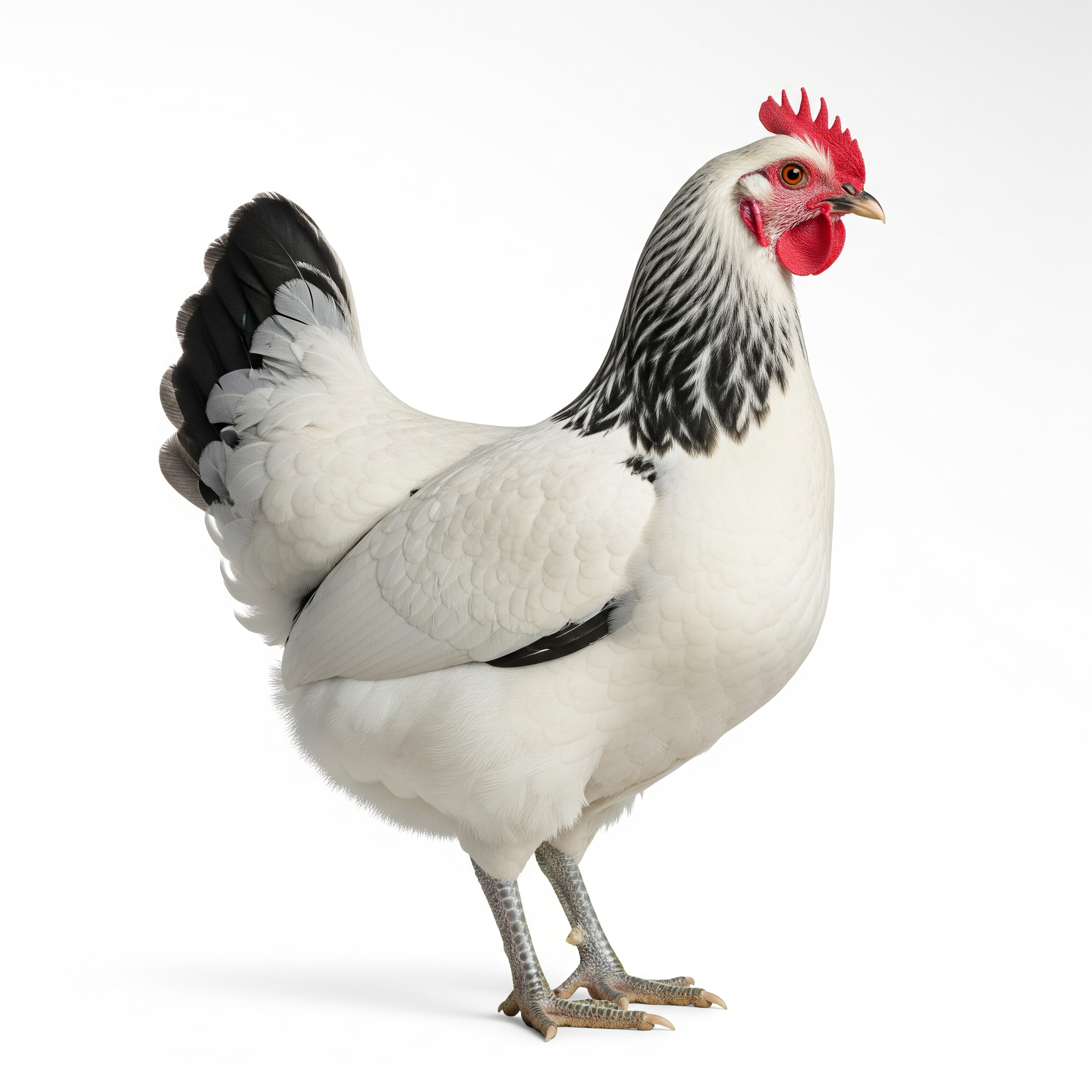
Archival print, museum-grade paper
Buy Poster
Stoneware mug, dishwasher safe
Buy Mug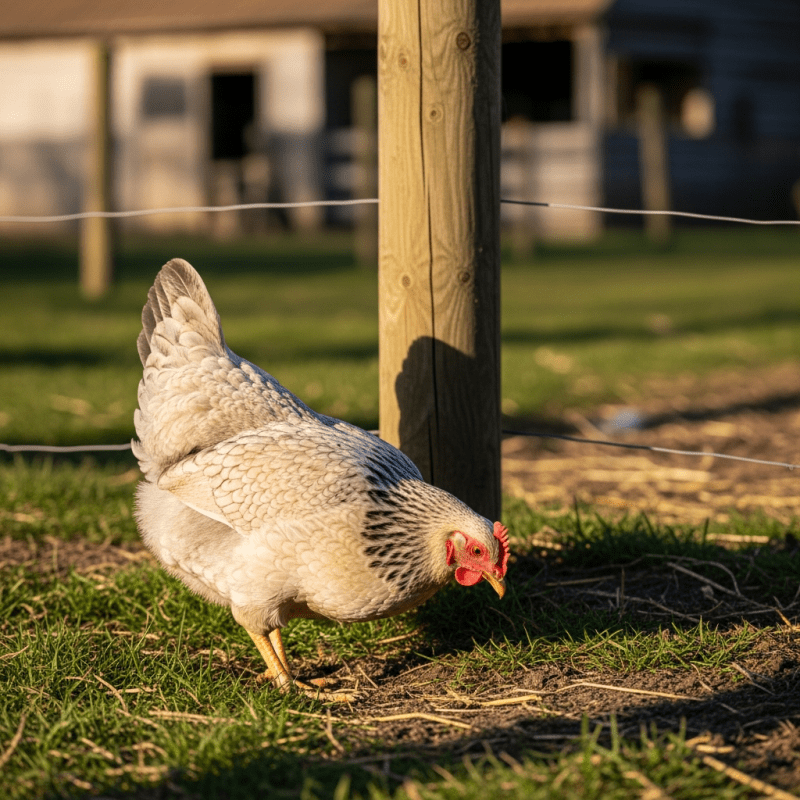
Soft cotton tee, unisex sizes
Buy ShirtThe Sussex breed holds a notable place in British rural traditions and poultry history, celebrated for its heritage status and versatility. Its presence in exhibitions highlights its ornamental appeal, especially in varieties like Speckled and Coronation Sussex, which are admired for their distinctive plumage and contribution to the cultural fabric of British poultry keeping.
The Sussex breed includes several well-known color varieties, each recognized as distinct within the breed standard. These include Light Sussex, Red Sussex, Speckled Sussex, Buff Sussex, White Sussex, Silver Sussex, and Coronation Sussex. While these varieties share core physical traits, their plumage colors and patterns differentiate them, and minor standard variations exist between regions such as Australia and North America.
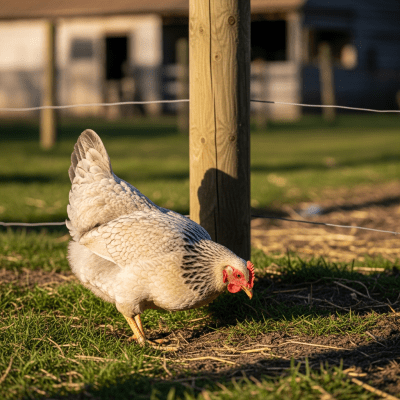
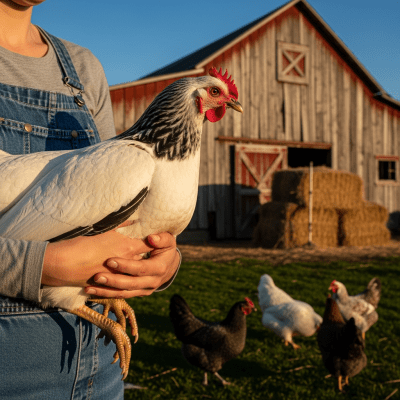
Sussex chickens thrive under a range of farming systems including smallholder setups, commercial niche operations, and heritage breed markets. Their adaptability to various climates and good foraging skills reduce feed costs and support free-range management. Care involves providing adequate shelter, balanced nutrition, and routine health checks to maintain their moderate disease resistance and ensure consistent egg production and growth.
Renowned for tender and flavorful flesh, Sussex chickens have historically been favored as table birds in England. Their eggs, large and tinted, are popular for household consumption and small-scale commercial sale. The breed’s dual-purpose nature allows it to fulfill both meat and egg roles effectively, making it a versatile choice in culinary and market contexts, especially within heritage and niche food sectors.
While not currently classified as endangered, the Sussex breed is maintained through heritage and niche market efforts that support its conservation. Its continued popularity among smallholders and exhibition breeders helps preserve genetic diversity and traditional poultry husbandry practices, ensuring the breed’s ongoing vitality in modern agriculture.