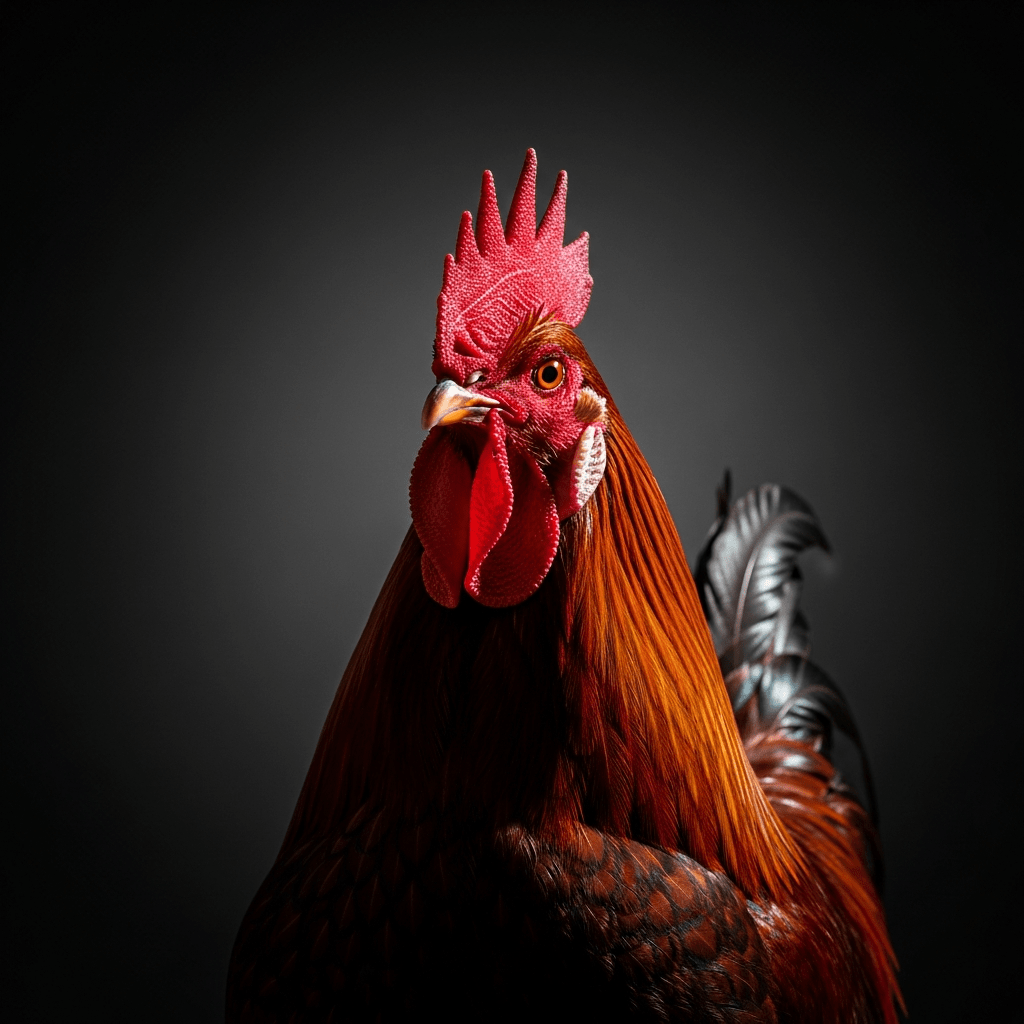
Rhode Island Red
The Rhode Island Red is a renowned American chicken breed prized for its dual-purpose use in both egg and meat production, distinguished by its deep mahogany plumage and robust build.
The Rhode Island Red is a renowned American chicken breed prized for its dual-purpose use in both egg and meat production, distinguished by its deep mahogany plumage and robust build.
Developed in the late 19th century in Rhode Island and Massachusetts, United States, the Rhode Island Red emerged from crosses of Malay, Brown Leghorn, Cochin, and possibly Shanghai and Java chickens. Key breeders such as Isaac Champlin Wilbour, William Tripp, and John Macomber refined the breed, which gained formal recognition by the American Poultry Association in 1904 and 1925.
As a medium to large-sized breed within the domestic chicken species Gallus gallus domesticus, the Rhode Island Red is classified as a dual-purpose breed, valued for both egg laying and meat production. It is recognized by major poultry authorities including the American Poultry Association and British Poultry Standards.
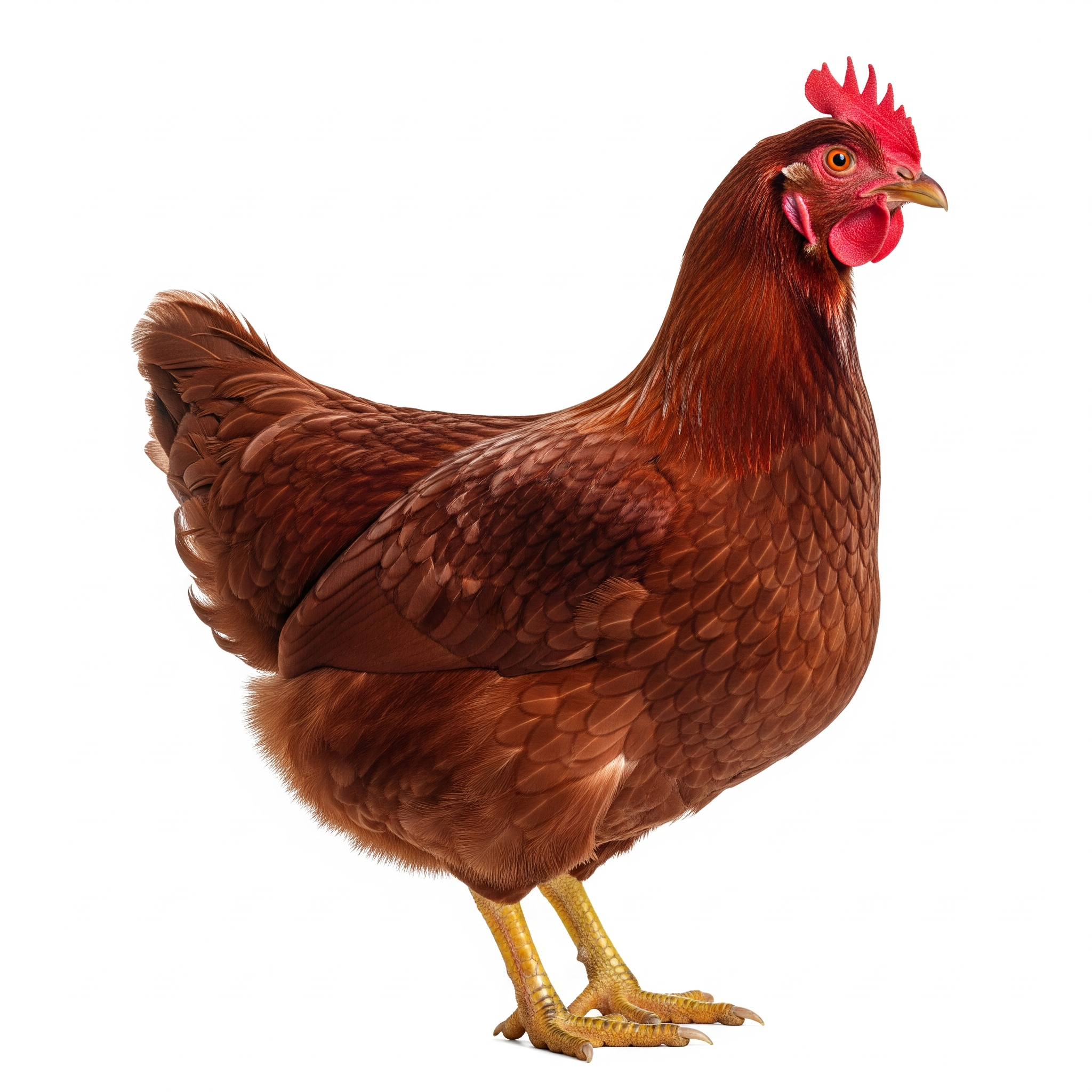
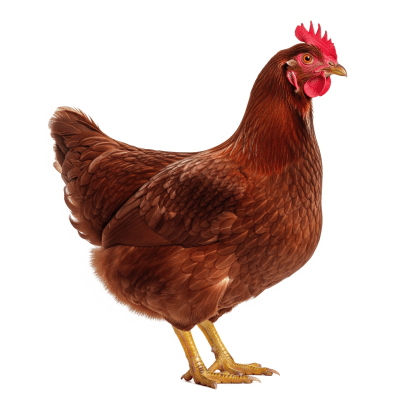
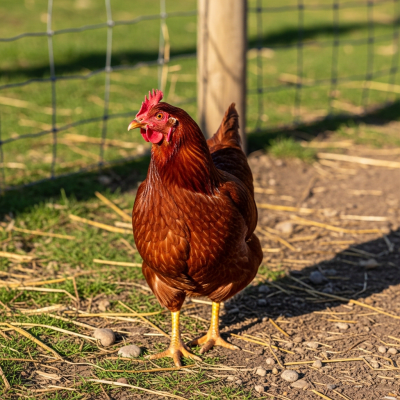
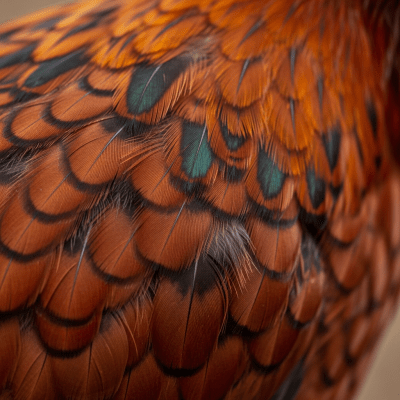
Rhode Island Reds have a sturdy, rectangular body with rich dark red to deep mahogany plumage. Males typically weigh around 3.9 kg and females about 2.9 kg. They feature either single or rose combs, yellow legs, and distinctive reddish-bay eyes, presenting a robust and striking appearance.
This breed is known for its hardiness and adaptability to diverse climates, showing resistance to common poultry diseases. Rhode Island Reds are prolific layers, producing 200 to 300 large brown eggs annually. Their temperament is generally docile yet active, though males can occasionally display aggression. Suitable for backyard, small farm, and commercial settings, they offer good feed conversion and moderate growth rates.
Bring this kind into your world illustrated posters, mugs, and shirts.
Archival print, museum-grade paper
Buy Poster
Stoneware mug, dishwasher safe
Buy Mug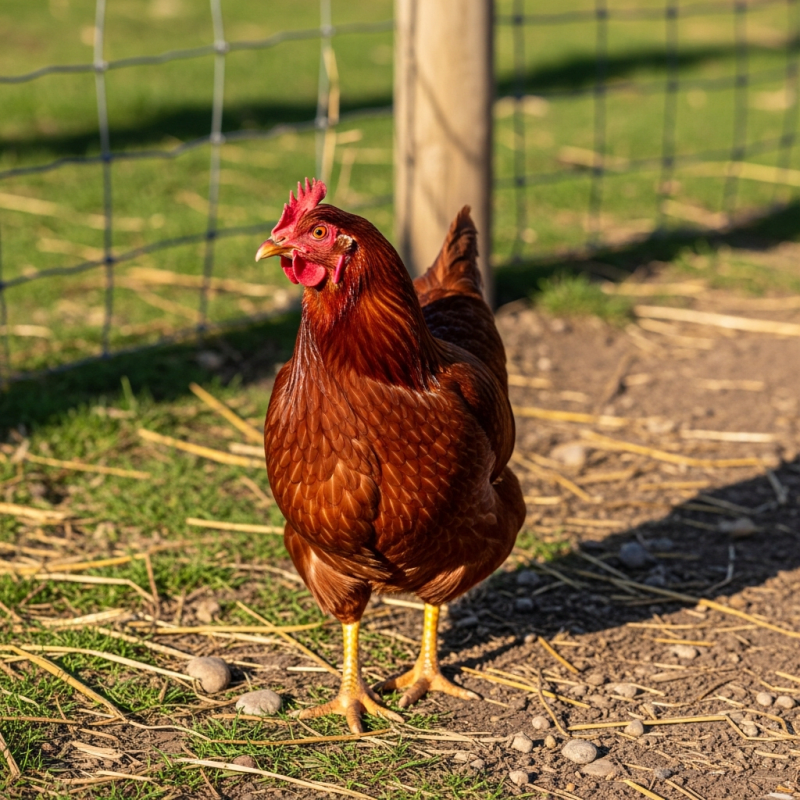
Soft cotton tee, unisex sizes
Buy ShirtThe Rhode Island Red holds a prominent place in American agricultural heritage and poultry exhibitions, admired for its distinctive plumage and versatility. It has also played a significant role in shaping modern commercial hybrid layers and broilers, symbolizing both tradition and innovation in poultry farming.
The Rhode Island Red breed includes two main recognized varieties distinguished by comb type: the single comb, which is more common, and the rose comb variety, which is less widespread. While no significant regional variants exist, selective breeding has produced strains differing slightly in productivity and appearance.


Rhode Island Reds thrive under a range of farming systems including backyard, small-scale, and commercial operations. They require standard poultry care with attention to space to reduce stress and prevent feather picking. Their hardiness makes them suitable for various climates, and they benefit from balanced nutrition to support their moderate growth and prolific egg-laying.
Valued for both eggs and meat, Rhode Island Reds produce large brown eggs favored for their shell strength and consistency. Their meat is flavorful and moderately tender, making it ideal for roasting, stewing, and other traditional preparations. The breed's dual-purpose nature makes it a staple in American small farms and backyard flocks.
Rhode Island Reds are widely established and not currently at risk, benefiting from broad recognition and continued use in both commercial and small-scale farming. Conservation efforts focus on maintaining breed standards and genetic diversity, especially through heritage poultry organizations and poultry clubs.