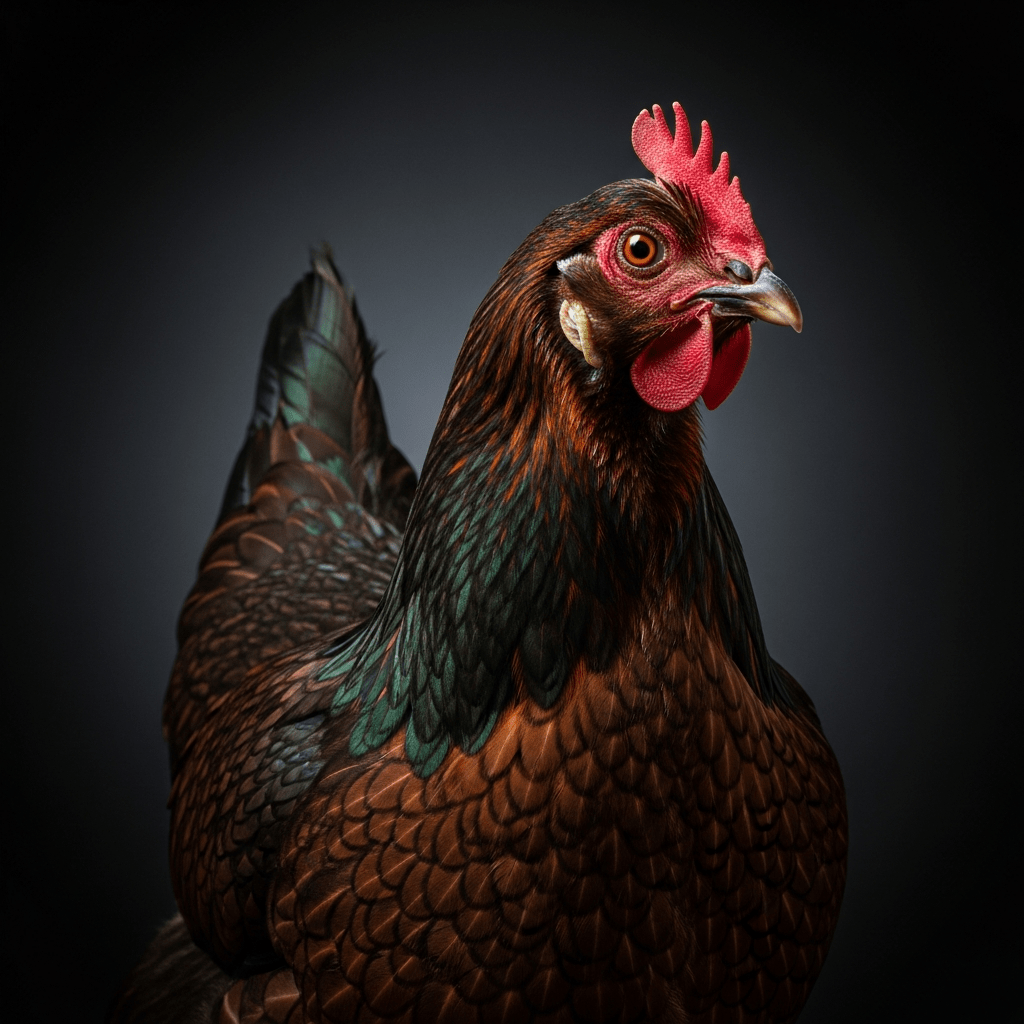
Marans
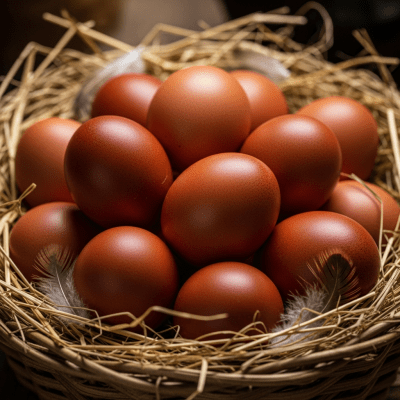
The Marans is a distinguished French chicken breed celebrated for its strikingly dark chocolate brown eggs and valued as a versatile dual-purpose bird prized for both meat and egg production.
The Marans is a distinguished French chicken breed celebrated for its strikingly dark chocolate brown eggs and valued as a versatile dual-purpose bird prized for both meat and egg production.
Originating in the late 19th to early 20th century in Marans, Charente-Maritime, France, the Marans breed was developed through crossing local French chickens with imported breeds such as the Croad Langshan, Faverolles, and possibly Barred Plymouth Rock. This collaborative effort among local farmers and enthusiasts aimed to enhance both egg color and meat quality, leading to formal recognition by French poultry authorities in the 1920s and later by British and American standards.
Marans belongs to the domestic chicken species Gallus gallus domesticus and is classified as a medium to large dual-purpose breed, combining qualities suitable for both egg laying and meat production. It is recognized by major poultry authorities including the French, British, and American poultry standards, fitting within the broader taxonomy of heritage and utility chicken breeds.
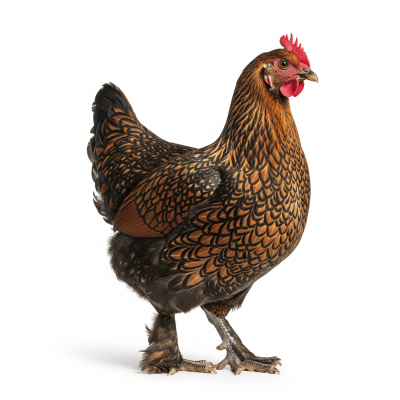
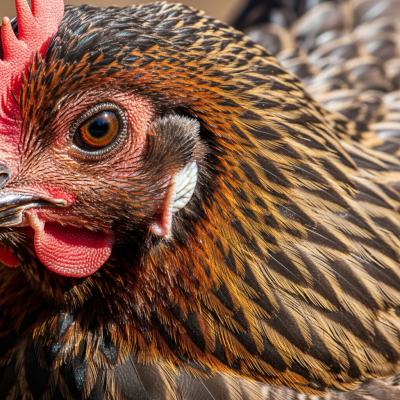
Marans chickens exhibit a robust, rectangular body shape with a single comb. They come in several plumage varieties including Black, Cuckoo, Wheaten, White, Blue, and the renowned Copper Black. Adult males typically weigh around 3.75 kg, females about 2.75 kg. Leg feathering varies by region: French standards require feathered legs, while British and American standards allow both feathered and clean-legged birds, adding to their distinctive appearance.
Known for a generally docile yet sometimes reserved temperament, Marans chickens are hardy and adaptable, thriving in both free-range and confined environments. They grow moderately fast and hens lay between 150 and 200 eggs annually. The breed occasionally exhibits broodiness and is resilient to cold and wet climates, making it suitable for diverse farming conditions.
Bring this kind into your world illustrated posters, mugs, and shirts.
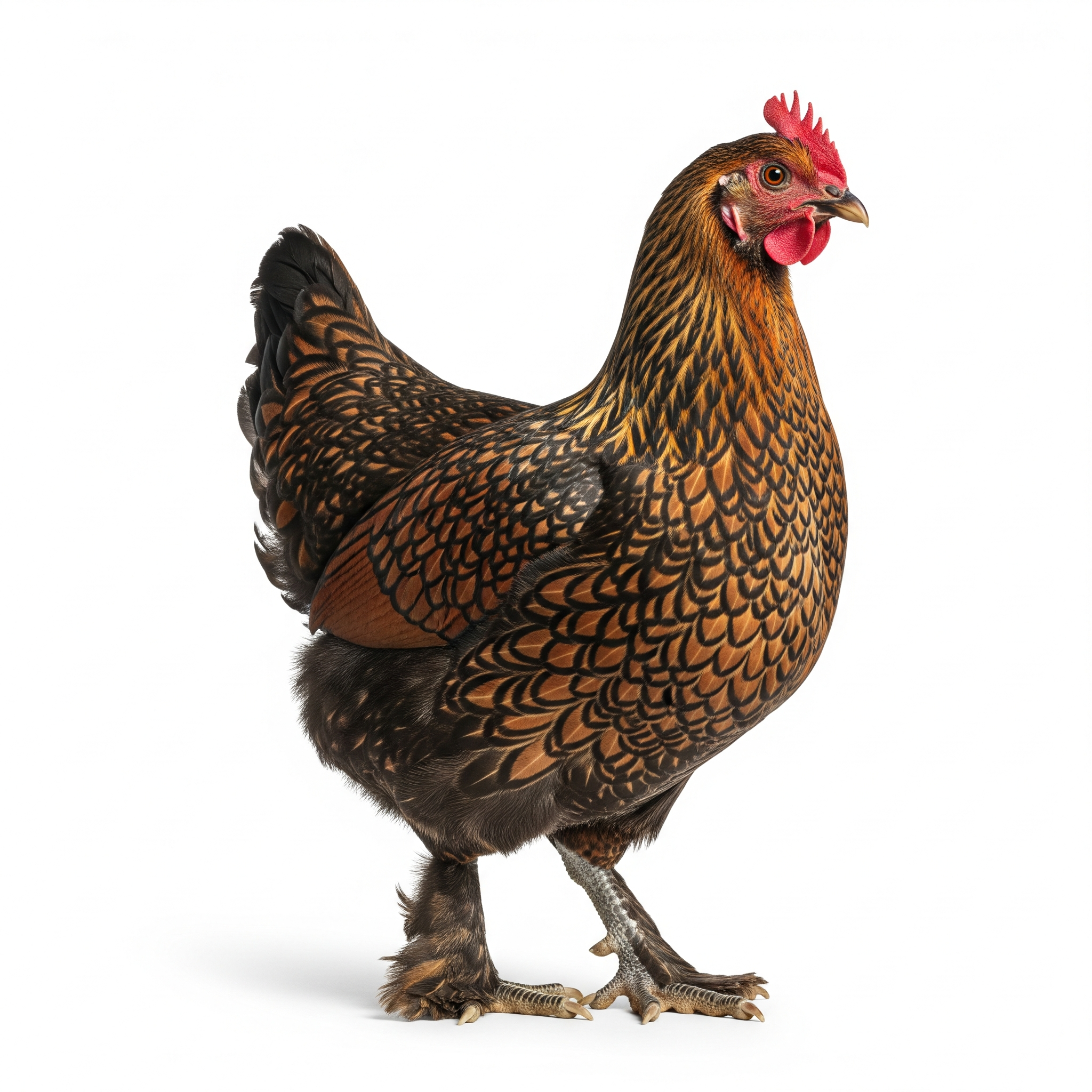
Archival print, museum-grade paper
Buy Poster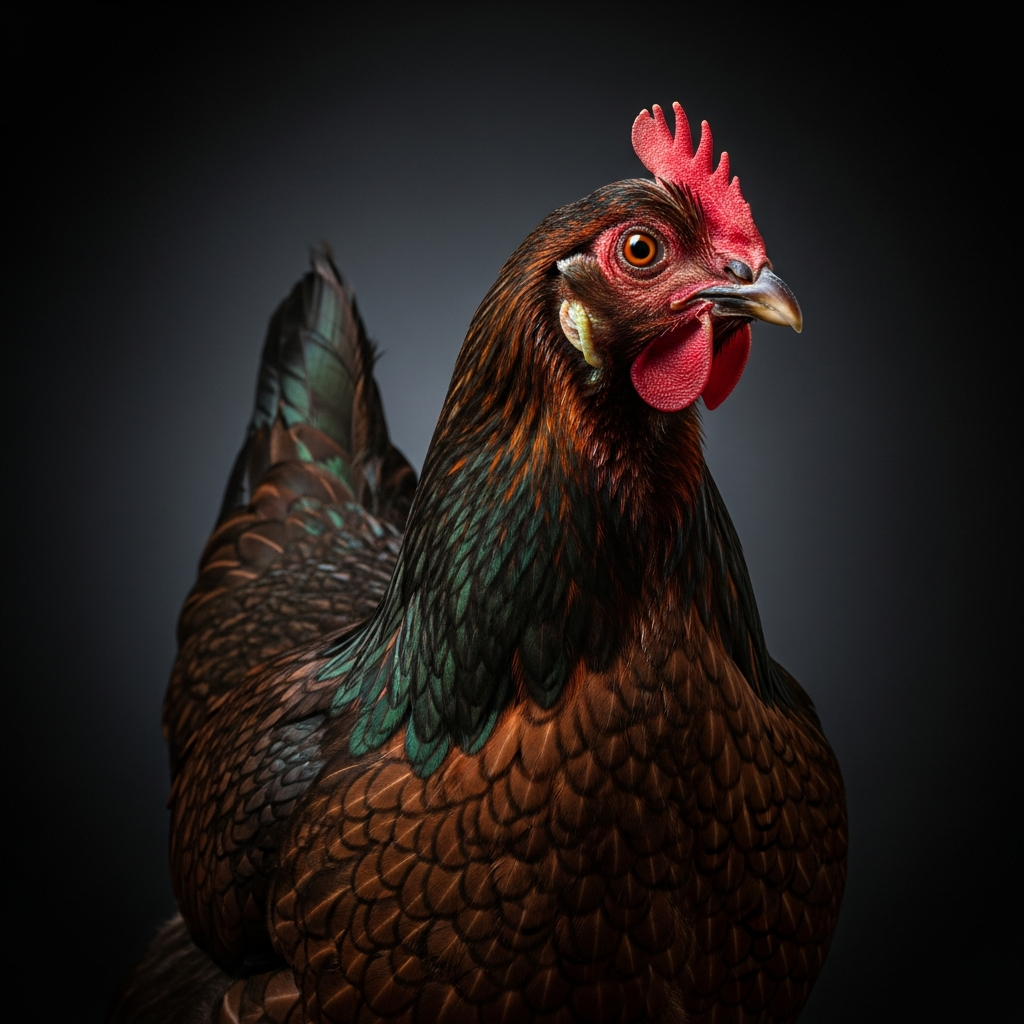
Stoneware mug, dishwasher safe
Buy Mug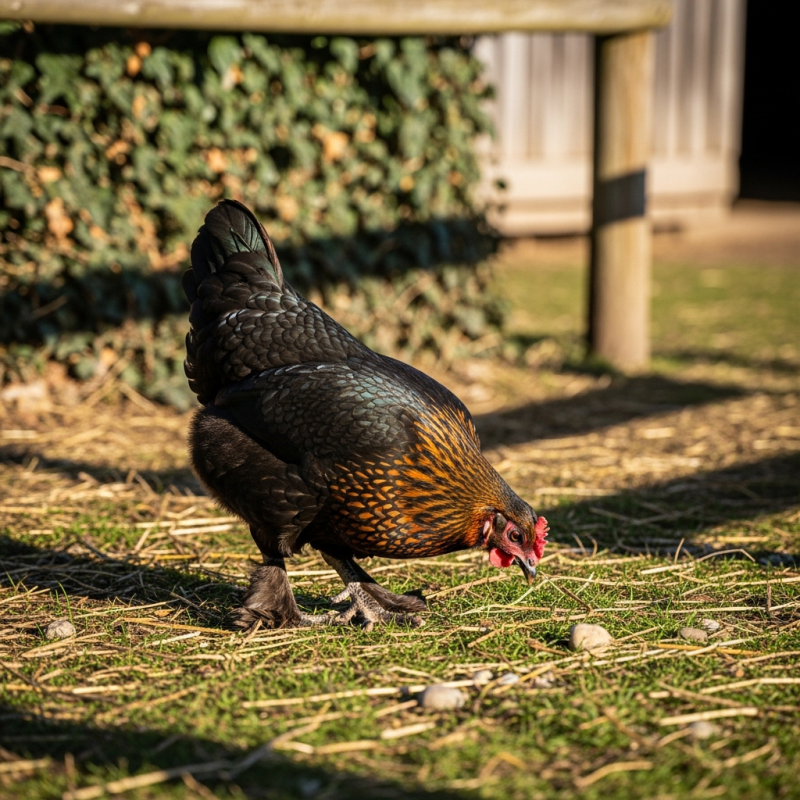
Soft cotton tee, unisex sizes
Buy ShirtMarans chickens hold a special place in poultry exhibitions, particularly in Europe and the UK, where their unique plumage and exceptionally dark eggs are highly prized. Their eggs have become a symbol of gourmet quality, often sought after by chefs and specialty markets, reflecting the breed’s cultural and culinary prestige beyond its agricultural value.
The Marans breed includes several recognized plumage varieties such as Black, Cuckoo, Wheaten, White, Blue, and Copper Black, the latter being the most famous. Regional differences influence leg feathering, with French Marans always feather-legged, while British and American varieties may be either feathered or clean-legged. These variations reflect both aesthetic preferences and breed standards across countries.
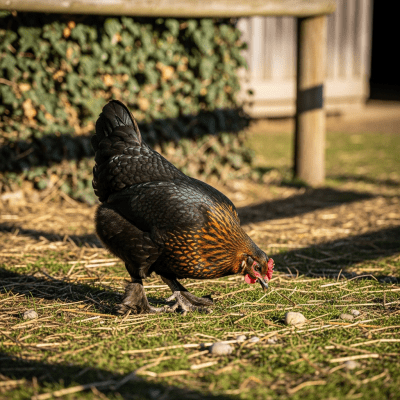
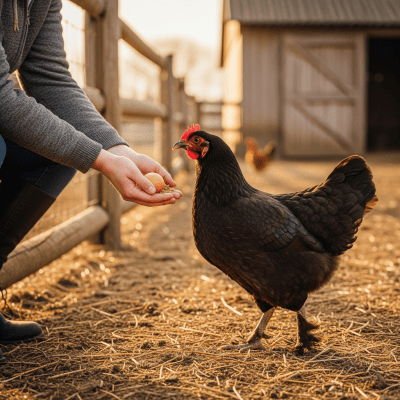
Marans chickens thrive under diverse farming systems including free-range, confined, and small-scale heritage setups. They require standard poultry care with attention to their occasional broodiness and variable egg color intensity. Their hardiness makes them resilient in colder, wetter climates, and they benefit from balanced nutrition to support their dual-purpose productivity.
Marans are prized in gourmet markets for their rich, dark brown eggs, which are favored for baking and culinary presentation. Their meat is flavorful with a firm texture, making them suitable for heritage poultry production and small-scale meat supply. This dual-purpose utility enhances their appeal among specialty farmers and chefs alike.
While not currently endangered, Marans are considered a heritage breed with ongoing interest in preserving their distinct traits. Conservation efforts focus on maintaining breed purity and regional varieties, especially amid the rise of commercial hybrids that may not meet traditional standards. Their recognized status by major poultry organizations supports continued stewardship.