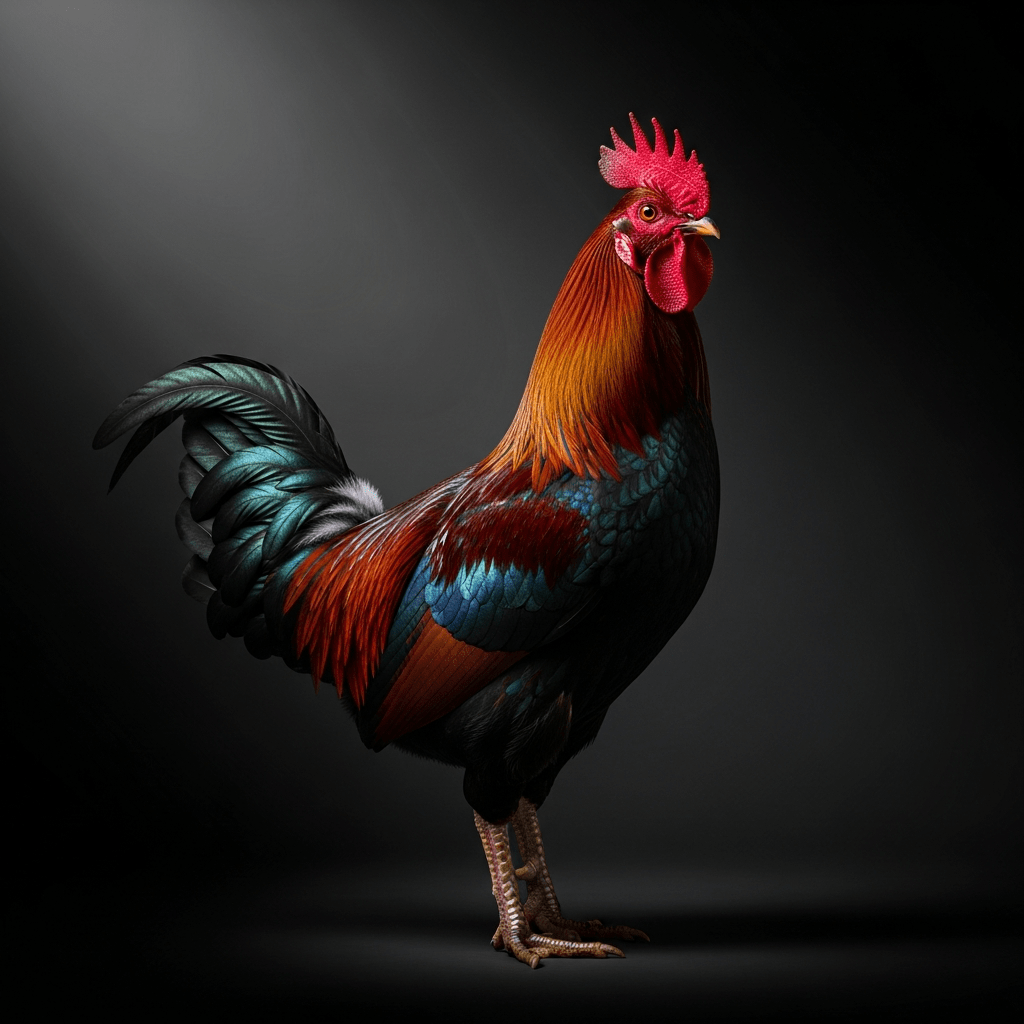
Old English Game
The Old English Game is a historic British chicken breed celebrated for its upright posture, vibrant plumage, and spirited temperament, primarily kept for exhibition and ornamental purposes.
The Old English Game is a historic British chicken breed celebrated for its upright posture, vibrant plumage, and spirited temperament, primarily kept for exhibition and ornamental purposes.
Originating in England before the 19th century, the Old English Game descends from native British gamefowl bred for cockfighting, a practice outlawed in 1849. Its development involved selective breeding across various local lines, culminating in a standardized breed recognized by the Poultry Club of Great Britain and the American Poultry Association in the late 19th and early 20th centuries.
Classified within the domestic chicken species, the Old English Game belongs to the group of traditional British game breeds. It is distinct from the later-developed Modern Game breed and is recognized in both standard and bantam forms, fitting the ornamental and exhibition categories of poultry classification.
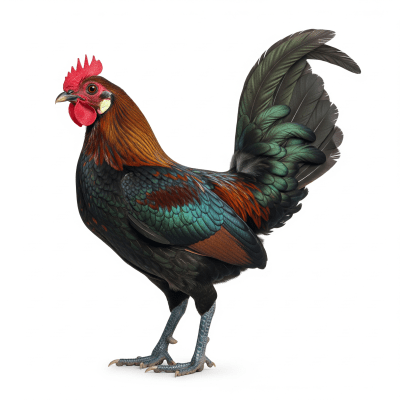
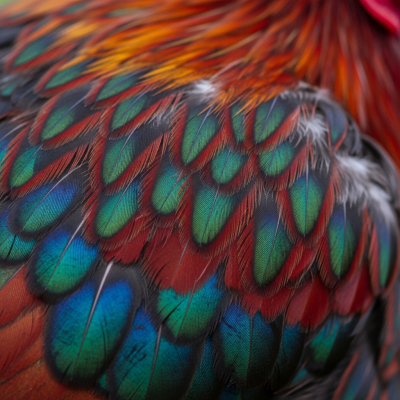
This breed is small to medium in size, with males weighing around 2.5 kg and females about 2.05 kg. It features a muscular, upright carriage and tight, hard, glossy feathers available in over 30 color varieties, including black, brown-red, spangled, and duckwing. The comb is typically single but rose combs are also accepted, while legs range from slate blue to white depending on the variety.
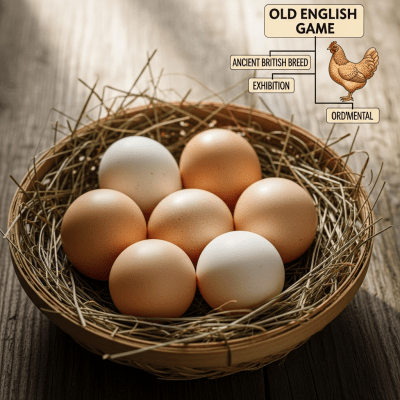
Known for its alertness and agility, the Old English Game exhibits a spirited and sometimes aggressive temperament, especially among males. While originally bred for cockfighting, today it is primarily maintained for exhibition and ornamental use. The breed grows at a moderate rate and lays a modest number of small white or tinted eggs annually, reflecting its limited role in commercial production.
Bring this kind into your world illustrated posters, mugs, and shirts.
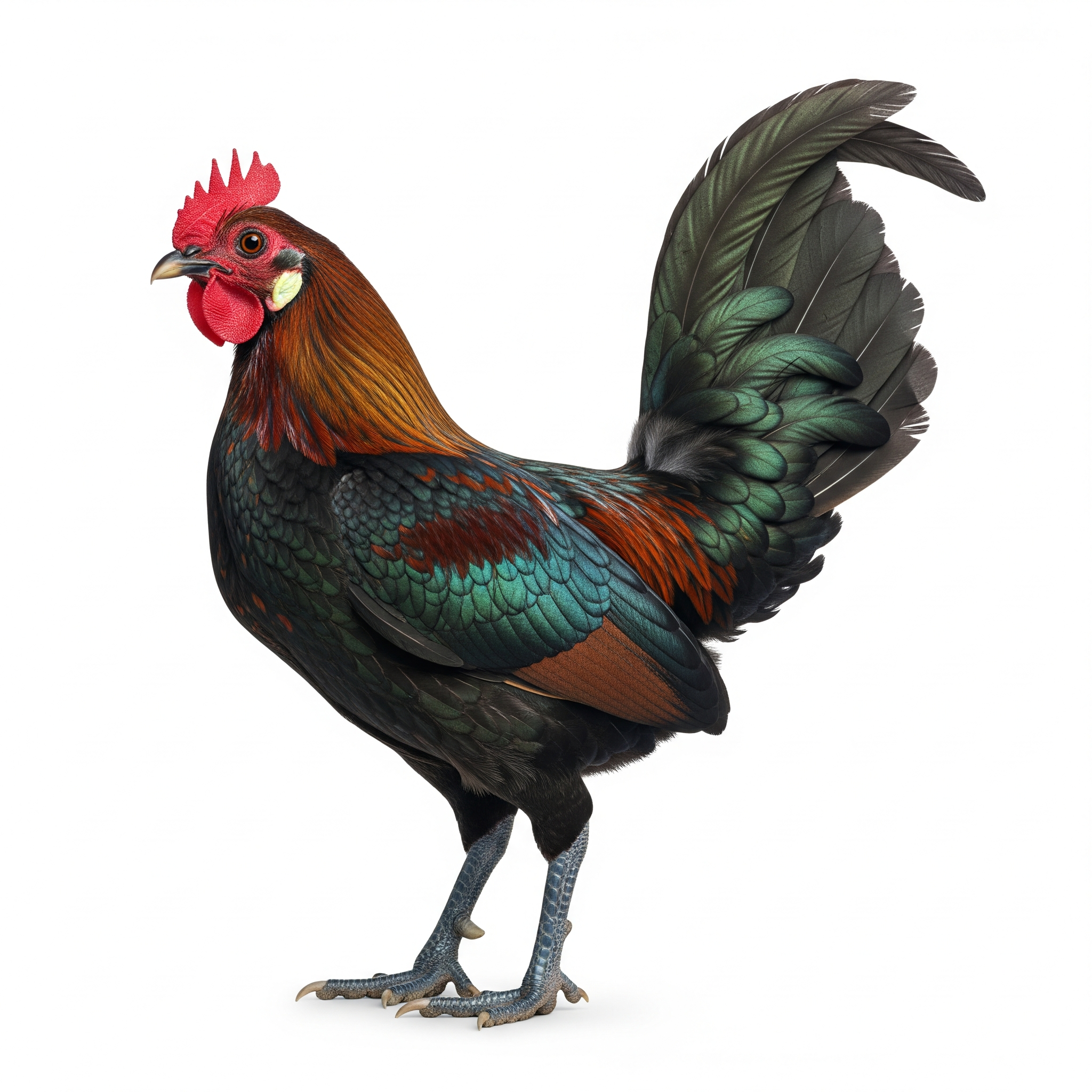
Archival print, museum-grade paper
Buy Poster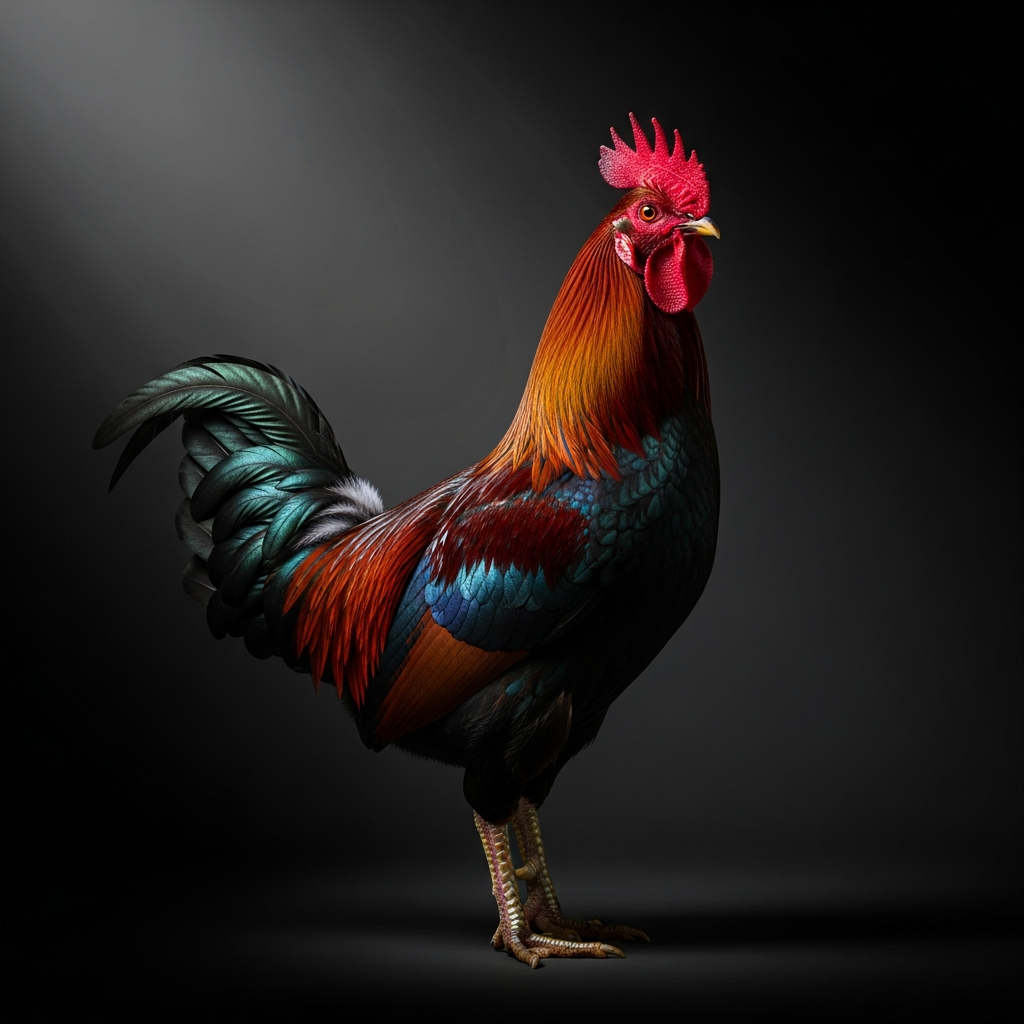
Stoneware mug, dishwasher safe
Buy Mug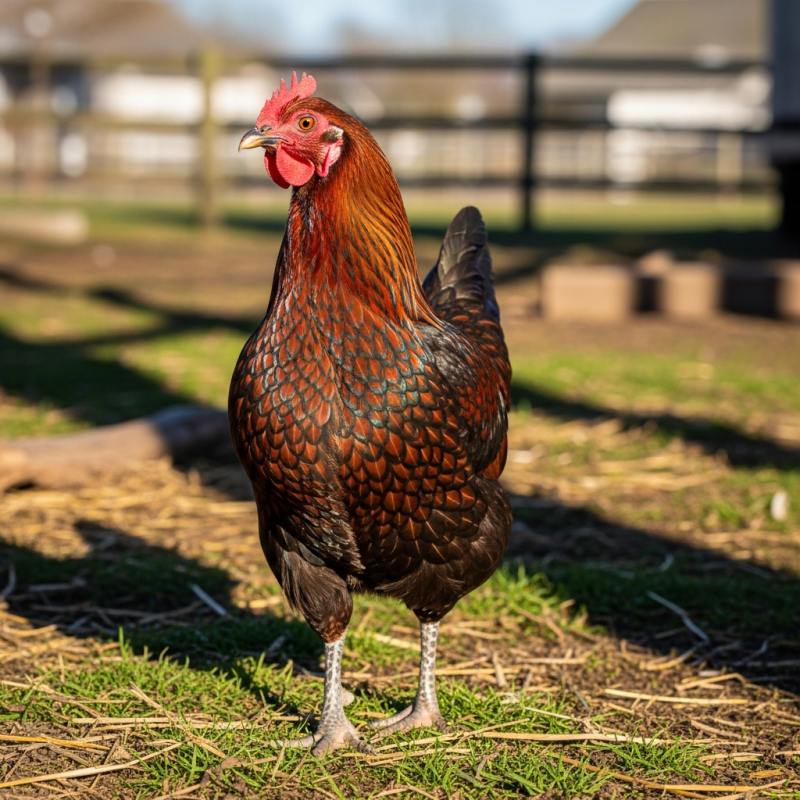
Soft cotton tee, unisex sizes
Buy ShirtThe Old English Game holds a significant place in British heritage as a symbol of traditional gamefowl breeding. Its legacy is tied to historical cockfighting culture, now transformed into a focus on preservation and exhibition. The breed’s distinctive appearance and spirited nature have made it a favored subject in poultry shows and a living link to England’s rural past.
The Old English Game includes both standard and bantam sizes, recognized internationally in countries like the UK, Australia, and the US. Regional varieties such as the Carlisle and Oxford types differ slightly in shape and carriage, reflecting localized breeding preferences. This diversity contributes to the breed’s rich exhibition appeal.
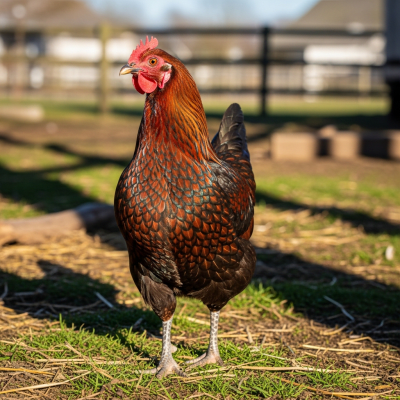
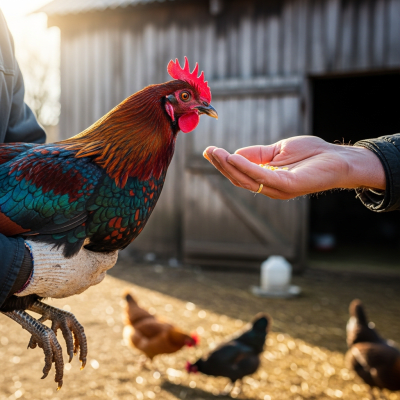
Raising Old English Game chickens requires attention to their spirited nature, particularly among males, which can be aggressive. They are hardy and adaptable birds, suited to free-range or backyard environments where their agility and alertness can be accommodated. Due to their ornamental focus, careful management ensures their plumage remains in show condition.
Though not commonly raised for commercial meat, the Old English Game offers flavorful meat with a firm, muscular texture. Its small size limits yield, making it less practical for large-scale production but valued by enthusiasts for specialty culinary uses. Egg production is low, with small white or tinted eggs laid sporadically.
The Old English Game is maintained primarily by dedicated breeders and poultry enthusiasts focused on preservation. While not currently listed as endangered, its niche status and limited commercial use underscore the importance of ongoing conservation efforts to sustain its genetic heritage and diverse color varieties.