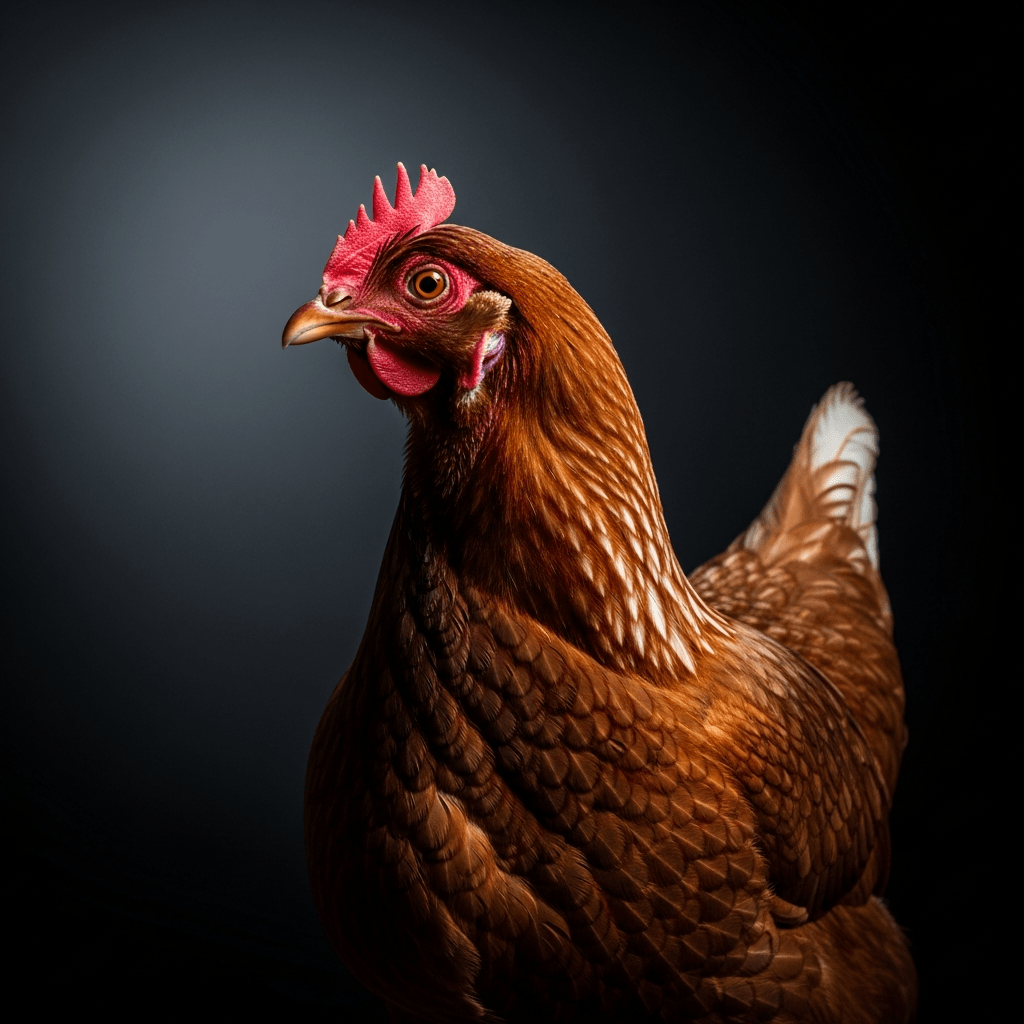
ISA Brown
The ISA Brown is a medium-sized commercial hybrid chicken renowned worldwide for its prolific egg-laying ability and adaptability to intensive production systems.
The ISA Brown is a medium-sized commercial hybrid chicken renowned worldwide for its prolific egg-laying ability and adaptability to intensive production systems.
Developed in France during the late 1970s by the Institut de Sélection Animale (ISA), now part of Hendrix Genetics, the ISA Brown is a proprietary hybrid created through complex crosses involving Rhode Island Red, White Leghorn, and other undisclosed breeds. Released around 1978, it was designed specifically for high egg productivity in commercial settings.
The ISA Brown is classified as a commercial hybrid within the domestic chicken species Gallus gallus domesticus. Unlike traditional breeds, it is a composite crossbreed developed for optimal egg production rather than purebred lineage, placing it in the functional category of high-performance layer chickens.
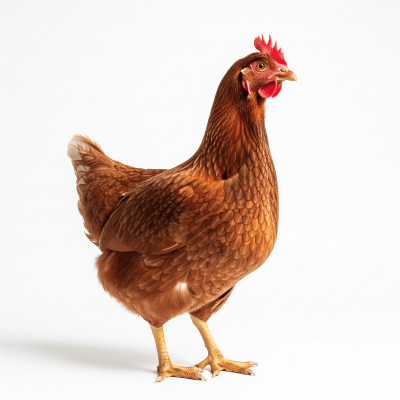
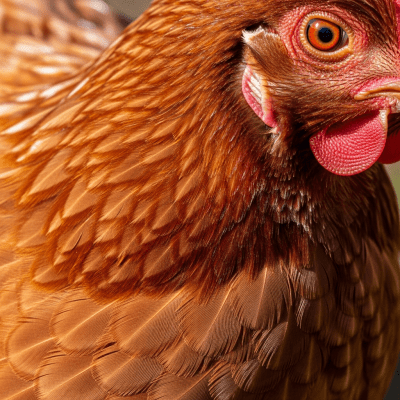
ISA Browns display a uniform reddish-brown plumage accented by lighter feathers around the neck and underparts. They are medium-sized birds, with hens typically weighing around 1.9 kilograms. Distinctive features include a single comb, yellow legs, and striking red earlobes, giving them a consistent and recognizable appearance.
Primarily valued for egg production, ISA Browns begin laying eggs early, at about 18 to 20 weeks of age, and maintain a high annual yield of 300 to 350 brown-shelled eggs. They possess a docile temperament, making them easy to handle, and adapt well to both cage and free-range farming systems. They exhibit low broodiness, focusing energy on continuous laying rather than nesting behavior.
Bring this kind into your world illustrated posters, mugs, and shirts.
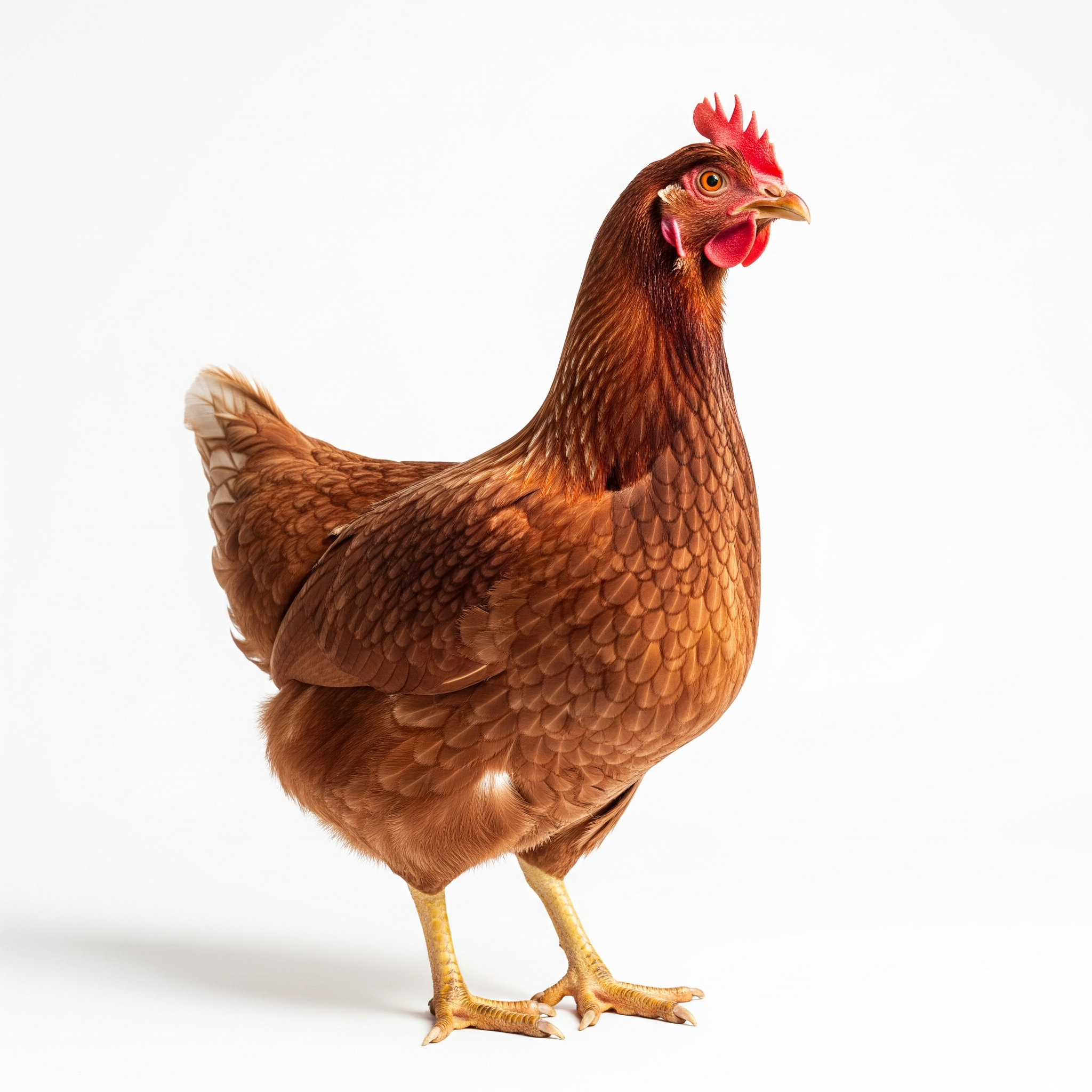
Archival print, museum-grade paper
Buy Poster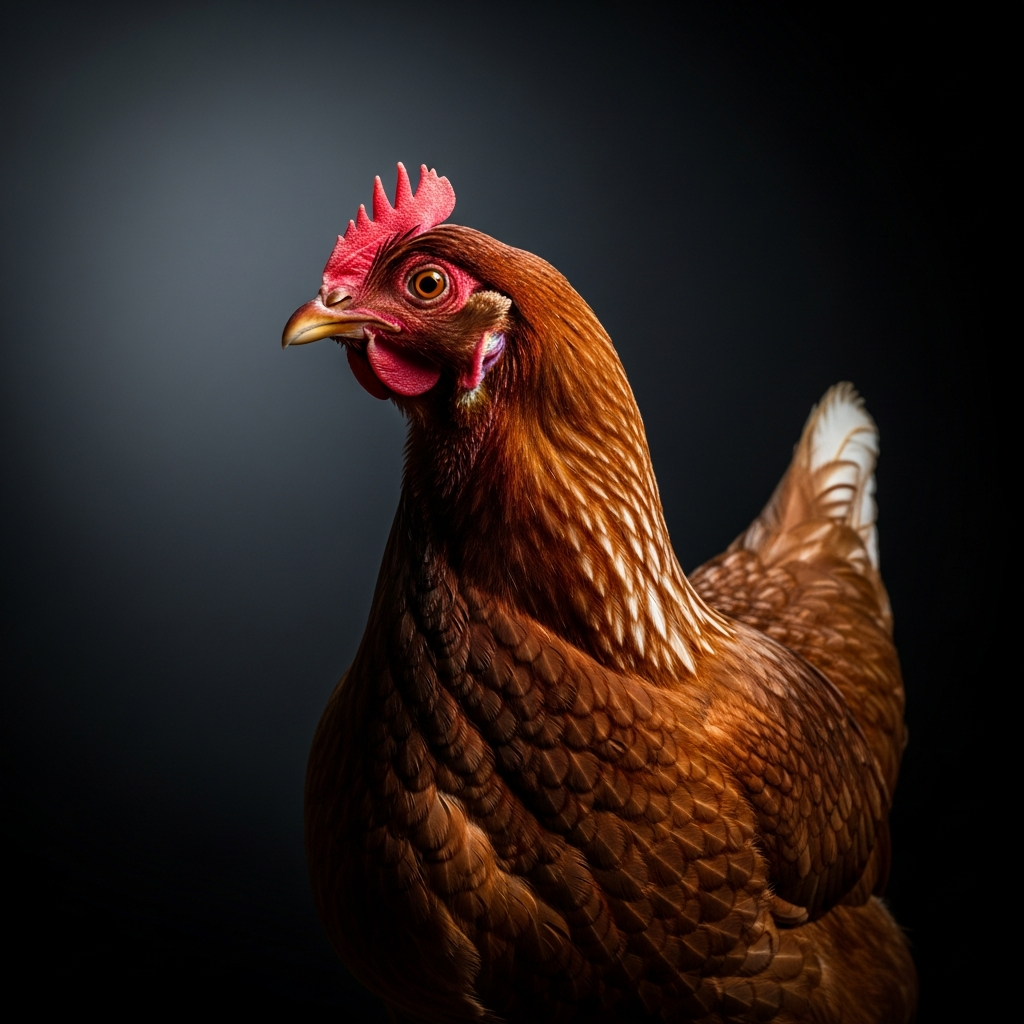
Stoneware mug, dishwasher safe
Buy Mug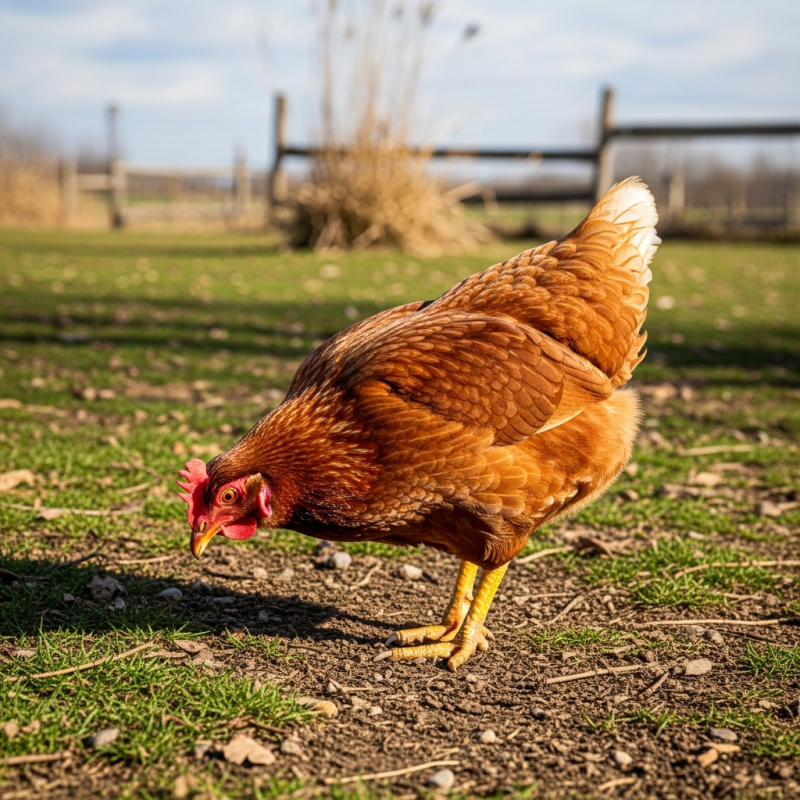
Soft cotton tee, unisex sizes
Buy ShirtWhile not traditionally linked to cultural or artistic symbolism due to its commercial hybrid status, the ISA Brown has become a global icon in modern poultry farming. Its widespread presence in egg production systems worldwide reflects the industrial shift toward specialized, high-efficiency breeds that sustain food supply chains.
The ISA Brown itself is a commercial hybrid rather than a traditional breed and does not have formally recognized varieties. It results from crosses involving breeds like Rhode Island Red and White Leghorn, combining traits to maximize egg production. While regional adaptations may exist, these are not formally classified or standardized by poultry authorities.
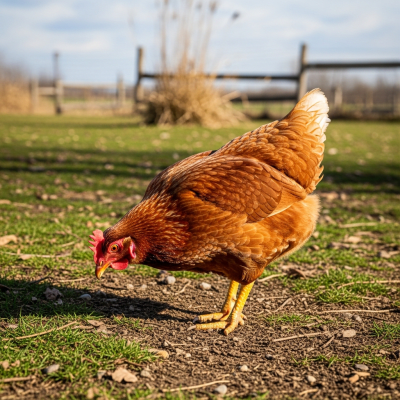
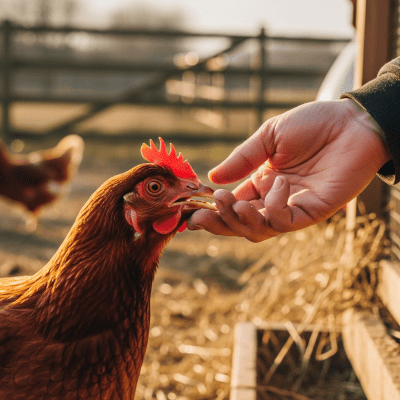

ISA Browns thrive under intensive and semi-intensive layer operations but can also be kept in backyard settings. Best practices include providing balanced nutrition to support high egg yield, maintaining clean housing to prevent disease, and managing flock density to reduce stress. Their docile nature facilitates handling, but attention should be paid to reproductive health due to susceptibility to fatigue over time.
Primarily, ISA Browns contribute to the egg market rather than meat production. Their brown eggs are favored globally for consumption and commercial sale. The breed is not raised for meat, as its carcass yield and quality are inferior to broiler strains specialized for poultry meat.
As a commercial hybrid developed for industrial egg production, the ISA Brown does not have a conservation status. Its widespread use and proprietary breeding programs ensure its continued availability, though it is not considered a heritage or endangered breed.