Cochin
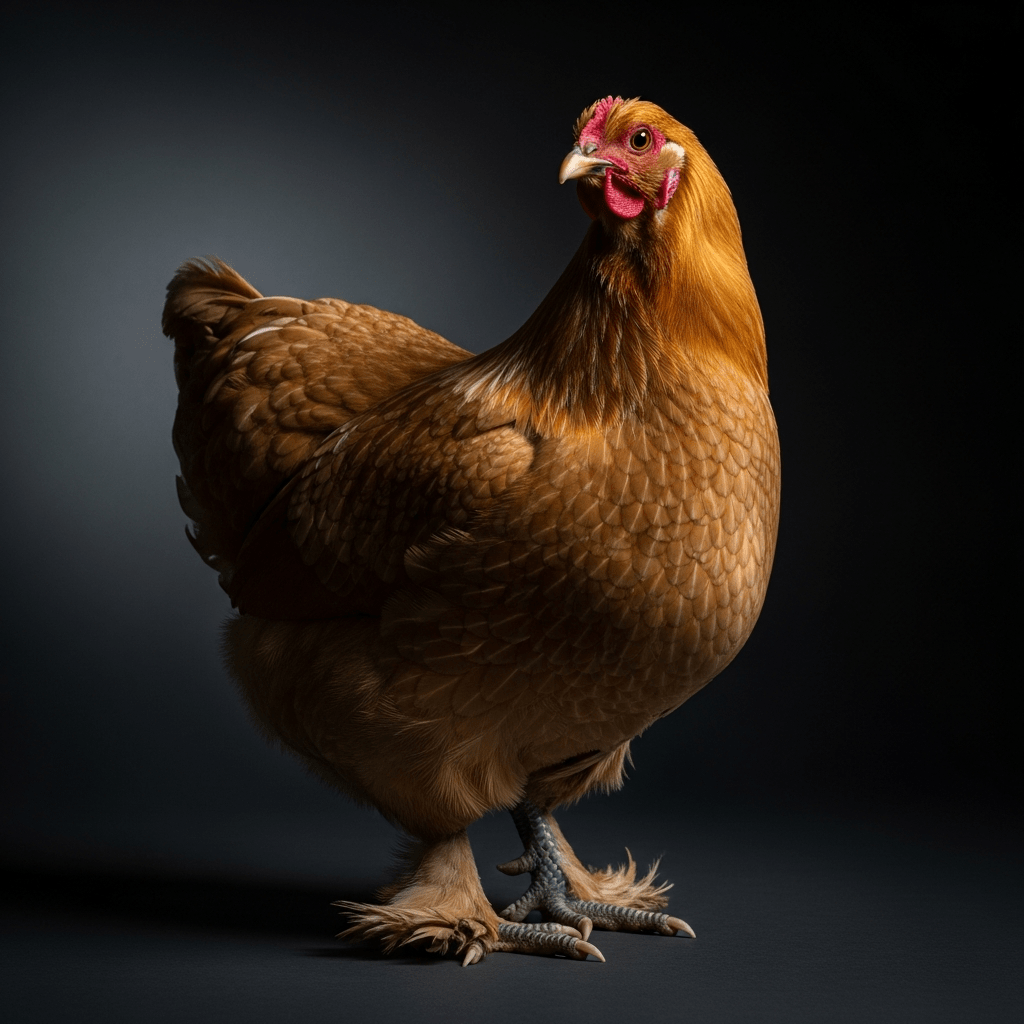
The Cochin is a large, feather-legged chicken breed known for its abundant plumage, impressive size, and gentle temperament, prized especially for ornamental and exhibition purposes.
The Cochin is a large, feather-legged chicken breed known for its abundant plumage, impressive size, and gentle temperament, prized especially for ornamental and exhibition purposes.
Originating in the Shanghai region of China, the Cochin was introduced to Europe and North America in the mid-19th century, initially known as "Shanghai" or "Cochin-China." Developed through selective breeding for size and feathering, it gained formal recognition by the American Poultry Association in 1874.
The Cochin belongs to the domesticated chicken species Gallus gallus domesticus and is classified as a large, ornamental breed distinguished by its feathered legs and profuse plumage. It fits within the ornamental and exhibition group of chicken breeds recognized by major poultry authorities.
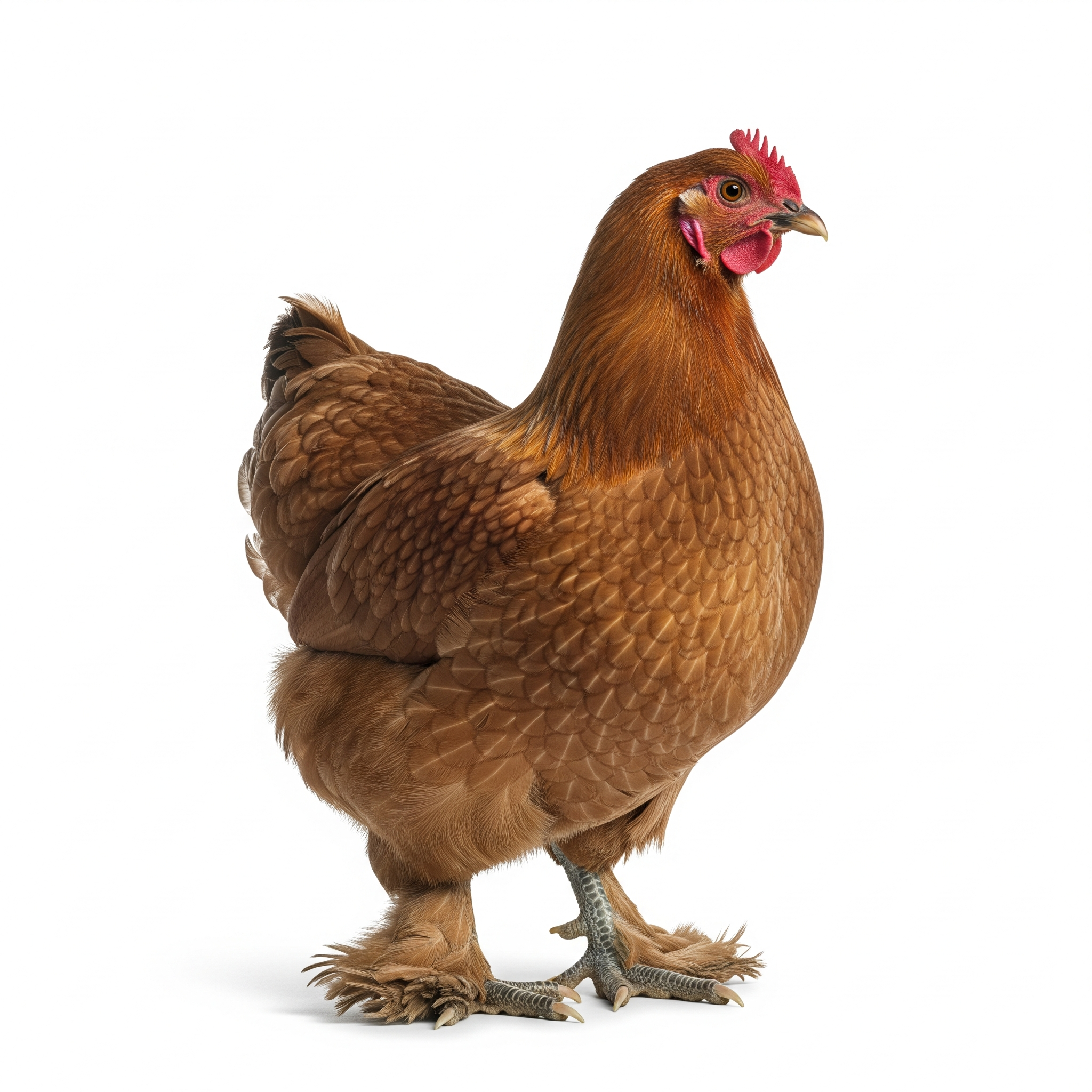
Cochins are large birds with mature males weighing around 5 kg and females about 3.9 kg. They feature a single comb, yellow skin, and red earlobes. Their most striking trait is the dense, soft feathering that covers their entire body, including legs and feet, giving them a rounded, fluffy silhouette. Recognized plumage colors include Buff, Black, White, Partridge, and Blue.
Known for their docile and gentle nature, Cochins are slow-growing birds that mature later than many other breeds. They have strong brooding instincts, making them excellent maternal birds for hatching eggs. Their dense plumage also makes them well-suited to cold climates, though their slow growth and heavy feathering limit their efficiency in meat production.
Bring this kind into your world illustrated posters, mugs, and shirts.
Archival print, museum-grade paper
Buy Poster
Stoneware mug, dishwasher safe
Buy Mug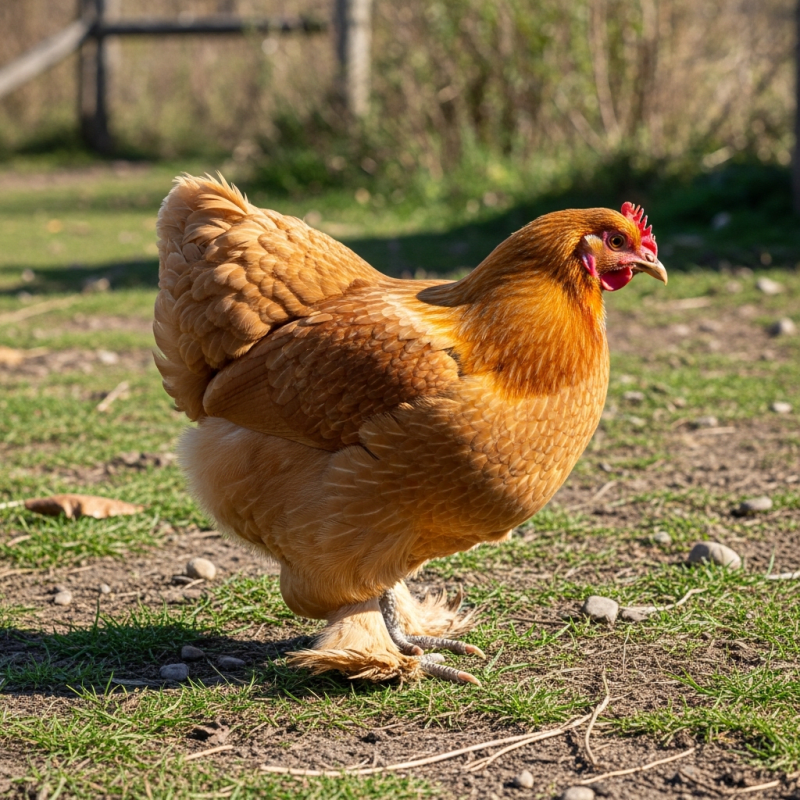
Soft cotton tee, unisex sizes
Buy ShirtThe Cochin's striking appearance and calm temperament have made it a favorite in poultry exhibitions and ornamental collections worldwide. Historically, its introduction helped popularize feather-legged breeds in the West, influencing poultry breeding and exhibition culture since the 19th century.
The Cochin breed includes both standard and bantam varieties, with recognized plumage colors such as Buff, Black, White, Partridge, and Blue. Bantam Cochins are smaller versions prized for ornamental purposes. Beyond color and size distinctions, no significant regional variants are documented.


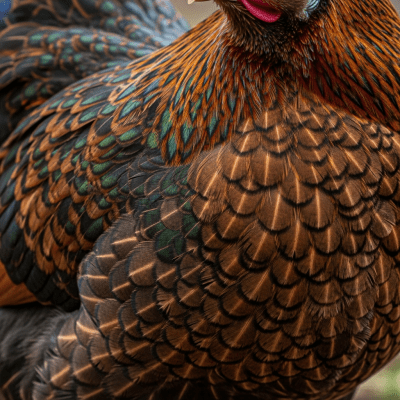
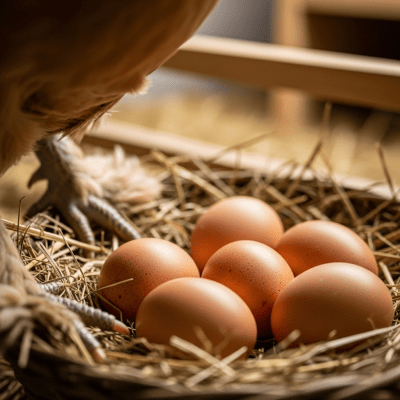
Cochins thrive in backyard and smallholder farming systems where their gentle temperament and brooding abilities are valued. They require adequate space to accommodate their large size and feathered legs, with shelter from wet conditions to maintain plumage health. Their slow growth means they need patient management, and their dense feathers provide good cold-weather protection.
Primarily kept for ornamental and exhibition purposes, Cochins are rarely used in commercial egg or meat production. Their meat is considered coarse and less desirable due to slow growth and heavy feathering, limiting their culinary appeal. They are more commonly valued as pets or maternal birds in small-scale settings.
The Cochin breed is well-established and widely maintained in poultry collections worldwide, with no immediate conservation concerns. Its popularity in exhibitions and backyard flocks supports its continued presence, though it is not a focus of commercial production or conservation urgency.