Chicken
The chicken (Gallus gallus domesticus) is the world’s most widely kept domesticated bird, prized for its meat, eggs, and enduring cultural significance.
The chicken (Gallus gallus domesticus) is the world’s most widely kept domesticated bird, prized for its meat, eggs, and enduring cultural significance.
Chickens trace their ancestry to the red junglefowl of Southeast Asia, with domestication beginning between 6,000 and 8,000 years ago. Archaeological and genetic evidence points to multiple domestication events across China, India, and Southeast Asia, where wild junglefowl were gradually bred for desirable traits such as egg laying, meat yield, and docility. The modern domestic chicken emerged from centuries of selective breeding, making it a global agricultural staple.
Chickens belong to the class Aves, order Galliformes, family Phasianidae, and genus Gallus. Their scientific name is Gallus gallus domesticus, denoting their status as a domesticated subspecies of the red junglefowl. As members of the Galliformes, chickens share lineage with other ground-feeding birds such as pheasants, turkeys, and quail, distinguished by their robust bodies and terrestrial habits.
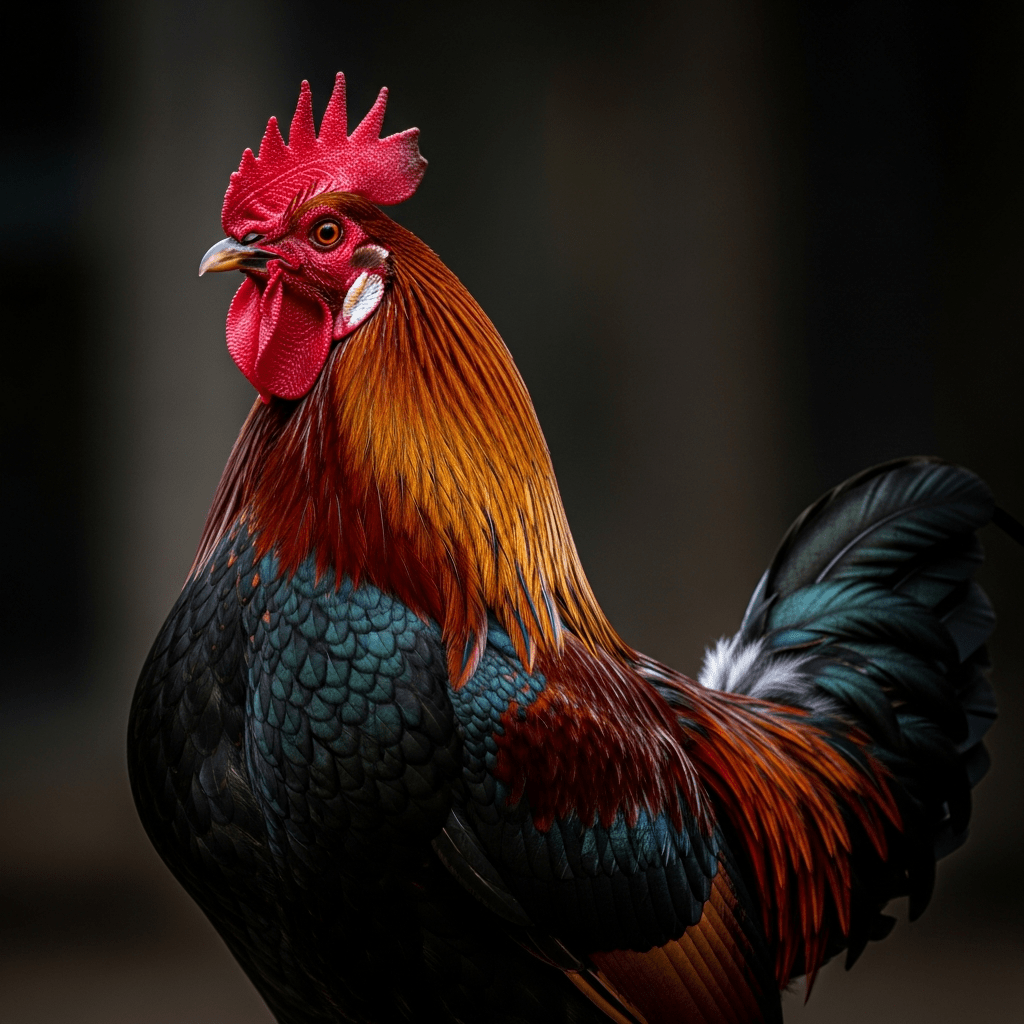
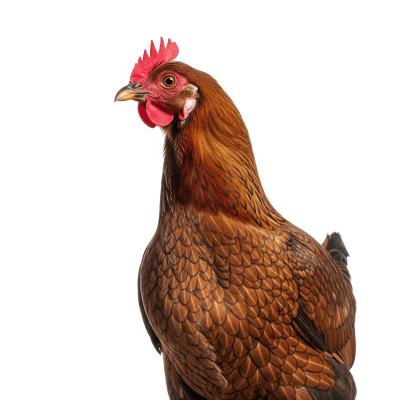
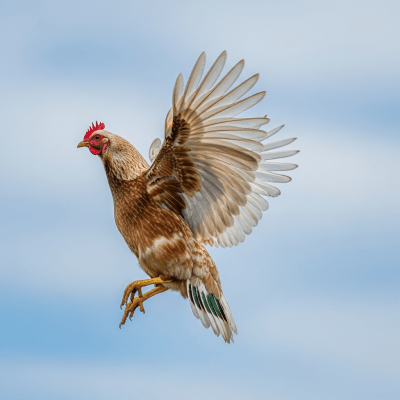
Chickens are medium-sized birds with compact bodies, rounded wings, and a distinctive fleshy comb and wattles atop the head. Their plumage varies dramatically across hundreds of breeds, ranging from pure white to vibrant reds, golds, and patterned feathers. Breed diversity results in wide variation in size, shape, and coloration, with some chickens exhibiting ornate crests or feathered legs. The tactile contrast of smooth feathers and textured combs is a hallmark of the species.
Chickens are highly social animals, living in flocks and establishing complex hierarchies known as the pecking order. They communicate through a rich repertoire of vocalizations and body language. As omnivores, chickens forage for seeds, insects, and small animals. Selective breeding has produced egg-laying breeds capable of producing over 300 eggs annually, while meat breeds are optimized for rapid growth. Beyond agriculture, chickens are kept as pets, show animals, and play roles in traditional medicine and religious rituals.
Bring this kind into your world illustrated posters, mugs, and shirts.
Archival print, museum-grade paper
Buy Poster
Stoneware mug, dishwasher safe
Buy Mug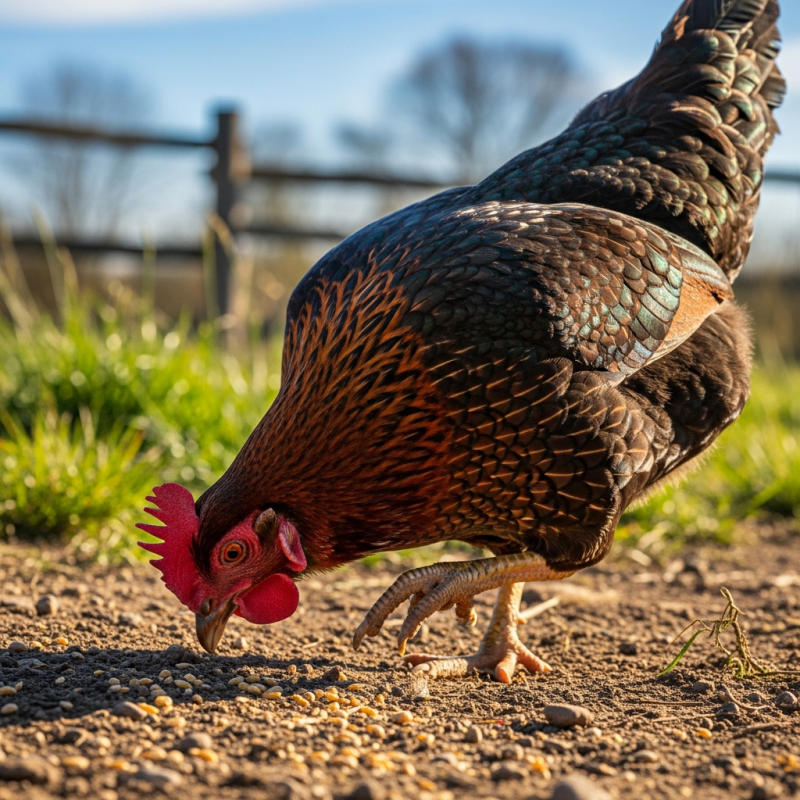
Soft cotton tee, unisex sizes
Buy ShirtChickens hold a prominent place in global culture, symbolizing fertility, prosperity, and vigilance in art, folklore, and religion. They appear in proverbs, zodiac systems, and ceremonial practices worldwide. The chicken’s image is ubiquitous in cuisine, festivals, and even language, with terms like "hen" and "rooster" carrying metaphorical meaning. Heritage breeds are celebrated in agricultural shows, and chickens feature in myths and stories from Asia to Europe.
Originally native to forested habitats of Southeast Asia, chickens are now found in domesticated environments worldwide. Their adaptability and utility have led to their presence on every continent except Antarctica, thriving in rural, urban, and peri-urban settings wherever humans reside.
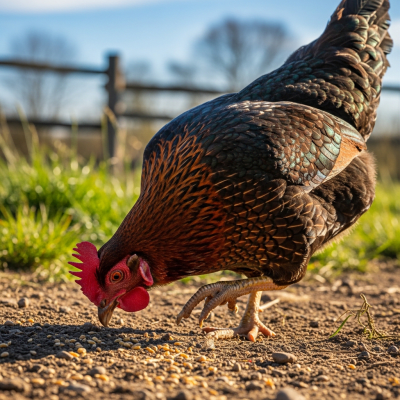

Chickens are omnivorous, feeding on a diverse diet that includes seeds, grains, insects, plants, and small animals. In managed environments, their diet is often supplemented with formulated feed to optimize health and productivity, but they retain natural foraging instincts when given access to open ground.
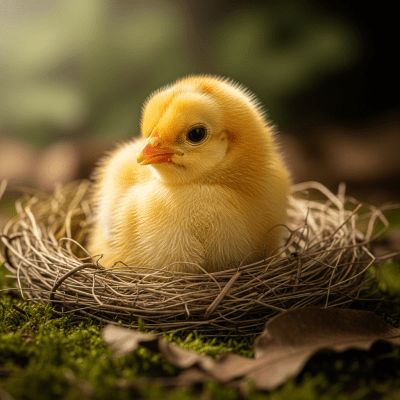
Chickens reproduce by laying eggs, with clutch size and breeding frequency varying by breed and management. Egg-laying breeds are selected for prolific production, while traditional breeds may lay fewer eggs. Chicks hatch after incubation, and chickens reach maturity within a few months. Lifespan is influenced by breed and husbandry, with some chickens living several years, especially in non-commercial settings.
As a domesticated species, chickens are not at risk of extinction and are among the most numerous birds globally. However, individual breeds may face threats from industrial farming practices and loss of genetic diversity. Disease outbreaks, such as avian influenza, can impact populations, but ongoing breeding programs help maintain resilience.
Chickens are a cornerstone of global agriculture, providing essential sources of protein through meat and eggs. The poultry industry is a major economic sector, supporting billions of birds and millions of livelihoods worldwide. Ecologically, chickens contribute to pest control and nutrient cycling in managed environments, though their impact is largely shaped by human activity.
Domestication of chickens began over 6,000 years ago, with selective breeding shaping hundreds of recognized breeds and varieties. Notable breeds include the Leghorn, Rhode Island Red, and Silkie, each distinguished by unique traits such as egg production, size, plumage, or temperament. Heritage and regional breeds preserve genetic diversity and cultural traditions, while commercial lines dominate global production.
Chickens are known by various names worldwide. Scientific synonyms include Gallus domesticus and Gallus gallus domesticus. Common names vary by region and gender: "hen" (female), "rooster" or "cock" (male), "chook" (Australia/New Zealand), "pollo" (Spanish), and "poule" (French). Breed names and local terms further enrich the chicken’s nomenclature.