Mallard
The Mallard (Anas platyrhynchos) is a highly adaptable, medium-sized wild duck recognized worldwide for its vibrant plumage and distinctive quack, serving as the ancestor of most domestic duck breeds.
The Mallard (Anas platyrhynchos) is a highly adaptable, medium-sized wild duck recognized worldwide for its vibrant plumage and distinctive quack, serving as the ancestor of most domestic duck breeds.
First formally described by Carl Linnaeus in 1758, the Mallard originated across the Northern Hemisphere, with native populations in Eurasia and North America. As a naturally occurring species, its wild lineage predates human intervention, and its genetic heritage forms the foundation for nearly all domesticated ducks globally.
The Mallard belongs to the family Anatidae within the class Aves, genus Anas, and species platyrhynchos. It is classified as a dabbling duck, a group known for feeding at the water's surface rather than diving. As the primary ancestor of domestic ducks, the Mallard is a central figure in waterfowl taxonomy and evolutionary studies.
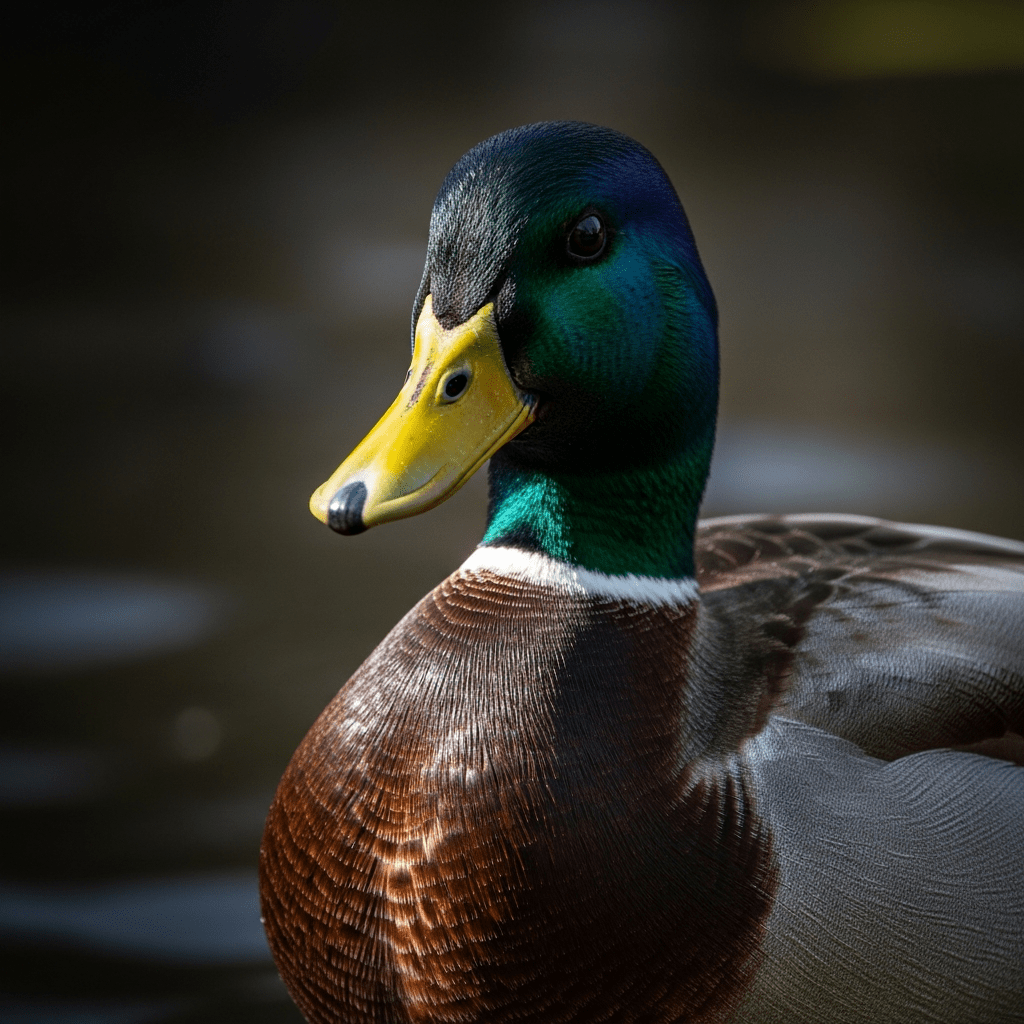
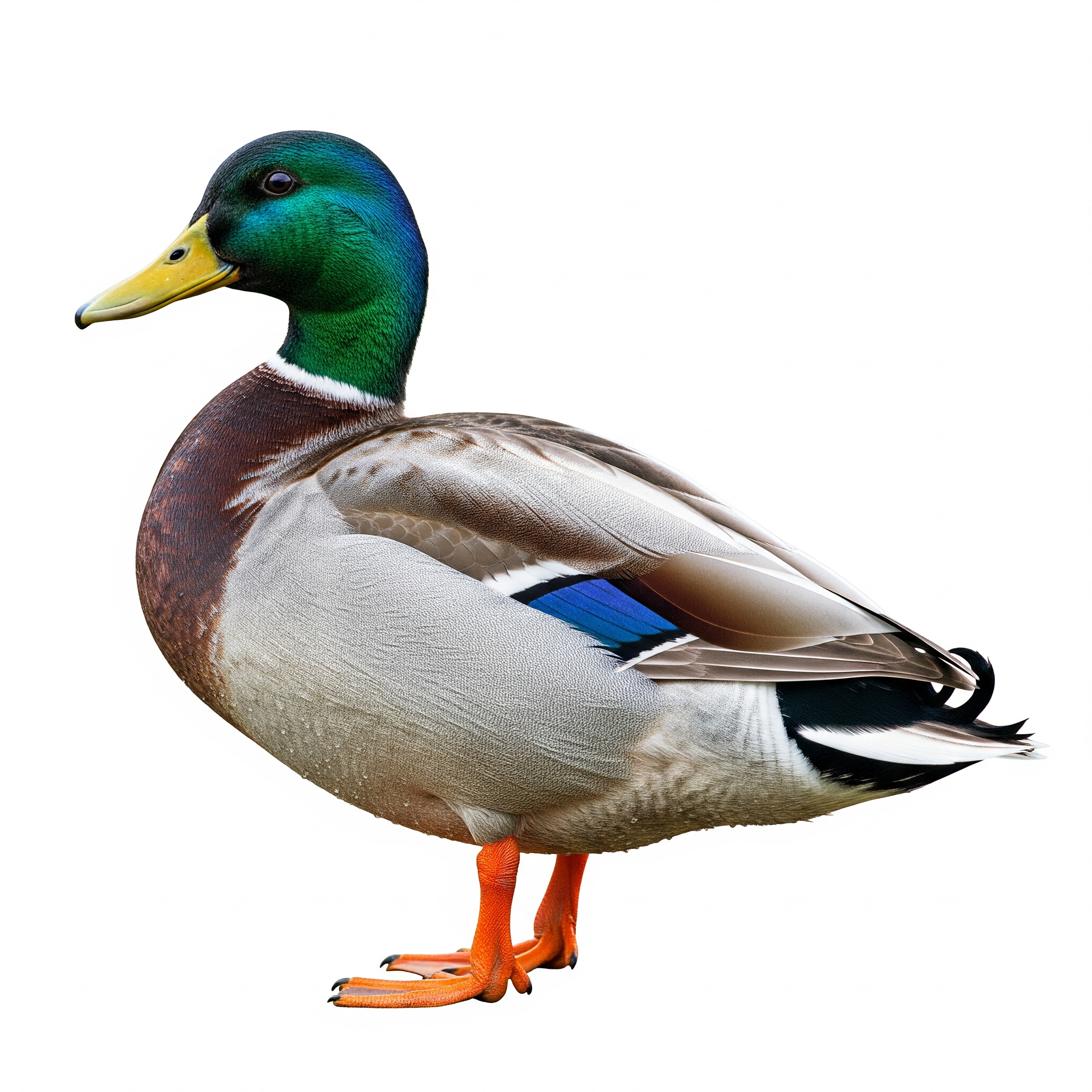
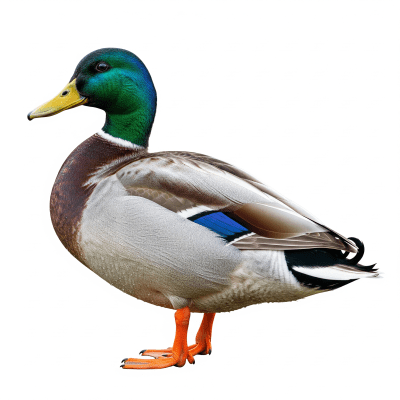
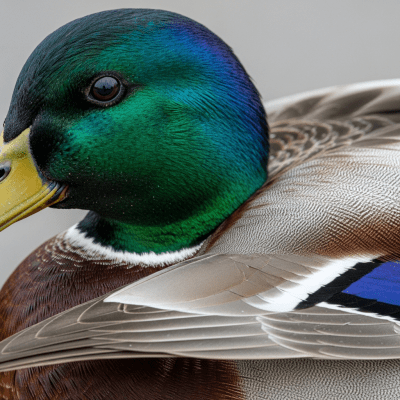
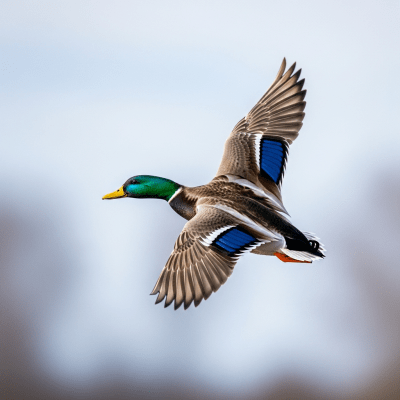
Mallards are medium-sized ducks, typically measuring 50–65 cm in length with a wingspan of 81–98 cm and weighing between 0.7–1.6 kg. Males (drakes) are striking, with iridescent green heads, white neck rings, chestnut-brown breasts, and grey bodies, while females (hens) display mottled brown plumage for camouflage. Both sexes feature a vibrant blue speculum on their wings bordered by white, and the species is noted for its sexual dimorphism and the male's characteristic quack.
Highly adaptable, Mallards thrive in a wide range of habitats, from wild wetlands to urban parks. They are omnivorous dabblers, feeding on aquatic plants, insects, and small invertebrates. In northern regions, Mallards are migratory, forming flocks during seasonal movements, while populations elsewhere may remain year-round. Their prolific breeding and tendency to hybridize with other ducks make them ecologically influential and a frequent subject in sport hunting, ornamental use, and feather harvesting.
Bring this kind into your world illustrated posters, mugs, and shirts.
Archival print, museum-grade paper
Buy Poster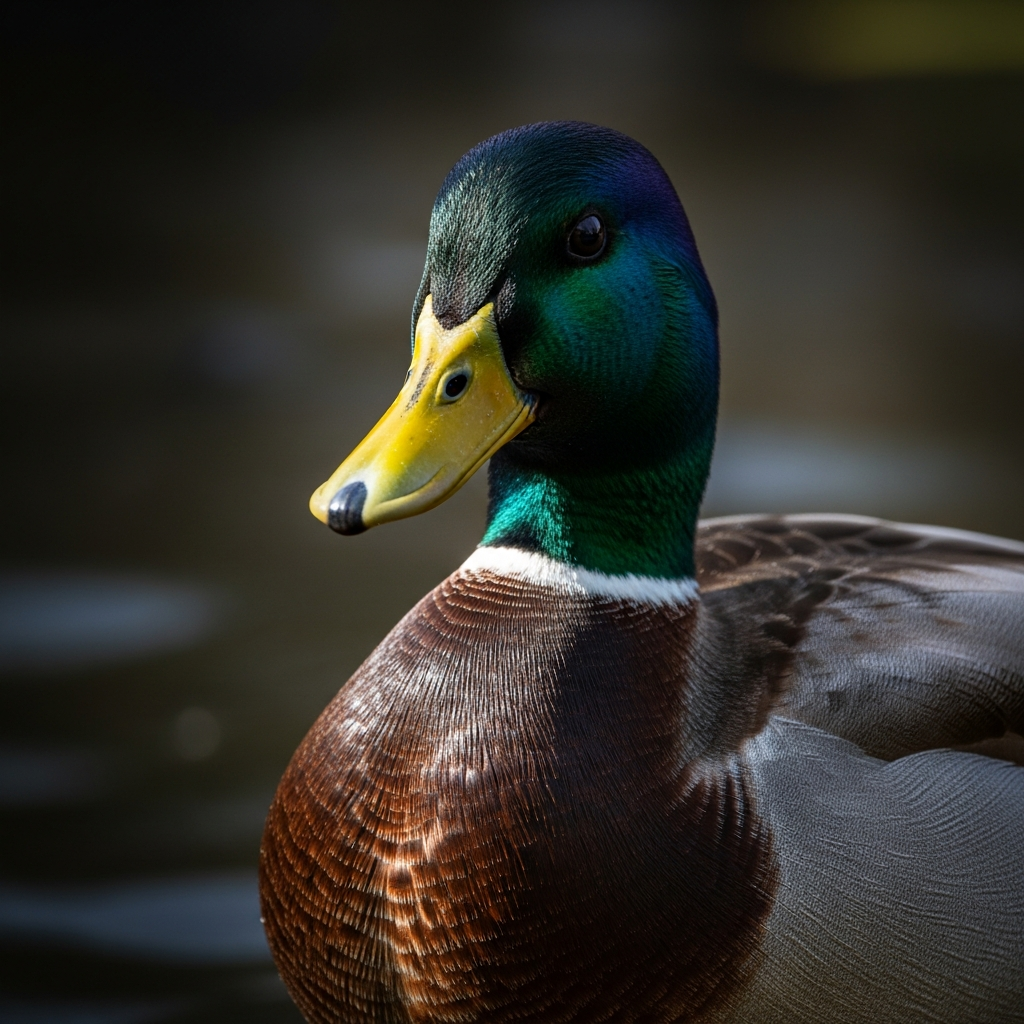
Stoneware mug, dishwasher safe
Buy Mug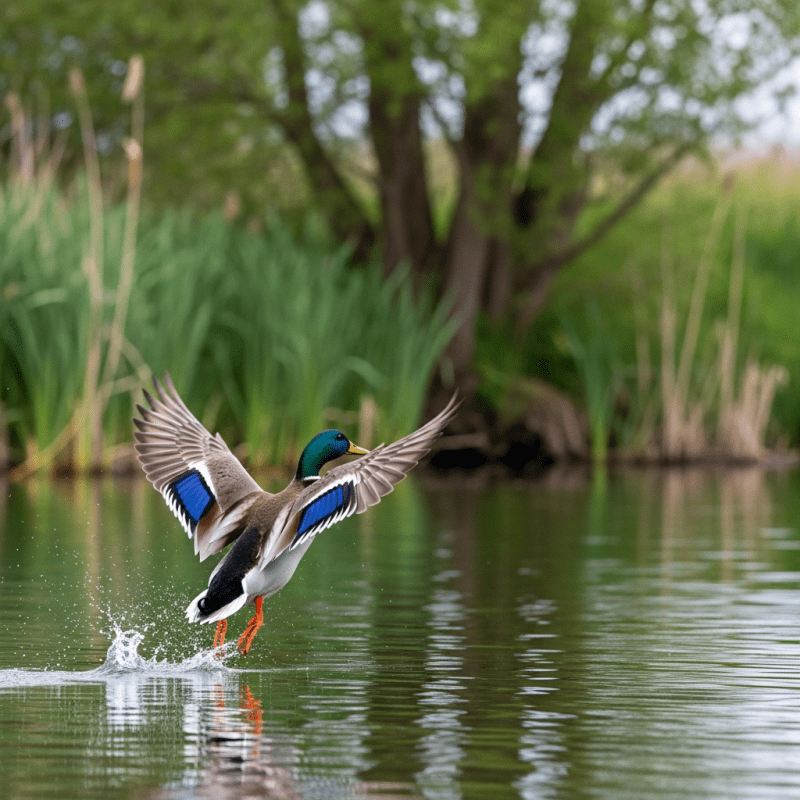
Soft cotton tee, unisex sizes
Buy ShirtThe Mallard is deeply woven into human culture, appearing in folklore, art, and literature across continents. Its image is a staple in wetland conservation campaigns and children's stories, and its quack is instantly recognizable. In some cultures, Mallards symbolize adaptability and resilience, while their feathers have historically been used for decoration and insulation. The species also features in culinary traditions and is a prized game bird in many regions.
Mallards are native to the Northern Hemisphere, with their original range spanning Eurasia and North America. Today, they are found on every continent except Antarctica, inhabiting freshwater and brackish wetlands, lakes, rivers, ponds, and even urban parks. Their adaptability has enabled them to thrive in both wild and human-altered environments, making them one of the most widely distributed duck species.
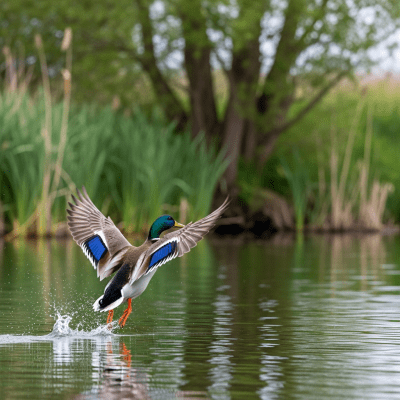
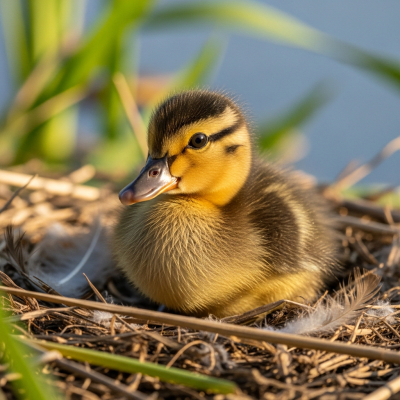
Mallards are omnivorous dabblers, feeding primarily on aquatic vegetation, seeds, insects, and small invertebrates. They forage by tipping forward in shallow water to reach food below the surface and will also graze on land. Their flexible diet allows them to exploit a variety of habitats and food sources, contributing to their widespread success.
Mallards breed in spring and early summer, with females typically laying clutches of 8–13 eggs in concealed nests near water. Incubation lasts about a month, and ducklings are precocial, leaving the nest soon after hatching. Mallards may breed once per year, though favorable conditions can result in two clutches. Their average lifespan in the wild is around five years, though some individuals live longer.
The Mallard is currently classified as a species of Least Concern, reflecting its large, stable global population and broad distribution. However, threats include habitat loss, pollution, lead poisoning, and genetic dilution from hybridization with domestic and other wild ducks. Conservation efforts focus on maintaining healthy wetland habitats and monitoring population trends.
Mallards play a vital ecological role in wetland ecosystems, influencing plant and invertebrate populations through their feeding habits. Economically, they are important in sport hunting and serve as the genetic foundation for most domestic duck breeds used in agriculture for meat and eggs. Their feathers have been historically valued for insulation and decoration, and their presence in urban areas supports birdwatching and educational activities.
While the wild Mallard itself has not been selectively bred, its genetic legacy underpins nearly all domesticated duck breeds worldwide. Domestic ducks used for meat, eggs, and ornamental purposes are descended from Mallards, with selective breeding giving rise to diverse forms and traits. Regional subspecies include the nominate Anas platyrhynchos platyrhynchos and the disputed Anas platyrhynchos conboschas in East Asia.