King Penguin
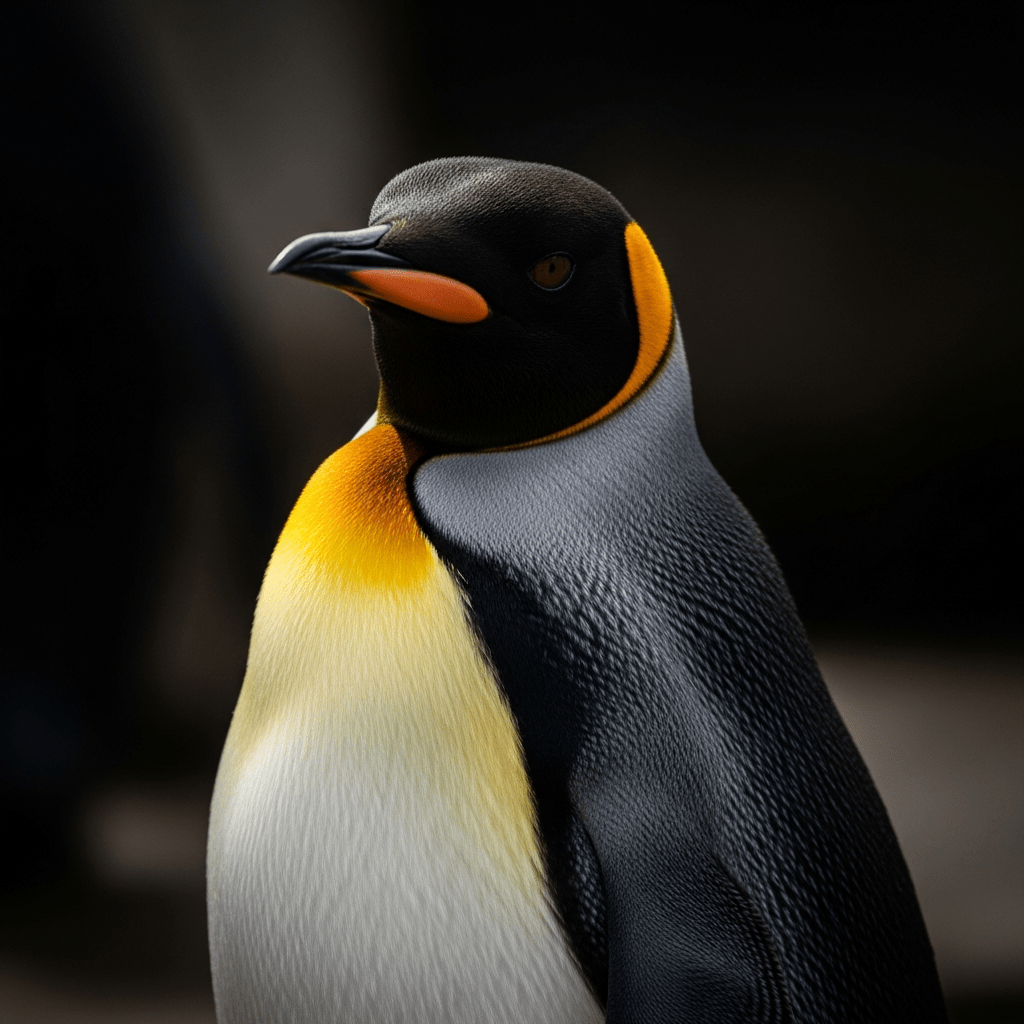
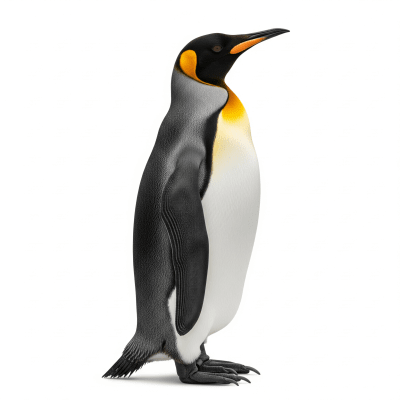
The King Penguin is the second largest penguin species, instantly recognized by its elegant silver-grey plumage and vivid orange-yellow markings on the head and chest, native to the subantarctic islands.
The King Penguin is the second largest penguin species, instantly recognized by its elegant silver-grey plumage and vivid orange-yellow markings on the head and chest, native to the subantarctic islands.
First described by Miller in 1778, the King Penguin was discovered by early European explorers navigating the Southern Ocean and subantarctic islands. Its wild populations have thrived for centuries in these remote, windswept environments, with no history of domestication or captive breeding. The species’ scientific name, Aptenodytes patagonicus, reflects its enduring connection to the southern reaches of the globe.
The King Penguin belongs to the class Aves, order Sphenisciformes, family Spheniscidae, and genus Aptenodytes. Within the broader taxonomy of birds, it is part of a specialized group adapted to aquatic life, sharing lineage with other penguins but distinguished by its size and breeding habits. Modern authorities, including the International Ornithologists’ Union and BirdLife International, recognize the King Penguin as a monotypic species, with no formally accepted subspecies.
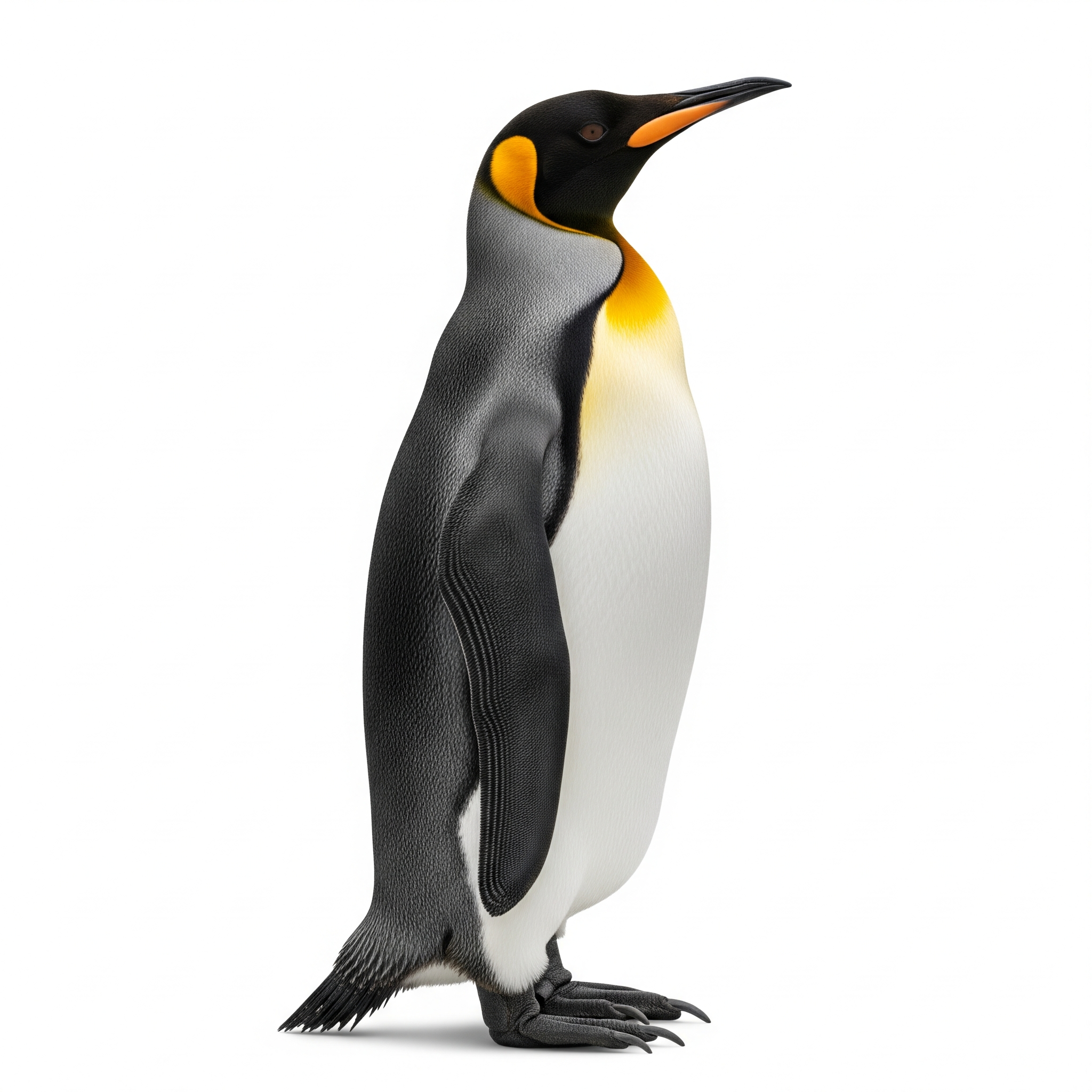
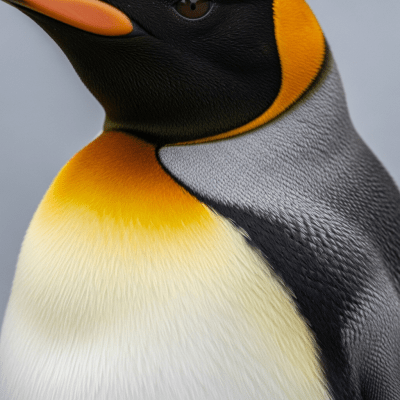
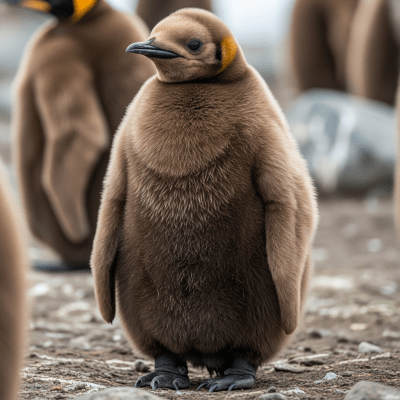
Standing between 70 and 100 centimeters tall and weighing 9 to 16 kilograms, the King Penguin presents a streamlined silhouette built for swimming. Its back is silver-grey, the belly pure white, and the sides of the head and upper chest are adorned with striking orange-yellow patches. The bird’s upright posture, sleek body, and vibrant coloration make it one of the most visually arresting members of the penguin family.
King Penguins are renowned for their social breeding behavior, gathering in vast, densely packed colonies on subantarctic islands. Their unique 13–16 month breeding cycle involves incubating a single egg on the parents’ feet, shielded by a fold of skin. Chicks are cared for in communal groups called crèches, while adults embark on deep, prolonged foraging dives—sometimes reaching depths of 300 meters—to hunt fish and squid. Though not used for food or trade, King Penguins are valued for ecotourism and scientific research, and serve as enduring symbols of Antarctic wildlife.
Bring this kind into your world illustrated posters, mugs, and shirts.
Archival print, museum-grade paper
Buy Poster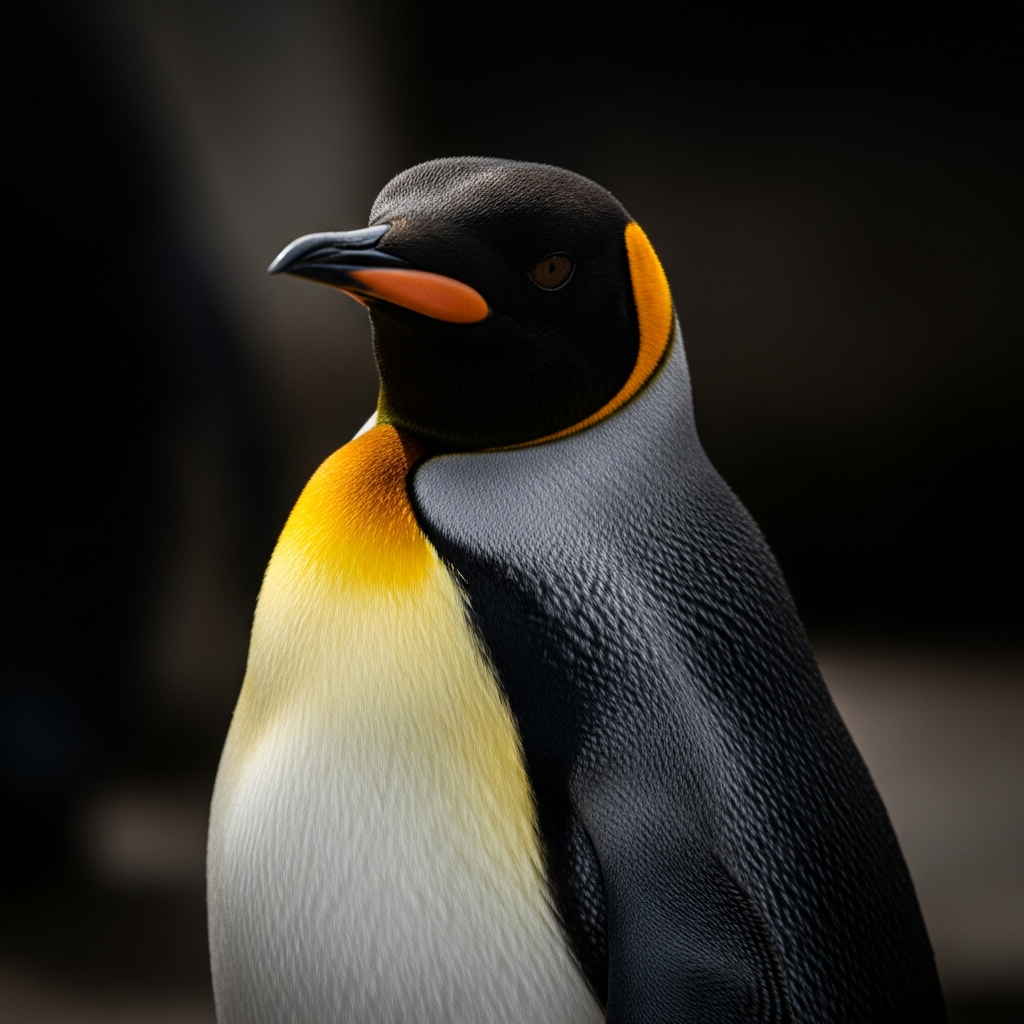
Stoneware mug, dishwasher safe
Buy Mug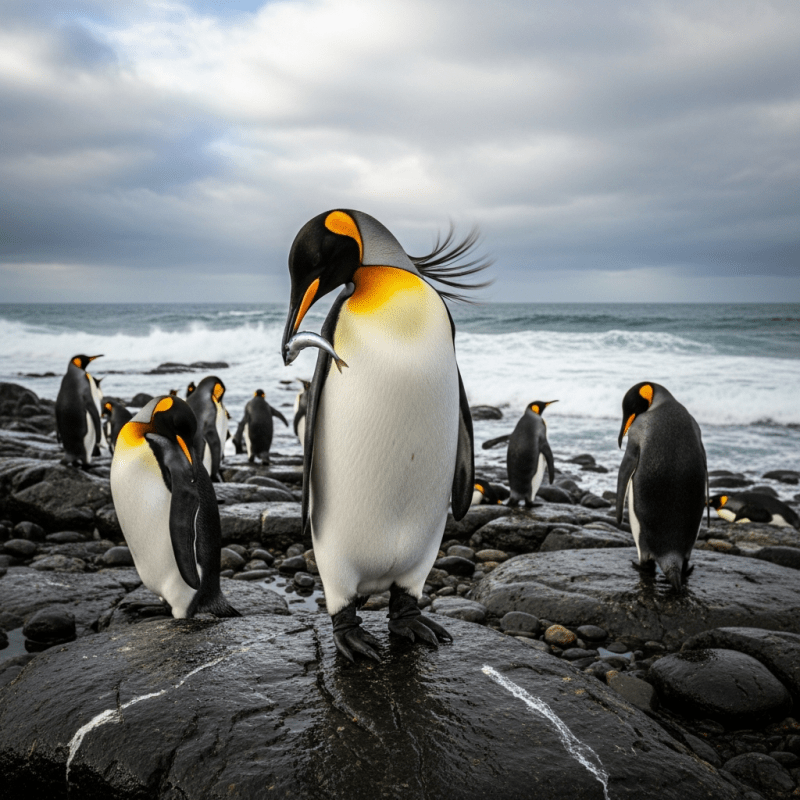
Soft cotton tee, unisex sizes
Buy ShirtThe King Penguin has become an icon of the Southern Ocean and Antarctic regions, frequently featured in nature documentaries, wildlife photography, and educational materials. Its regal bearing and vibrant plumage have inspired artists and storytellers, while its image is used to promote conservation and awareness of polar ecosystems. In many cultures, the King Penguin stands as a symbol of endurance, adaptation, and the wonders of remote wilderness.
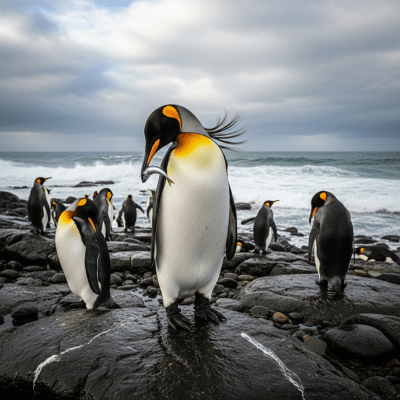
King Penguins are found on subantarctic islands such as South Georgia, the Falklands, and Crozet, as well as coastal regions bordering the Southern Ocean. They form large breeding colonies on beaches and grassy flats, thriving in cold, windswept environments far from continental landmasses.
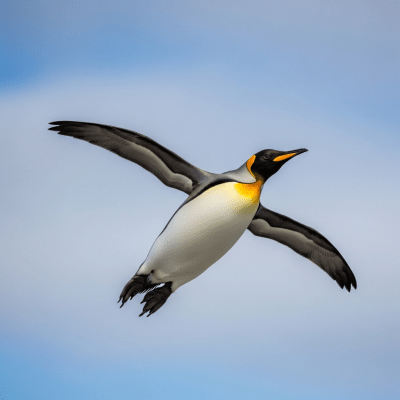
The King Penguin’s diet is dominated by fish and squid, which it pursues during extended foraging trips at sea. Highly adapted for deep diving, adults can reach depths of up to 300 meters, using their streamlined bodies and powerful flippers to navigate the frigid waters in search of prey.
King Penguins have a distinctive reproductive strategy, with a single egg laid every 13–16 months. Both parents take turns incubating the egg on their feet, sheltered by a brood pouch. After hatching, chicks are raised in communal crèches for warmth and protection, gradually developing independence before fledging. The extended breeding cycle means that colonies are active year-round, with overlapping generations of adults and chicks.
King Penguins are protected by international agreements and conservation organizations. While not currently classified as endangered, their populations are sensitive to changes in ocean temperatures, prey availability, and human disturbance. Ongoing research and monitoring help ensure their continued survival in a rapidly changing climate.
Though not hunted or farmed, King Penguins play a vital role in their ecosystems as top marine predators, helping to regulate fish and squid populations. They are also a major draw for ecotourism, attracting visitors to subantarctic islands and supporting local economies. Their presence is a key indicator of ocean health, and their protection benefits broader conservation efforts in polar regions.
King Penguins have never been domesticated, and no breeds or subspecies are recognized. All populations are wild, with genetic studies supporting their monotypic status across their range.