
Barn Owl
The Barn Owl (Tyto alba) is a medium-sized, widely distributed owl known for its heart-shaped facial disc, pale plumage, and silent nocturnal flight, making it a vital predator in agricultural and natural ecosystems across the globe.
The Barn Owl (Tyto alba) is a medium-sized, widely distributed owl known for its heart-shaped facial disc, pale plumage, and silent nocturnal flight, making it a vital predator in agricultural and natural ecosystems across the globe.
First formally described by Giovanni Antonio Scopoli in 1769, the Barn Owl's lineage belongs to the family Tytonidae and genus Tyto. This species is naturally occurring and has no history of domestication or selective breeding. Its global presence, except in Antarctica, is closely tied to human settlements, as it often nests in barns, ruins, and other structures, reflecting a long-standing association with agricultural landscapes.
The Barn Owl is classified within the class Aves, order Strigiformes, family Tytonidae, and genus Tyto. Its scientific name is Tyto alba. This places it among the "true barn owls," distinct from typical owls (family Strigidae) by its facial structure and hunting adaptations. Numerous subspecies are recognized worldwide, reflecting its remarkable adaptability and broad distribution.
Barn Owls are instantly recognizable by their striking heart-shaped facial disc, which is framed by white to buff feathers often speckled with subtle markings. Adults measure 33–39 cm in length, with a wingspan of 80–95 cm and a body weight ranging from 224 to 710 grams. Their plumage is pale overall, and their long legs are adapted for grasping prey. Specialized feathers enable silent flight, and their dark eyes lend an enigmatic presence, especially in low light.
Primarily nocturnal, Barn Owls hunt small mammals—especially rodents—using acute hearing and vision. Their flight is nearly silent, allowing them to approach prey undetected. The species is known for its haunting screech, which sets it apart from the hooting calls of other owls. Barn Owls nest in cavities, barns, and tree hollows, and their presence in agricultural areas provides natural pest control, reducing the need for chemical rodenticides.
Bring this kind into your world illustrated posters, mugs, and shirts.
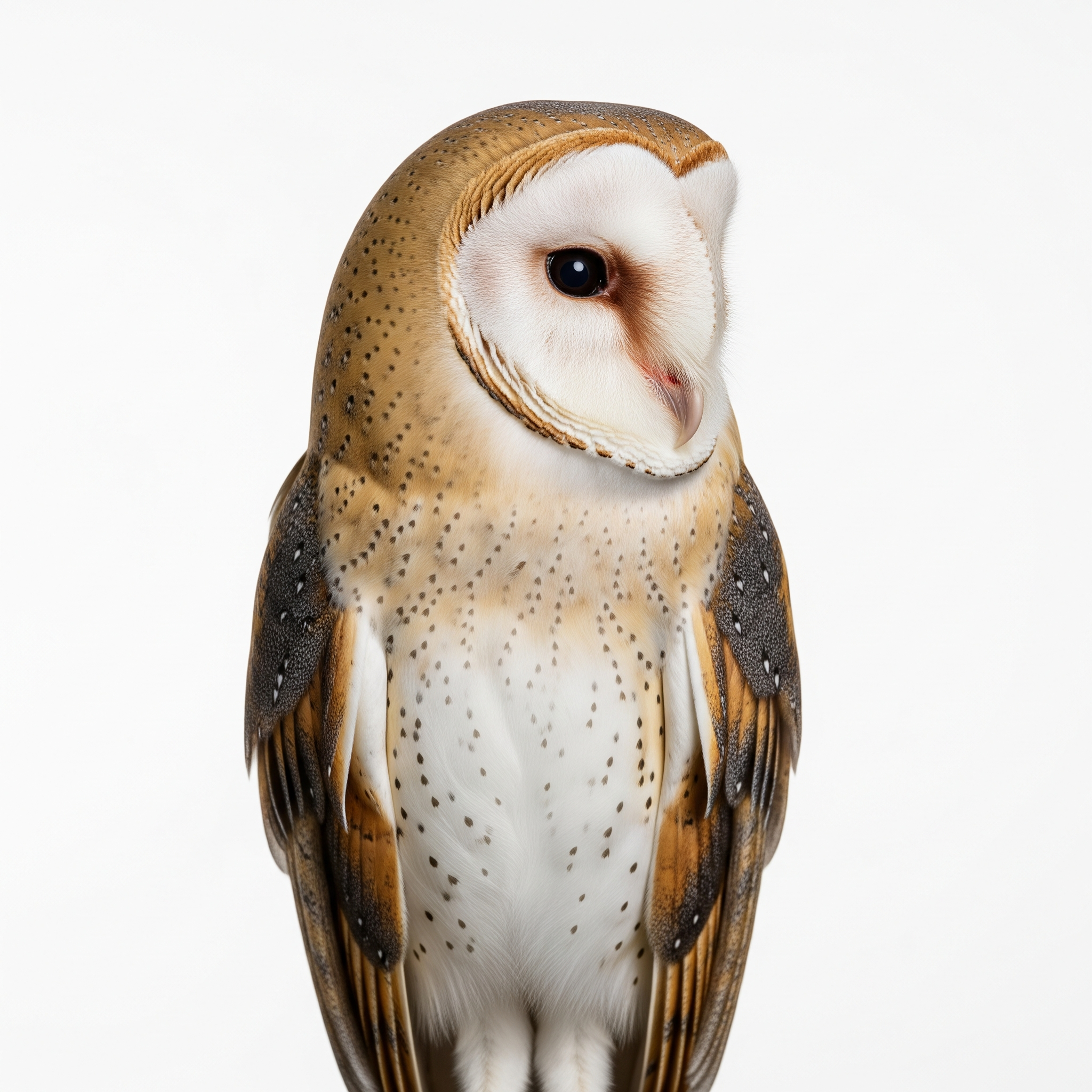
Archival print, museum-grade paper
Buy Poster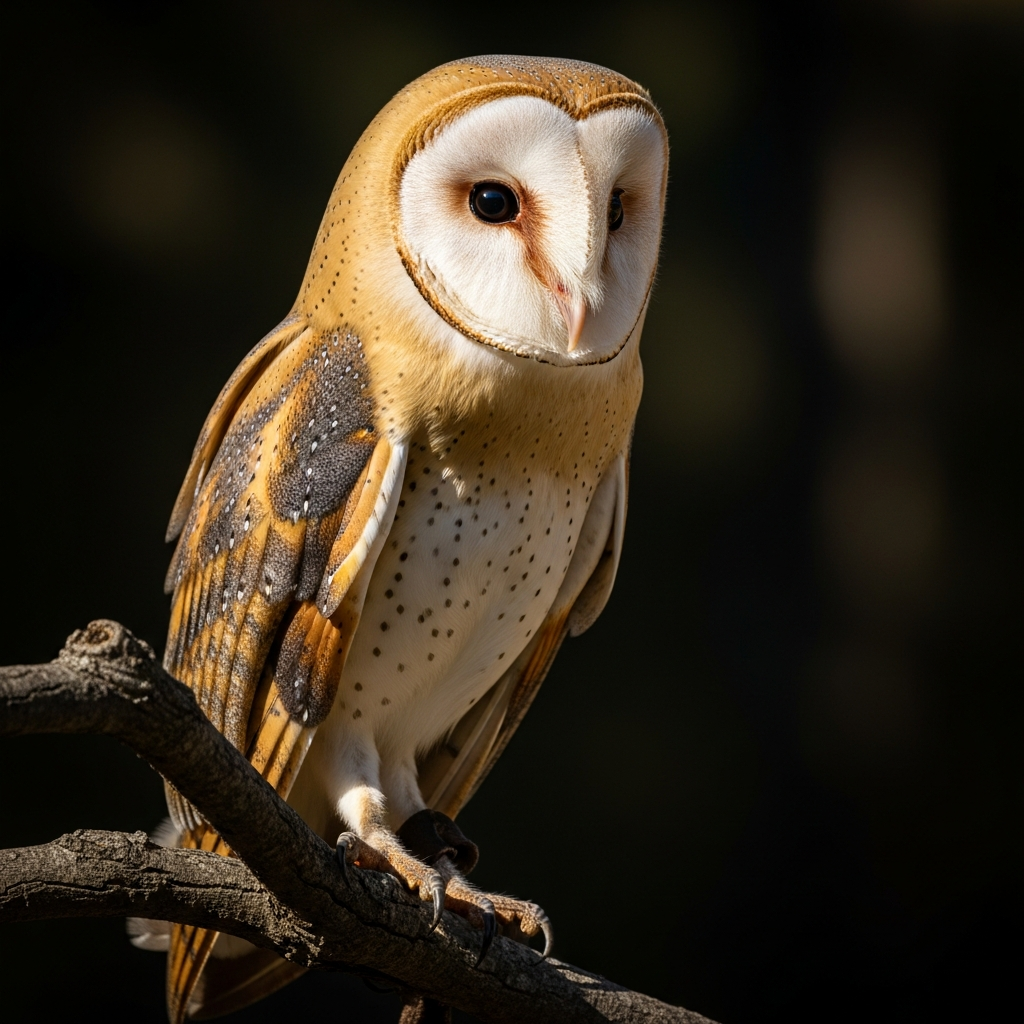
Stoneware mug, dishwasher safe
Buy Mug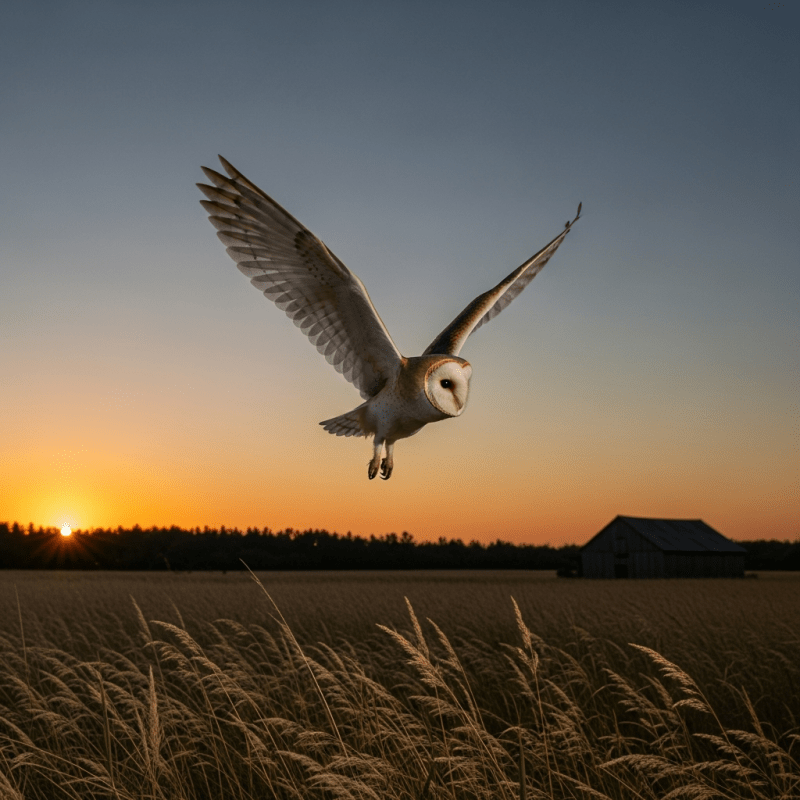
Soft cotton tee, unisex sizes
Buy ShirtThe Barn Owl features prominently in folklore, mythology, and modern culture. Its ghostly appearance and eerie screech have inspired tales of omens and spirits in many societies. In some cultures, the owl is revered as a symbol of wisdom or mystery, while in others it is associated with superstition. Today, Barn Owls are celebrated in ecotourism and educational programs, serving as ambassadors for wildlife conservation and sustainable agriculture.
Barn Owls are cosmopolitan, found on every continent except Antarctica. They thrive in open habitats such as grasslands, farmlands, marshes, and even urban environments. Their adaptability allows them to nest in natural cavities, barns, ruins, and tree hollows, making them a familiar sight in agricultural regions and rural landscapes across the globe.
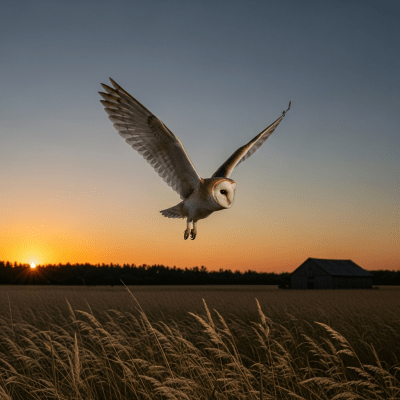
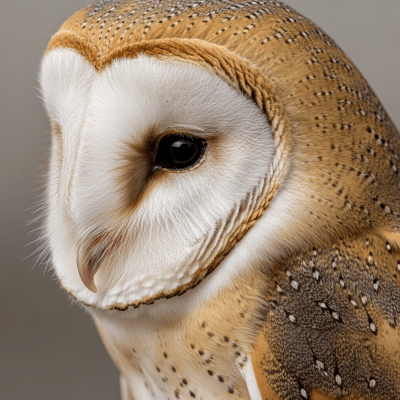
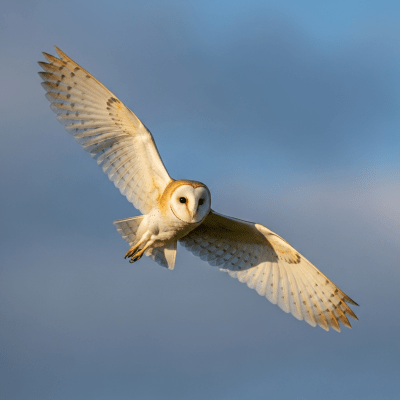
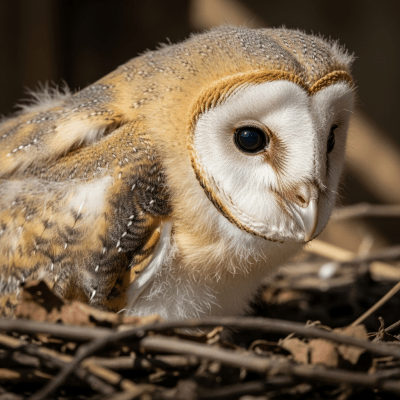
Barn Owls feed primarily on small mammals, with a strong preference for rodents like mice and voles. Their hunting strategy relies on exceptional hearing and silent flight, enabling them to detect and capture prey in total darkness. By controlling rodent populations, Barn Owls play a crucial role in maintaining ecological balance and supporting sustainable agriculture.
Barn Owls typically nest in cavities, barns, or tree hollows, laying clutches of 4–7 eggs. The female incubates the eggs while the male provides food. Chicks hatch asynchronously and are cared for in the nest until they fledge. The species may breed multiple times per year in favorable conditions, and while lifespan in the wild is variable, individuals can live several years, especially in protected environments.
Barn Owls are not currently considered threatened on a global scale, thanks to their wide distribution and adaptability. However, local populations may face risks from habitat loss, pesticide use, and reduced nesting sites. Conservation efforts often focus on preserving suitable habitats and encouraging nest box programs to support healthy populations.
Barn Owls are highly valued for their role in natural pest control, especially in agricultural areas where they help manage rodent populations. This ecological service reduces reliance on chemical rodenticides, benefiting both farmers and the environment. Additionally, Barn Owls contribute to ecotourism and educational outreach, raising awareness about wildlife conservation and sustainable farming practices.
The Barn Owl remains a wild species with no history of domestication or formal breeding. However, up to 28 subspecies are recognized globally, reflecting regional adaptations in size, plumage, and behavior. Notable subspecies include Tyto alba alba (Europe), Tyto alba guttata (Central Europe), and Tyto alba pratincola (Americas). Regional authorities may differ in subspecies classification, but all are considered part of the naturally occurring Barn Owl lineage.
The Barn Owl is known by various names around the world, including Common Barn Owl, White Owl, Silver Owl, and Ghost Owl. Its historical scientific synonym is Strix alba. These names reflect its pale coloration, nocturnal habits, and widespread presence. Regional checklists may use different names or recognize distinct subspecies, but all refer to the same iconic owl species.