Emu
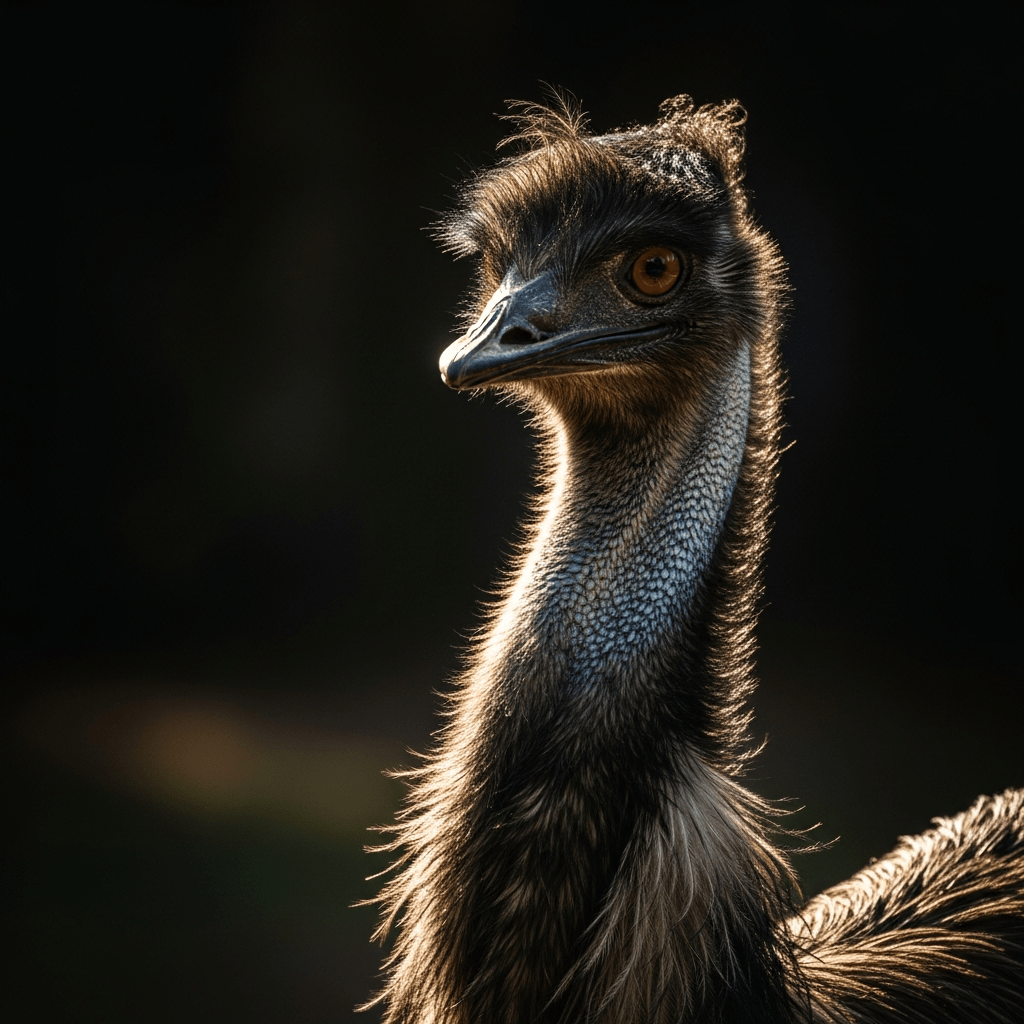
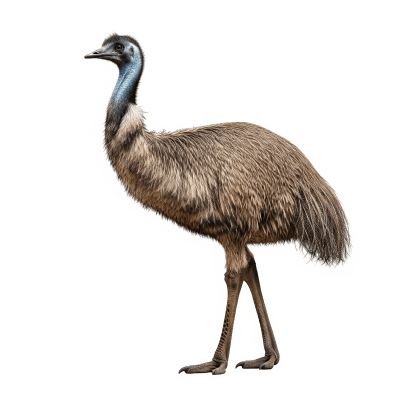
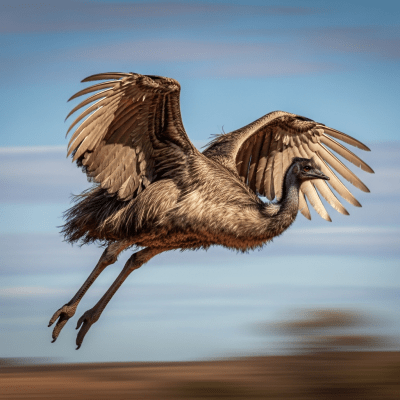
The Emu (Dromaius novaehollandiae) is Australia’s largest native bird, renowned for its flightlessness, towering stature, and distinctive shaggy brown plumage.
The Emu (Dromaius novaehollandiae) is Australia’s largest native bird, renowned for its flightlessness, towering stature, and distinctive shaggy brown plumage.
Emus are endemic to Australia, with fossil evidence tracing their lineage back to the Pleistocene epoch. First formally described by John Latham in 1790, emus have roamed the continent’s grasslands, forests, and semi-arid regions for millennia. Unlike domesticated birds, emus have always existed as wild species, deeply woven into the natural history of Australia.
The emu belongs to the family Casuariidae and the genus Dromaius. As a member of the class Aves, it is closely related to other large, flightless birds known as ratites, such as ostriches and cassowaries. Its scientific name, Dromaius novaehollandiae, reflects its unique evolutionary branch within the avian world.
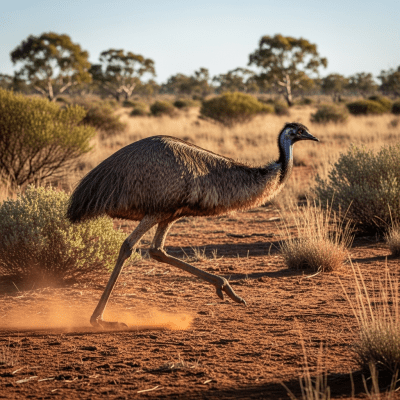
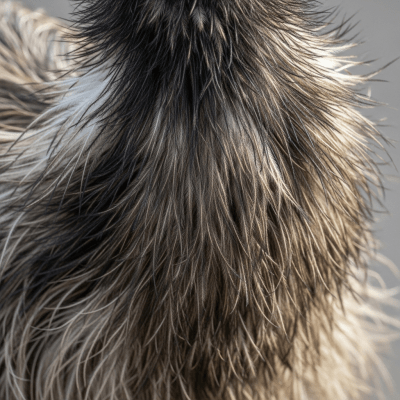
Emus are imposing birds, typically reaching heights of 1.5 to 1.9 meters and weighing up to 45 kilograms. Their coarse, shaggy brown feathers provide effective camouflage in their native habitats. Notable for their long, powerful legs and three-toed feet, emus are built for speed, able to sprint up to 50 km/h. Their large, flightless bodies and alert posture make them instantly recognizable across the Australian landscape.
Emus are highly adaptable and resilient, traversing vast distances in search of food and water. They are omnivorous, feeding on a variety of plants, seeds, insects, and small vertebrates. Males take on the role of incubating eggs and raising chicks, displaying dedicated parental care. In agricultural contexts, emus are farmed for their lean meat, valuable oil, leather, and feathers, though wild populations remain protected.
Bring this kind into your world illustrated posters, mugs, and shirts.
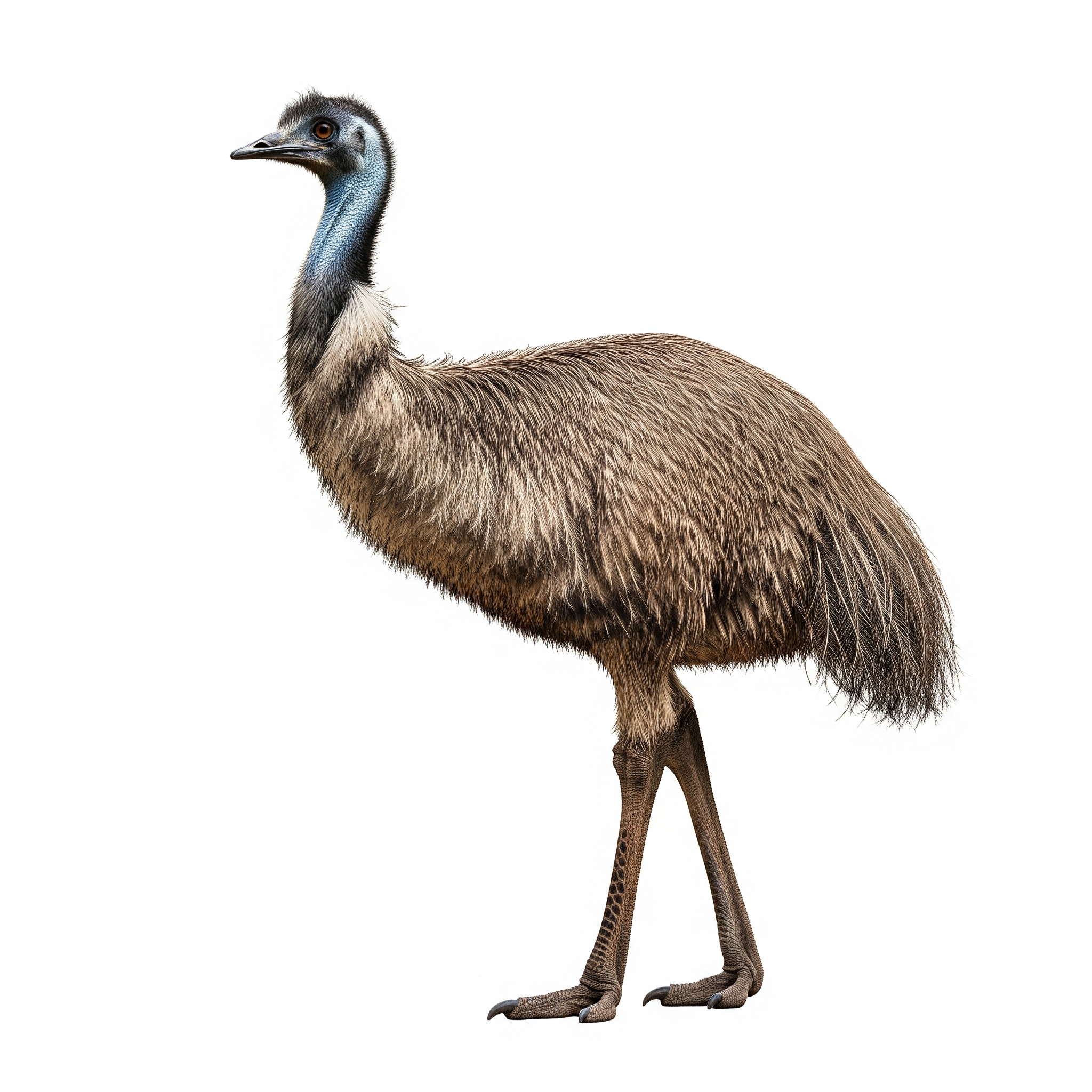
Archival print, museum-grade paper
Buy Poster
Stoneware mug, dishwasher safe
Buy Mug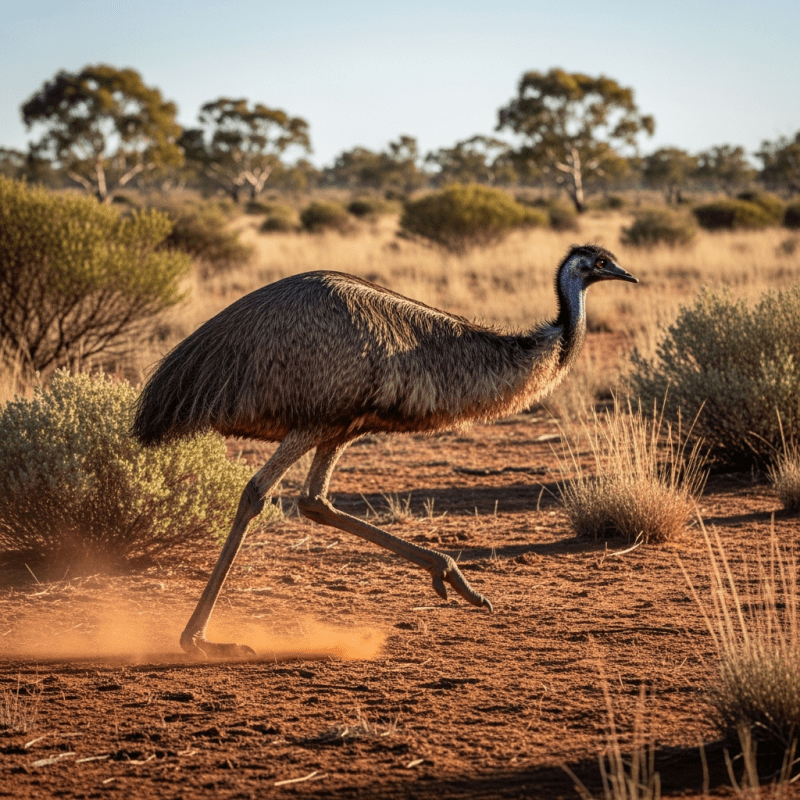
Soft cotton tee, unisex sizes
Buy ShirtEmus hold a prominent place in Indigenous Australian mythology and symbolism, often featured in creation stories and traditional art. Their image appears on the Australian coat of arms, representing the nation’s unique fauna and spirit. Emus are also celebrated in folklore, literature, and popular culture, embodying resilience and adaptability.
Emus inhabit a wide range of environments across mainland Australia, including savannahs, grasslands, forests, and semi-arid regions. They are absent from Tasmania and most offshore islands, but are otherwise widespread and adaptable throughout the continent.
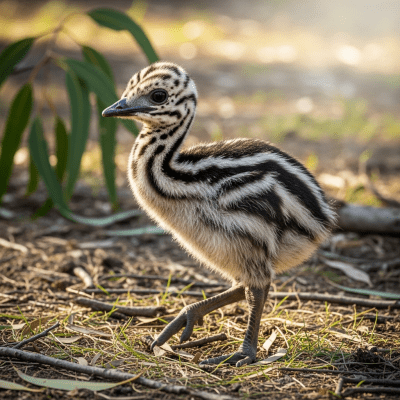
Omnivorous by nature, emus feed on a diverse diet of plants, seeds, fruits, insects, and small vertebrates. Their foraging behavior allows them to thrive in varied habitats, and they are known to travel long distances to find food and water, especially during dry seasons.
Emus breed in the wild, with males taking on the responsibility of incubating large, dark green eggs and raising the chicks. This unique parental role sets emus apart from most bird species. While specific clutch sizes and breeding seasons can vary, emus are known for their dedicated care and adaptability throughout their lifecycle.
Wild emus are protected in Australia and are not considered threatened. Their populations remain stable across most of their range, though habitat fragmentation and fencing can pose local challenges. Conservation efforts focus on maintaining healthy habitats and minimizing human-induced barriers.
Emus play a vital ecological role by dispersing seeds and maintaining vegetation dynamics in their habitats. Economically, farmed emus provide meat, oil, leather, and feathers for commercial use, with emu oil prized in cosmetics and traditional medicine. Their presence also supports tourism and educational initiatives centered on Australian wildlife.
While emus have never been domesticated in the traditional sense, they are farmed in Australia and internationally for their products. Historically, subspecies such as Dromaius ater and Dromaius diemenensis were recognized, but today the emu is classified as a single species. No formal breeds exist, but farmed populations are managed for commercial traits.