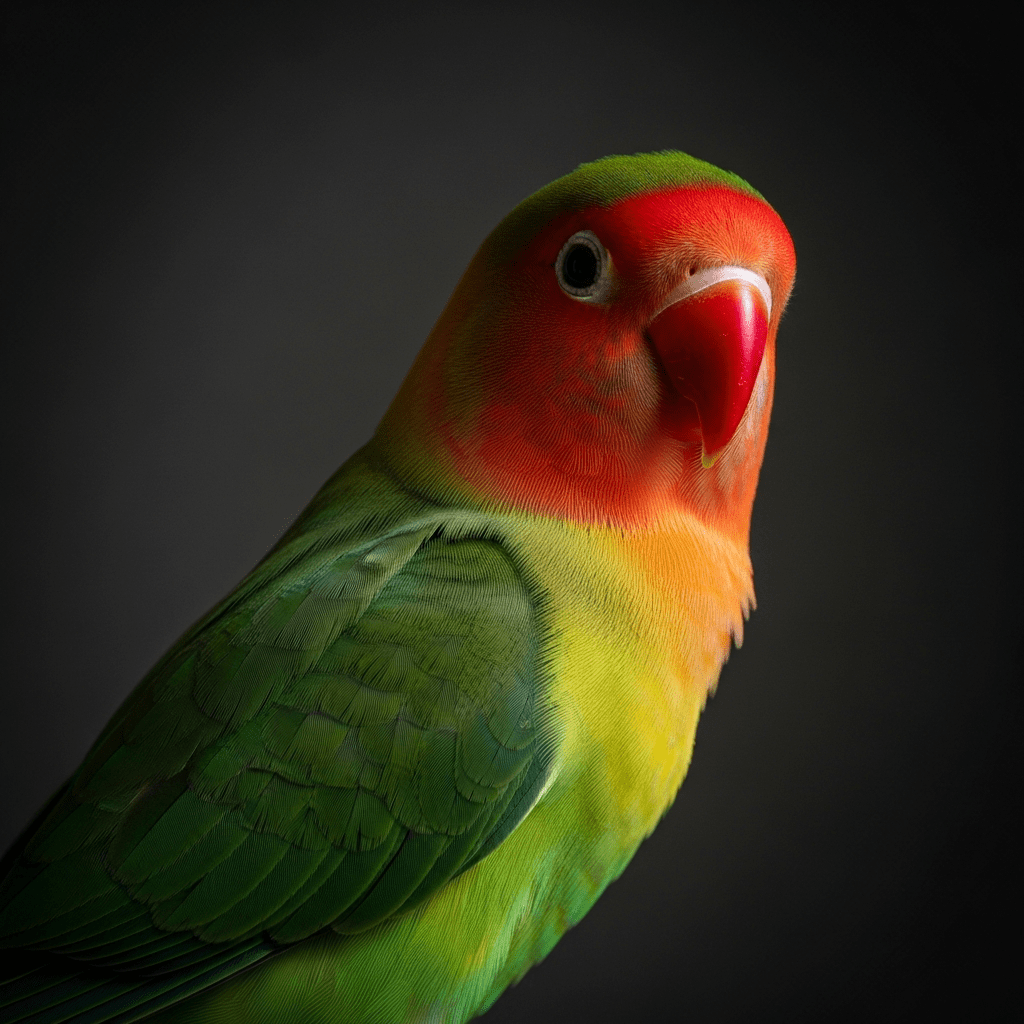
Lovebird
The lovebird is a small, vibrantly colored parrot of the genus Agapornis, celebrated for its affectionate nature and strong pair bonds.
The lovebird is a small, vibrantly colored parrot of the genus Agapornis, celebrated for its affectionate nature and strong pair bonds.
Lovebirds originate from sub-Saharan Africa and Madagascar, where they inhabit savannas and woodlands. The genus Agapornis was first described in 1816 by Martin Lichtenstein. Their journey into domestication began in the late 19th and early 20th centuries, when they were selectively bred in Europe and North America for companionship and ornamental value. Today, lovebirds are cherished worldwide as companion animals, with some species establishing feral populations beyond their native range.
Lovebirds belong to the genus Agapornis, within the family Psittaculidae and order Psittaciformes of the class Aves. As parrots, they are part of a diverse group of birds recognized for intelligence, vocalizations, and social behaviors. There are nine recognized species of lovebirds, each with unique traits but united by their characteristic affectionate pairing and compact form.
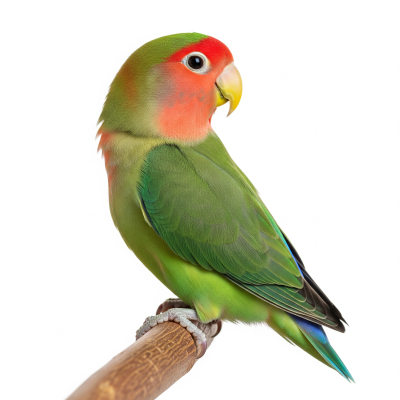
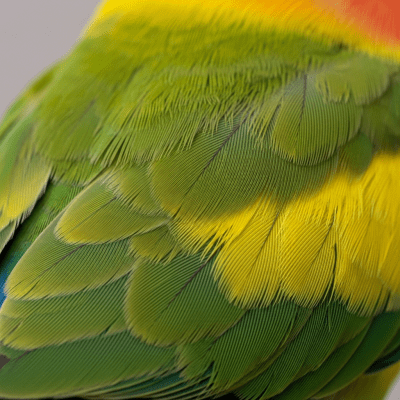
Lovebirds are petite parrots, typically measuring 13–17 cm in length and weighing around 40–60 grams. Their bodies are robust and stocky, with short, blunt tails and strong, hooked beaks. Plumage varies widely among species and color mutations, featuring vivid greens, yellows, oranges, blues, and peach tones. Their lively coloration and expressive eyes make them visually captivating, while their compact size adds to their charm as companion birds.
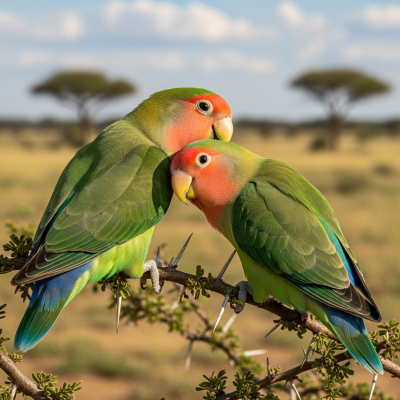
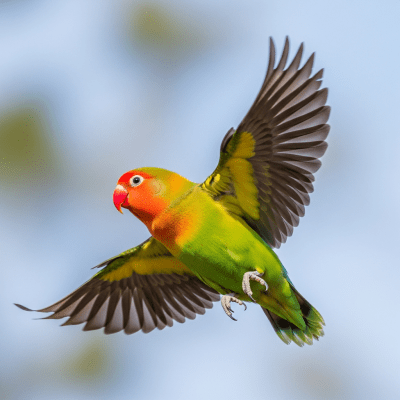
Highly social and playful, lovebirds are renowned for forming lifelong monogamous pairs, often engaging in mutual preening and feeding. Their affectionate interactions have made them symbols of devotion and popular pets. In captivity, they thrive with enrichment, spacious cages, and opportunities for flight. Lovebirds are intelligent and trainable, participating in avicultural exhibitions and delighting owners with their curious, interactive personalities.
Bring this kind into your world illustrated posters, mugs, and shirts.
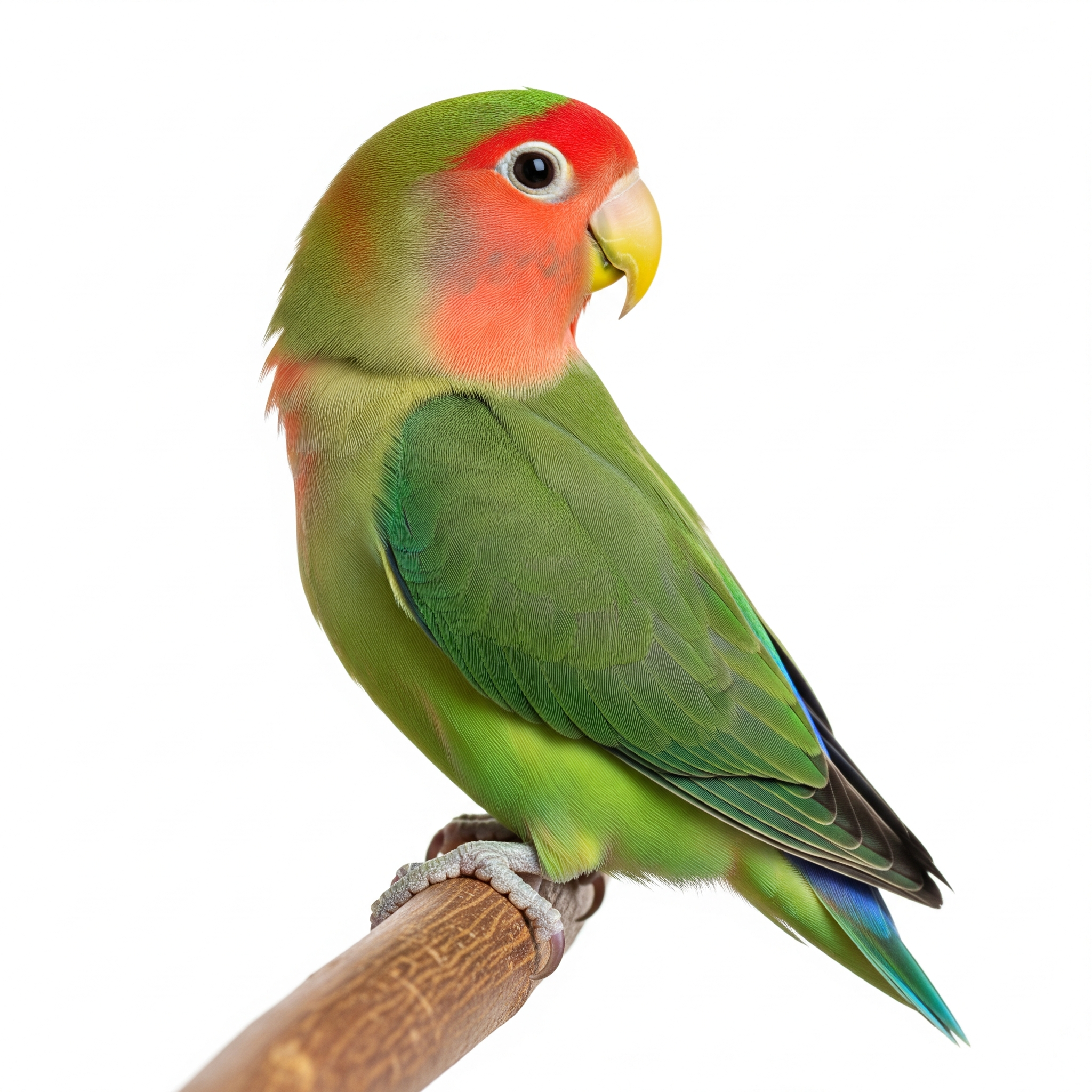
Archival print, museum-grade paper
Buy Poster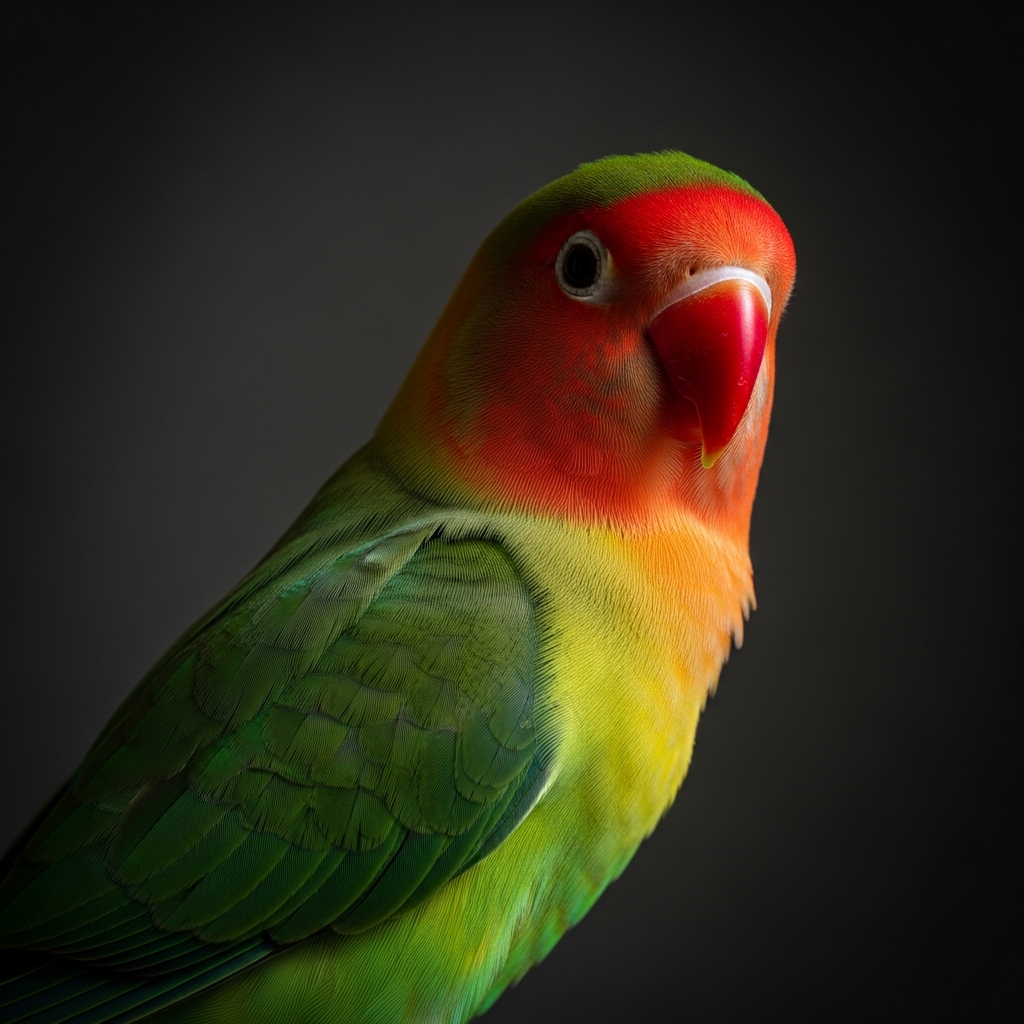
Stoneware mug, dishwasher safe
Buy Mug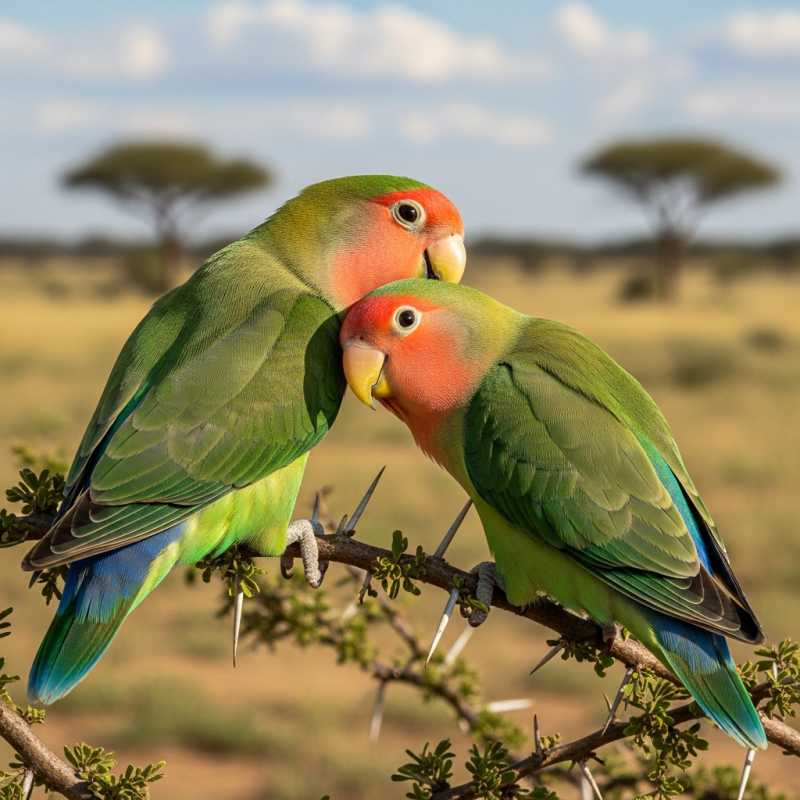
Soft cotton tee, unisex sizes
Buy ShirtThe lovebird’s name and behavior have inspired cultural symbolism of romance and fidelity. Their image frequently appears in art, literature, and popular media as an emblem of affectionate partnership. In aviculture, lovebirds are prized for their beauty and engaging nature, with selective breeding producing a dazzling array of color mutations showcased in exhibitions. Their enduring popularity as pets continues to shape their cultural footprint worldwide.
Native to sub-Saharan Africa and Madagascar, lovebirds inhabit savannas, woodlands, and areas with tree cavities or crevices for nesting. Some species, such as the Rosy-faced Lovebird, have adapted to diverse environments and established feral populations in regions outside their native range, including parts of the Americas and Europe.
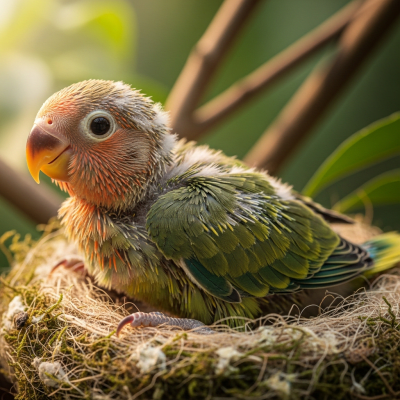
Lovebirds primarily feed on seeds, fruits, and vegetation. In the wild, they forage for a variety of plant materials, often in flocks. Captive lovebirds benefit from a diet that includes high-quality seeds, pellets, and fresh fruits and vegetables to support their health and vibrant plumage.
Lovebirds form monogamous pairs and are known for their devoted breeding behavior. They typically nest in tree cavities or crevices, constructing simple nests from available materials. While specific clutch sizes and breeding seasons vary by species, lovebirds generally lay several eggs per clutch and exhibit attentive parental care. Their lifespan in captivity can extend over a decade with proper care.
Most lovebird species are not currently threatened, though habitat loss and trapping for the pet trade have impacted some populations. Feral lovebirds may influence local ecosystems, but conservation efforts focus on maintaining wild populations and responsible aviculture. The IUCN Red List provides up-to-date assessments for individual species within the genus.
Lovebirds play a significant economic role in the pet trade, valued for their intelligence, trainability, and affectionate nature. Avicultural exhibitions and selective breeding for color mutations contribute to their market appeal. Ecologically, wild lovebirds participate in seed dispersal and serve as prey for native predators. Feral populations may alter local ecosystems, highlighting the importance of responsible ownership and management.
Domestication of lovebirds began in the late 19th century, with selective breeding in Europe and North America. Today, nine recognized species comprise the genus Agapornis, and aviculture has produced numerous color mutations and varieties. These birds are bred for companionship, exhibition, and their striking appearance, with careful attention to genetics and health in established breeding programs.