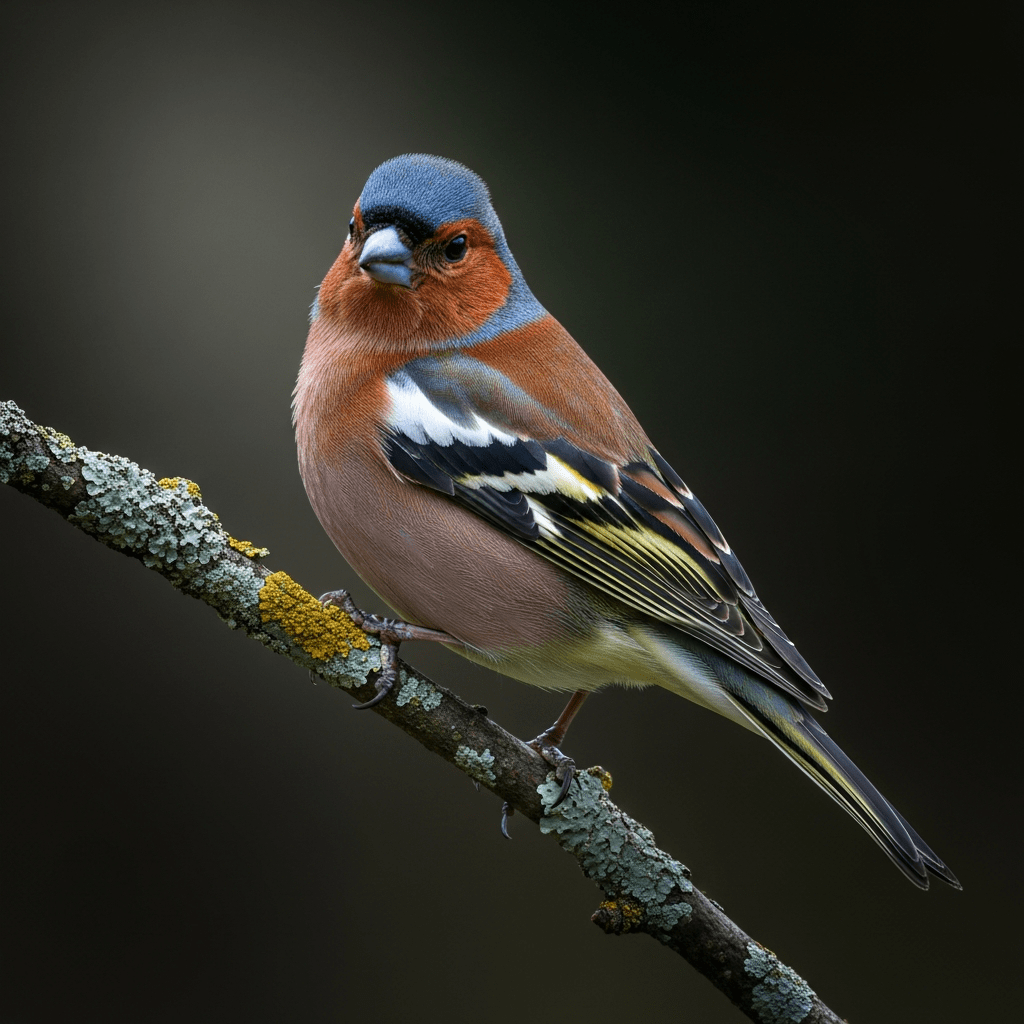
Common Chaffinch
The Common Chaffinch (Fringilla coelebs) is a vibrant, melodious small finch native to Europe, North Africa, and western Asia, celebrated for its colorful plumage and familiar presence in woodlands and gardens.
The Common Chaffinch (Fringilla coelebs) is a vibrant, melodious small finch native to Europe, North Africa, and western Asia, celebrated for its colorful plumage and familiar presence in woodlands and gardens.
First formally described by Carl Linnaeus in 1758, the Common Chaffinch has a natural origin spanning Europe, North Africa, and western Asia. Its evolutionary roots lie within the genus Fringilla of the family Fringillidae, and its widespread distribution reflects a long, unbroken history as a wild bird. The species has diversified into several subspecies, each adapted to regional conditions, but it remains a quintessential part of the European avifauna, with no domestication or breeding history beyond occasional cage-keeping for its song.
The Common Chaffinch belongs to the class Aves, order Passeriformes, family Fringillidae, and genus Fringilla. As a member of the true finches, it shares close kinship with other small, seed-eating birds. Taxonomists recognize several subspecies, reflecting its broad range and adaptability, and its classification is maintained by leading authorities such as the IOC World Bird List and BirdLife International.
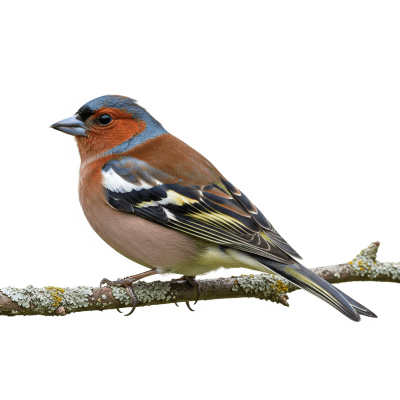
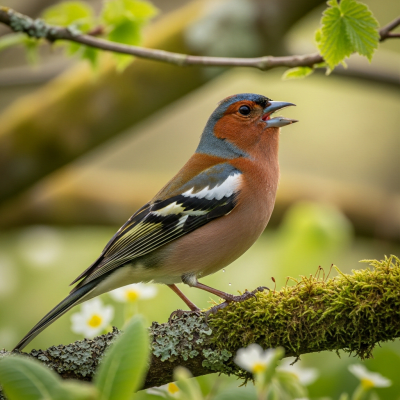
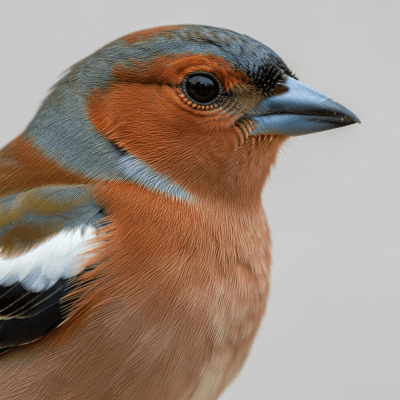
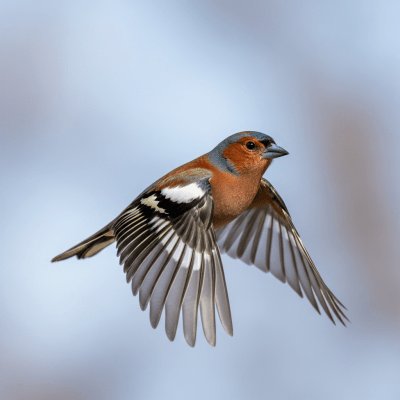
Adult Common Chaffinches are compact birds, typically measuring 14–16 cm in length with a wingspan of 24–28 cm. Males are striking, with a blue-grey cap, rust-red underparts, greenish rump, and bold white wing bars, while females present a subtler palette of browns and greys accented with white. Both sexes display distinctive wing markings, and the species is noted for its sexual dimorphism. Their lively presence is often complemented by agile movements and a crisp, melodious song.
Common Chaffinches are renowned for their complex, varied song, which plays a central role in territorial defense and courtship. They are highly adaptable, thriving in woodlands, parks, gardens, and farmlands. In northern regions, they migrate seasonally, while populations elsewhere remain resident. Their feeding habits shift from granivory—primarily seeds—to insectivory during the breeding season, supporting both their own nutrition and that of their young. Though once kept as cage birds for their song, their primary roles today are ecological and cultural.
Bring this kind into your world illustrated posters, mugs, and shirts.
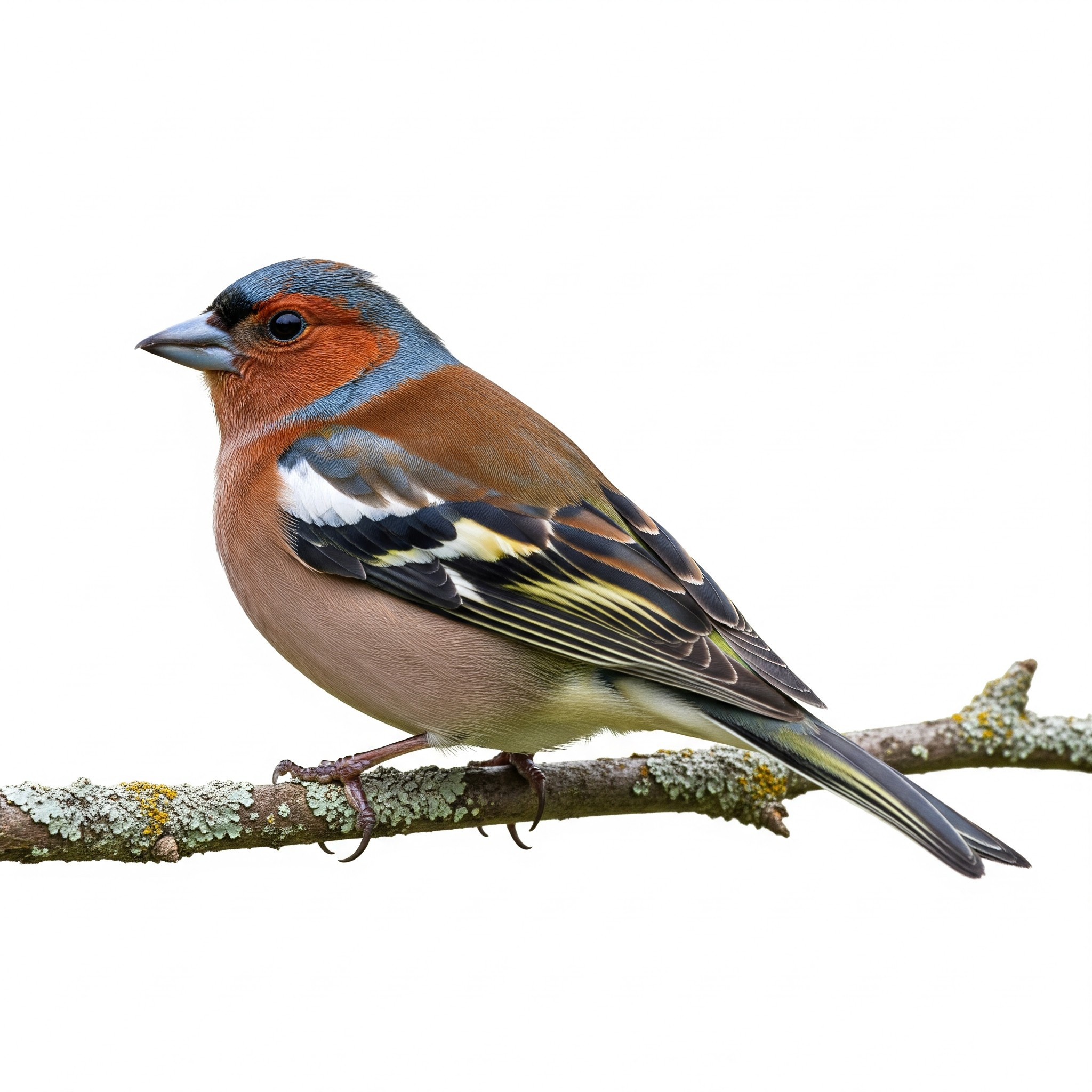
Archival print, museum-grade paper
Buy Poster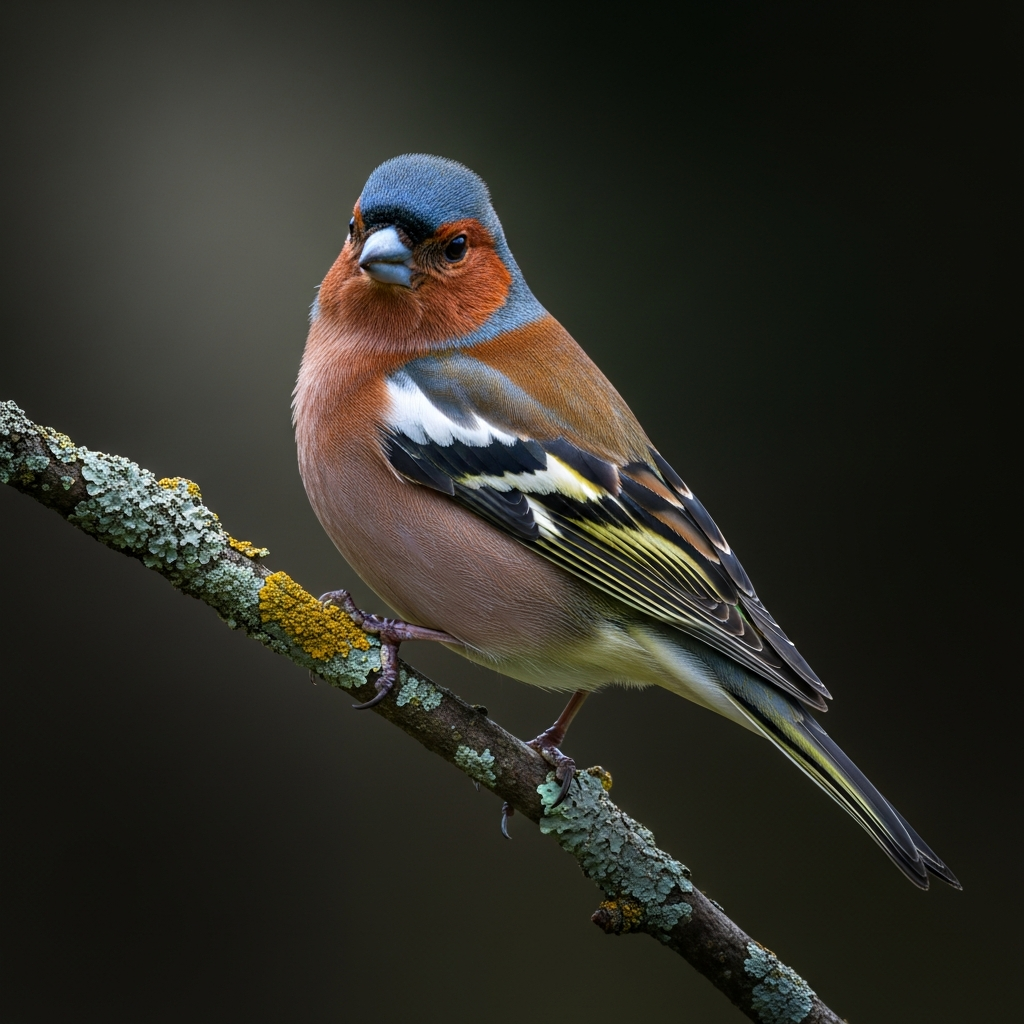
Stoneware mug, dishwasher safe
Buy Mug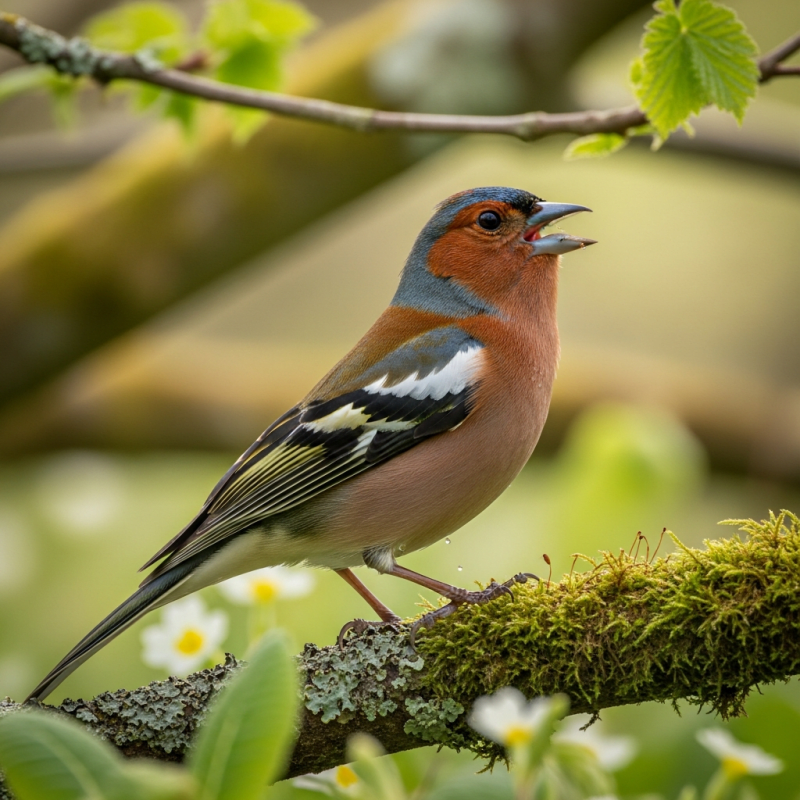
Soft cotton tee, unisex sizes
Buy ShirtThe Common Chaffinch is deeply woven into European rural life, symbolizing the arrival of spring with its cheerful song and lively presence. Historically, it was valued as a cage bird, admired for its melodious repertoire, though this practice has waned and is now often restricted. The bird features in folklore, poetry, and art, representing renewal and the beauty of nature, and remains a favorite among birdwatchers and naturalists.
Common Chaffinches are found throughout Europe, North Africa, and western Asia. Their preferred habitats include woodlands, parks, gardens, and farmlands, making them one of the most widespread and familiar finches in these regions. Northern populations migrate seasonally, while others remain year-round residents, contributing to their abundance and visibility across a broad geographic range.
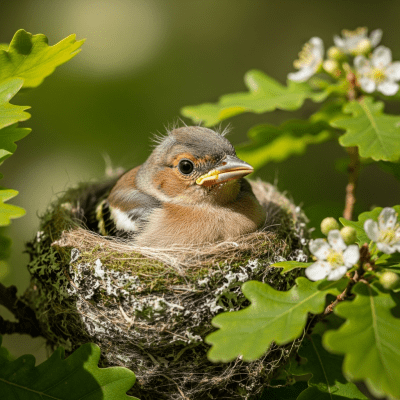
Primarily granivorous, Common Chaffinches feed on a wide variety of seeds, which form the bulk of their diet outside the breeding season. During breeding, they shift to consuming insects, providing essential protein for their growing chicks. Their foraging is typically ground-based, and their adaptability allows them to exploit food sources in both wild and cultivated landscapes.
Common Chaffinches breed in spring, constructing neat, cup-shaped nests in trees or shrubs. Females lay clutches of eggs, and both parents participate in feeding the young, especially with insects during early development. The species is known for its territorial behavior during the breeding season, and while specific lifespan data is variable, chaffinches are considered robust and long-lived for small passerines.
The Common Chaffinch is not considered threatened; its populations are stable and widespread. However, local declines may occur due to habitat loss and pesticide use. Legal protections in many countries help safeguard the species, reflecting its ecological and cultural importance.
Ecologically, Common Chaffinches are vital seed dispersers and insect predators, contributing to the health of both wild and cultivated ecosystems. Their presence supports biodiversity and natural pest control. While they have little direct economic value, their cultural significance and role in birdwatching and education are substantial, fostering appreciation for avian diversity.
The Common Chaffinch is a wild species with no history of domestication or formal breeding. While it was once kept as a cage bird for its song, it has never been cultivated or bred for specific traits. Notable subspecies include F. c. coelebs (western Europe), F. c. gengleri (Iberia), and F. c. africana (North Africa), each reflecting regional adaptation.