Peafowl
Peafowl are large, ornamental birds celebrated for the dazzling plumage of their males and their enduring cultural symbolism across continents.
Peafowl are large, ornamental birds celebrated for the dazzling plumage of their males and their enduring cultural symbolism across continents.
Peafowl trace their origins to South Asia, Southeast Asia, and Central Africa, with each species native to distinct regions: the Indian Peafowl to South Asia, the Green Peafowl to Southeast Asia, and the Congo Peafowl to the Congo Basin. The Indian Peafowl was first described by Carl Linnaeus in 1758, the Green Peafowl by Linnaeus in 1766, and the Congo Peafowl by Dr. James P. Chapin in 1936. Domestication of the Indian Peafowl dates back centuries, with records in ancient India, Persia, and Greece, primarily for ornamental and symbolic purposes.
Peafowl belong to the order Galliformes and the family Phasianidae, which includes pheasants and related birds. The group comprises two genera: Pavo (Indian and Green Peafowl) and Afropavo (Congo Peafowl). Their scientific names are Pavo cristatus, Pavo muticus, and Afropavo congensis. Peafowl are part of the broader class Aves, sharing evolutionary ties with other ground-dwelling, often ornamental birds.
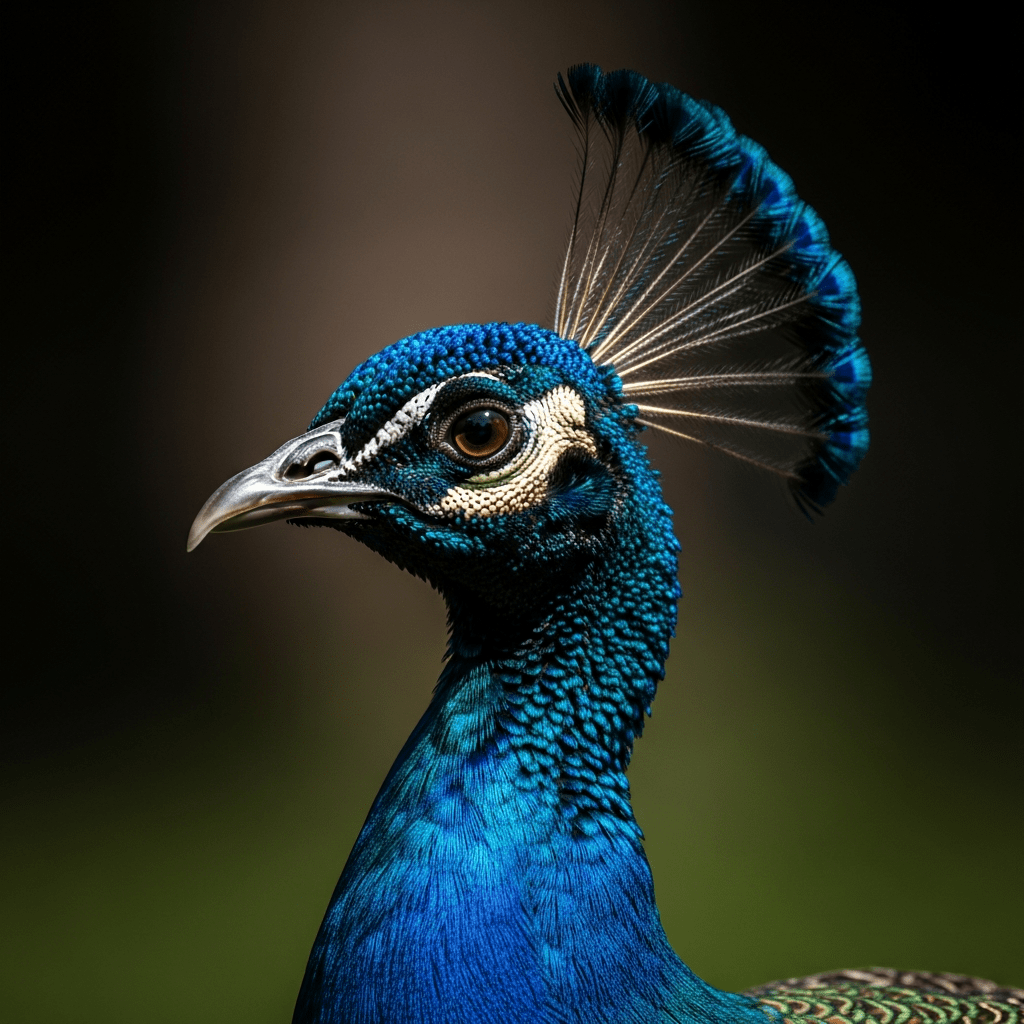
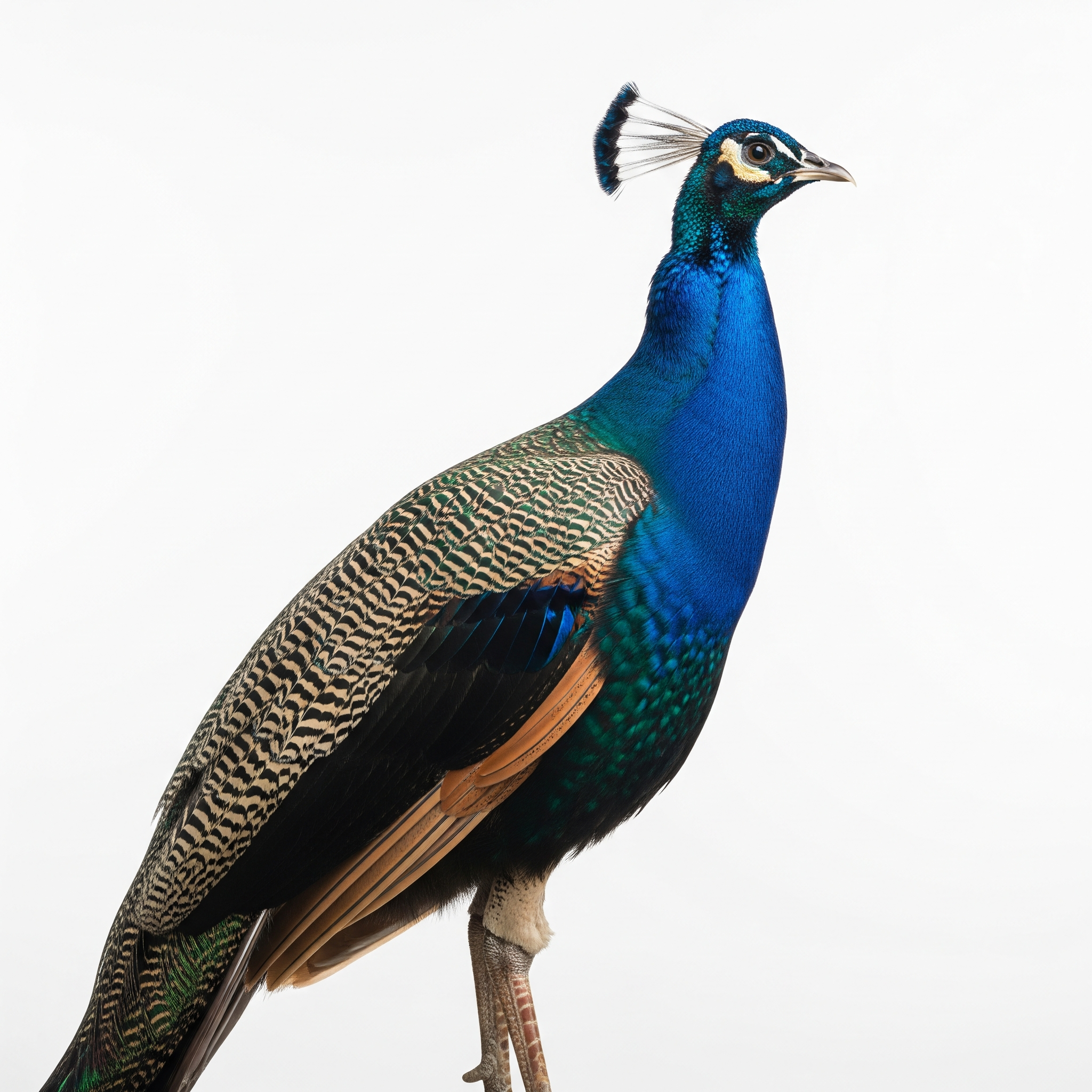
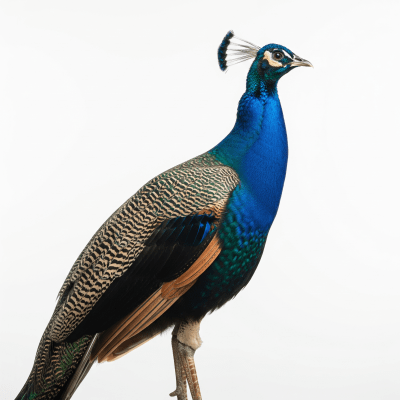
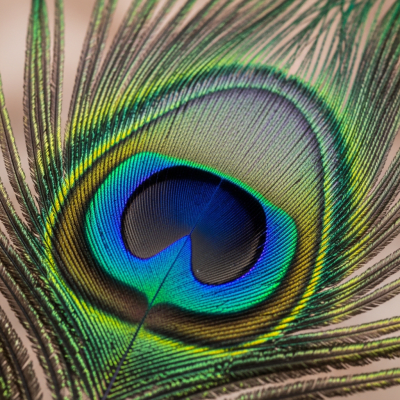
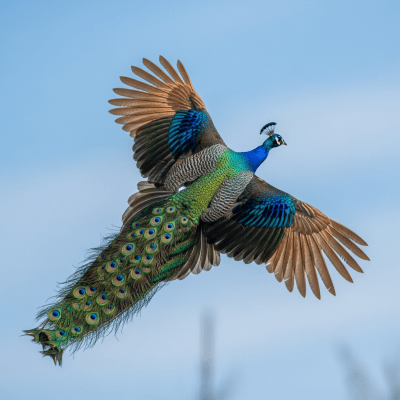
Peafowl are renowned for their striking appearance, especially the males, known as peacocks. The Indian Peafowl male boasts iridescent blue neck and head feathers, a fan-shaped crest, and a spectacular train of eye-spotted feathers that can reach up to 2.3 meters in length. Green Peafowl males display green and bronze plumage with a more elongated train, while the Congo Peafowl is more subdued, featuring blue and green feathers and lacking the extravagant train. Females (peahens) are smaller and less ornamented, exhibiting sexual dimorphism. The overall impression is one of grandeur, with shimmering colors and dramatic displays.
Peafowl are primarily ground-dwelling but roost in trees for safety. Males engage in elaborate courtship displays, fanning their trains and vibrating feathers to attract females. Their social structure varies by species, with some living in loose groups. Peafowl are omnivorous, foraging for seeds, insects, small reptiles, and plant material. Domesticated peafowl are kept for ornamental purposes in parks, estates, and aviaries, and their feathers are collected for decoration and crafts.
Bring this kind into your world illustrated posters, mugs, and shirts.
Archival print, museum-grade paper
Buy Poster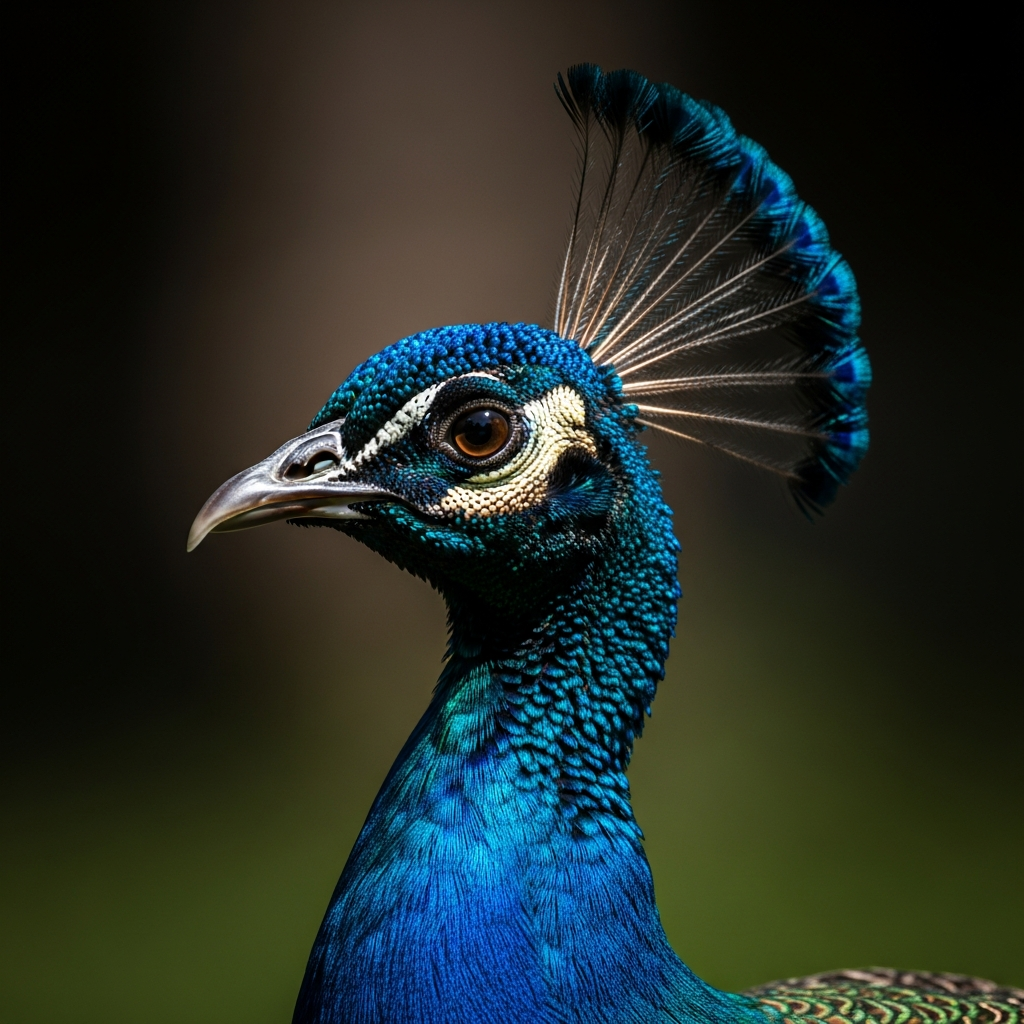
Stoneware mug, dishwasher safe
Buy Mug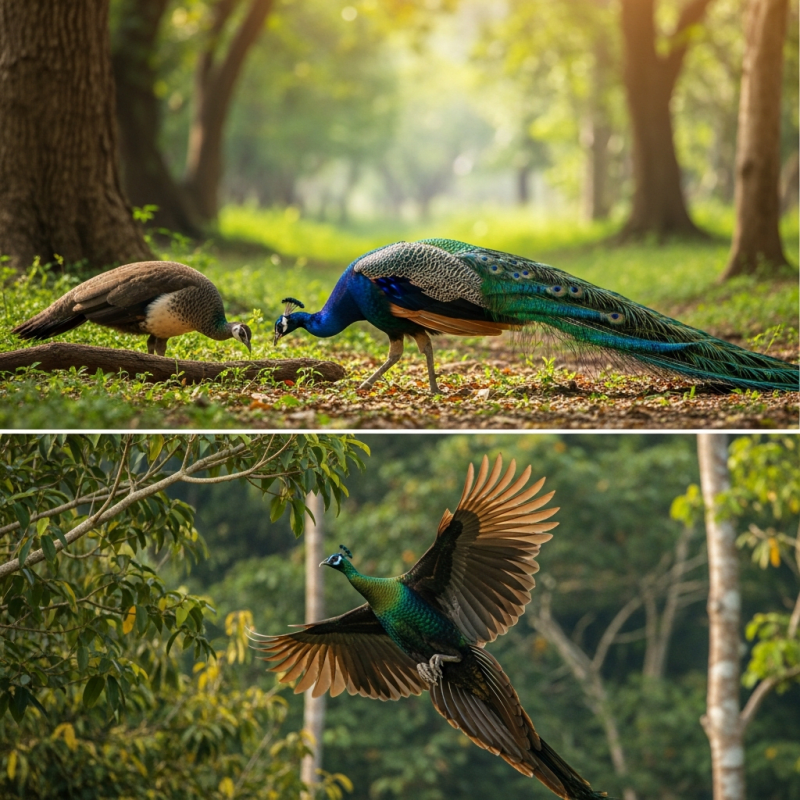
Soft cotton tee, unisex sizes
Buy ShirtPeafowl hold profound cultural importance worldwide. The Indian Peafowl is the national bird of India and symbolizes royalty, immortality, and beauty in art, myth, and religion. Their feathers are used in ceremonial attire, religious rituals, and decorative crafts. In ancient Persia and Greece, peafowl were associated with nobility and divine protection. The image of the peacock has permeated literature, folklore, and modern design, representing pride and elegance.
Peafowl inhabit forests, open woodlands, and areas near water. The Indian Peafowl is native to South Asia, the Green Peafowl to Southeast Asia, and the Congo Peafowl to the Congo Basin in Central Africa. Domesticated Indian Peafowl have been introduced to parks and estates worldwide, but wild populations remain regionally distinct and tied to their native habitats.
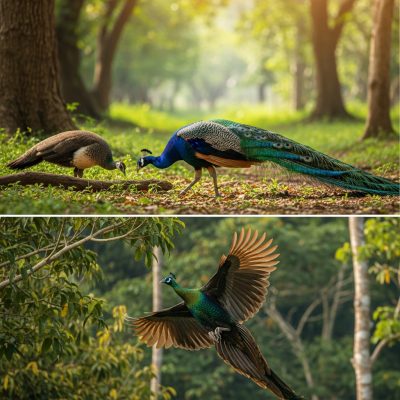
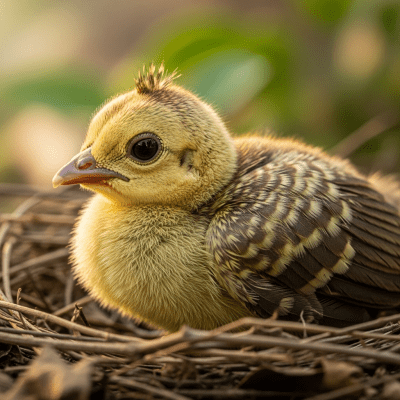
Peafowl are omnivorous, feeding on a diverse diet that includes seeds, insects, small reptiles, and plant material. They forage on the ground, using their keen eyesight to locate food, and occasionally supplement their diet with fruits and small animals found in their environment.
Peafowl breed seasonally, with timing varying by region and species. Males display their trains to attract females, who select mates based on the vibrancy and size of the display. Females lay clutches of eggs in concealed nests on the ground. Chicks are precocial, able to follow their mother soon after hatching. Lifespan varies, but peafowl are generally hardy, with domesticated individuals living longer under care.
Conservation status varies among peafowl species. The Indian Peafowl is widespread and not currently threatened, while the Green Peafowl faces habitat loss and population decline in Southeast Asia. The Congo Peafowl is endemic to Central Africa and considered vulnerable due to restricted range and habitat degradation. Major threats include predation, habitat destruction, and hunting in some regions.
Peafowl play a significant role in ornamental aviculture and the feather trade, with their striking feathers used in decoration and crafts. Ecologically, they contribute to seed dispersal and insect population control. Their presence in parks and estates adds aesthetic and cultural value, though their direct agricultural or culinary economic impact is limited.
The Indian Peafowl has been domesticated for centuries, primarily for ornamental and cultural purposes. Domesticated varieties are bred for vibrant plumage and docile temperament. The Green Peafowl and Congo Peafowl are less commonly kept, but subspecies such as the Javan Peafowl exist. Domestication history is rich, with peafowl appearing in ancient gardens and royal courts from India to Greece.