
Northern Cardinal
The Northern Cardinal (Cardinalis cardinalis) is a striking North American songbird, instantly recognized by its vivid red plumage and melodic whistled song.
The Northern Cardinal (Cardinalis cardinalis) is a striking North American songbird, instantly recognized by its vivid red plumage and melodic whistled song.
First formally described by Carl Linnaeus in 1758, the Northern Cardinal is native to eastern and central North America. It arose naturally within the genus Cardinalis, with no history of domestication or human breeding. Its presence in gardens and woodlands has made it a familiar sight across its native range.
The Northern Cardinal belongs to the family Cardinalidae, within the class Aves. Its scientific name is Cardinalis cardinalis. As a member of the order Passeriformes, it is part of a diverse group of perching birds known for their vocalizations and varied plumage. The species is one of the most widely recognized representatives of its family.
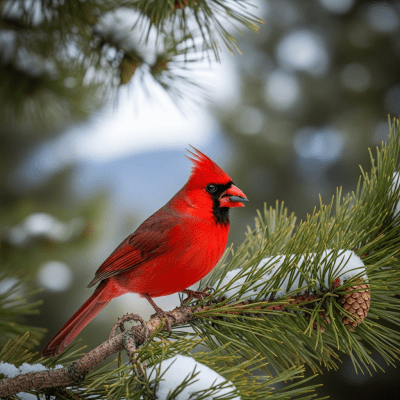
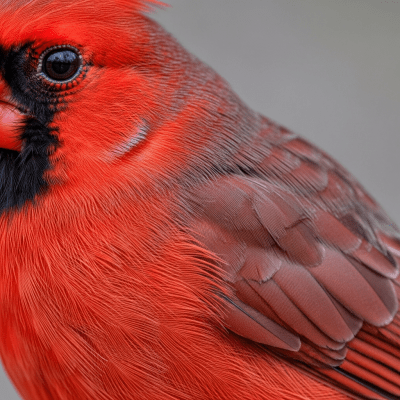
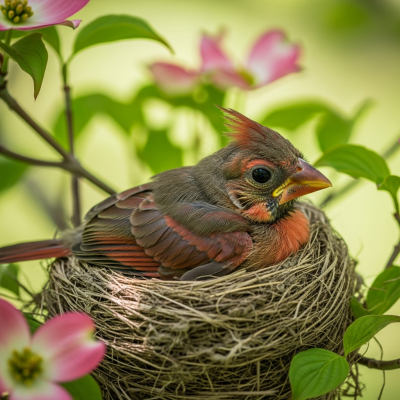
Adult male Northern Cardinals are celebrated for their brilliant red feathers, prominent crest, and striking black facial mask. Females are pale brown with subtle reddish highlights and a softer crest. Both sexes possess a stout, conical orange-red bill, perfect for cracking seeds. Measuring about 22 cm in length with a wingspan of 28 cm, their vivid coloration and bold features make them unmistakable in any setting.
Northern Cardinals are non-migratory, fiercely territorial, and monogamous. They often nest in dense shrubs and are known for their melodic whistled songs, which play a vital role in communication and territory defense. Their adaptability allows them to thrive in gardens, parks, and woodlands, making them a favorite among birdwatchers and a symbol of natural beauty in urban and rural environments.
Bring this kind into your world illustrated posters, mugs, and shirts.
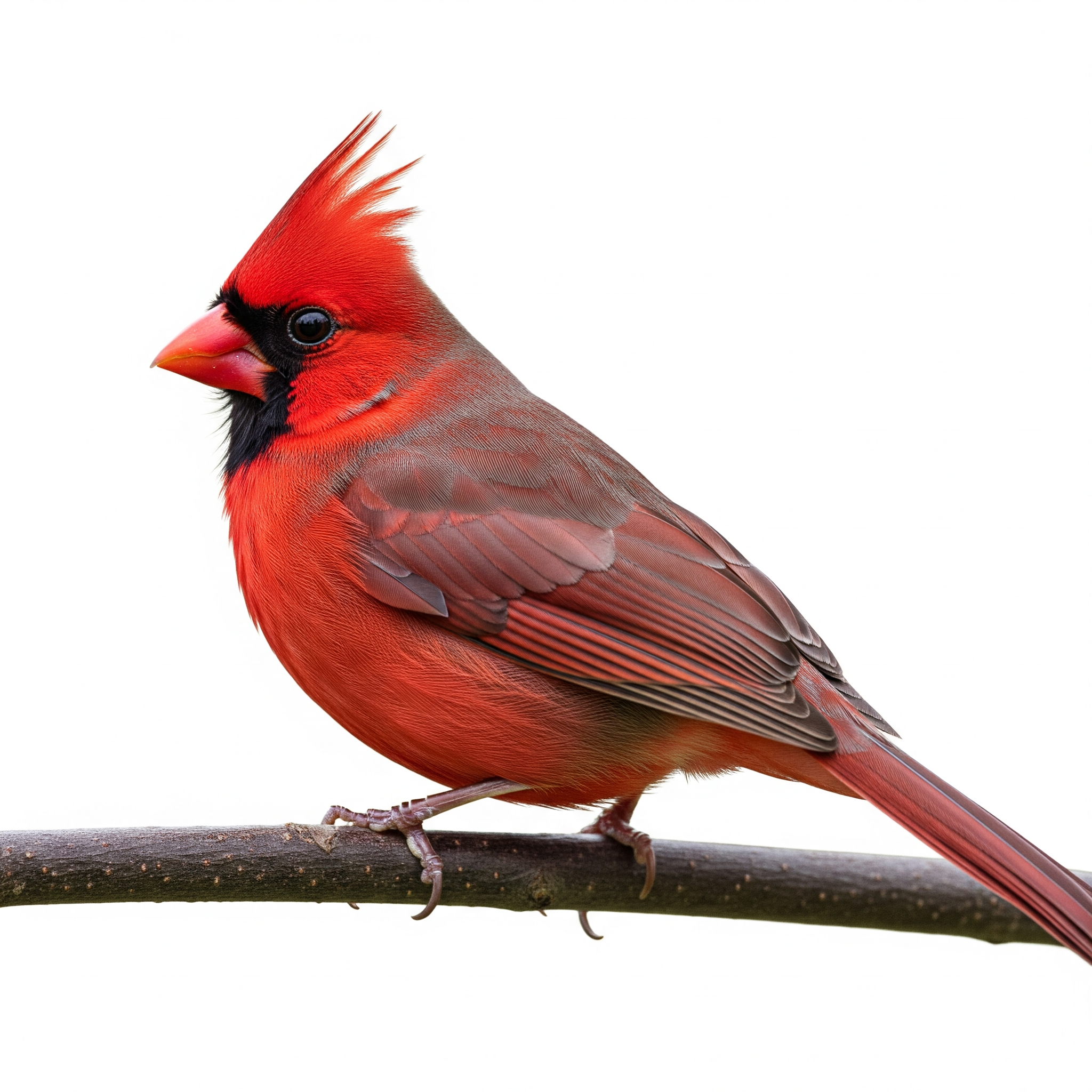
Archival print, museum-grade paper
Buy Poster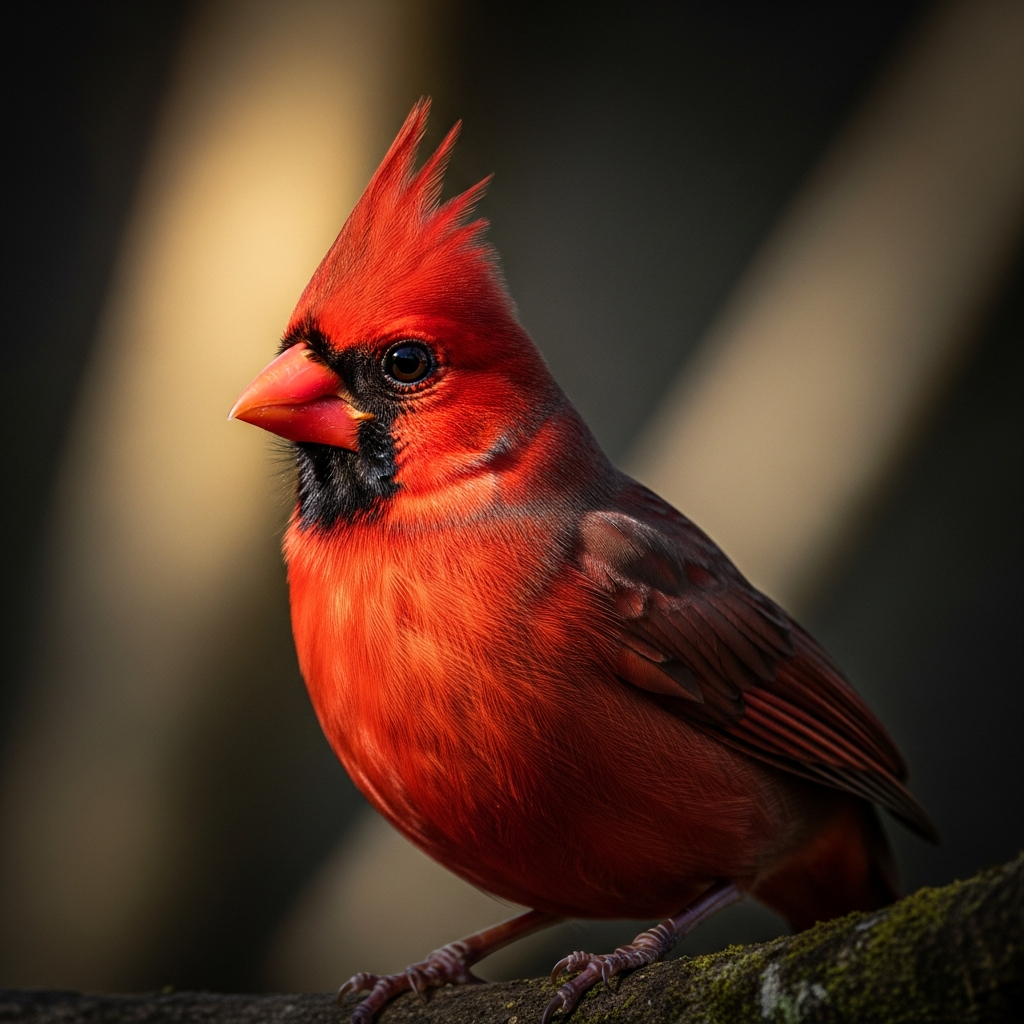
Stoneware mug, dishwasher safe
Buy Mug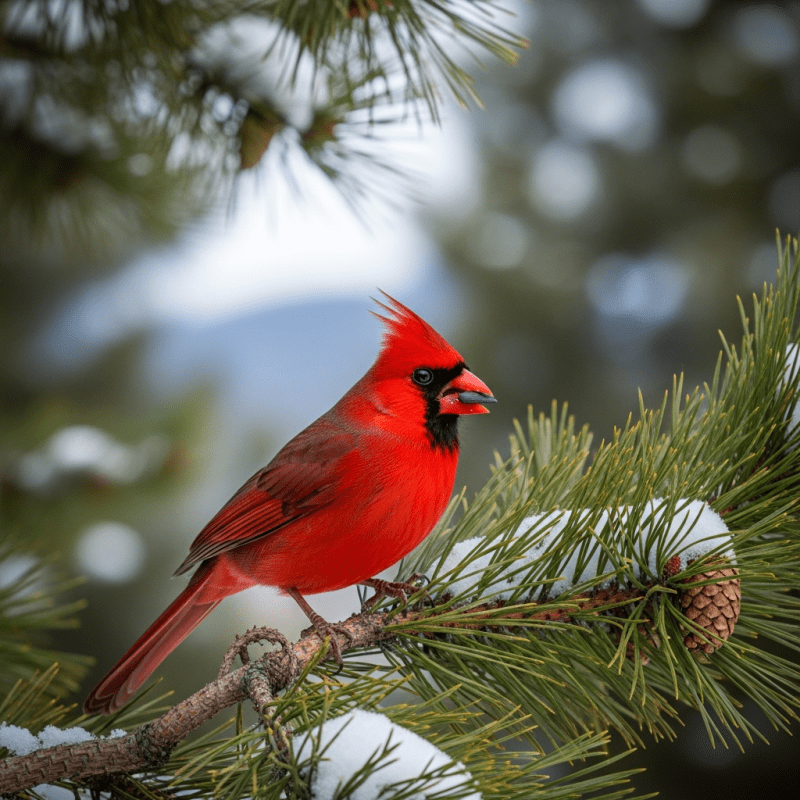
Soft cotton tee, unisex sizes
Buy ShirtThe Northern Cardinal holds a cherished place in American culture, serving as the state bird for seven U.S. states. Its image is widely used in art, sports team logos, and literature, embodying themes of vitality and resilience. The bird’s vibrant appearance and uplifting song have inspired countless artistic representations and continue to be a source of regional pride and symbolism.
Northern Cardinals inhabit a broad range across eastern and central North America. They are commonly found in gardens, woodlands, dense shrubs, and urban parks, adapting well to both rural and city landscapes. Their distribution reflects their ability to thrive in varied environments, wherever suitable cover and food sources are available.

The Northern Cardinal’s diet consists primarily of seeds, fruits, and insects. Its strong, conical bill is specially adapted for cracking seeds, while its foraging behavior includes searching low shrubs and the ground for food. Cardinals also supplement their diet with berries and small invertebrates, especially during the breeding season.
Northern Cardinals are monogamous and typically nest in dense shrubs or thickets. Both parents participate in feeding the young. While specific clutch size and breeding season details vary regionally, cardinals are known for their devoted pair bonds and territorial nesting habits. Their melodic songs play a role in mate attraction and territory defense.
The Northern Cardinal is not considered threatened and enjoys stable populations throughout its range. Protection by law in most areas ensures its continued abundance, with no major threats currently impacting its conservation status.
Northern Cardinals contribute significantly to birdwatching and ecotourism, drawing enthusiasts to parks and gardens. Ecologically, they aid in seed dispersal and insect control, supporting plant health and biodiversity. Their role as a state symbol and cultural icon also adds economic value through art, merchandise, and regional branding.
The Northern Cardinal is a wild species with no history of domestication. There are no recognized breeds or subspecies accepted by major authorities, though minor regional variations in plumage and song exist. Its protection under law prevents captive breeding for pets or trade.