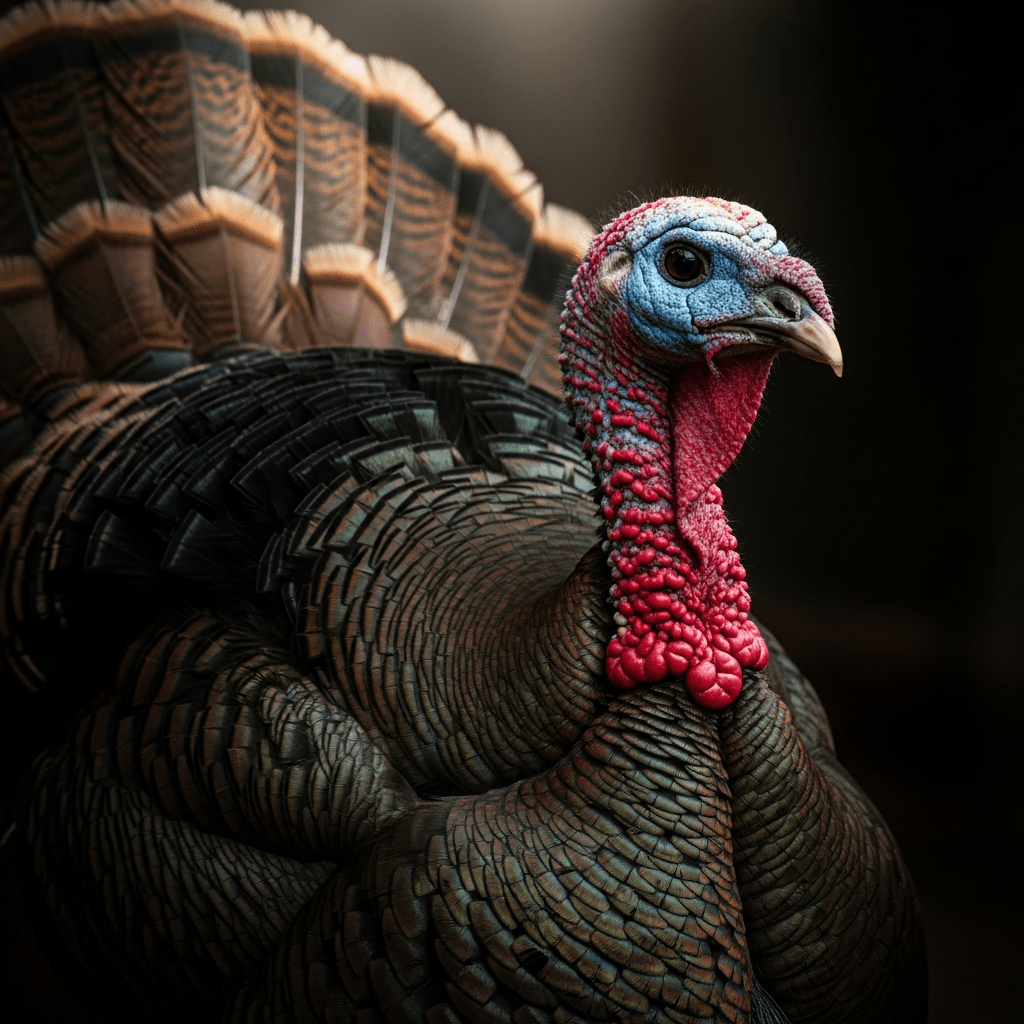
Domestic Turkey
The Domestic Turkey (Meleagris gallopavo) is a large, ground-dwelling bird, widely raised for its meat and renowned for its cultural significance, especially in North America.
The Domestic Turkey (Meleagris gallopavo) is a large, ground-dwelling bird, widely raised for its meat and renowned for its cultural significance, especially in North America.
Originating in Mesoamerica, the Domestic Turkey was first domesticated by indigenous peoples as early as 800 BCE. Spanish explorers brought turkeys to Europe in the 16th century, where selective breeding further shaped their form and utility. The domestic turkey descends from wild turkeys native to North America, primarily the subspecies M. g. gallopavo and M. g. mexicana. Modern commercial breeds have been refined in the United States and Europe since the 19th century, resulting in the diverse varieties raised today.
The Domestic Turkey belongs to the class Aves, order Galliformes, family Meleagrididae, genus Meleagris, and species gallopavo. While sometimes classified as a subspecies (Meleagris gallopavo domestica), most authorities recognize it as the domesticated form of the wild turkey. Its close relatives include other galliform birds such as chickens, pheasants, and quails, all sharing traits suited for ground-dwelling lifestyles.
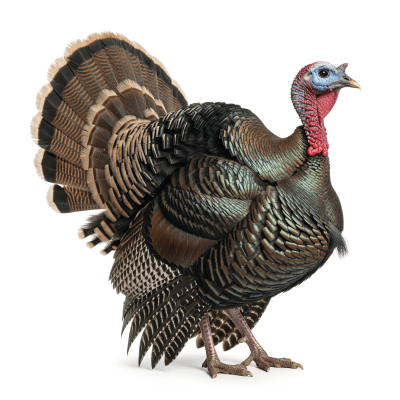
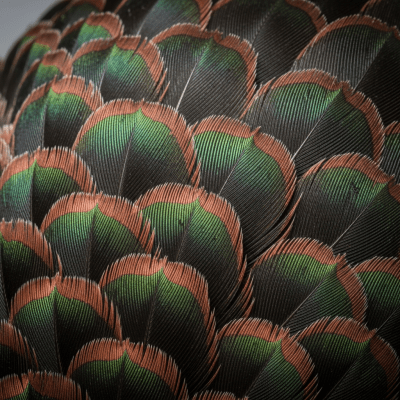
Domestic turkeys are notable for their impressive size—adult males (toms) often weigh 10–20 kg, while females (hens) range from 7–11 kg. They have broad bodies, bare heads and necks adorned with fleshy caruncles, wattles, and a prominent snood. Their fan-shaped tails are a signature feature, especially when displayed. Plumage varies by breed: most commercial turkeys are white, while heritage breeds showcase bronze, black, and other striking colors. The overall impression is of a robust, stately bird with distinctive ornamental features.
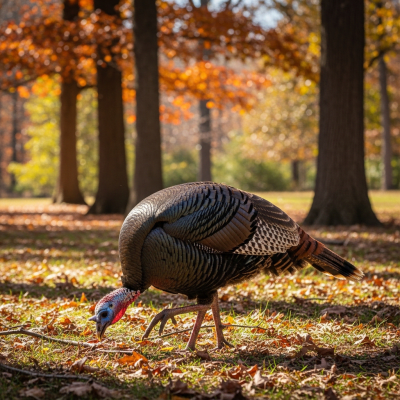
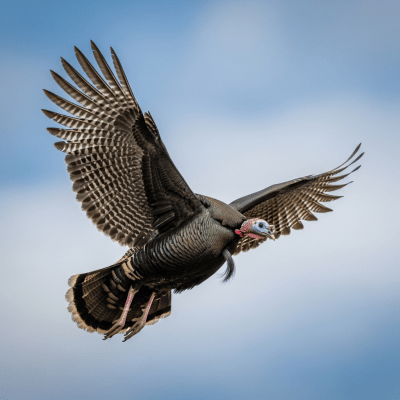
Domestic turkeys are slow-moving and primarily ground-oriented, with limited flight ability due to their size. They are raised in intensive, semi-intensive, and free-range systems, depending on breed and market. Commercial strains are selected for rapid growth and high breast meat yield, making them a cornerstone of poultry agriculture. Beyond meat, turkeys provide feathers and by-products for crafts and industry, though these uses are less common. Eggs are edible but rarely marketed, as the focus remains on meat production.
Bring this kind into your world illustrated posters, mugs, and shirts.
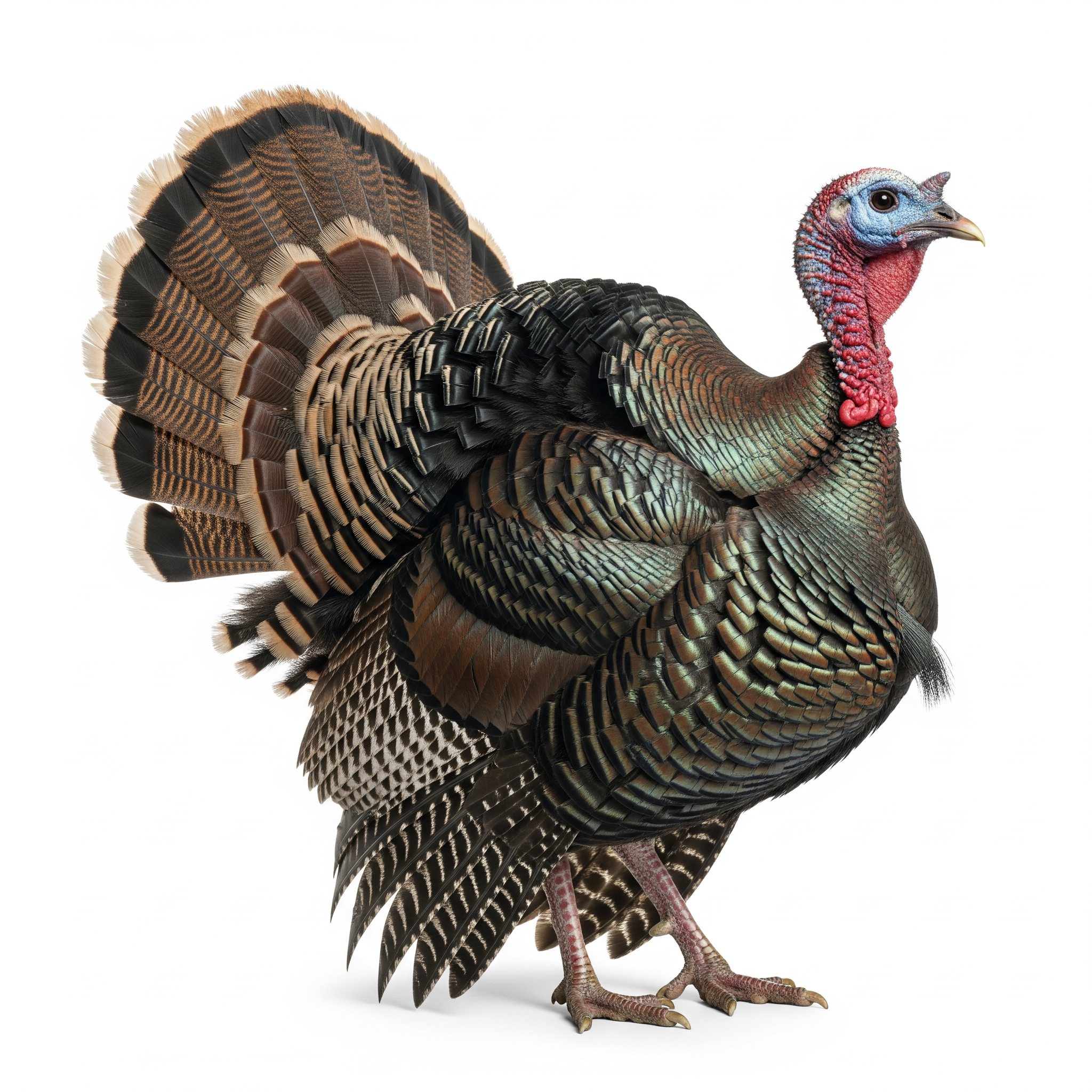
Archival print, museum-grade paper
Buy Poster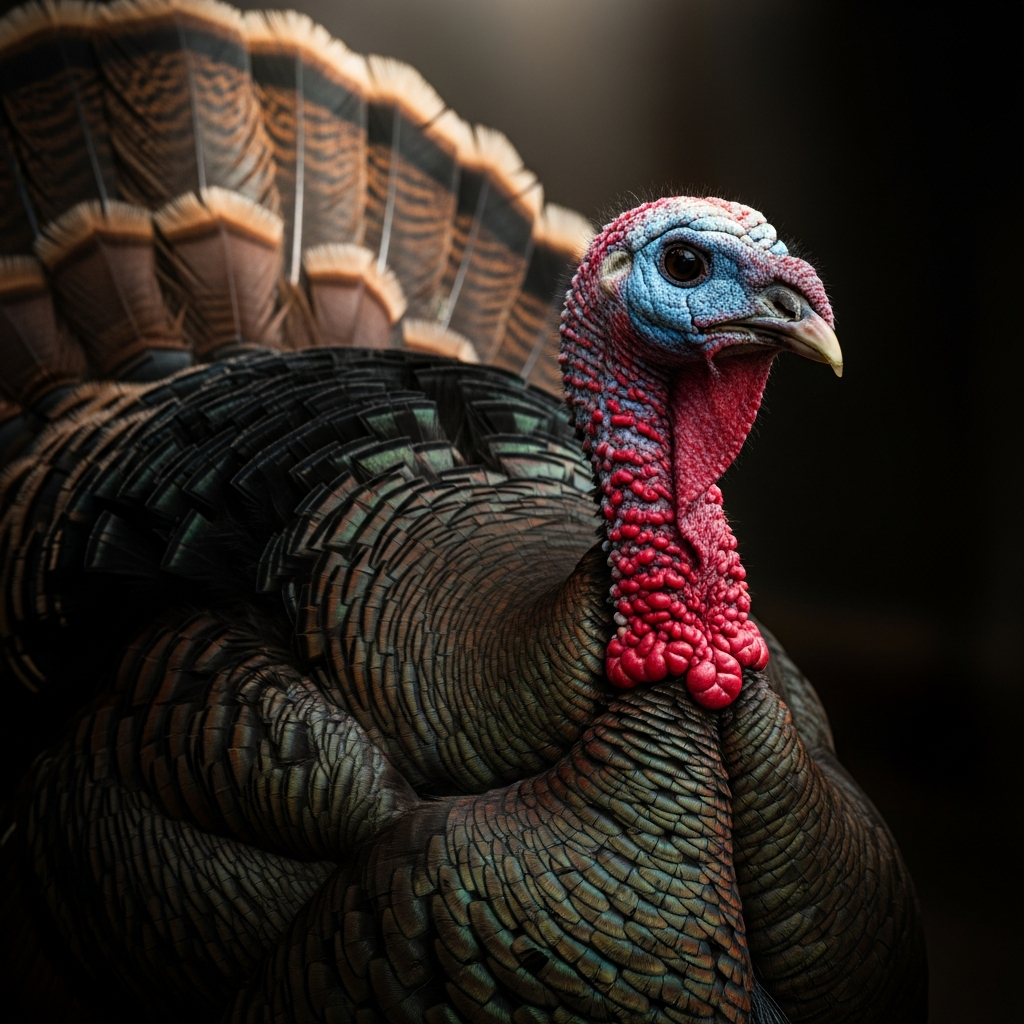
Stoneware mug, dishwasher safe
Buy Mug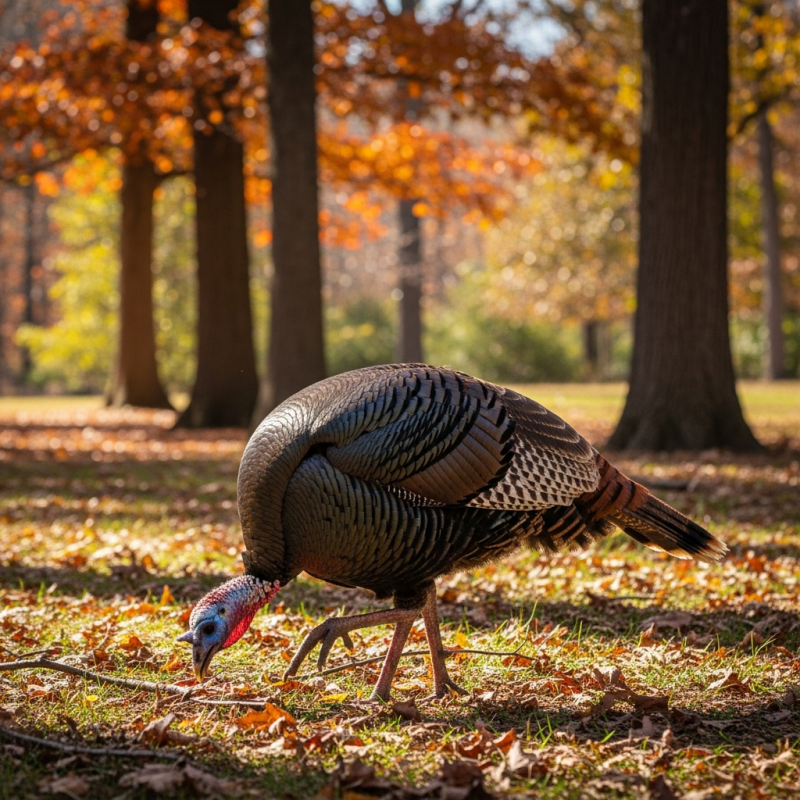
Soft cotton tee, unisex sizes
Buy ShirtFew birds rival the Domestic Turkey in cultural resonance, especially in North America. It is a central figure in Thanksgiving and Christmas celebrations, symbolizing abundance and tradition. In the United States, the turkey is woven into national identity, appearing in folklore, art, and even as the subject of presidential pardons. Its image graces holiday tables, children’s crafts, and popular culture, embodying both culinary and symbolic importance.
Domestic turkeys are found worldwide, wherever poultry farming is practiced. Their origins trace to North America, but today they are raised in intensive, semi-intensive, and free-range systems across the globe. Unlike their wild ancestors, domestic turkeys rely on human-managed environments for shelter, feeding, and breeding.
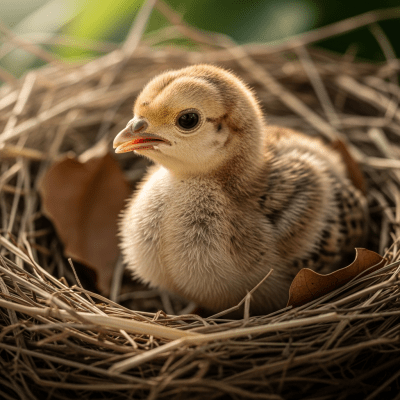
Turkeys are omnivorous, with commercial diets carefully formulated for rapid growth and optimal health. In natural settings, they consume seeds, insects, and vegetation. Modern farming provides balanced feeds rich in protein and energy, supporting their substantial size and meat yield.
Domestic turkeys breed under managed conditions, with selective breeding focusing on traits like growth rate and meat quality. Hens lay clutches of eggs, though the exact number varies by breed and management. The lifecycle from hatching to market is relatively short in commercial systems, while heritage breeds may live longer and reproduce more naturally. Eggs are incubated artificially or by hens, but commercial production rarely markets turkey eggs.
As a domesticated species, the Domestic Turkey is not subject to conservation assessments like wild birds. However, heritage breeds may face risks from industrial farming practices that favor commercial strains. Disease susceptibility, such as to avian influenza and blackhead, can impact flocks, emphasizing the need for careful management.
The Domestic Turkey is one of the most economically important poultry species worldwide, playing a major role in agriculture and the food industry. Its meat is a staple in many countries, particularly in North America. While turkeys have limited ecological impact compared to wild birds, their production supports livelihoods, food security, and related industries such as feed manufacturing and processing.
Domestication of the turkey began in Mesoamerica over two millennia ago, with selective breeding intensifying after introduction to Europe. Today, a wide range of breeds exists, including the Broad Breasted White (dominant in commercial production), Bronze, Narragansett, Bourbon Red, and other heritage varieties. These breeds differ in size, plumage, and resilience, with heritage types often favored for flavor and disease resistance. Modern breeding continues to refine traits for market and sustainability.