African Grey Parrot
The African Grey Parrot (Psittacus erithacus) is a highly intelligent, medium-sized parrot native to the rainforests of West and Central Africa, famed for its remarkable ability to mimic human speech and solve complex problems.
The African Grey Parrot (Psittacus erithacus) is a highly intelligent, medium-sized parrot native to the rainforests of West and Central Africa, famed for its remarkable ability to mimic human speech and solve complex problems.
First described by Carl Linnaeus in 1758, the African Grey Parrot originates from the dense, humid forests of West and Central Africa. Its evolutionary roots lie within the genus Psittacus, and over time, two subspecies have emerged: the Congo African Grey and the Timneh African Grey, each adapting to distinct regions and microclimates within the continent.
Belonging to the family Psittacidae and genus Psittacus, the African Grey Parrot is classified within the order Psittaciformes, which encompasses all true parrots. Its scientific name is Psittacus erithacus, and it is closely related to other African parrots, with recognized subspecies reflecting subtle differences in size and coloration.
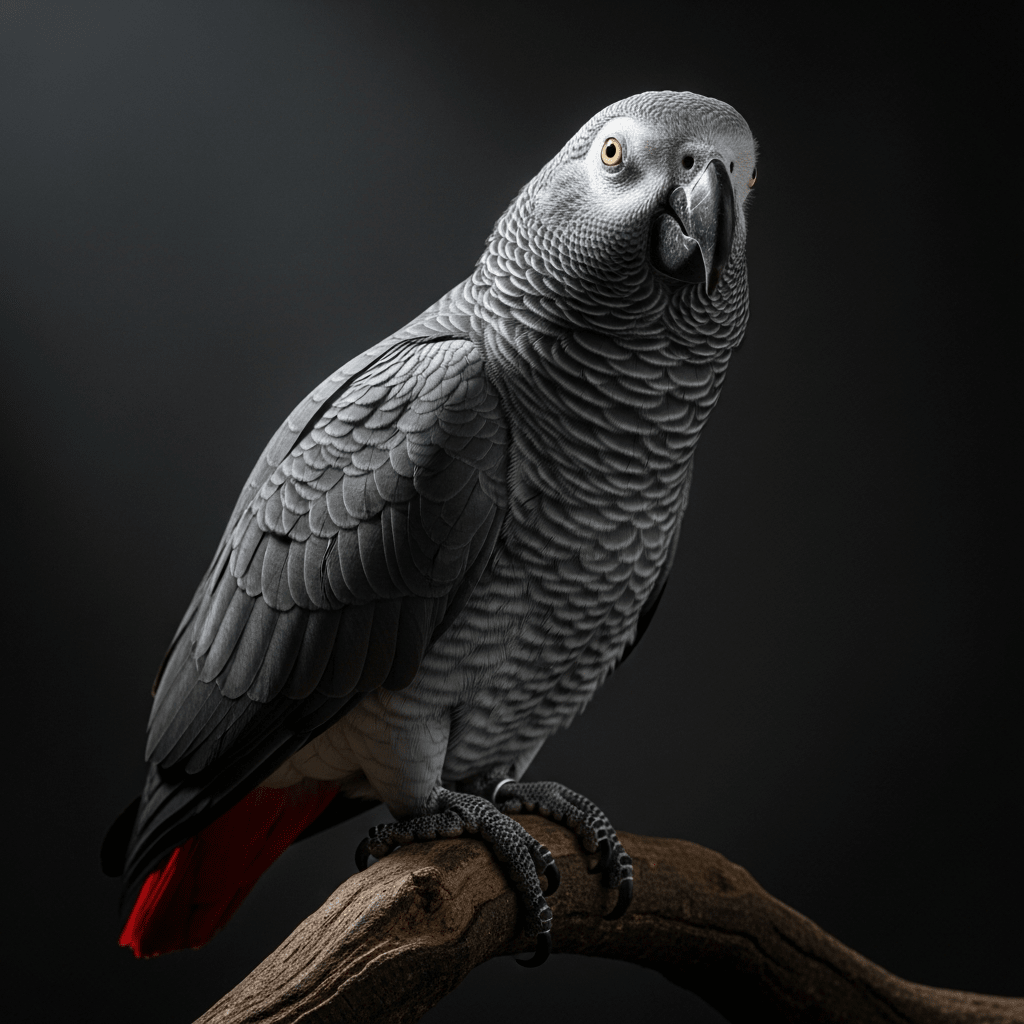
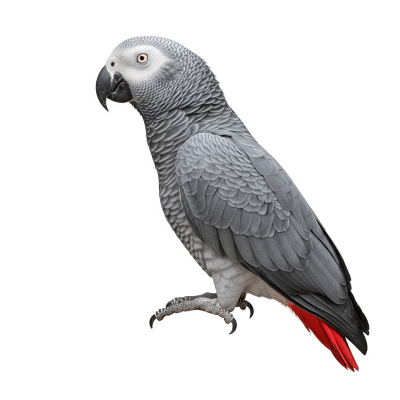
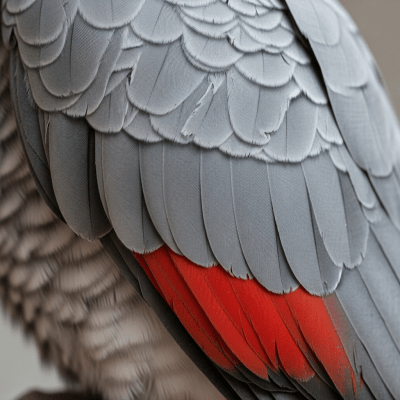
The African Grey Parrot is distinguished by its elegant, soft grey plumage, a crisp white facial mask, and a striking red tail in the Congo subspecies (maroon in the Timneh). Measuring about 33 cm in length and weighing between 400–600 grams, it features a robust black beak perfectly suited for cracking nuts and seeds. Its expressive eyes and agile feet add to its charismatic presence, making it instantly recognizable among parrots.
Renowned for advanced vocal mimicry, African Grey Parrots can learn hundreds of words and phrases, often displaying problem-solving skills on par with young children. In the wild, they are highly social, forming flocks and engaging in cooperative behaviors. As companion animals, they thrive on mental stimulation and social interaction, but require attentive care to prevent boredom and stress.
Bring this kind into your world illustrated posters, mugs, and shirts.
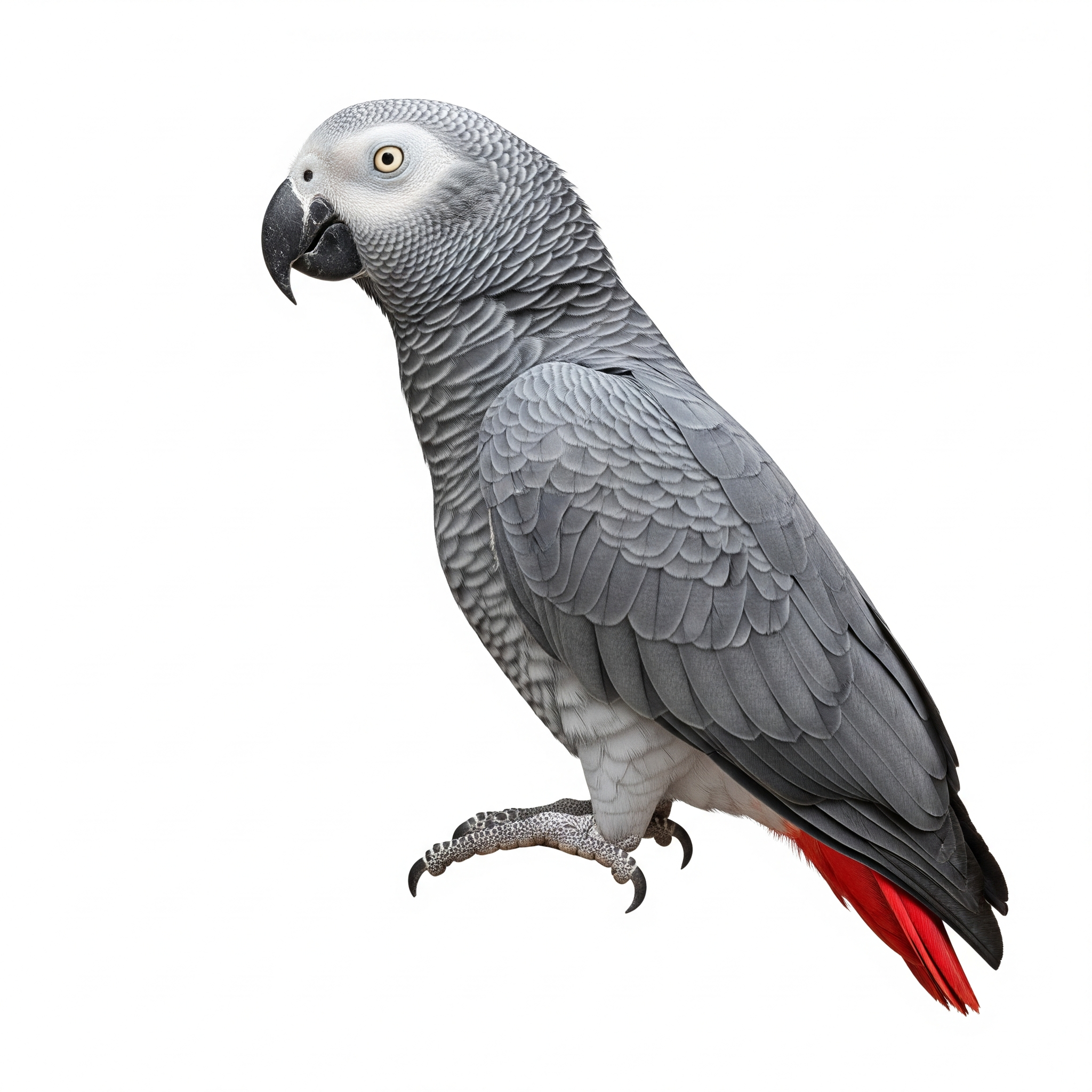
Archival print, museum-grade paper
Buy Poster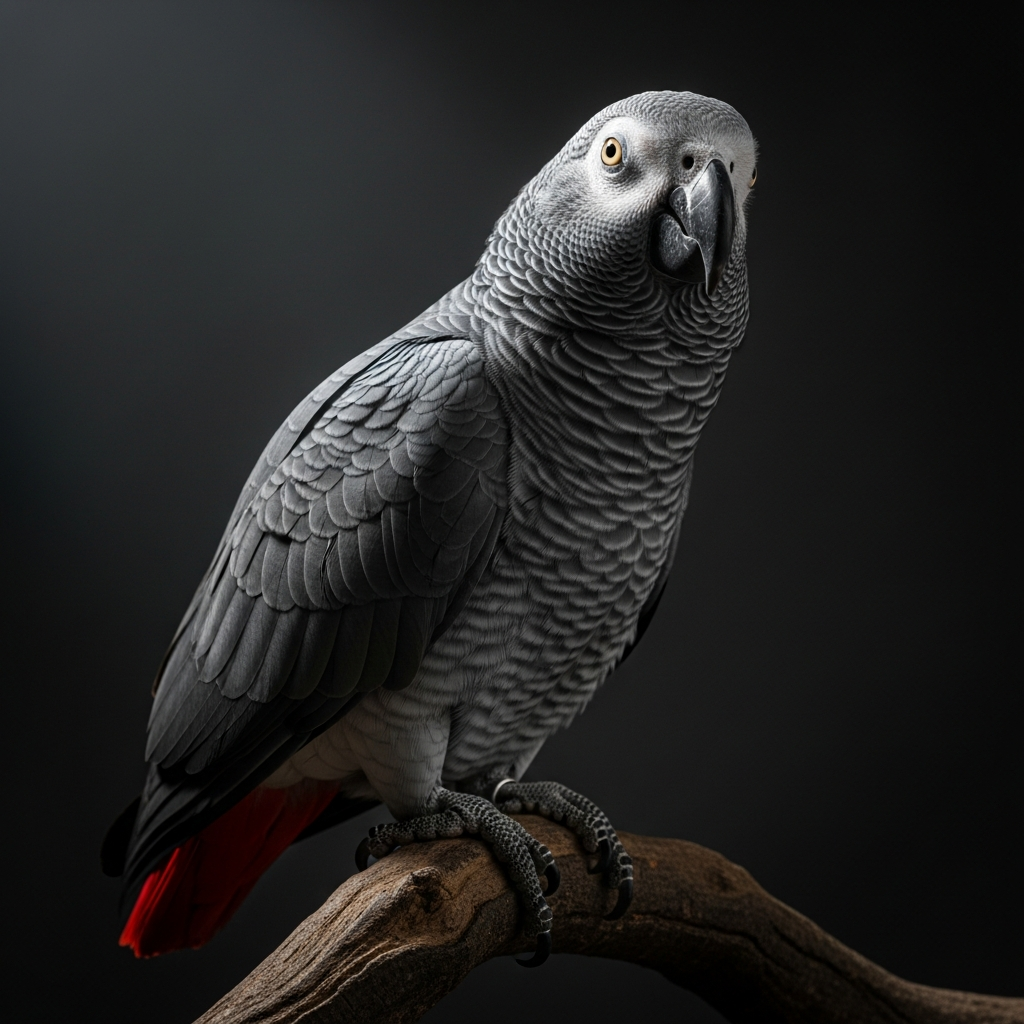
Stoneware mug, dishwasher safe
Buy Mug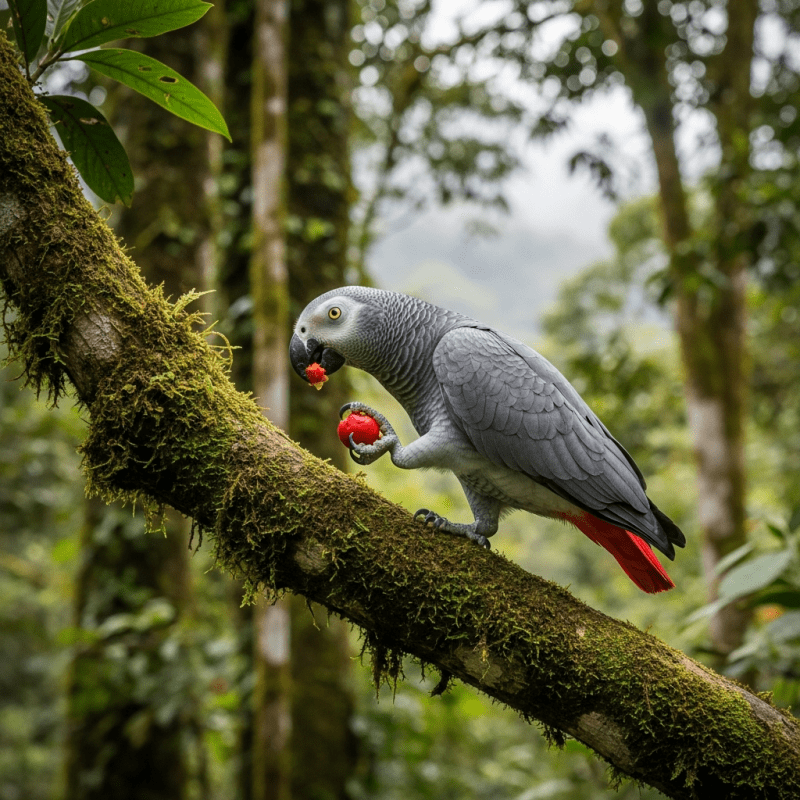
Soft cotton tee, unisex sizes
Buy ShirtThe African Grey Parrot has captivated human imagination for centuries, appearing in art, literature, and folklore as a symbol of wisdom and eloquence. Its extraordinary speech abilities have made it a popular subject in scientific studies on animal cognition, and it frequently features in educational programs and aviculture exhibitions worldwide.
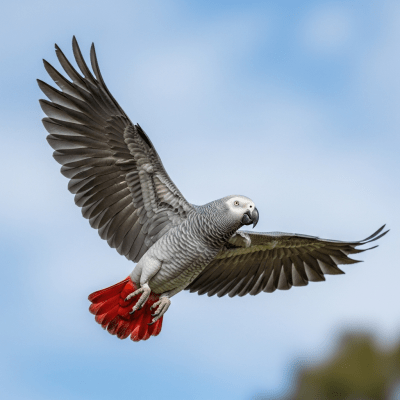
African Grey Parrots inhabit the lowland rainforests and woodland edges of West and Central Africa, with the Congo subspecies ranging from southeastern Ivory Coast to western Kenya, and the Timneh subspecies found in coastal West Africa. Their range is shaped by the availability of mature trees for nesting and abundant food sources.
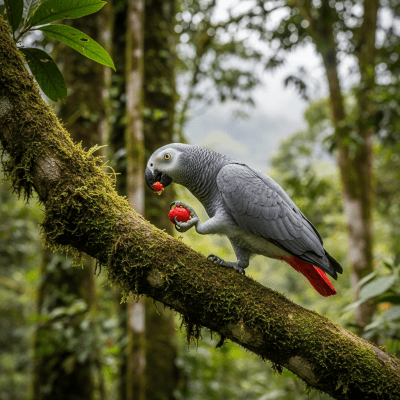
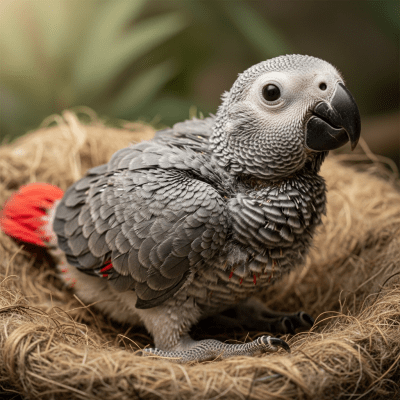
These parrots feed primarily on fruits, nuts, seeds, and leafy vegetation. Their strong beaks allow them to crack open tough shells, and in the wild, they forage in flocks, often traveling considerable distances to find seasonal food sources. In captivity, a varied diet is essential for their health and well-being.
African Grey Parrots nest in tree cavities, laying clutches of 3–5 eggs. Breeding typically occurs during the rainy season, with both parents sharing incubation and chick-rearing duties. Juveniles fledge after several weeks, and in the wild, family groups remain together for extended periods. Their lifespan can exceed 40 years, especially in protected environments.
The African Grey Parrot is listed under CITES Appendix I and is classified as Endangered due to habitat loss and unsustainable trapping for the pet trade. Major threats include deforestation, illegal capture, and trade, which have led to significant declines in wild populations across their native range.
Ecologically, African Grey Parrots contribute to forest regeneration by dispersing seeds and maintaining plant diversity. Economically, they are highly prized in aviculture and the pet industry, but their popularity has spurred international regulation to protect wild populations. Their presence in educational and research settings also advances understanding of animal intelligence.
While not domesticated in the traditional sense, African Grey Parrots have a long history as companion birds. The two subspecies—Congo and Timneh—are recognized for their distinct size and tail coloration. Selective breeding in captivity focuses on health and temperament, but no formal breeds exist beyond these subspecies.