Magpie
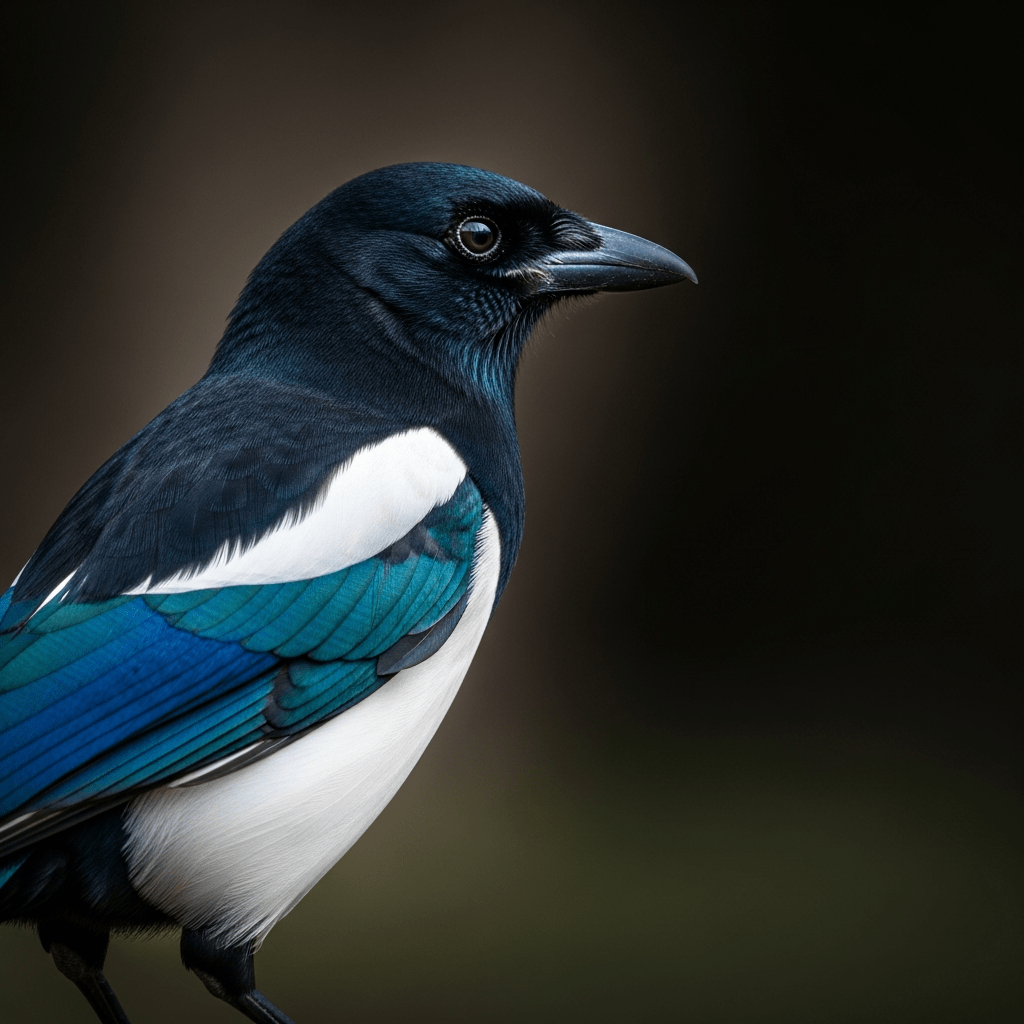
The magpie is a medium-sized, highly intelligent bird recognized for its striking black-and-white plumage, long tail, and complex social behaviors.
The magpie is a medium-sized, highly intelligent bird recognized for its striking black-and-white plumage, long tail, and complex social behaviors.
The Eurasian Magpie (Pica pica) was formally described by Carl Linnaeus in 1758, marking its scientific recognition in Europe. Magpies as a group have a rich evolutionary lineage, with divergence between Old World and New World species traced through molecular and morphological studies. Their origins span across Europe, Asia, North America, and parts of Africa, reflecting a history shaped by adaptation to diverse environments and complex evolutionary pressures.
Magpies belong to the class Aves, order Passeriformes, and family Corvidae—placing them among the crows and jays. The genus Pica includes the Eurasian Magpie and its close relatives, while related species are found in genera such as Cyanopica and Pica hudsonia. Despite their name, the Australian Magpie (Gymnorhina tibicen) is not closely related, highlighting the complexity of common naming conventions in ornithology.
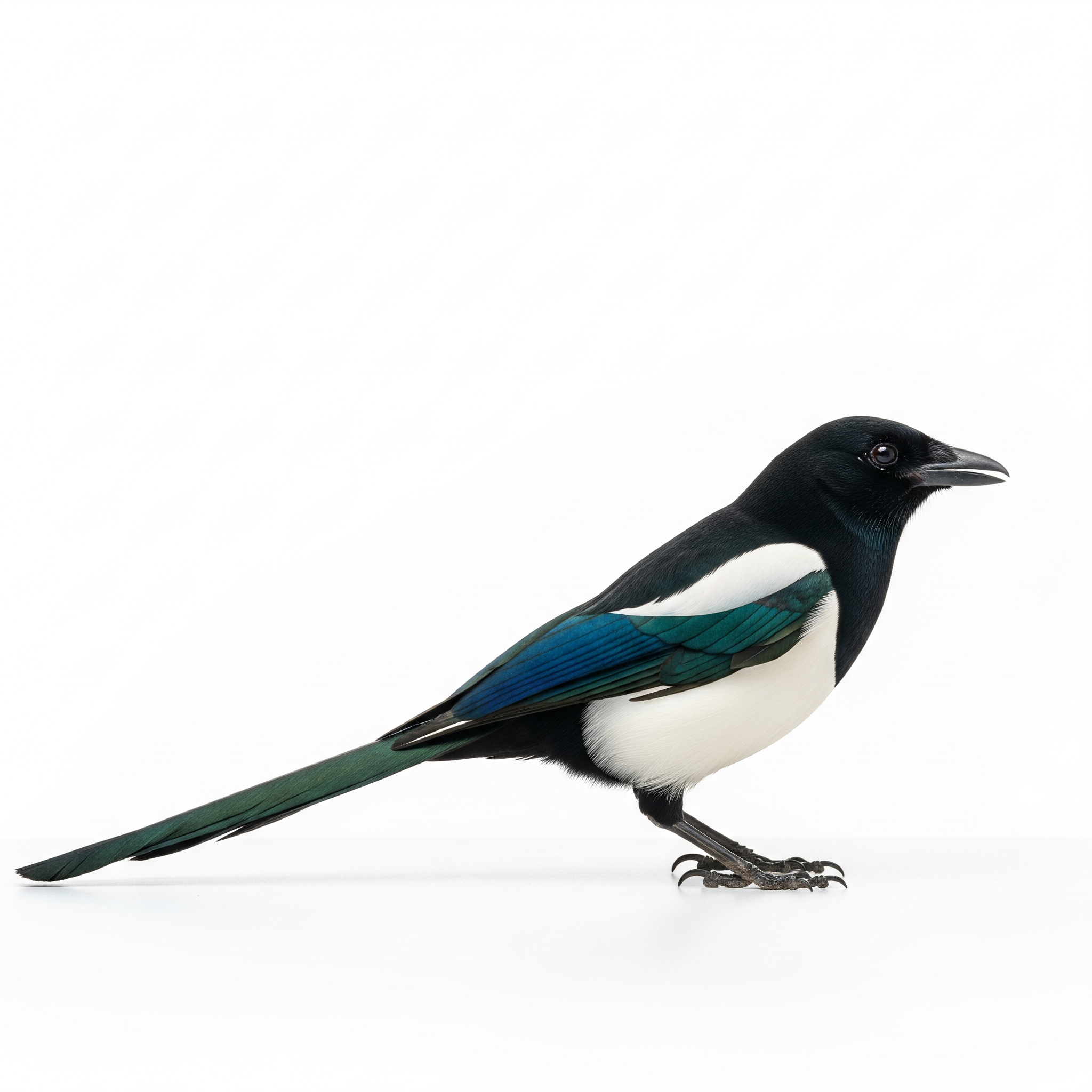
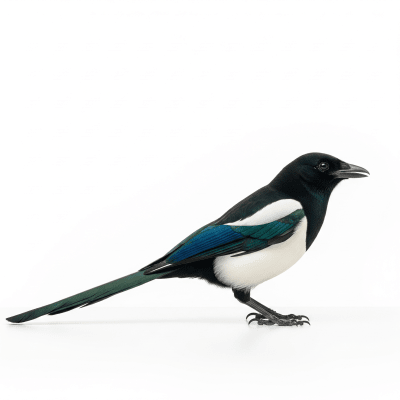
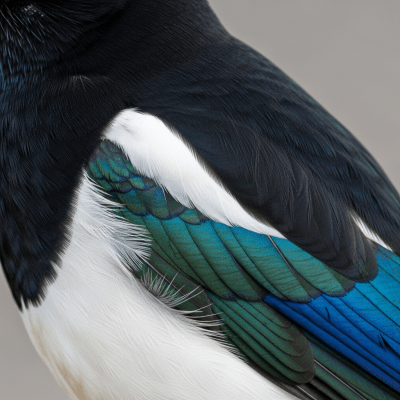
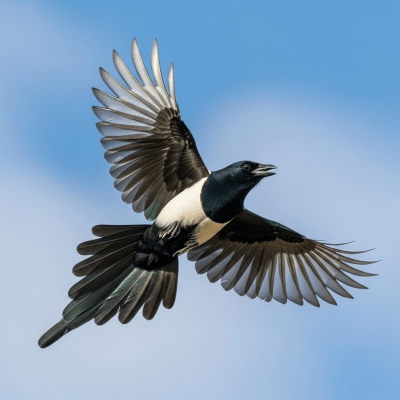
Magpies are instantly recognizable by their glossy black-and-white plumage, with iridescent blue-green highlights on their wings and tail. Adults typically measure 40–46 cm in length and possess a wingspan of 52–62 cm. Their long, graduated tail and sharp, sturdy beak are distinguishing features. The contrast between their dark feathers and bright white patches creates a bold visual impression, making magpies one of the most striking birds in their habitats.
Magpies are celebrated for their intelligence, exhibiting problem-solving skills, tool use, and intricate social structures. They are omnivorous, opportunistically feeding on insects, small mammals, fruits, seeds, and carrion. Magpies build large, domed nests in tall trees or shrubs and fiercely defend their territories. While not domesticated or widely used by humans, they play a vital ecological role as scavengers and insect controllers, and their vocalizations and behaviors make them a favorite subject for birdwatchers and researchers.
Bring this kind into your world illustrated posters, mugs, and shirts.
Archival print, museum-grade paper
Buy Poster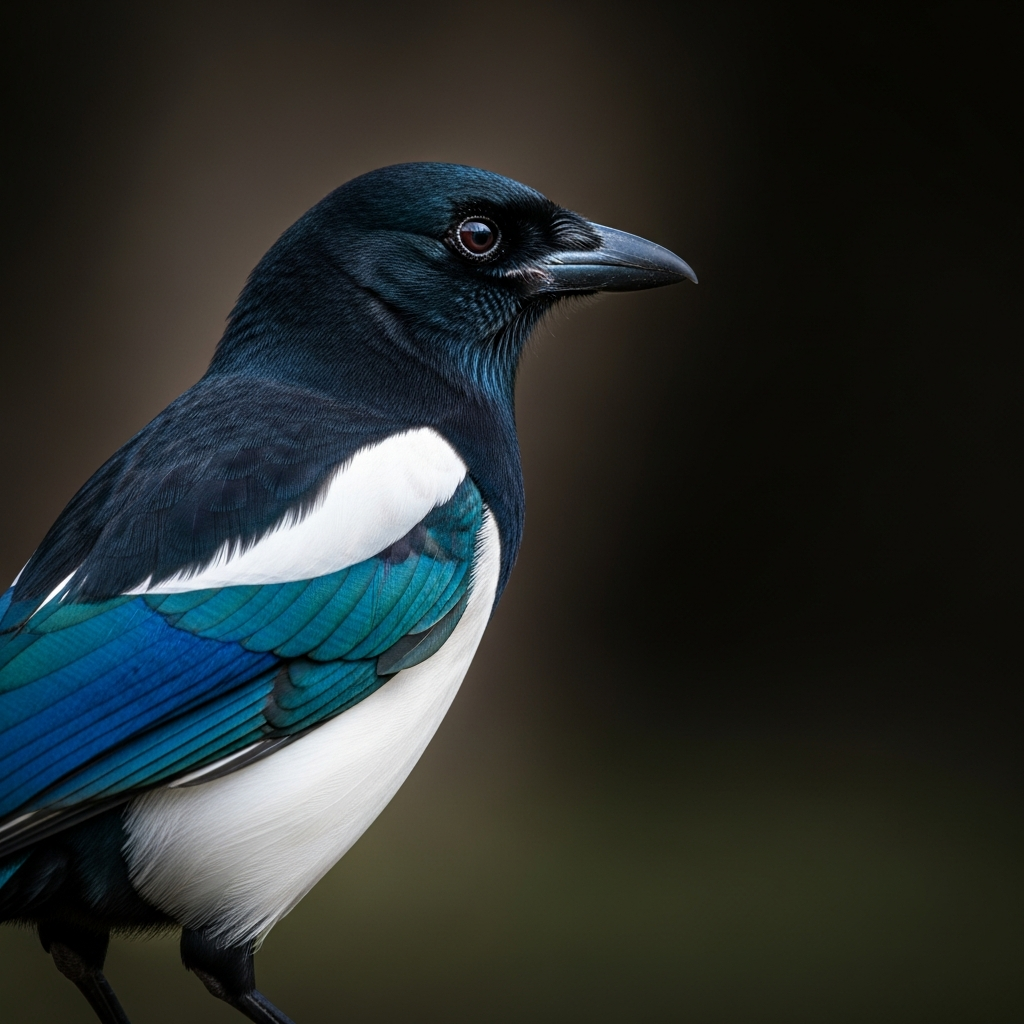
Stoneware mug, dishwasher safe
Buy Mug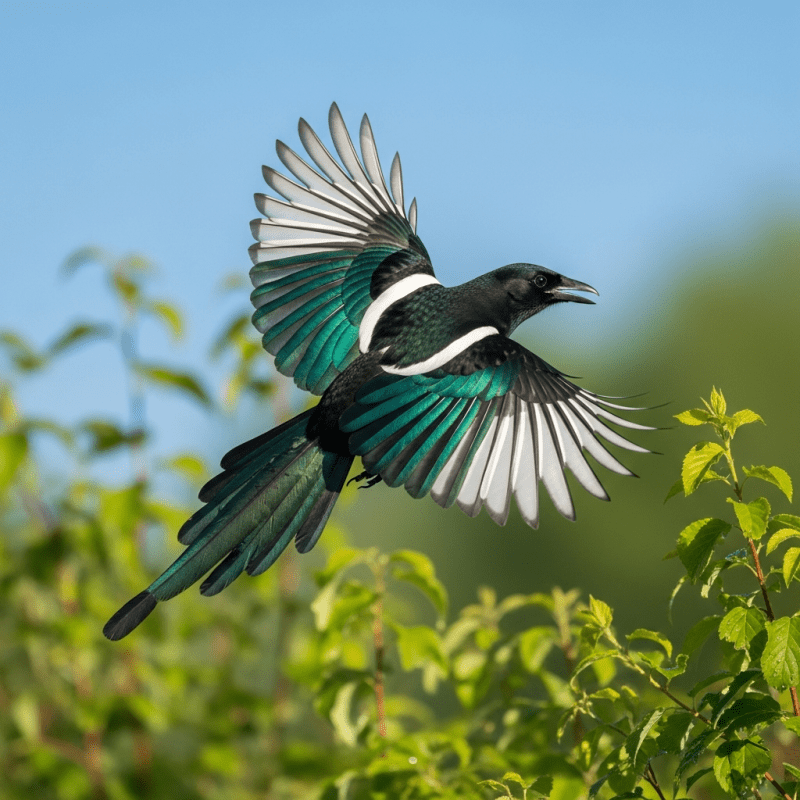
Soft cotton tee, unisex sizes
Buy ShirtMagpies hold a prominent place in folklore, art, and symbolism across cultures. In European traditions, they are often associated with luck, mystery, and omens—sometimes viewed as harbingers of good fortune, other times as tricksters or thieves. Their striking appearance and bold behavior have inspired countless works of literature and visual art. In East Asia, magpies are symbols of happiness and good news, while in Western tales, their reputation for collecting shiny objects has become legendary.
Magpies are widely distributed across Europe, Asia, North America, and parts of Africa. The Eurasian Magpie (Pica pica) is common throughout temperate regions of Europe and Asia, while the Black-billed Magpie (Pica hudsonia) inhabits western North America. Magpies thrive in a variety of habitats, including woodlands, grasslands, farmlands, and urban parks, demonstrating remarkable adaptability to both wild and human-altered environments.

Magpies are omnivores with a diverse diet that includes insects, small mammals, eggs, fruits, seeds, and carrion. They forage both on the ground and in trees, using their sharp beak to probe and pick food. Their opportunistic feeding habits make them effective scavengers and help control pest populations in their ecosystems.
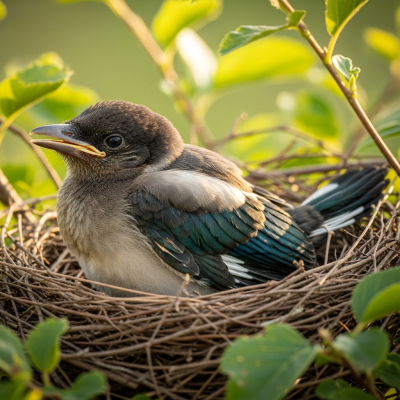
Magpies breed in spring, constructing large, domed nests high in trees or shrubs using twigs and softer lining materials. A typical clutch contains 5–8 eggs, which are incubated for about three weeks. Both parents participate in feeding and protecting the chicks. Magpies can live up to 15 years in the wild, with their complex social structures contributing to their survival and success.
Magpies are generally classified as species of Least Concern by the IUCN Red List, reflecting their widespread distribution and stable populations. Local threats include habitat loss, persecution as agricultural pests, and urbanization, but overall, magpies remain resilient and adaptable.
Magpies play an important ecological role as scavengers, helping to clean up carrion and control insect populations. Their presence benefits agricultural landscapes by reducing pest numbers. While they have limited direct economic value, their impact on ecosystem health and their popularity among birdwatchers and researchers contribute to their indirect significance.
Magpies have not been domesticated and are not bred for agricultural or ornamental purposes. There are several recognized species and subspecies within the magpie group, such as the Eurasian Magpie (Pica pica), Black-billed Magpie (Pica hudsonia), and Oriental Magpie (Cyanopica cyanus), each adapted to specific regions. The Australian Magpie, though sharing the name, is not closely related genetically.