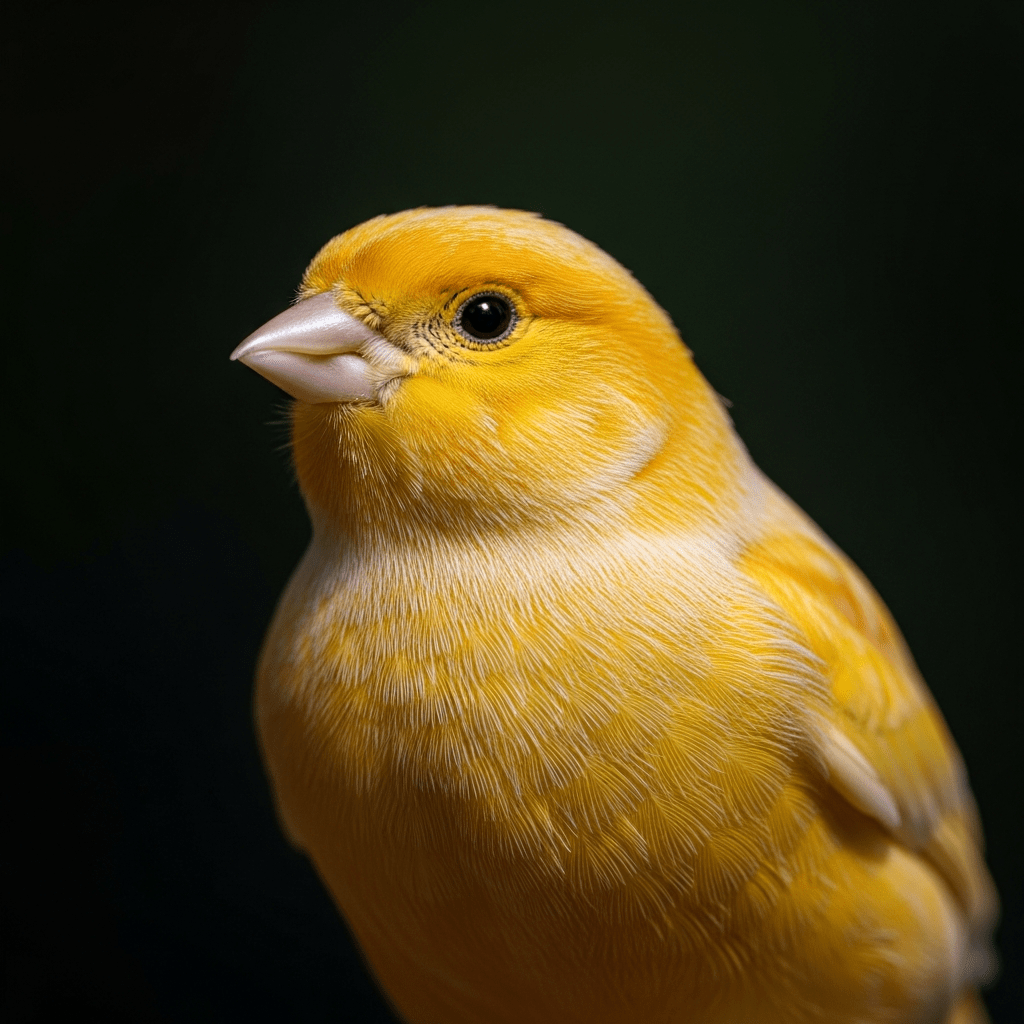
Canary
The canary (Serinus canaria) is a small, vibrantly colored songbird celebrated worldwide for its melodious singing and enduring popularity as a pet.
The canary (Serinus canaria) is a small, vibrantly colored songbird celebrated worldwide for its melodious singing and enduring popularity as a pet.
Native to the Macaronesian islands—specifically the Canary Islands, Azores, and Madeira—the wild canary was first introduced to Europe in the 15th century by Spanish and Portuguese sailors. Its journey from island forests to European homes marked the beginning of centuries of selective breeding, transforming the species from a regional finch into a global icon of aviculture and song.
The canary belongs to the order Passeriformes and the family Fringillidae, placing it among the true finches. Its scientific name is Serinus canaria. As a member of the class Aves, the canary shares core traits with all birds—feathers, beaks, and egg-laying reproduction—while its lineage is distinguished by its unique song and adaptive plumage.
Canaries are petite birds, typically measuring 12–13.5 cm in length with a wingspan around 21.5 cm. Wild canaries display greenish-yellow plumage, blending subtly with island foliage. Domesticated varieties, however, are renowned for their dazzling array of colors—yellow, orange, white, and red—thanks to generations of selective breeding. Males are particularly noted for their upright posture and expressive singing, especially during the breeding season.
Canaries are celebrated for their complex, melodious songs, with males singing most vigorously during the breeding season. Their gentle disposition and adaptability make them ideal companions in captivity. Historically, canaries played a vital role in mining as early warning systems for toxic gases, and today they are cherished as pets, competitive songbirds, and symbols of joy and freedom in art and literature.
Bring this kind into your world illustrated posters, mugs, and shirts.
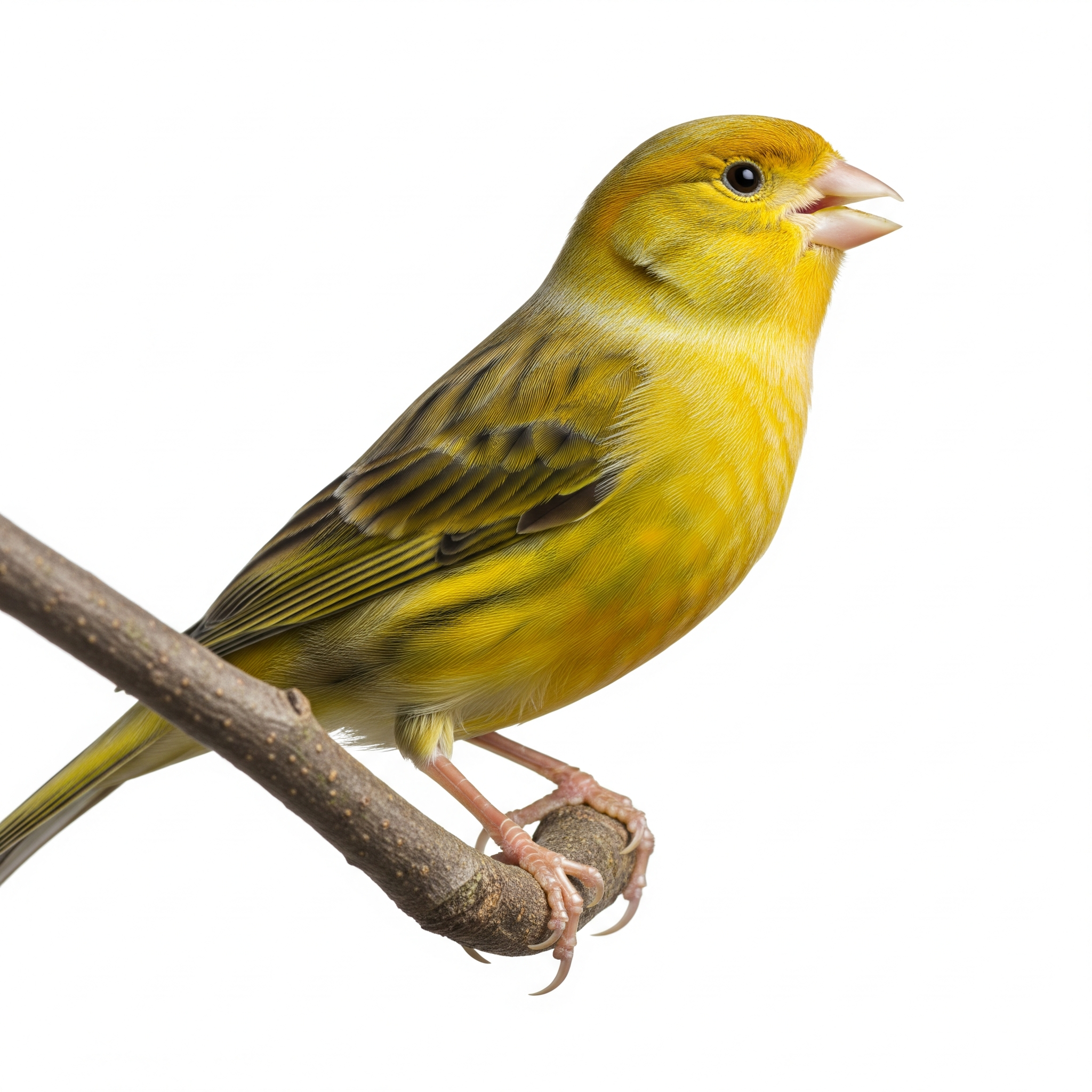
Archival print, museum-grade paper
Buy Poster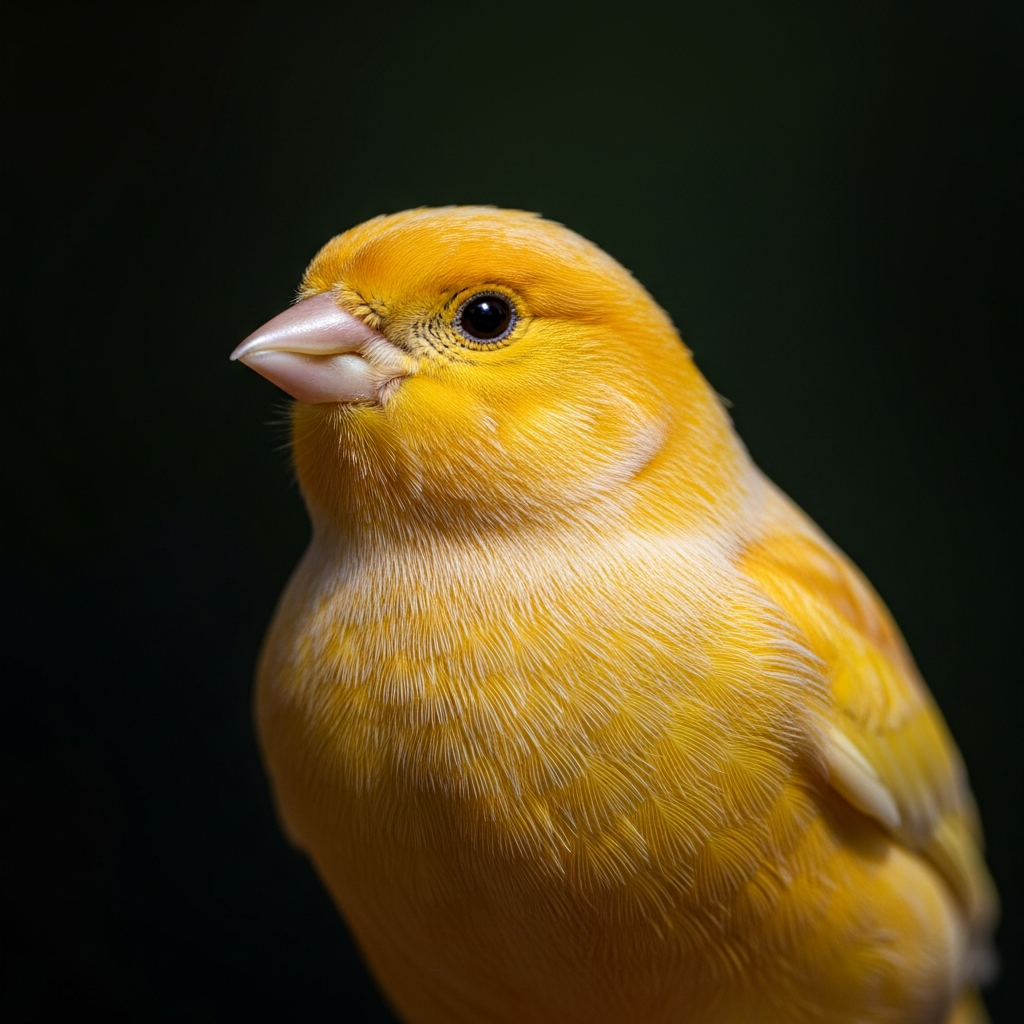
Stoneware mug, dishwasher safe
Buy Mug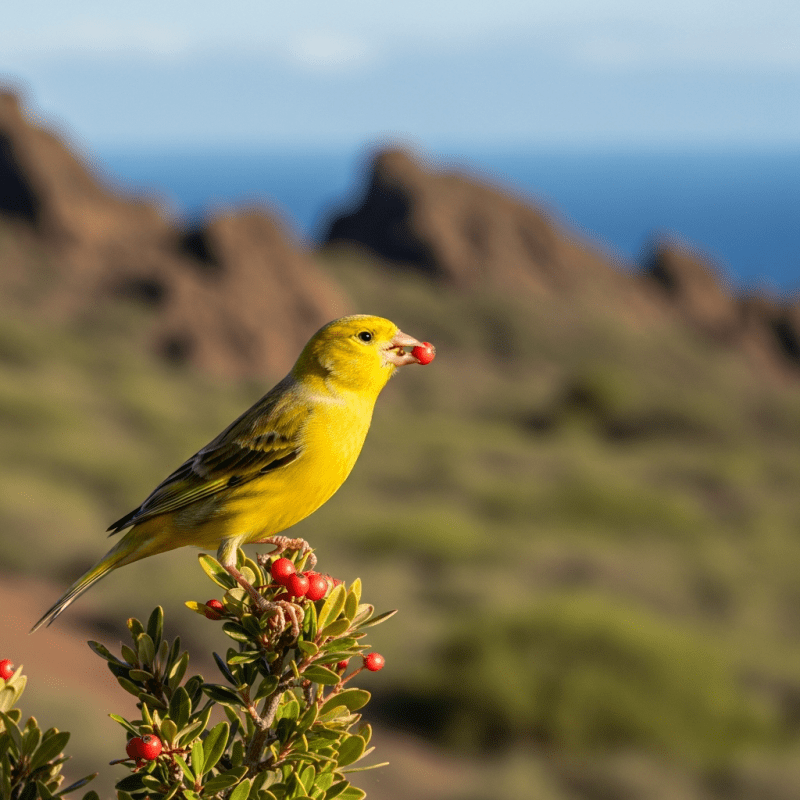
Soft cotton tee, unisex sizes
Buy ShirtThe canary’s influence stretches far beyond the aviary. Its song has inspired composers and poets, while its image evokes themes of happiness and liberty. The phrase “canary in a coal mine” endures as a metaphor for early warning and vulnerability. In visual art and popular culture, the canary often represents hope, renewal, and the pleasures of simple beauty.
Wild canaries are native to the Macaronesian islands, inhabiting forests, shrublands, and gardens. Through domestication, they now live in homes and aviaries across the globe, thriving wherever attentive care and suitable conditions are provided.
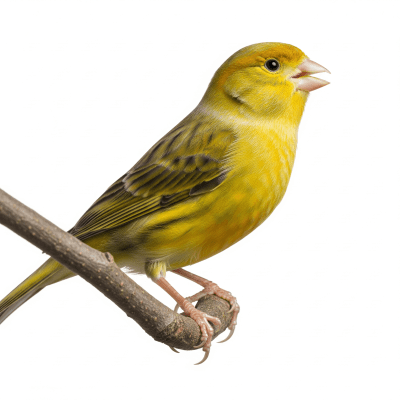
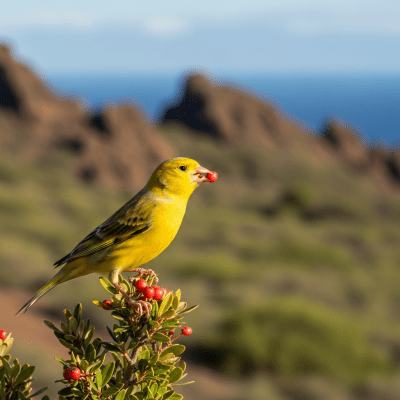
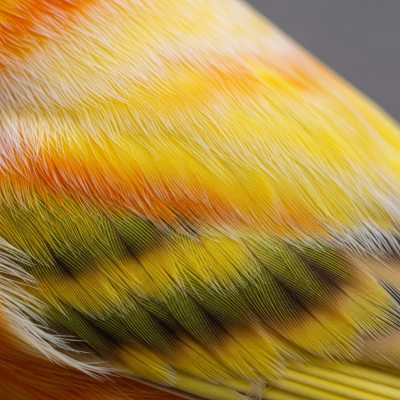
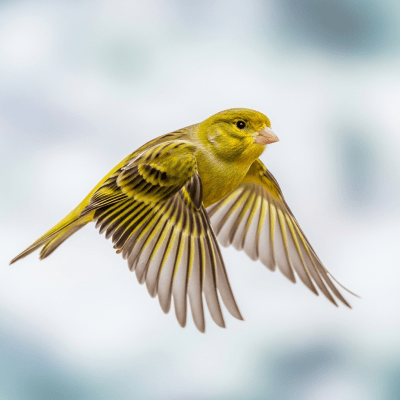
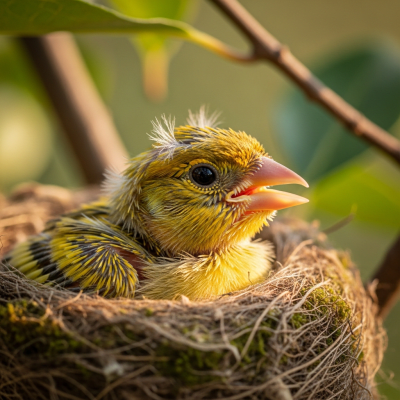
Canaries primarily eat grass seeds, supplemented occasionally by insects. In captivity, a balanced seed mix and fresh greens help maintain their health and vibrant plumage. Their feeding behavior is gentle and methodical, reflecting their finch ancestry.
Canaries breed readily in captivity, with males singing to court females. Nests are built in sheltered locations, and typical clutch sizes range from 3 to 5 eggs. The average lifespan is 9–10 years, though some individuals can live up to 15 years with proper care.
The canary is not considered threatened in the wild and enjoys a stable population across its native range. Its widespread domestication further secures its future, though wild populations benefit from ongoing habitat conservation efforts.
Economically, canaries are significant in aviculture as beloved pets and competitive songbirds. Historically, their use in mining as early warning systems for toxic gases added practical value. Ecologically, wild canaries contribute to seed dispersal and insect control within their native habitats.
Domestication of the canary began in the 15th century, leading to a rich diversity of breeds. Notable varieties include the Harz Roller (famed for its song), the Border (prized for form), and the Red Factor (known for striking coloration). All domesticated canaries trace their lineage to the wild Serinus canaria of Macaronesia.