Kiwi
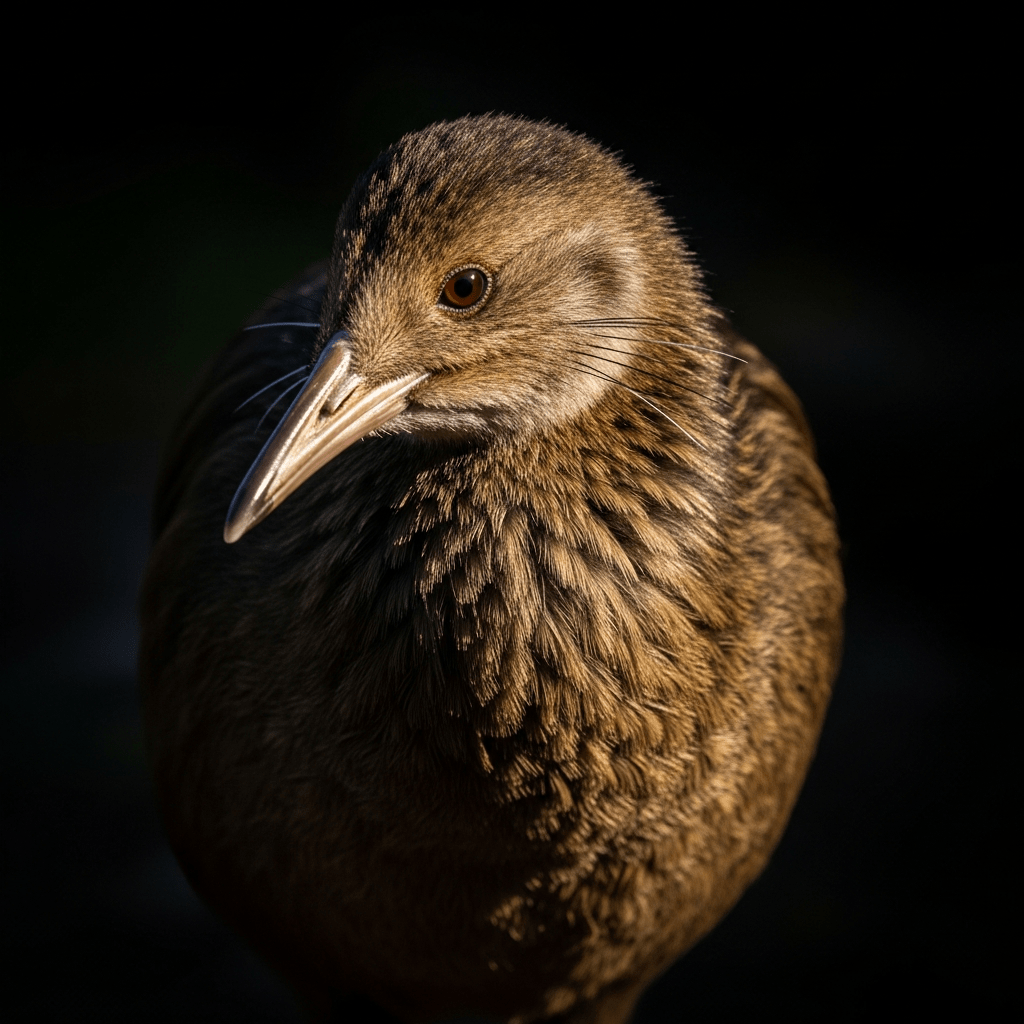
The kiwi is a flightless, nocturnal bird endemic to New Zealand, famed for its distinctive long beak, hair-like feathers, and unique evolutionary adaptations among birds.
The kiwi is a flightless, nocturnal bird endemic to New Zealand, famed for its distinctive long beak, hair-like feathers, and unique evolutionary adaptations among birds.
Kiwis originated in New Zealand and represent one of the world’s most ancient bird lineages. Their evolutionary history traces back to the breakup of Gondwana, after which they diverged from other ratites such as emus and cassowaries. First formally described in 1813 by George Shaw, kiwis have always been wild, with no history of domestication or human breeding. Their closest relatives are found in distant lands, reflecting their isolation and unique development on New Zealand’s islands.
Kiwis belong to the genus Apteryx, within the family Apterygidae and order Apterygiformes, under the class Aves. As ratites, they share ancestry with other large, flightless birds like ostriches and emus, but genetic studies reveal kiwis are only distantly related to these species. Five recognized species make up the kiwi group, each adapted to different regions of New Zealand. Their classification highlights their evolutionary distinctness among birds, particularly their divergence from flying avian lineages.
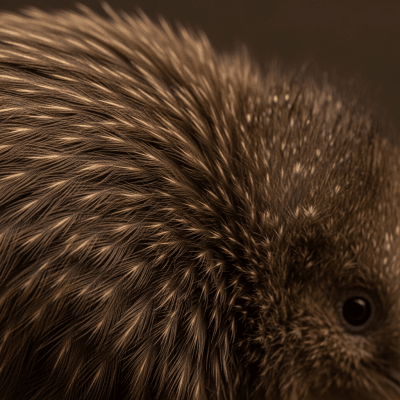
Kiwis are small to medium-sized birds, typically weighing between 1.2 and 4 kilograms depending on species. Their plumage is coarse and hair-like, ranging from brown to grey. Most striking is their long, slender bill, which features external nostrils at the tip—a rarity among birds. Kiwis lack a keel on their sternum and possess vestigial wings, rendering them completely flightless. Their compact, rounded bodies and strong legs are well suited for life on the forest floor, while their highly developed sense of smell aids in nocturnal foraging.
Kiwis are solitary and nocturnal, spending their nights foraging through leaf litter and soil for invertebrates, seeds, and fruit. Their keen sense of smell, unusual in birds, helps them locate food in the dark. Kiwis are fiercely territorial and tend to avoid social interaction outside of breeding. Both males and females may participate in incubating eggs, a trait that varies by species. Unlike many birds, kiwis have no culinary or agricultural use and are strictly protected by law, reflecting their ecological and cultural importance rather than utility.
Bring this kind into your world illustrated posters, mugs, and shirts.
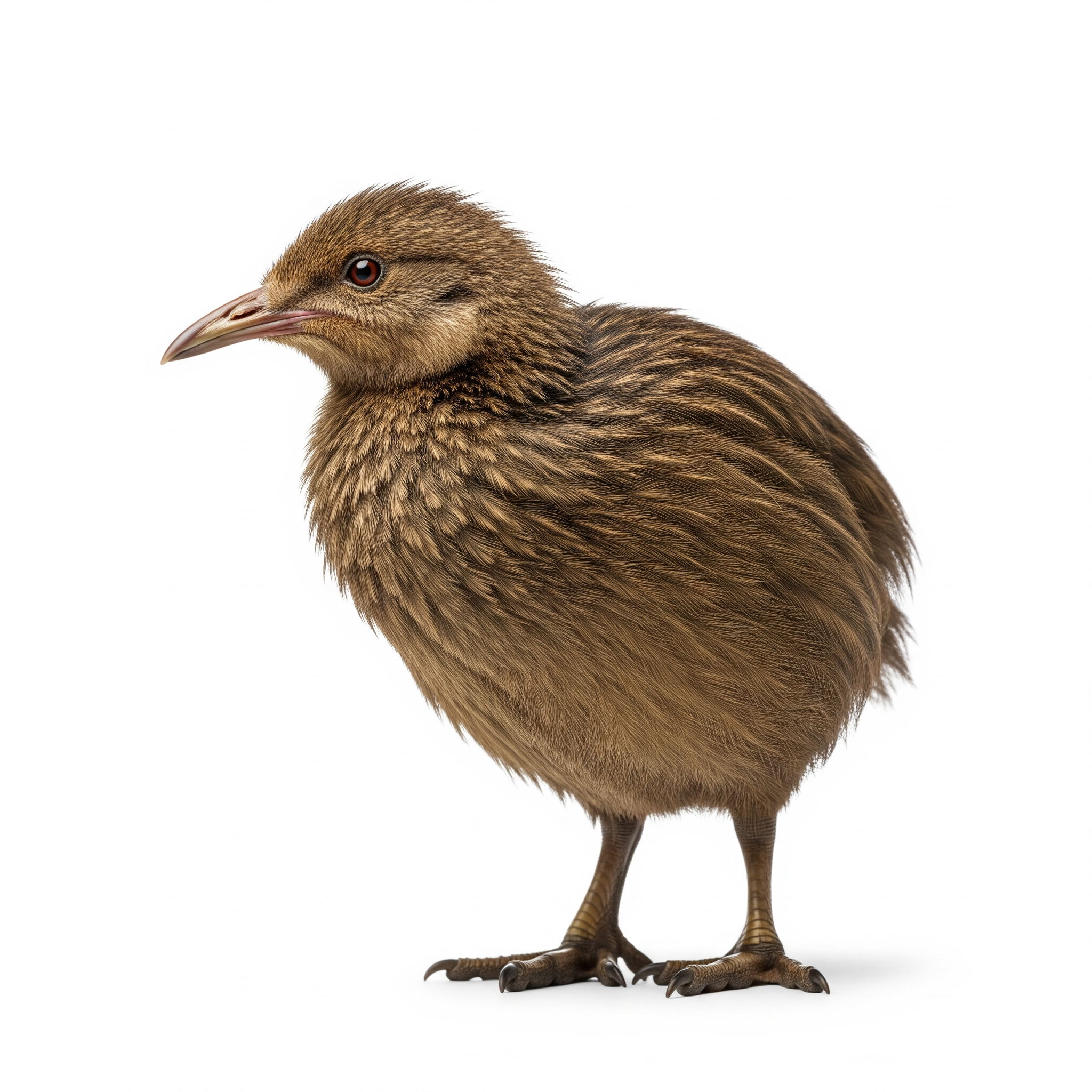
Archival print, museum-grade paper
Buy Poster
Stoneware mug, dishwasher safe
Buy Mug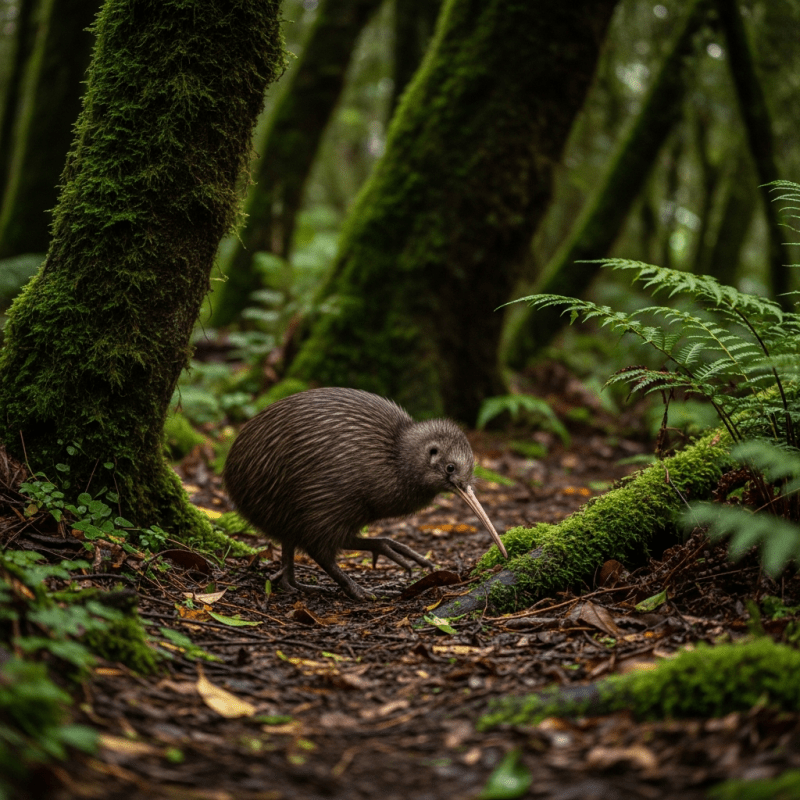
Soft cotton tee, unisex sizes
Buy ShirtThe kiwi is a cherished national symbol of New Zealand, deeply woven into the identity of both Māori and non-Māori New Zealanders. It appears on emblems, currency, and is the namesake for New Zealanders themselves, who are colloquially known as "Kiwis." For Māori, the bird holds spiritual significance and features in traditional stories and art. Conservation efforts and ecotourism centered around the kiwi are prominent, underscoring its role as a living emblem of the nation’s natural heritage.
Kiwis inhabit forests, scrublands, and grasslands across New Zealand. Each species occupies a distinct region, from the North Island Brown Kiwi to the Southern Brown Kiwi (Tokoeka) and the Great Spotted Kiwi. Their distribution is limited exclusively to New Zealand, making them true endemics. Habitat fragmentation and introduced predators have restricted their range, but conservation programs are working to restore populations in protected areas.

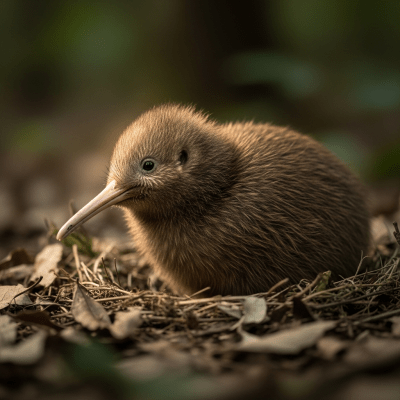
Kiwis are omnivorous, feeding primarily on invertebrates such as worms and insects, as well as seeds, fruit, and small animals found in soil and leaf litter. Their long, sensitive bill and keen sense of smell allow them to probe for food at night, a behavior unusual among birds. They use their feet to dig and their beak to extract prey from the earth, relying on tactile and olfactory cues rather than sight.
Kiwis have a unique reproductive strategy among birds. Females lay a single, exceptionally large egg per clutch, sometimes weighing up to a quarter of their own body mass. Depending on the species, either the male, the female, or both may incubate the egg. Kiwi chicks are precocial, hatching fully feathered and able to fend for themselves soon after birth. Lifespan varies, but kiwis are generally long-lived for their size, with some individuals reaching several decades in age.
Kiwi conservation status ranges from vulnerable to endangered, depending on the species. Major threats include predation by introduced mammals such as stoats, dogs, and cats, as well as habitat loss due to deforestation and human development. All kiwi species are strictly protected under New Zealand law, and intensive conservation programs—including predator control and habitat restoration—are ongoing to safeguard their future.
While kiwis have no direct economic use, their cultural and ecological roles are profound. As a flagship species for conservation, kiwis attract significant ecotourism, which supports local economies and raises awareness for New Zealand’s unique biodiversity. Ecologically, kiwis contribute to soil health by foraging and dispersing seeds, playing a subtle but important role in their native habitats.
Kiwis have never been domesticated and remain wild throughout their history. There are five recognized species: North Island Brown Kiwi (Apteryx mantelli), Okarito Kiwi/Rowi (Apteryx rowi), Southern Brown Kiwi/Tokoeka (Apteryx australis), Great Spotted Kiwi (Apteryx haastii), and Little Spotted Kiwi (Apteryx owenii). Each species exhibits unique traits and occupies distinct regions of New Zealand, but none are bred or kept in captivity outside of conservation programs.