Cockatiel
The cockatiel (Nymphicus hollandicus) is a small, crested parrot native to Australia, celebrated for its expressive crest, gentle temperament, and popularity as a companion bird worldwide.
The cockatiel (Nymphicus hollandicus) is a small, crested parrot native to Australia, celebrated for its expressive crest, gentle temperament, and popularity as a companion bird worldwide.
First described by German naturalist Heinrich Kuhl in 1820 from Australian specimens, the cockatiel originates from the arid and semi-arid regions of Australia. Unlike many domesticated birds, the species is not a product of wild selective breeding or hybridization; instead, its unique lineage places it as the sole member of the genus Nymphicus within the cockatoo family. Since the mid-20th century, aviculturists in Australia, Europe, and the United States have developed numerous color mutations in captivity, further expanding its appeal and diversity in the pet trade.
The cockatiel belongs to the class Aves, order Psittaciformes, family Cacatuidae, and is the only species in the genus Nymphicus. This places it within the broader group of cockatoos, distinguished by their crests and sociable nature. Its scientific name is Nymphicus hollandicus, and it is recognized by leading authorities such as the IOC World Bird List and BirdLife International.
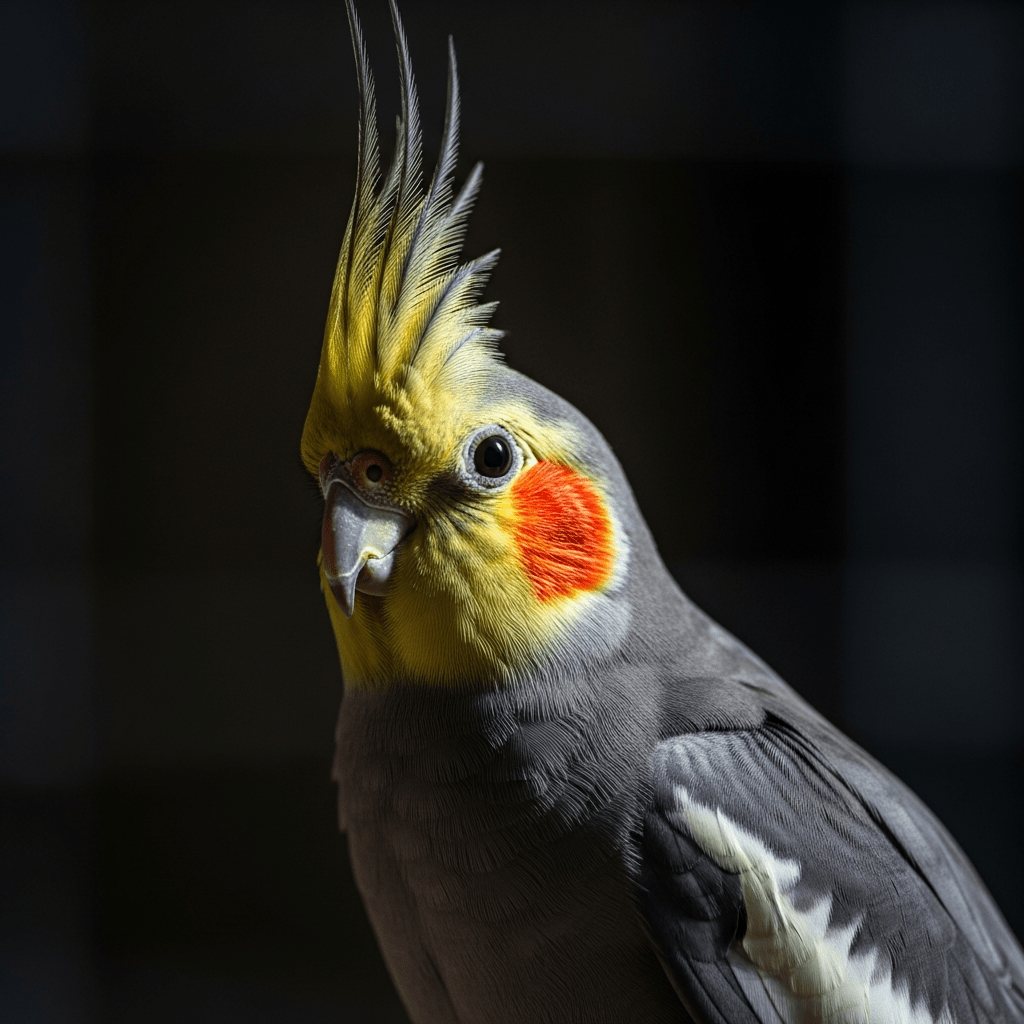
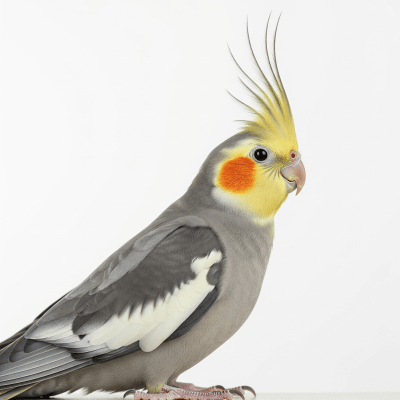
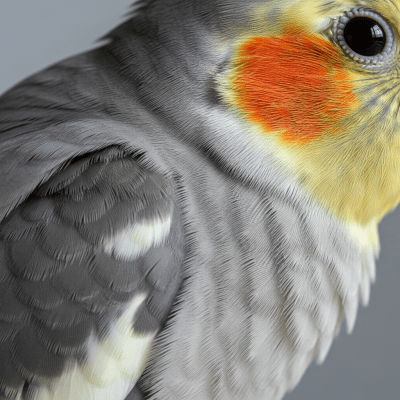
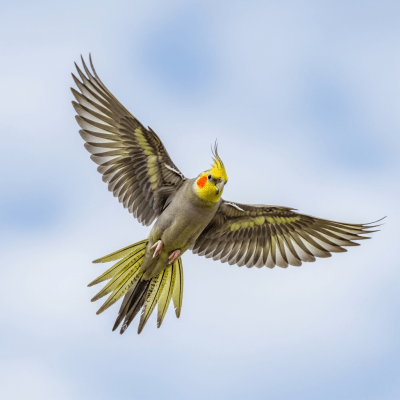
Cockatiels are slender, medium-sized parrots measuring about 30–33 cm in length, with a wingspan of 29–35 cm and weighing 70–120 g. Wild-type cockatiels display soft grey plumage, a prominent yellow or white crest, vivid orange cheek patches, and striking white flashes on their wings. Males typically have brighter facial coloration, while females and juveniles are more subdued. In captivity, a dazzling array of color mutations—such as lutino, pied, pearl, and albino—add to their visual appeal. Their expressive crest and gentle facial features make them instantly recognizable and endearing.
Renowned for their gentle disposition and sociable nature, cockatiels thrive in flocks and form strong pair bonds in the wild. They are ground foragers, feeding primarily on seeds, fruits, and vegetation. In captivity, cockatiels are celebrated for their whistling ability, vocal mimicry, and affectionate interactions with humans. Their adaptability and resilience make them ideal companion birds, and they are frequently featured in avian exhibitions, educational programs, and therapeutic settings.
Bring this kind into your world illustrated posters, mugs, and shirts.
Archival print, museum-grade paper
Buy Poster
Stoneware mug, dishwasher safe
Buy Mug
Soft cotton tee, unisex sizes
Buy ShirtCockatiels hold a prominent place in aviculture and pet culture, symbolizing companionship and gentle affection. Their cheerful whistling and expressive crests have made them popular subjects in art, media, and educational materials. In Australia, regional names like "quarrion" and "weero" reflect their cultural presence, while globally, their status as beloved pets has inspired communities of enthusiasts and breeders. Cockatiels are also valued in therapeutic contexts, bringing comfort and joy to people in homes and care settings.
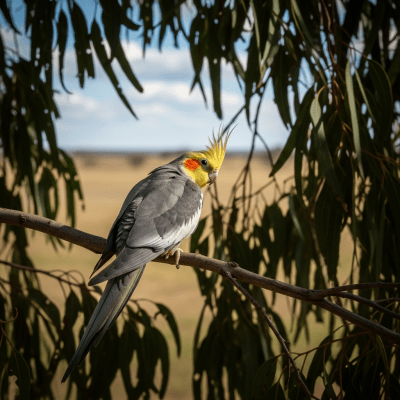
Cockatiels are native to Australia, where they inhabit arid and semi-arid regions, open country, bushland, and savannahs. Their adaptability allows them to thrive in a range of environments, from dry inland areas to more temperate zones. In the wild, they are often seen in flocks, foraging on the ground and roosting in trees near water sources.

Cockatiels are primarily ground foragers, feeding on a varied diet of seeds, fruits, and vegetation. In their natural habitat, they seek out grass seeds and other plant material, supplementing their diet with occasional fruits and leafy greens. Their feeding behavior supports their resilience in arid environments, allowing them to make the most of available resources.
Cockatiels breed mainly during the Australian spring and summer, from August to December. A typical clutch consists of about four eggs, laid in tree hollows or nest boxes. Both parents share incubation and chick-rearing duties. In captivity, cockatiels can breed year-round under optimal conditions. Their average lifespan is 10–15 years, with some individuals living beyond 20 years when well cared for.
Cockatiels are not considered threatened and have a stable population in the wild. Their adaptability to a range of habitats and resilience in arid environments contribute to their secure conservation status. There are no major threats currently impacting wild populations, though habitat loss and climate change are general concerns for Australian avifauna.
Economically, cockatiels are highly significant in the global pet trade and aviculture, with robust commercial breeding operations supporting their popularity as companion birds. Ecologically, they play a role in seed dispersal and vegetation management within their native habitats. Their gentle nature and trainability also make them valuable in educational and therapeutic settings, enhancing human well-being.
While cockatiels are not domesticated in the wild, their extensive history in captivity has led to the development of numerous color mutations, such as lutino, pied, pearl, and albino. These mutations are the result of selective breeding by aviculturists since the mid-20th century in Australia, Europe, and the United States. Today, cockatiels are among the most commonly kept pet birds, with a vibrant diversity of recognized varieties in aviculture.