
House Finch
The House Finch (Haemorhous mexicanus) is a small, sociable songbird native to North America, instantly recognizable by the males’ vivid red plumage and the species’ melodic presence in urban and rural landscapes.
The House Finch (Haemorhous mexicanus) is a small, sociable songbird native to North America, instantly recognizable by the males’ vivid red plumage and the species’ melodic presence in urban and rural landscapes.
Originating in the western United States and Mexico, the House Finch’s journey eastward began in the 1940s when captive birds were released from the pet trade. This human-assisted introduction allowed the species to rapidly establish itself across the continent, transforming from a regional native to a widespread North American resident.
The House Finch belongs to the family Fringillidae, within the genus Haemorhous. It is classified as a passerine, or perching bird, sharing its order with other familiar songbirds. Its scientific name, Haemorhous mexicanus, reflects its original range, and it was first formally described by Philip Lutley Sclater in 1856. Previously, it was grouped under the genus Carpodacus, highlighting ongoing refinements in avian taxonomy.
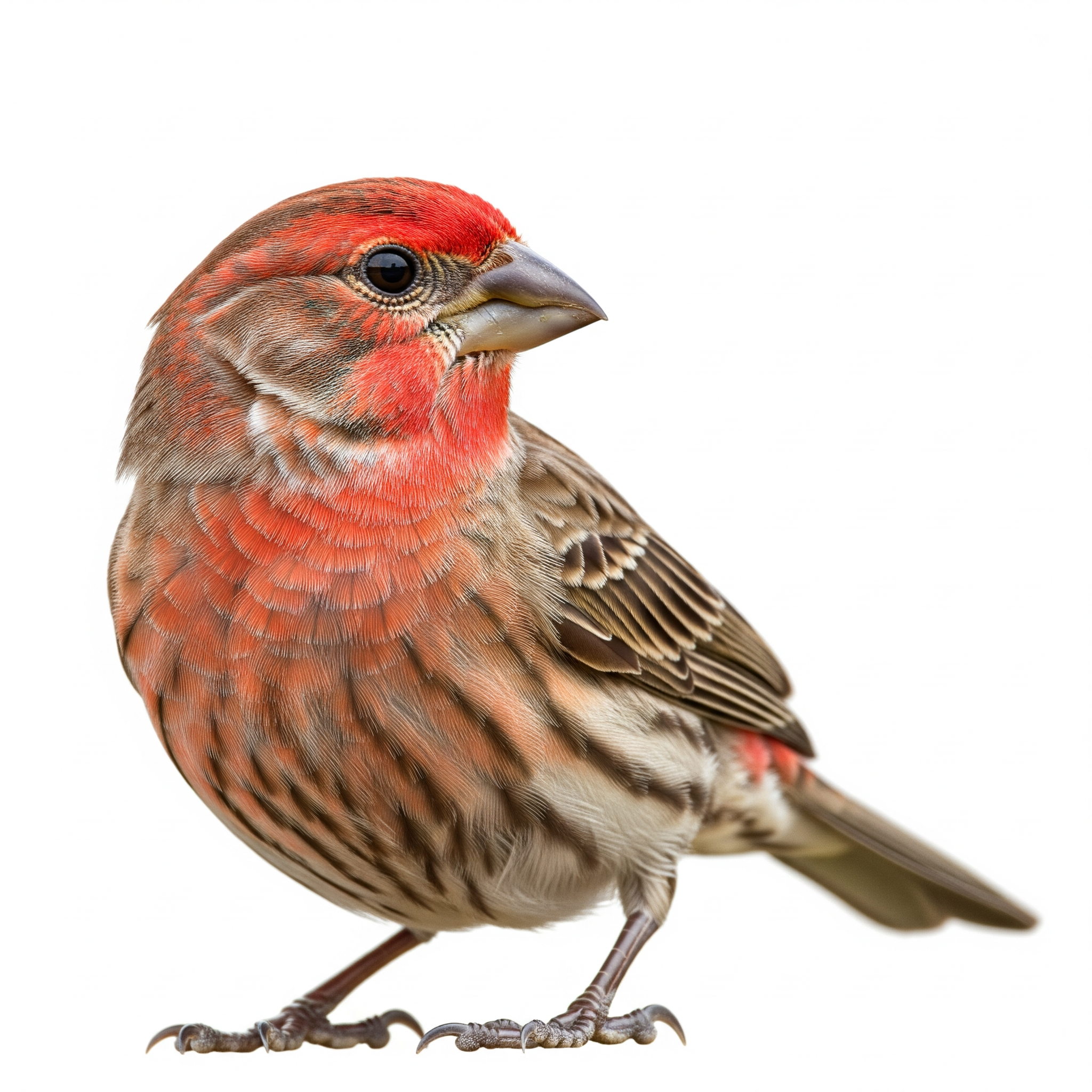
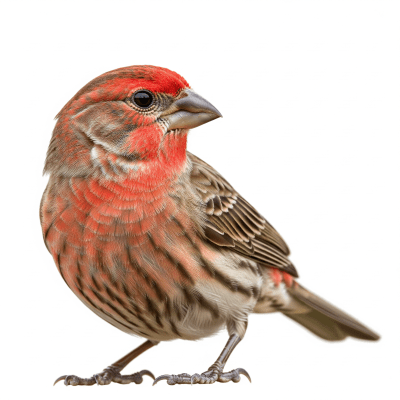
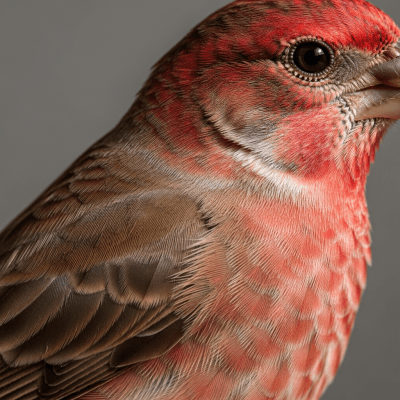
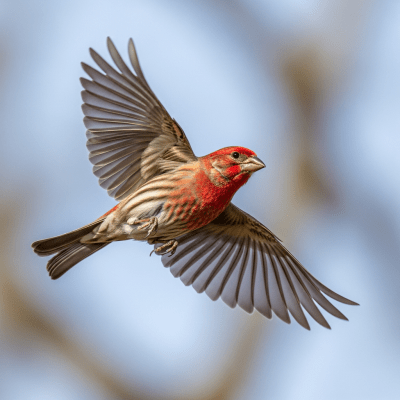
House Finches are petite birds, measuring 12–16 cm in length with a wingspan of 20–25 cm. Males are adorned with striking red feathers on the head, throat, and chest, while females display a more subdued palette of brown streaks. Both sexes feature a stout, conical bill perfectly adapted for seed eating. Their small size, sexual dimorphism, and lively plumage make them a charming sight in gardens and parks.
Highly social and adaptable, House Finches often gather in flocks outside the breeding season, filling neighborhoods with their cheerful songs. They nest in a variety of locations, from trees to building ledges and hanging planters, demonstrating remarkable resilience to human-altered environments. Their presence is valued for birdwatching, ecological studies, and the simple joy they bring to everyday life.
Bring this kind into your world illustrated posters, mugs, and shirts.
Archival print, museum-grade paper
Buy Poster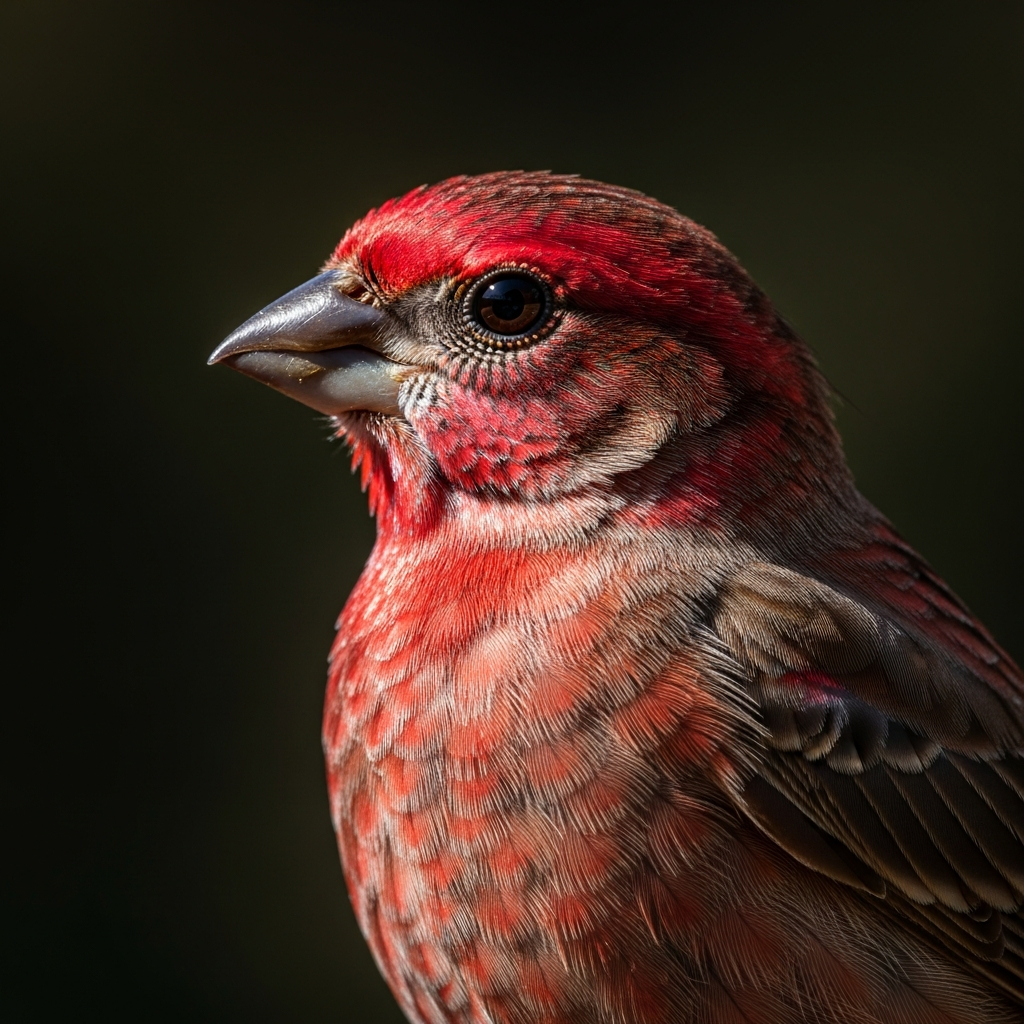
Stoneware mug, dishwasher safe
Buy Mug
Soft cotton tee, unisex sizes
Buy ShirtThe House Finch is celebrated for its vibrant song and approachable nature, becoming a beloved fixture in North American gardens and urban spaces. Its adaptability and colorful appearance have made it a favorite among birdwatchers, and its story of expansion from west to east is often cited in ornithological literature. In some regions, it is protected by law and appreciated as a symbol of resilience and beauty in city life.
House Finches thrive in a wide range of habitats, including urban, suburban, and rural areas. Originally native to the western United States and Mexico, they now occupy most of North America, nesting in trees, buildings, and even hanging planters. Their adaptability has allowed them to become one of the continent’s most familiar birds.
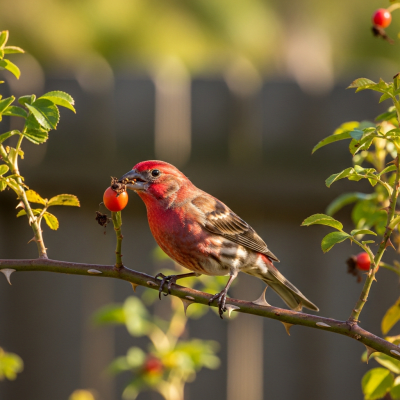
Primarily seed eaters, House Finches use their robust, conical bills to crack open a variety of seeds. They also consume fruits and buds, foraging in flocks and frequently visiting bird feeders. Their diet plays a direct role in the coloration of the males’ plumage, with certain foods enhancing their red hues.
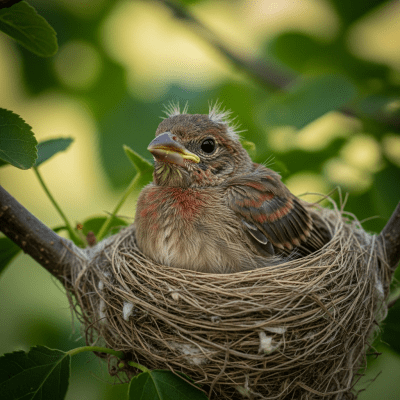
House Finches are prolific breeders, nesting in diverse locations such as trees, building ledges, and planters. They lay multiple clutches per season, and their social nature extends to communal nesting sites. While precise clutch size and breeding season details vary, their resilience and adaptability support robust populations across their range.
The House Finch is not considered threatened and maintains stable populations throughout its range. However, it faces challenges from diseases like Mycoplasmal conjunctivitis, which can impact local numbers. Its success in urban environments and broad distribution contribute to its secure conservation status.
While the House Finch has no significant commercial market value, it plays a vital ecological role by dispersing seeds and contributing to local biodiversity. Its popularity among birdwatchers and its presence in citizen science projects underscore its cultural and educational importance. In gardens and parks, House Finches help control weed populations and enrich the urban soundscape.
House Finches are not domesticated and have no recognized breeds. However, regional variation exists, especially in plumage intensity, with western populations often displaying brighter red coloration. Their expansion into new territories is a result of both natural dispersal and human introduction, rather than selective breeding.