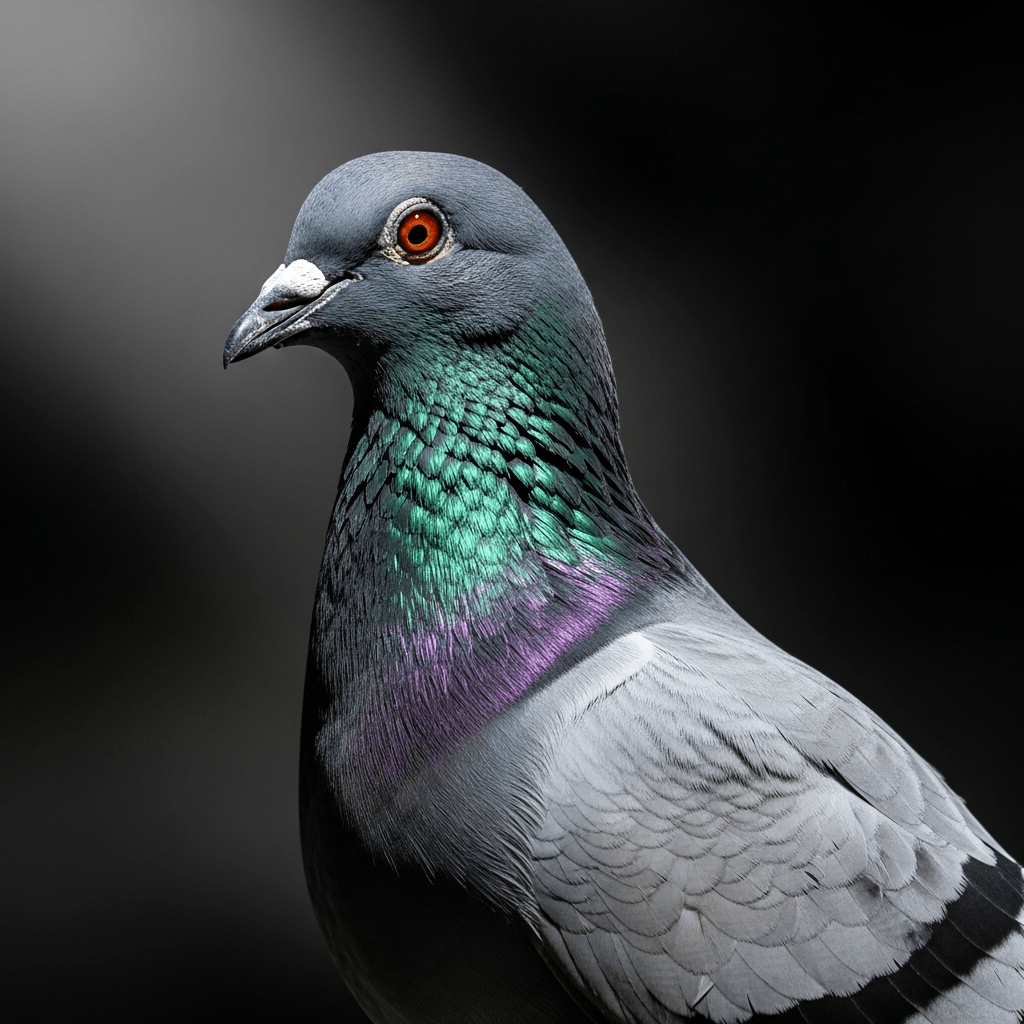
Rock Pigeon
The Rock Pigeon (Columba livia) is a medium-sized, highly adaptable bird best known as the wild ancestor of all domestic pigeons and for its close association with human settlements across the globe.
The Rock Pigeon (Columba livia) is a medium-sized, highly adaptable bird best known as the wild ancestor of all domestic pigeons and for its close association with human settlements across the globe.
First described in 1789 by Johann Friedrich Gmelin, the Rock Pigeon originated in Europe, North Africa, and western Asia. Its natural cliff-dwelling habits made it well-suited for adaptation to urban environments, and through centuries of domestication, it has been introduced worldwide. Every domestic pigeon breed, from racing to ornamental, traces its lineage back to wild Rock Pigeons, making this species a cornerstone of avian domestication history.
The Rock Pigeon belongs to the class Aves, order Columbiformes, family Columbidae, genus Columba, and species livia. As a member of the pigeon and dove family, it shares evolutionary ties with other columbids and stands as the archetype for domestic pigeon breeds. Taxonomic authorities sometimes recognize subspecies, such as Columba livia livia (wild type) and Columba livia domestica (domestic type), reflecting its broad impact on aviculture and ornithology.
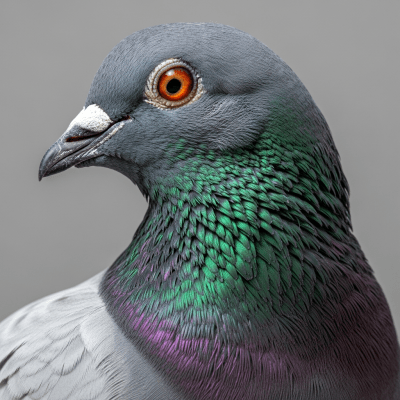
Rock Pigeons are robust birds, typically measuring 29–37 cm in length with a wingspan of 62–72 cm and weighing between 238–380 g. Their classic plumage is bluish-gray, marked by two distinct black wing bars and an iridescent neck that shimmers green and purple in sunlight. Feral populations display a wide range of color variations, but the wild form’s sleek body and radiant neck feathers remain iconic. Their strong, compact build and sharp, alert eyes contribute to their reputation for resilience and adaptability.
Highly adaptable, Rock Pigeons nest on cliffs in their native range and have seamlessly transitioned to urban life, nesting on buildings and other structures. They are famed for their homing instinct, which has been harnessed for communication as carrier pigeons. Their rapid reproductive rate allows for year-round breeding, and their social nature makes them a familiar sight in city squares and parks. Humans have utilized pigeons for meat (squab), sport (racing), ornamental display, and scientific research, highlighting their versatility and enduring utility.
Bring this kind into your world illustrated posters, mugs, and shirts.
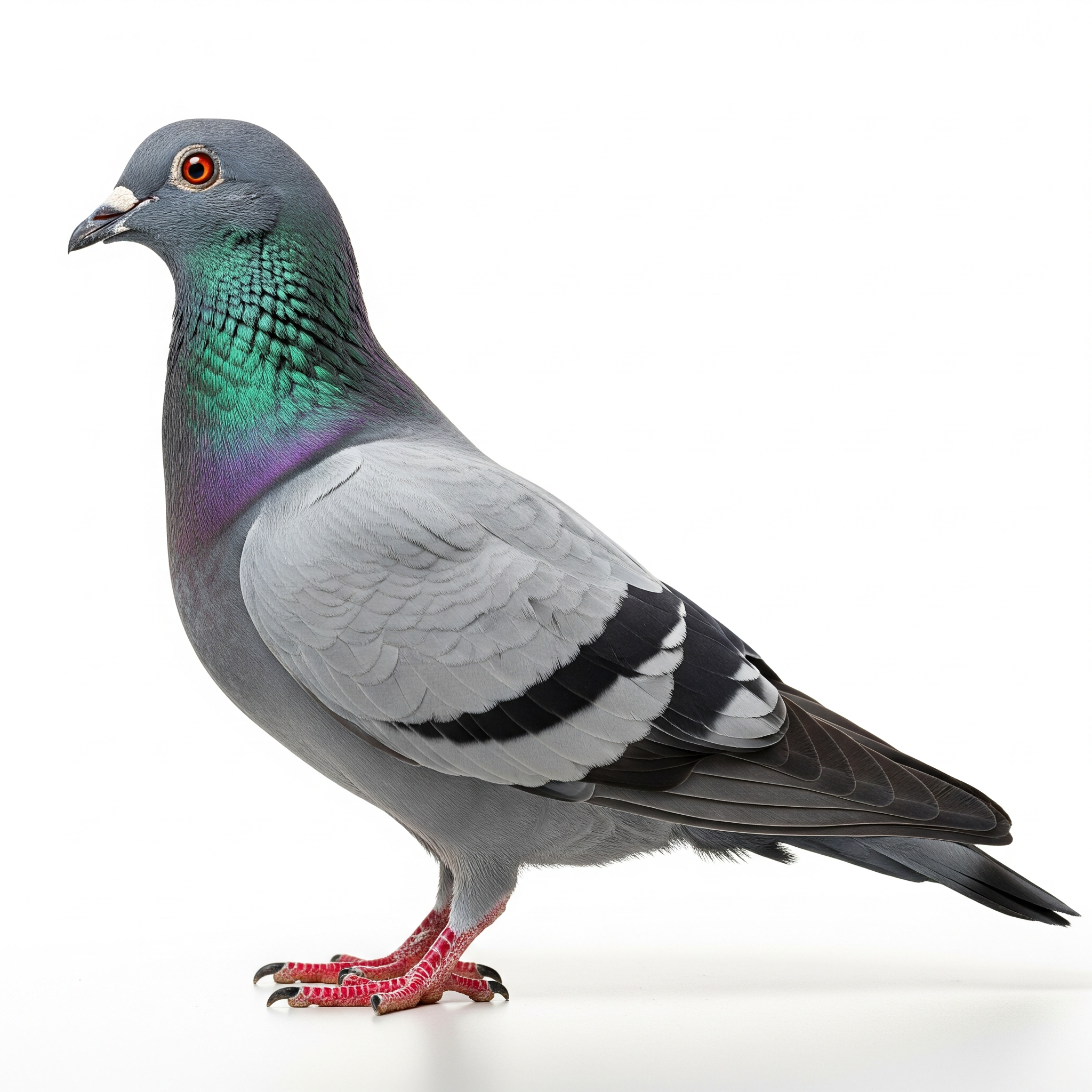
Archival print, museum-grade paper
Buy Poster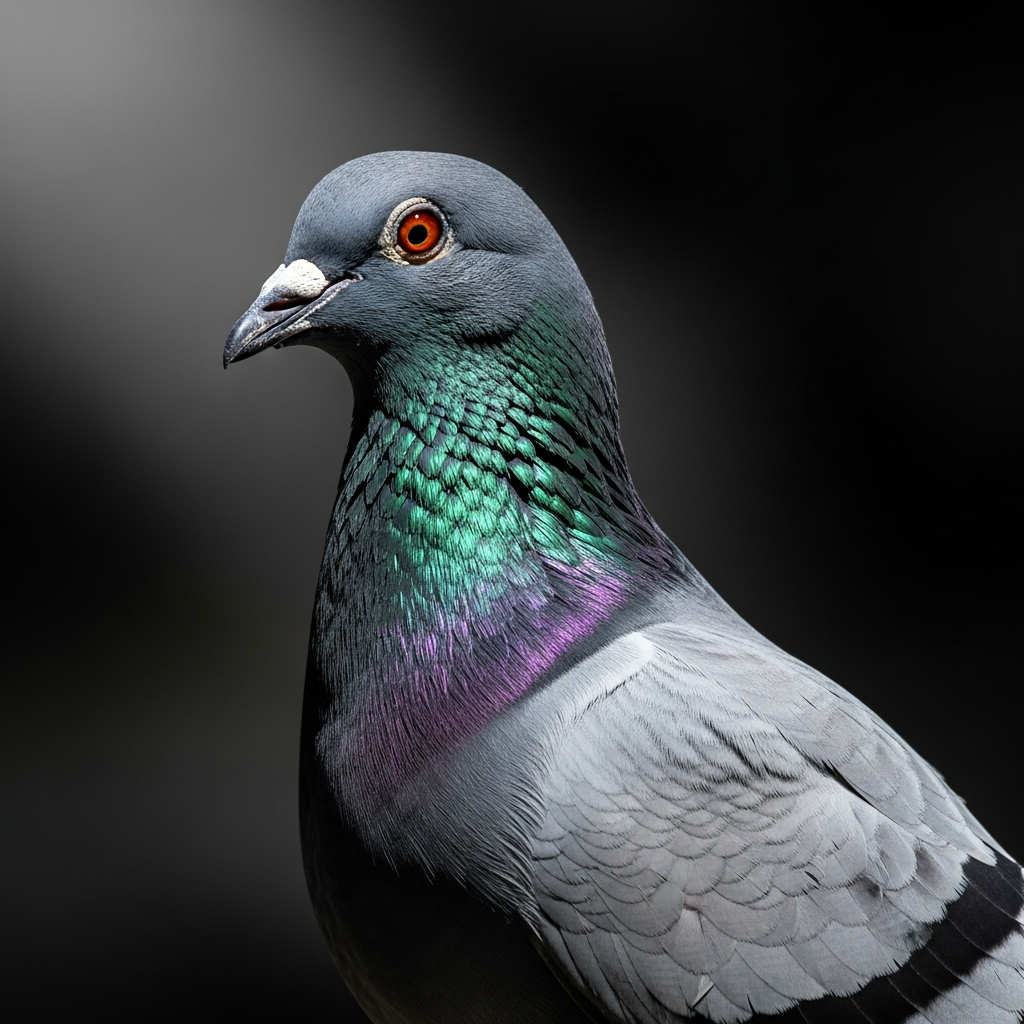
Stoneware mug, dishwasher safe
Buy Mug
Soft cotton tee, unisex sizes
Buy ShirtRock Pigeons hold a unique place in human culture. Historically, they have been symbols of peace and messengers in art and literature. Their role as carrier pigeons during wartime and in communication predates modern technology, earning them a reputation for reliability and intelligence. In many cities, pigeons are both beloved and maligned, appearing in folklore, urban legends, and public art. Their adaptability and omnipresence have made them a fixture in the cultural landscape of urban life worldwide.
Originally native to Europe, North Africa, and western Asia, Rock Pigeons have been introduced to nearly every continent. In the wild, they nest on cliffs, but in cities and towns, they thrive on buildings, bridges, and other human-made structures. Their adaptability has made them one of the most widely distributed bird species, with feral populations established in urban, suburban, and rural settings worldwide.


Rock Pigeons primarily feed on seeds and grains, foraging on the ground in open areas. In urban environments, they supplement their diet with food scraps and discarded human food, showcasing their opportunistic feeding behavior. Their ability to thrive on a varied diet contributes to their success in diverse habitats.
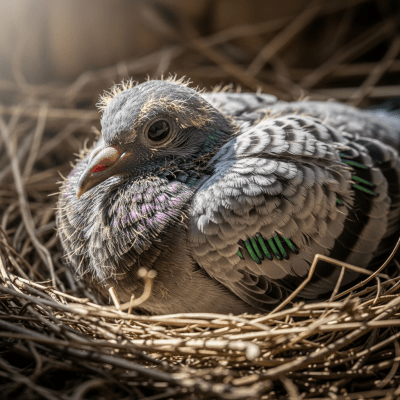
Rock Pigeons breed year-round, with pairs often raising multiple broods annually. Each clutch typically contains two eggs, which are incubated by both parents. Chicks, known as squabs, fledge within a few weeks. While wild pigeons have an average lifespan of 3–5 years, those in captivity can live well over a decade, reflecting their hardiness and adaptability.
Rock Pigeons are not considered threatened and are classified as a species of least concern globally. Their populations are stable and widespread, though urban groups may face challenges from disease, predation, and pest control measures. No major threats jeopardize the species’ overall survival.
Rock Pigeons play significant economic and ecological roles. Domesticated pigeons are bred for meat (squab), sport (racing), and ornamental purposes. Feral populations are sometimes managed as urban pests due to their abundance. Ecologically, they contribute to seed dispersal and serve as prey for urban predators, integrating into city food webs and rural ecosystems alike.
Rock Pigeons are the wild ancestors of all domestic pigeon breeds. Their domestication history spans thousands of years, resulting in a remarkable diversity of varieties for racing, ornamental display, and meat production. Recognized subspecies include Columba livia livia (wild type) and Columba livia domestica (domestic type), with countless breeds developed for specialized traits and purposes.