
Leopardus Guigna
The guiña (Leopardus guigna), also known as the kodkod, is the smallest wild cat native to South America, renowned for its diminutive size, spotted coat, and elusive nature.
The guiña (Leopardus guigna), also known as the kodkod, is the smallest wild cat native to South America, renowned for its diminutive size, spotted coat, and elusive nature.
First described in 1844 by German zoologist Heinrich Rudolf Schinz, the guiña was originally classified as Felis guigna. Its scientific journey began in southern Chile, where the earliest specimens were collected. Subsequent research confirmed its presence in temperate and coastal forests of Chile and Argentina. Taxonomic revisions later placed it in the genus Leopardus, aligning it with other South American small cats. No evidence of hybridization or crossbreeding with other felids has been documented, underscoring its distinct evolutionary lineage.
The guiña belongs to the family Felidae, subfamily Felinae, and is classified within the genus Leopardus. Its scientific name is Leopardus guigna. Two recognized subspecies exist: Leopardus guigna guigna (southern Chile and Argentina) and Leopardus guigna tigrillo (central Chile). Synonyms include Felis guigna and Oncifelis guigna. Closely related to the Geoffroy's cat and other South American small cats, the guiña's classification reflects its unique place among the continent's felids.
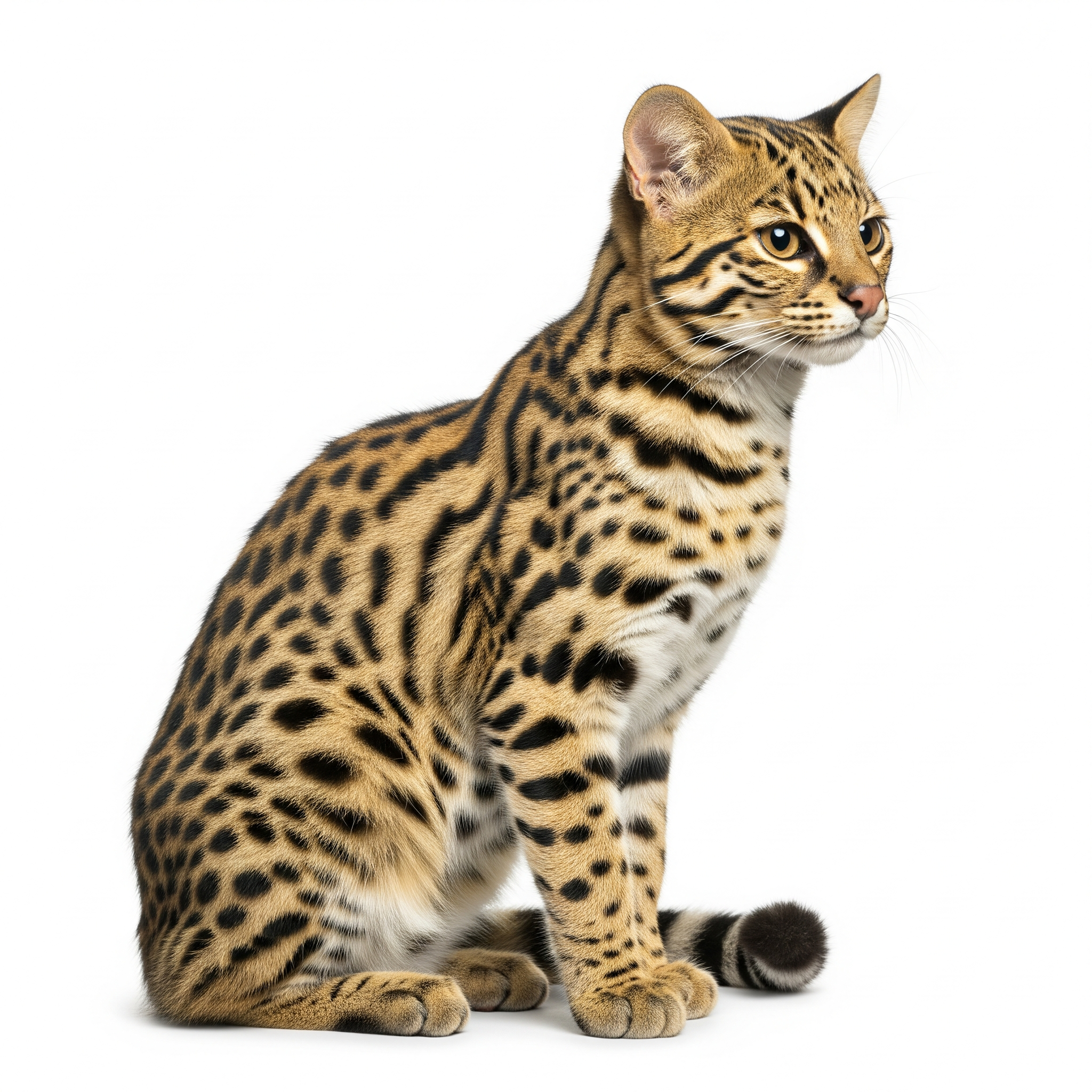
The guiña is strikingly small, with adults weighing just 2–2.5 kg and measuring 37–52 cm in body length, plus a bushy tail of 19–25 cm. Its soft, dense fur ranges from gray-brown to yellow-brown, adorned with dark spots and stripes. The tail is ringed, and the ears are rounded with distinctive black backs and white spots. These features, combined with its agile build and secretive demeanor, give the guiña a uniquely delicate and captivating presence among wild cats.
Primarily nocturnal and solitary, the guiña is an agile climber that prefers dense vegetation for cover. Its diet is diverse, including small mammals, birds, reptiles, and insects. The guiña's secretive behavior helps it evade predators and human threats, while its adaptability allows it to survive in fragmented habitats and even near human settlements, provided native forest cover remains. Despite its proximity to people, it remains elusive and rarely seen in the wild.
Bring this kind into your world illustrated posters, mugs, and shirts.
Archival print, museum-grade paper
Buy Poster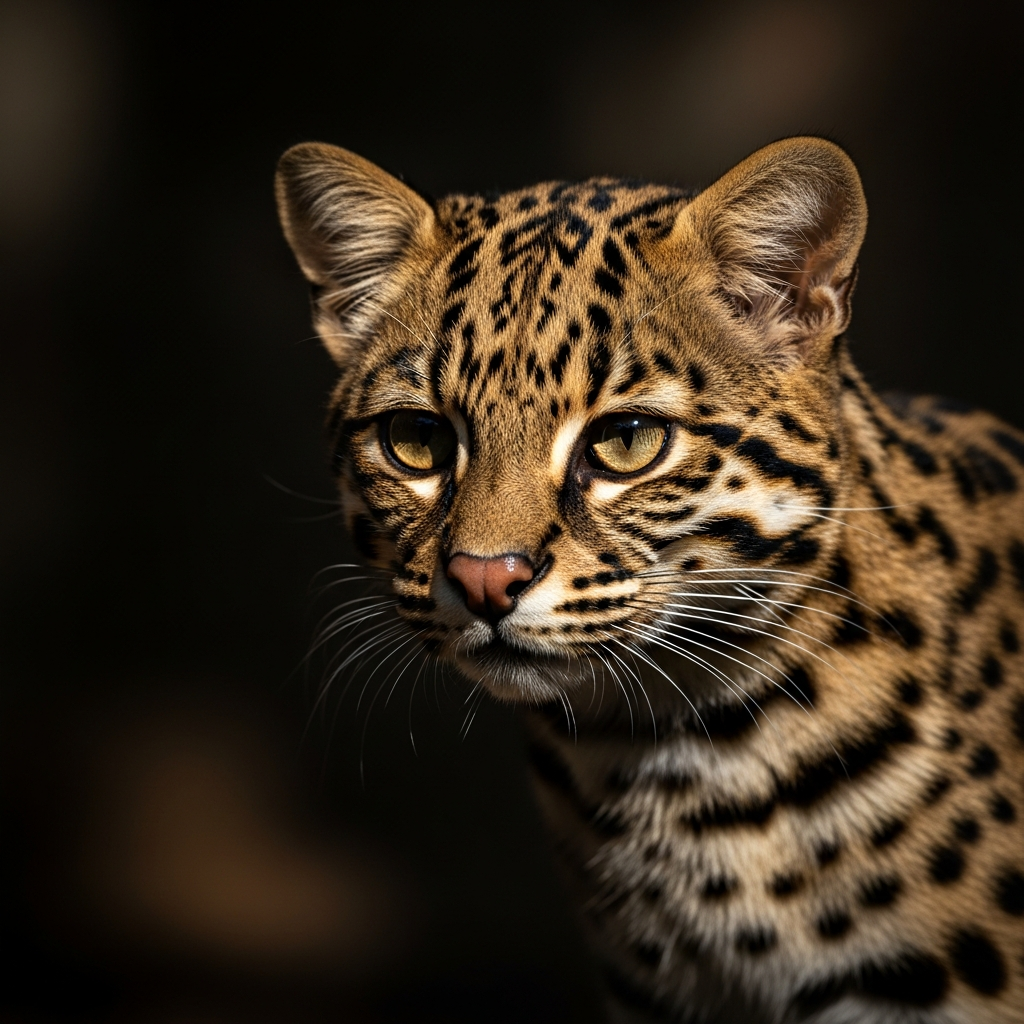
Stoneware mug, dishwasher safe
Buy Mug
Soft cotton tee, unisex sizes
Buy ShirtKnown locally as the guiña in Spanish and kodkod in Mapuche and English usage, this feline holds a quiet place in regional folklore and natural heritage. Its elusive nature has inspired local legends and conservation awareness, though it is less prominent in global art or mythology than larger felids. The guiña's status as a vulnerable species has made it a symbol for forest conservation efforts in Chile and Argentina.
Leopardus guigna is found exclusively in central and southern Chile, with its range extending slightly into southwestern Argentina. Historically and currently, its distribution is tightly linked to temperate rainforests, coastal forests, and areas with dense vegetation, though it can also persist in secondary woodlands and agricultural landscapes that offer sufficient cover.
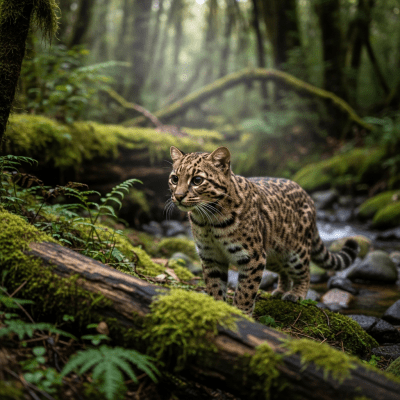
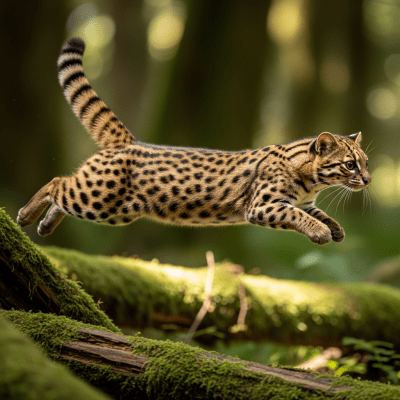
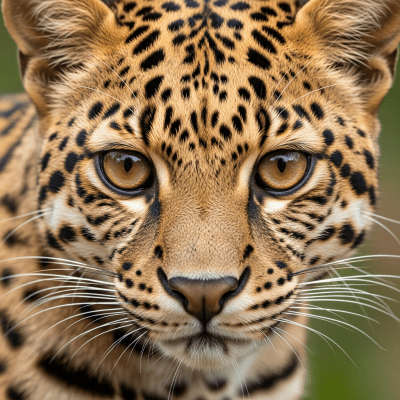
The guiña prefers temperate rainforests, coastal forests, and secondary growth woodlands. It is also found in shrublands and agricultural areas, provided there is adequate cover. Ecologically, it plays a role as a small carnivore, controlling populations of rodents, birds, and insects. Its ability to adapt to fragmented habitats and proximity to human settlements is notable, but it remains reliant on native forest patches for shelter and hunting.
The guiña is classified as Vulnerable by the IUCN Red List, indicating a high risk of extinction in the wild. This status reflects ongoing declines in population due to habitat loss and fragmentation, as well as direct persecution. Conservation efforts prioritize habitat protection, research, and community engagement to ensure the species' survival.
Major threats to the guiña include deforestation, habitat fragmentation, and conversion of land for agriculture. Human persecution, especially retaliatory killing due to predation on domestic poultry, further endangers the species. The loss of native forest cover is particularly critical, as the guiña depends on these habitats for survival despite its adaptability to altered landscapes.
The guiña exhibits remarkable adaptability, thriving in fragmented habitats and even near human settlements, as long as native forest cover is present. Its secretive, nocturnal habits and agile climbing abilities help it evade predators and navigate dense vegetation. These traits, combined with its solitary lifestyle, enable the guiña to survive in environments that challenge many other wild cats.
Guiñas breed seasonally, with females giving birth to litters of 1–3 kittens after a gestation period of approximately 72–78 days. Kittens are born blind and helpless, relying on maternal care until they are weaned and able to hunt independently. The species' reproductive strategy is adapted to the rhythms of its forested environment, ensuring young are born during periods of resource abundance.
Both subspecies are recognized for their subtle morphological differences, but share the core traits of the species.
Genetic studies confirm the guiña's placement within the genus Leopardus, closely related to Geoffroy's cat and other South American small felids. Mitochondrial DNA and microsatellite analyses reveal low genetic diversity and population structure between northern and southern populations. Chromosomal data (2n=36) and DNA barcodes have been documented, though a complete genome sequence is not yet available. These insights inform conservation strategies and highlight the importance of maintaining genetic health in fragmented populations.