Leopardus Tigrinus
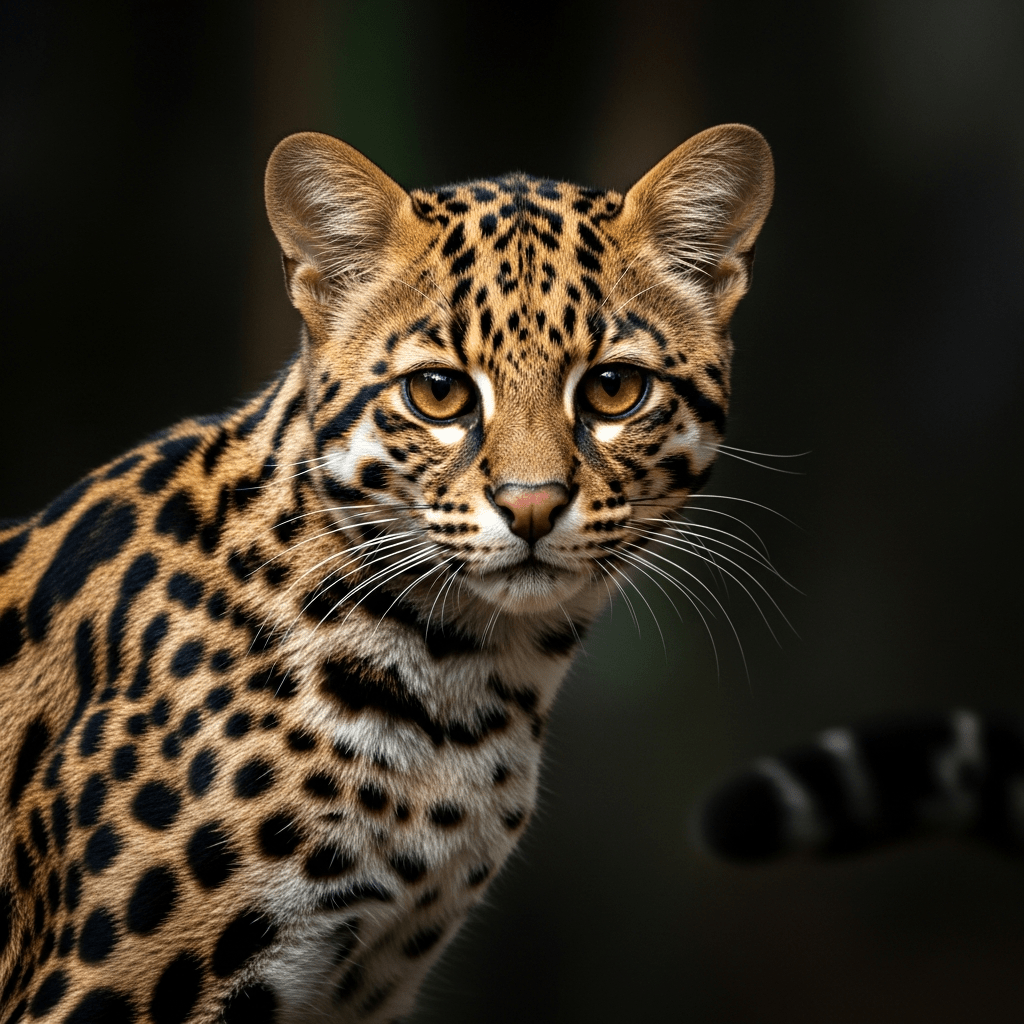
The Oncilla (Leopardus tigrinus) is a small, elusive wild cat native to South America, celebrated for its striking spotted coat and arboreal lifestyle.
The Oncilla (Leopardus tigrinus) is a small, elusive wild cat native to South America, celebrated for its striking spotted coat and arboreal lifestyle.
First described in 1788 by Johann Christian Daniel von Schreber, the Oncilla’s scientific recognition began with specimens from Brazil. Its evolutionary roots trace back to the genus Leopardus, which includes several small, spotted cats of Central and South America. The species’ lineage is closely intertwined with the margay and ocelot, and ongoing research continues to refine its subspecies boundaries, especially between populations in the northern Andes and southern Brazil.
The Oncilla belongs to the family Felidae, subfamily Felinae, and genus Leopardus. It is classified as Leopardus tigrinus, with recognized subspecies such as L. tigrinus tigrinus and L. tigrinus guttulus. This places it among the small, spotted Neotropical cats, sharing close genetic ties with the margay and ocelot within the Leopardus clade.
The Oncilla is a slender, petite feline, typically weighing 1.5–3 kg and measuring up to 59 cm in body length, with a long bushy tail marked by dark rings. Its soft, thick fur is yellowish to ochre, adorned with dark rosettes and spots, while the underparts are paler. The head is small and rounded, featuring large nocturnal eyes and prominent white facial markings, lending it an expressive, delicate look. Its agile form is perfectly suited for climbing and moving stealthily through dense forest canopies.
Oncillas are solitary, highly secretive, and primarily active at night or twilight. They excel at climbing and spend much of their time in trees, hunting small mammals, birds, reptiles, and insects. Their elusive nature makes them rarely seen in the wild, and they play a vital ecological role as mid-level predators within their forest habitats. Interaction with humans is minimal, mostly limited to indirect impacts through habitat disturbance.
Bring this kind into your world illustrated posters, mugs, and shirts.
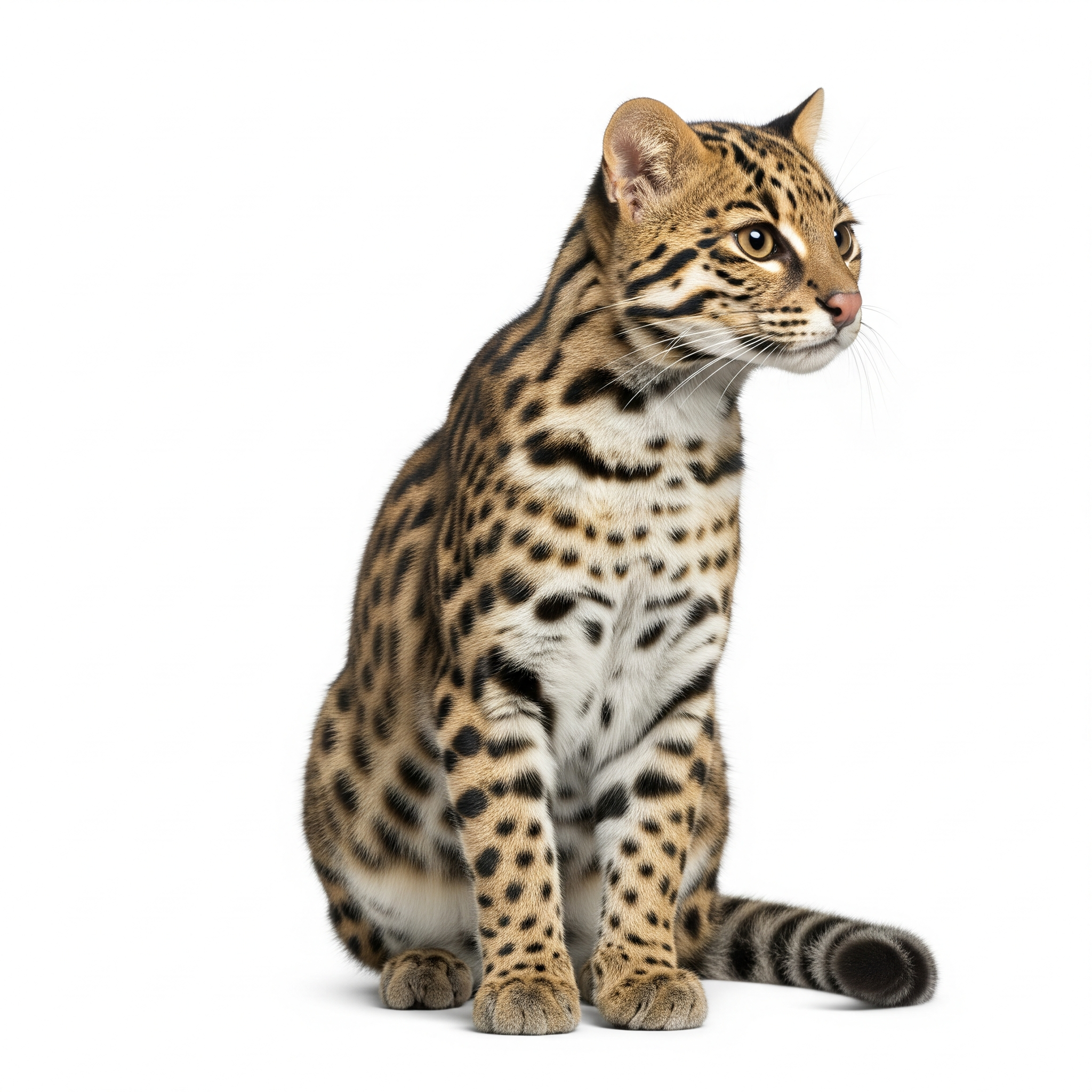
Archival print, museum-grade paper
Buy Poster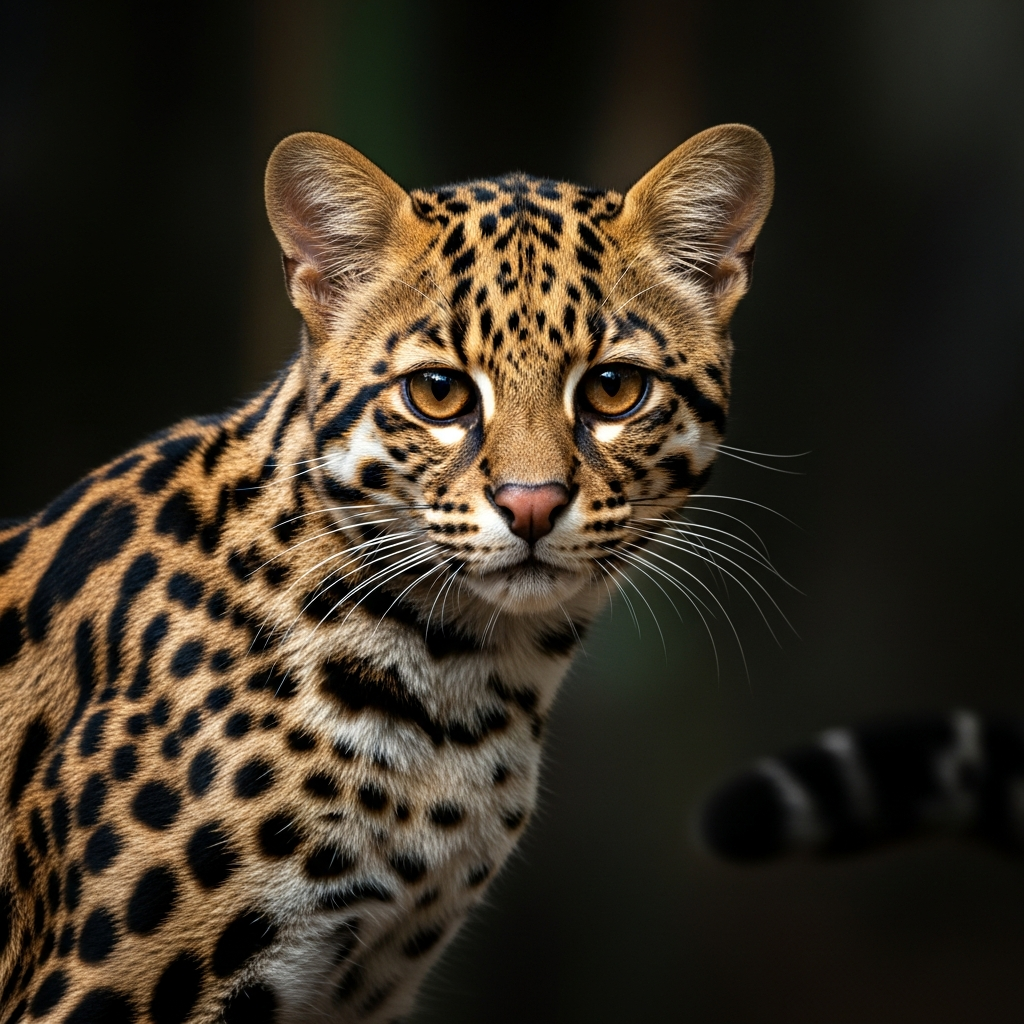
Stoneware mug, dishwasher safe
Buy Mug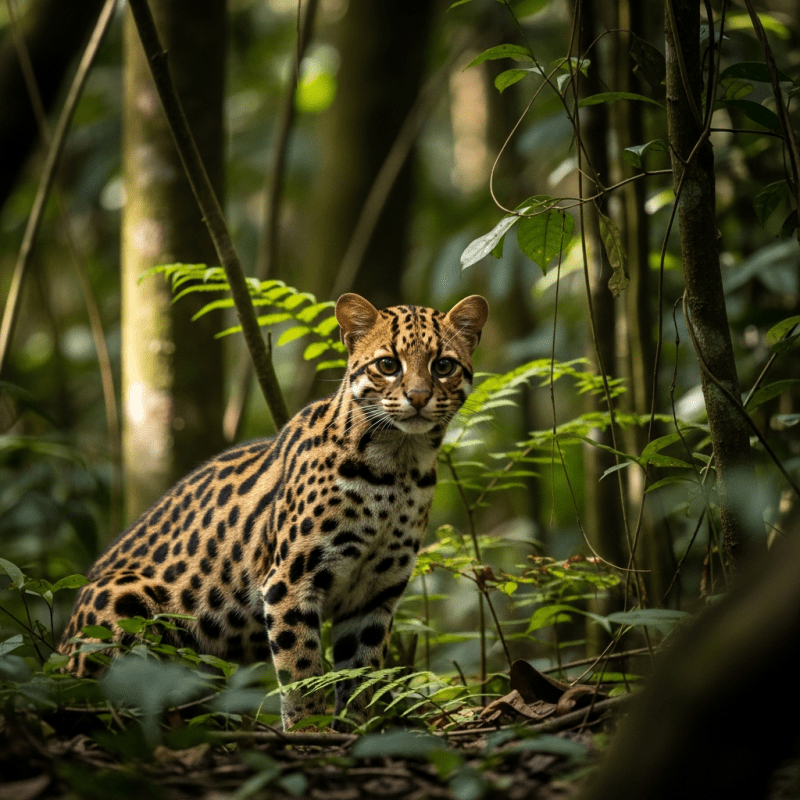
Soft cotton tee, unisex sizes
Buy ShirtWhile the Oncilla is less prominent in art and folklore than larger cats, it is known regionally as the "Tigrillo" or "Tiger Cat," admired for its beauty and agility. In some South American cultures, its spotted coat has inspired local stories and names, though it is more often a symbol of the mysterious and hidden life of the forest. Conservation efforts have elevated its profile as an emblem of threatened biodiversity in the Atlantic and Andean forests.
The Oncilla’s range stretches from Costa Rica and Panama in Central America through northern and central South America, including Colombia, Venezuela, Ecuador, Peru, Brazil, Guyana, Suriname, and French Guiana. It occupies elevations from sea level to 4,800 meters, but is most commonly found above 1,500 meters in montane and cloud forests.
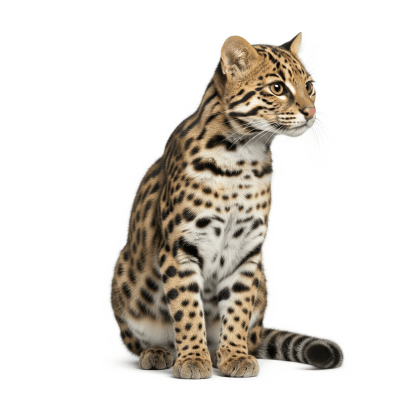

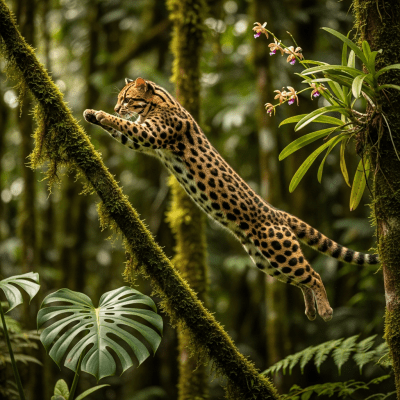
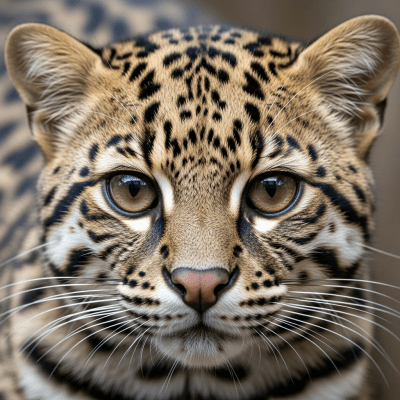
Preferring montane and lowland forests, the Oncilla thrives in cloud forests, Atlantic Forest, and secondary growth. Its ecological role centers on controlling populations of small mammals, birds, and insects. Arboreal agility allows it to exploit tree canopies, while cryptic coloration helps it evade predators and hunt efficiently in dense vegetation.
Currently classified as Vulnerable by the IUCN Red List, the Oncilla faces a declining population trend. This status highlights the species’ risk of extinction due to ongoing habitat loss, fragmentation, and direct persecution. International protection under CITES Appendix I and various national laws exists, but enforcement and habitat preservation remain challenging.
The Oncilla’s survival is threatened by deforestation, habitat fragmentation, conversion of forests for agriculture, hunting for pelts, and retaliatory killing. These pressures have led to shrinking populations and isolated groups, making long-term viability increasingly precarious despite legal protections.
The Oncilla boasts remarkable adaptations for life in dense forests: arboreal agility enables it to climb and hunt in trees; cryptic coloration provides camouflage against predators and prey; and its acute senses—especially vision—support nocturnal hunting. These traits help it thrive in a variety of forested environments, from lowland to high-altitude cloud forests.
Oncilla reproduction is seasonal in some regions, with females giving birth to litters of 1–3 kittens after a gestation period of approximately 74–76 days. Kittens are born blind and dependent, with mothers providing care until they are able to hunt and fend for themselves. The species’ secretive nature means much of its reproductive behavior remains under-studied.
Two main subspecies or regional populations are recognized: Leopardus tigrinus tigrinus (northern Andes) and Leopardus tigrinus guttulus (southern Brazil). Taxonomic consensus is lacking, with some authorities treating L. guttulus as a separate species. This reflects ongoing genetic and morphological research into population distinctions.
Genetic studies reveal distinct mitochondrial DNA lineages within the Oncilla complex, especially between northern Andean and southern Brazilian populations. DNA barcodes such as cytochrome b and COI have been used to clarify relationships, and partial genome data is available. The species is closely related to the margay and ocelot within the Leopardus clade, and hybridization with other Leopardus species has been reported. Whole-genome sequencing is not yet complete, leaving some evolutionary questions unresolved.