Lynx Rufus
The bobcat (Lynx rufus) is a medium-sized wild cat native to North America, renowned for its adaptability and distinctive short "bobbed" tail.
The bobcat (Lynx rufus) is a medium-sized wild cat native to North America, renowned for its adaptability and distinctive short "bobbed" tail.
First described in 1777 by Johann Christian Daniel von Schreber, the bobcat originated from Eurasian ancestors and diverged from closely related lynx species such as the Canada lynx. The earliest scientific records were based on specimens from eastern North America, and today, the bobcat stands as a uniquely North American feline with no documented hybridization in wild populations.
The bobcat belongs to the family Felidae, subfamily Felinae, and genus Lynx. Its scientific name is Lynx rufus, with historical synonyms including Felis rufus. Within the broader feline family, bobcats are classified among the small-to-medium wild cats, sharing lineage with other lynx species and distinguished by their evolutionary divergence in North America.
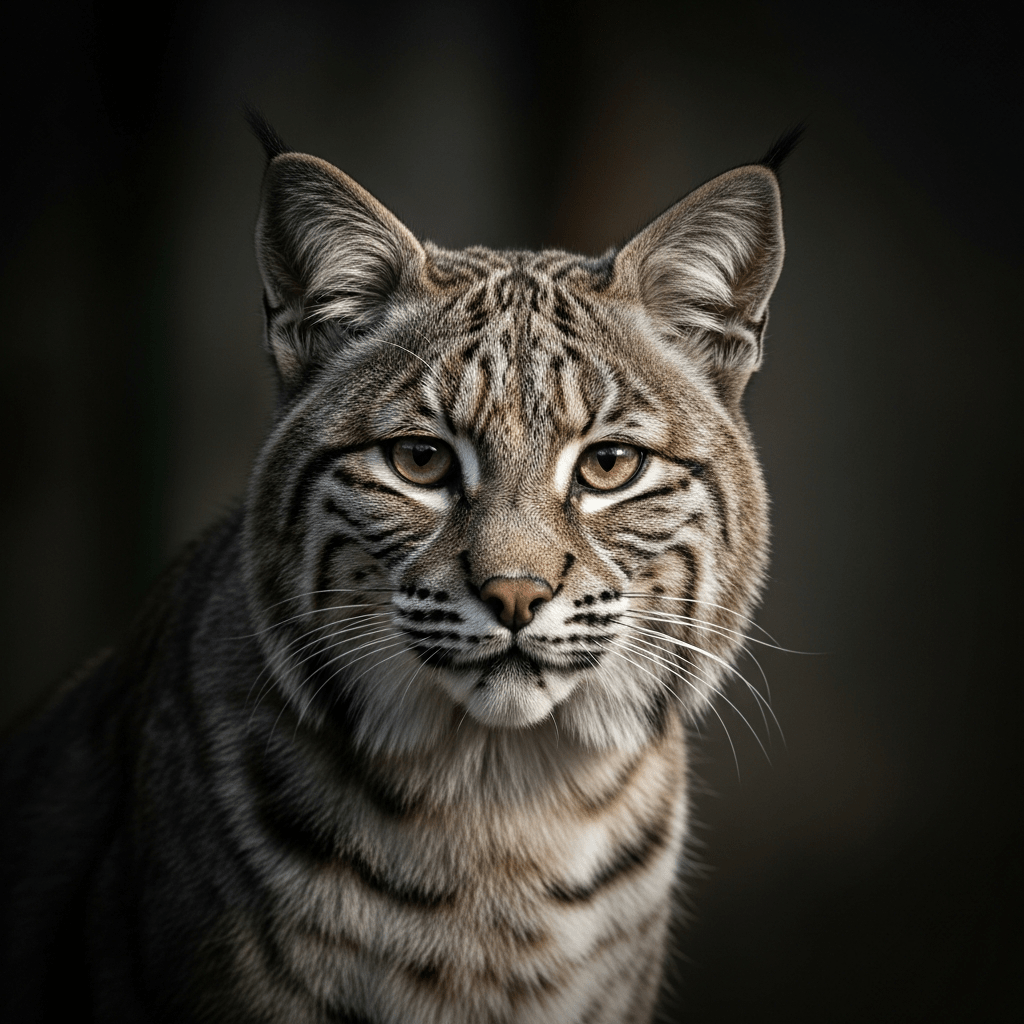
Bobcats are instantly recognizable by their short, "bobbed" tails (3.5–8 inches), pointed ears adorned with black tufts, and prominent facial ruffs. Their coats range from tawny to grayish-brown, patterned with black spots and streaks that provide effective camouflage. Medium in size, adults typically weigh between 14 and 40 pounds, measuring 26 to 41 inches in body length. The overall impression is of a compact, muscular feline built for stealth and agility.
Bobcats are solitary, territorial, and primarily crepuscular or nocturnal in their habits. As opportunistic carnivores, they hunt a variety of prey including rabbits, rodents, birds, and occasionally deer. Their ecological role as mesopredators helps regulate prey populations, contributing to ecosystem balance. Bobcats rarely interact with humans directly, but their adaptability allows them to thrive even near suburban environments.
Bring this kind into your world illustrated posters, mugs, and shirts.
Archival print, museum-grade paper
Buy Poster
Stoneware mug, dishwasher safe
Buy Mug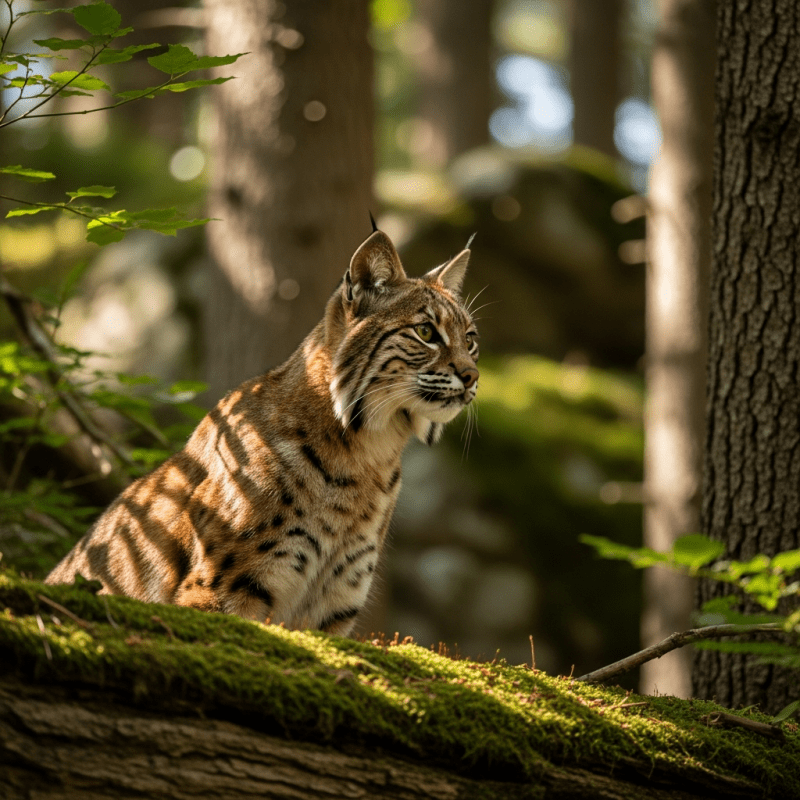
Soft cotton tee, unisex sizes
Buy ShirtThe bobcat features prominently in North American folklore, often symbolizing stealth, independence, and resilience. Its image appears in indigenous art, regional emblems, and modern wildlife conservation campaigns. The bobcat’s elusive nature and striking appearance have made it a subject of fascination in literature and popular media, representing the wild spirit of North America.
Bobcats are native to North America, with a range extending from southern Canada through the United States to northern Mexico. Historically and currently, they occupy a vast territory, making them one of the continent’s most widely distributed wild cats.
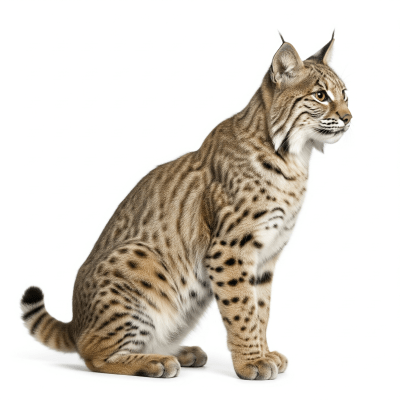
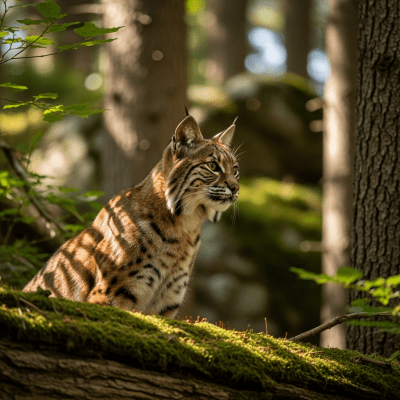
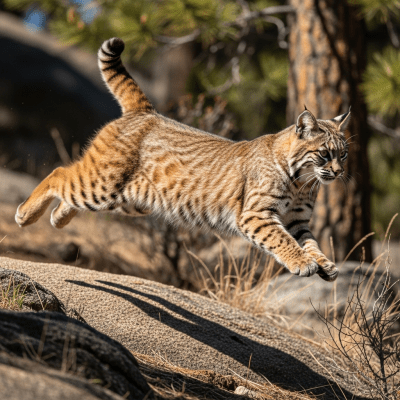
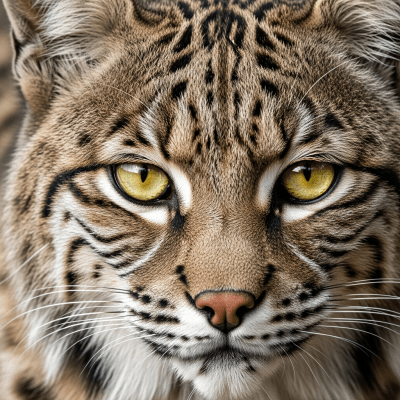
Bobcats thrive in a remarkable variety of habitats, including forests, semi-deserts, swamps, and even suburban areas. Their adaptability allows them to exploit diverse environments, where they serve as mesopredators—regulating populations of small mammals and birds and maintaining ecological balance.
Classified as Least Concern by the IUCN Red List, the bobcat enjoys a stable global population estimated at over one million individuals. This status reflects its resilience and adaptability, though regional declines may occur in areas facing intense urbanization or habitat loss.
Major threats to bobcat populations include habitat fragmentation, hunting, trapping, and vehicle collisions. While the species remains widespread and resilient, local declines have been observed in heavily urbanized regions. Continued monitoring and conservation efforts are important to mitigate these challenges.
Bobcats possess acute vision and hearing, powerful limbs for climbing and leaping, and a highly flexible behavioral repertoire. Their spotted, camouflaged coat enables them to blend seamlessly into varied environments, enhancing both hunting success and evasion from threats.
Bobcats breed once annually, with females giving birth to litters of 1 to 6 kittens after a gestation period of 60–70 days. Kittens are born blind and helpless, relying on maternal care for several months before becoming independent. The species follows a solitary lifestyle, with young dispersing to establish their own territories as they mature.
Authorities recognize between 12 and 13 subspecies, though taxonomic boundaries are debated. Regional populations may be subject to local conservation measures.
Genetic research confirms the bobcat’s placement within the Lynx genus and highlights moderate genetic diversity across its range. Mitochondrial DNA and full genome sequences are available, supporting studies in conservation genetics and population management. Regional structuring among subspecies has been identified, offering insights into evolutionary history and adaptation.