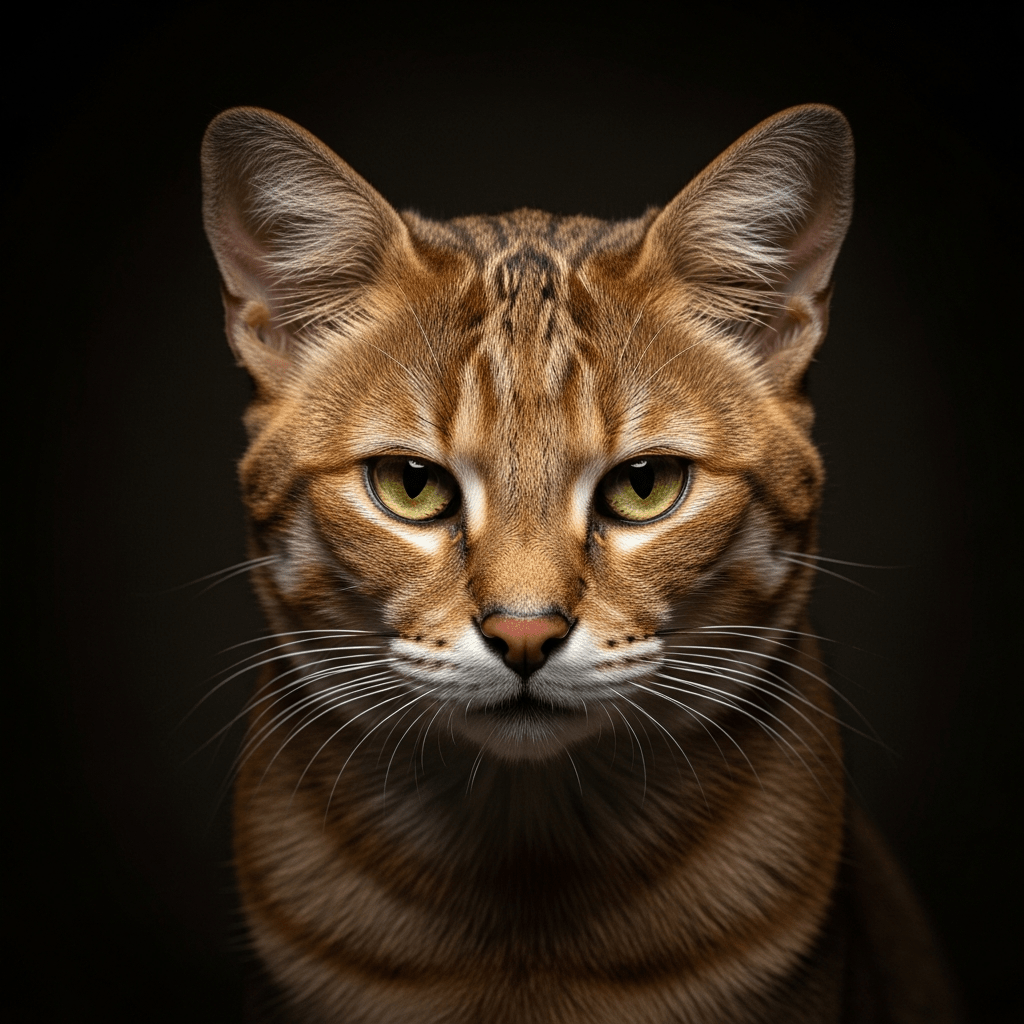
Felis Chaus
The Jungle Cat (Felis chaus) is a medium-sized wild feline renowned for its adaptability across wetlands, grasslands, and agricultural landscapes throughout Asia and northeastern Africa.
The Jungle Cat (Felis chaus) is a medium-sized wild feline renowned for its adaptability across wetlands, grasslands, and agricultural landscapes throughout Asia and northeastern Africa.
First described by Johann Anton Güldenstädt in 1776 from the Caucasus region, the Jungle Cat is a basal member of the small cats lineage within the genus Felis. Its evolutionary roots trace back to ancient Eurasia, with no evidence of hybrid origins in wild populations.
The Jungle Cat belongs to the family Felidae, subfamily Felinae, and genus Felis. It is classified as Felis chaus, with several proposed subspecies. As a small wild cat, it is closely related to the African wildcat (Felis lybica) and the domestic cat (Felis catus), forming part of the foundational branch of the Felis lineage.
Jungle Cats are slender, long-legged felids with a grizzled yellowish-brown to grey coat, sometimes marked by faint stripes or spots. Their short, dense fur ends in a black-tipped tail with dark rings. Notably, they have large, pointed ears often adorned with small tufts, and a streamlined build suited for running and leaping. Adults typically weigh 4–16 kg and measure 50–94 cm in body length, with tails ranging from 20–31 cm.
Primarily solitary and crepuscular or nocturnal, Jungle Cats are skilled swimmers and climbers, frequently found near water. Their opportunistic diet includes rodents, birds, reptiles, amphibians, insects, and fish. As mesopredators, they play a crucial ecological role in controlling small vertebrate populations. In undisturbed habitats, they may also be active during the day. Their adaptability allows them to thrive in human-modified landscapes, such as agricultural fields.
Bring this kind into your world illustrated posters, mugs, and shirts.
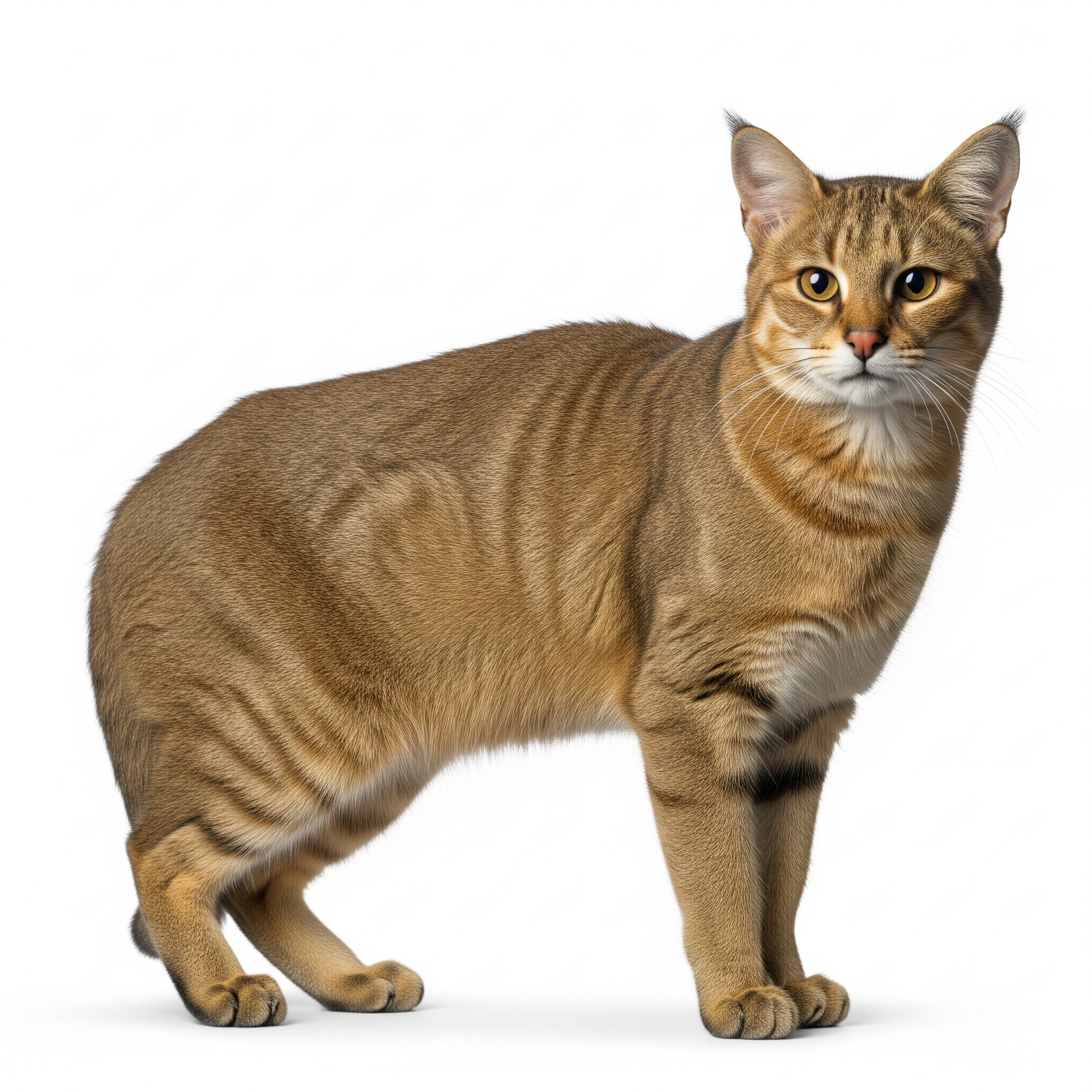
Archival print, museum-grade paper
Buy Poster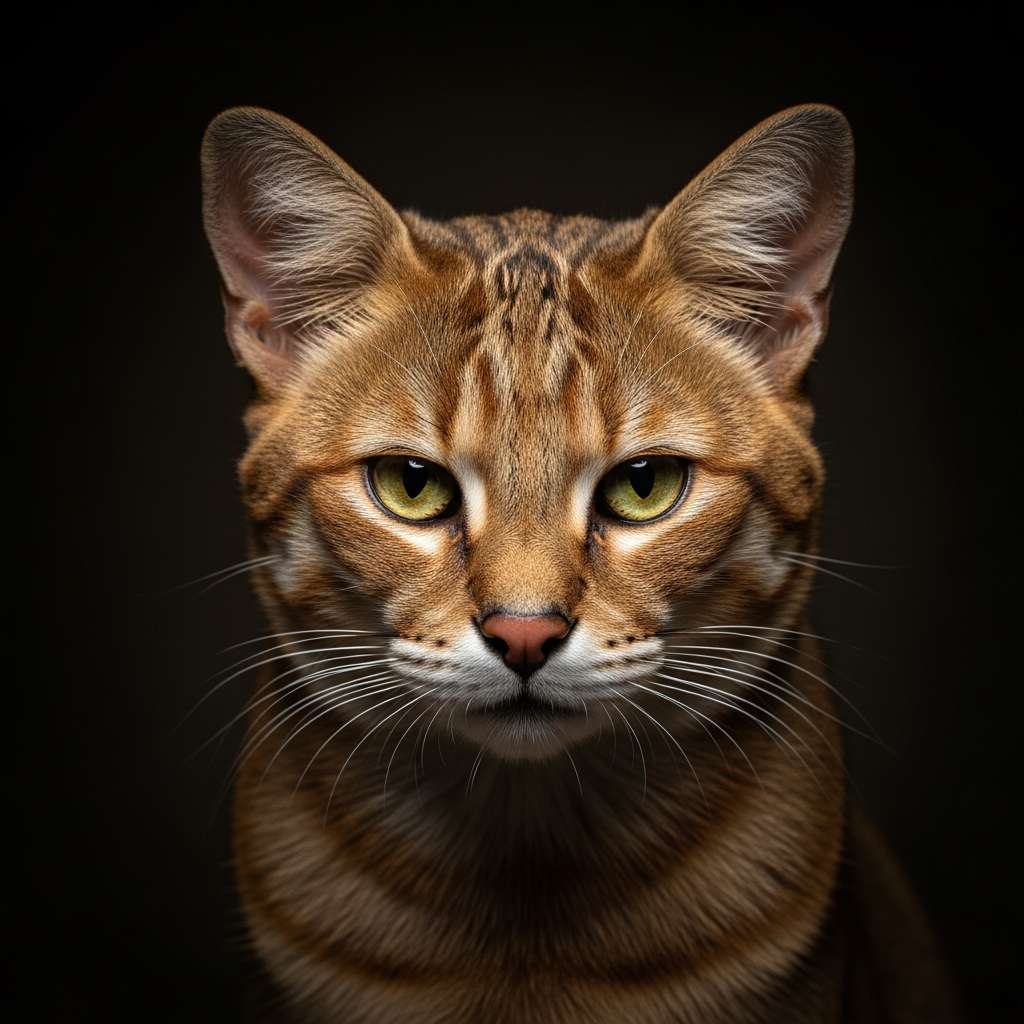
Stoneware mug, dishwasher safe
Buy Mug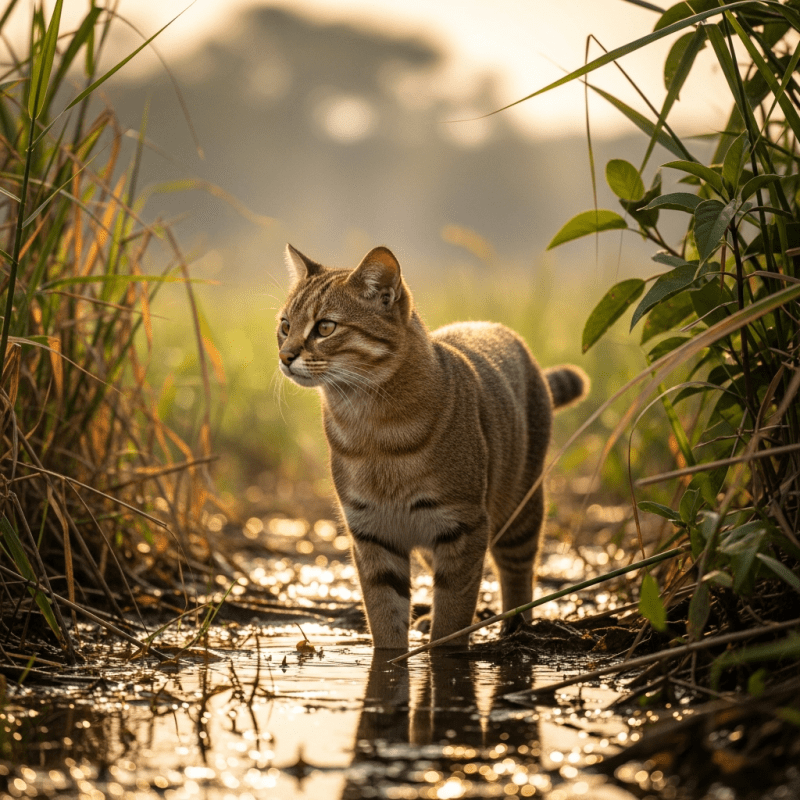
Soft cotton tee, unisex sizes
Buy ShirtKnown by various names—Reed Cat, Swamp Cat, "Billi" in Hindi, "Chaus" in Russian—the Jungle Cat features in regional folklore and local vernaculars, often associated with wetlands and marshes. While it does not hold the iconic status of larger felines in myth or art, its presence in agricultural and rural settings has made it a familiar figure in local stories and sometimes a target of superstition or pest control.
Jungle Cats are native to a vast area stretching from Egypt and the Middle East across the Indian subcontinent, Central Asia, Southeast Asia, and southern China. Historically and currently, they are absent from dense forests and true deserts, favoring open and semi-open habitats near water.
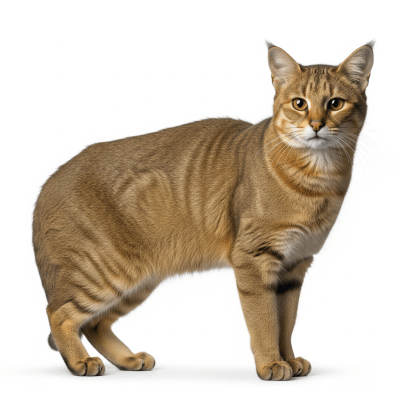
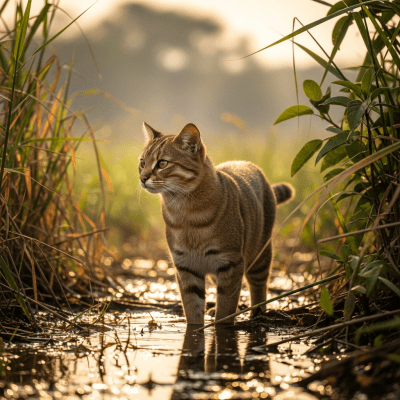
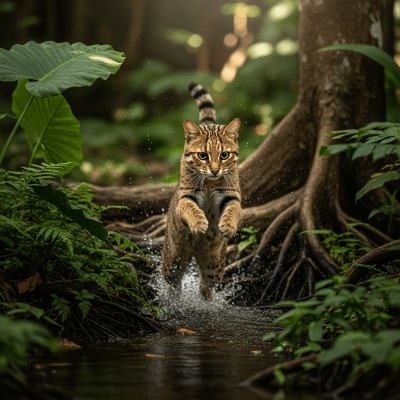
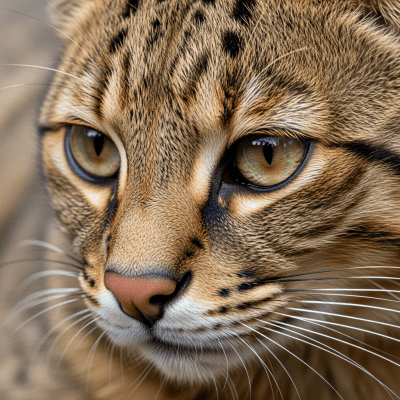
Preferring wetlands such as reed beds and marshes, Jungle Cats also thrive in grasslands, scrub, open forests, and agricultural fields. Their ecological role as mesopredators helps regulate populations of rodents and other small animals. Their adaptability to both natural and human-modified environments sets them apart from many other wild felines.
The Jungle Cat is listed as Least Concern by the IUCN Red List, reflecting its wide distribution and presumed large population. However, fragmented populations and local declines are observed in areas facing habitat loss and persecution.
Major threats to Jungle Cats include habitat loss through wetland drainage and agricultural expansion, hunting, retaliatory killing as pests, and accidental trapping. Habitat conversion and fragmentation further challenge their survival, especially in regions where wetlands are disappearing.
Jungle Cats exhibit unique adaptations such as strong swimming ability, tolerance for human-modified landscapes, and versatile hunting skills. Their long legs and slender build enable efficient movement through tall grasses and marshes, while their opportunistic feeding behavior allows them to exploit a wide range of prey.
Breeding can occur year-round, with peaks tied to local climate. Females give birth to 2–6 kittens after a gestation of about 63–66 days. Kittens are weaned at around three months and reach sexual maturity between 11 and 18 months. Parental care is provided primarily by the mother until independence.
Up to nine subspecies have been proposed, though their boundaries remain debated.
Genetic studies confirm the Jungle Cat as a distinct species within the Felis lineage, closely related to the African wildcat and domestic cat. Mitochondrial DNA barcodes and nuclear markers are available, supporting its separation from other Felis species. Some historical gene flow with domestic cats has been detected in overlapping areas, but no recognized hybrids exist in wild populations. Full genome sequencing is limited, with partial data accessible in public databases.