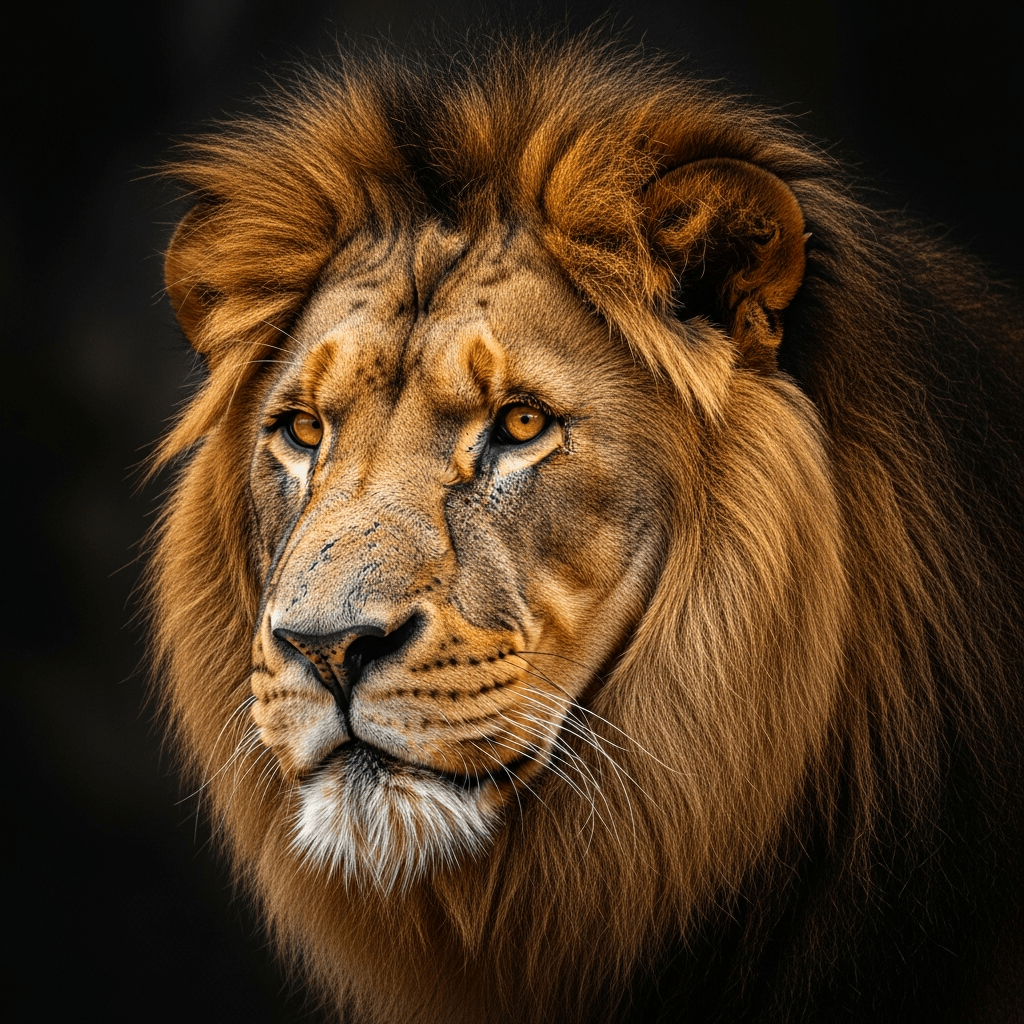
Panthera Leo
The lion (Panthera leo) is a large, social carnivore renowned for its majestic mane and powerful roar, and stands as one of the most iconic members of the cat family.
The lion (Panthera leo) is a large, social carnivore renowned for its majestic mane and powerful roar, and stands as one of the most iconic members of the cat family.
The lion was first formally described by Carl Linnaeus in 1758, with fossil evidence tracing its lineage back over a million years. Originating in Africa and parts of Eurasia, the species diverged from other big cats within the genus Panthera approximately 1.25–1.7 million years ago. Today, the lion’s evolutionary journey is reflected in its distinct African and Asiatic populations, with the latter surviving only in India’s Gir Forest.
Lions belong to the family Felidae, subfamily Pantherinae, and genus Panthera, sharing this group with tigers, leopards, and jaguars. The species is scientifically named Panthera leo, with recognized subspecies including P. l. leo (northern populations), P. l. melanochaita (southern Africa), and P. l. persica (Asiatic lion). Their placement within Pantherinae marks them as true big cats, distinct from smaller felines.
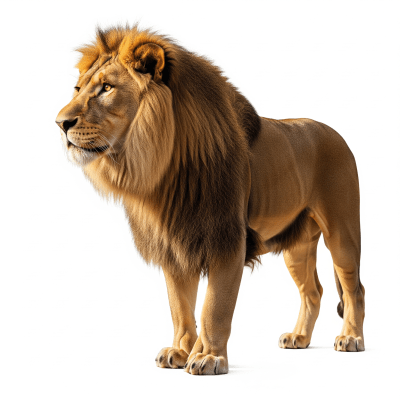
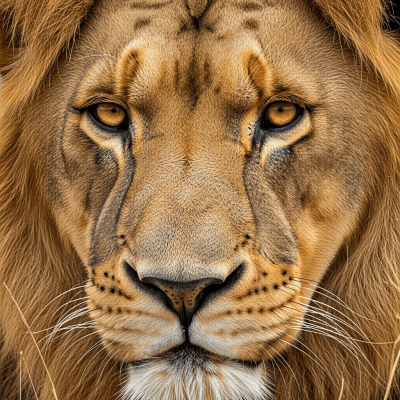
Lions are muscular felines with a short, tawny coat. Adult males are distinguished by their thick, dark manes, which vary in color and size and serve both as a display and protection. Females lack manes and are more streamlined. Cubs are born with spotted coats that fade as they mature. Males typically weigh 150–250 kg and measure up to 2.1 meters in length, while females are smaller, weighing 110–180 kg. Their expressive faces, powerful build, and imposing presence make them unmistakable among wild animals.
Unlike most cats, lions are highly social, living in prides composed of related females, their offspring, and a coalition of males. They are obligate carnivores, hunting cooperatively for large prey such as wildebeest and buffalo. Lions are primarily nocturnal but may be active during the day. Their roar, audible up to 8 km, serves to communicate territory and social status. Reproduction is polygynous, and parental care is shared among pride members, with females often nursing each other's cubs.
Bring this kind into your world illustrated posters, mugs, and shirts.
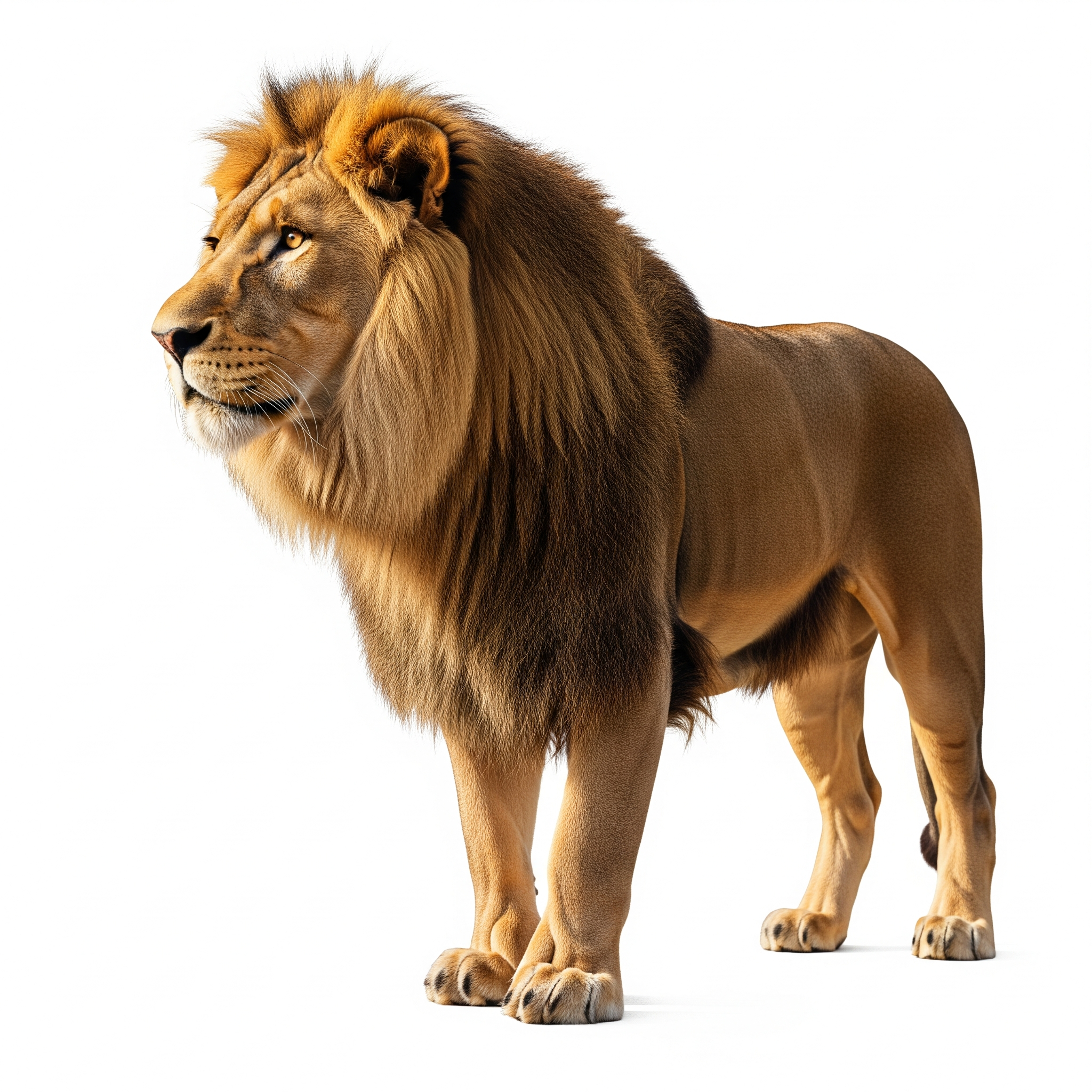
Archival print, museum-grade paper
Buy Poster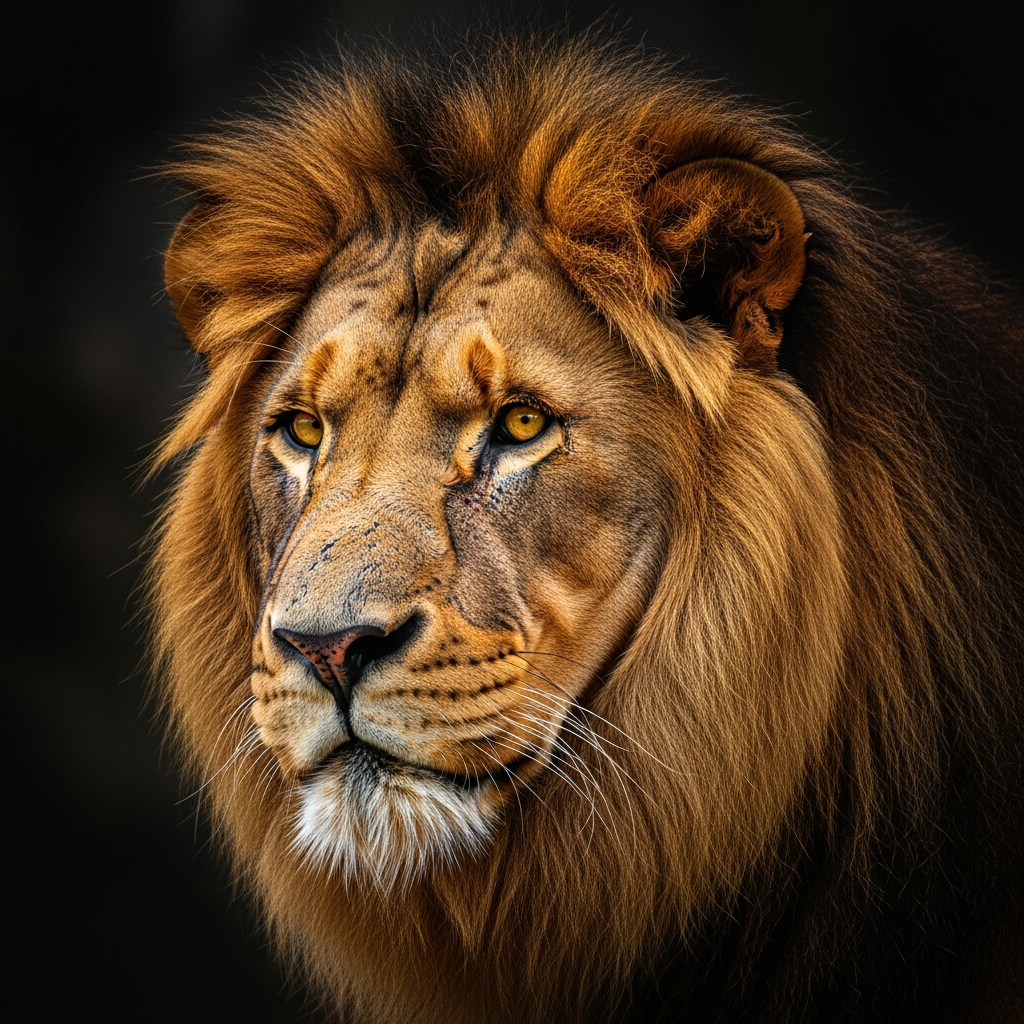
Stoneware mug, dishwasher safe
Buy Mug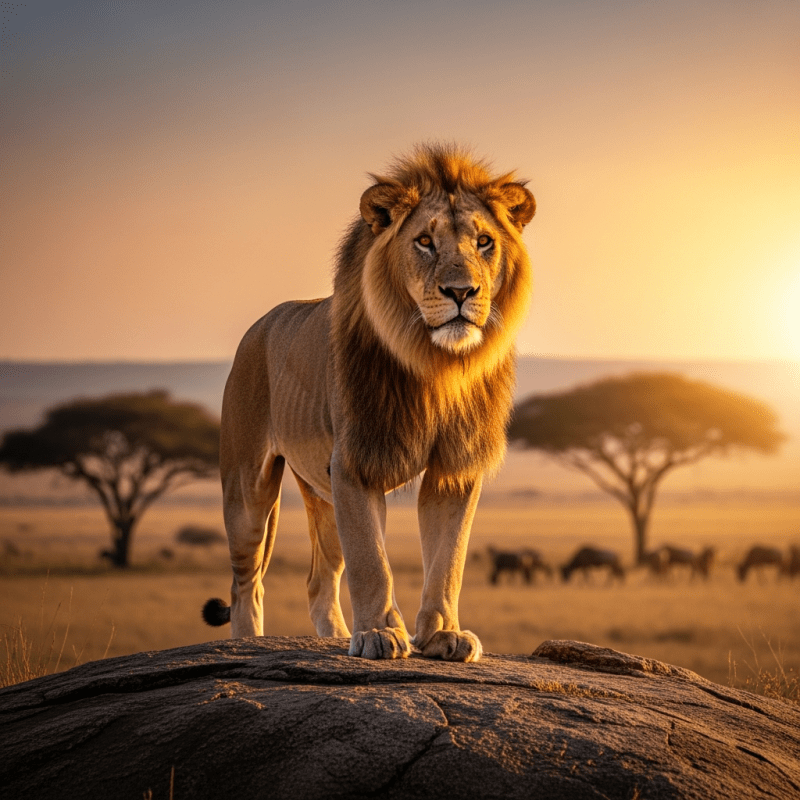
Soft cotton tee, unisex sizes
Buy ShirtThe lion has long been a symbol of strength, royalty, and courage in art, mythology, and heraldry worldwide. Revered in African folklore, depicted as regal in European coats of arms, and celebrated in literature and film, lions embody power and nobility. The Swahili name "simba" is widely recognized, and the lion’s image features prominently in religious iconography, national emblems, and popular culture, from ancient sculptures to modern media.
Historically, lions roamed across Africa, southern Europe, and much of Asia. Today, their range is limited to sub-Saharan Africa and a single, isolated population in India’s Gir Forest. This dramatic contraction reflects centuries of habitat loss and human encroachment, making the lion’s current distribution a fraction of its former glory.
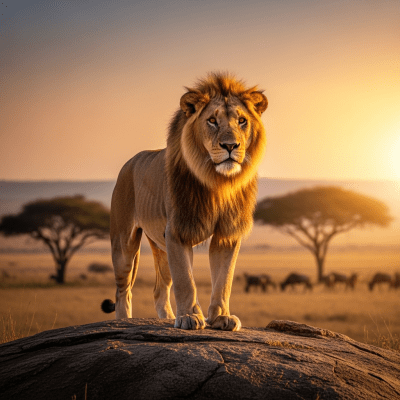
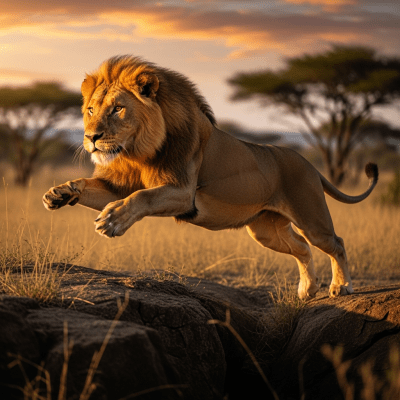
Lions prefer open habitats such as savannas, grasslands, and open woodlands, where visibility and prey abundance favor their hunting style. They avoid dense forests and deserts. As apex predators, lions play a vital ecological role, regulating prey populations and influencing the structure of their ecosystems. Their social structure enables cooperative hunting and defense of territory, setting them apart from other felids.
The lion is currently listed as Vulnerable on the IUCN Red List, with an estimated 23,000–39,000 mature individuals remaining. This status signals a high risk of extinction in the wild, driven by ongoing population declines and persistent threats. Conservation efforts are underway, but challenges remain, especially for the critically endangered Asiatic lion.
Lions face severe threats including habitat loss, human-wildlife conflict, depletion of prey species, and poaching. Expansion of agriculture and settlements fragments their habitats, while retaliatory killings and illegal hunting further reduce populations. The Asiatic lion is particularly vulnerable due to its small, isolated population and genetic bottlenecks.
Lions have evolved unique adaptations for survival: their social structure enables cooperative hunting and defense; males’ manes provide protection and signal fitness; their powerful roar communicates across vast distances; and their muscular build allows them to subdue large prey. Obligate carnivory and nocturnal habits optimize their role as apex predators in open habitats.
Lions reproduce polygynously, with dominant males mating with multiple females. Gestation lasts about 110 days, resulting in litters of 1–4 cubs. Cubs are born with spotted coats for camouflage, and are cared for by all pride females. Young lions remain with the pride for several years before dispersing. Lifespan in the wild averages 10–14 years, with males often living shorter lives due to competition and injury.
Subspecies boundaries are debated, but recent genetic studies support these main divisions.
Extensive genetic research has revealed deep evolutionary splits between African and Asiatic lions, with significant bottlenecks in the Asiatic population. The lion genome has been sequenced, aiding conservation and population management. Mitochondrial and nuclear DNA studies clarify subspecies boundaries and inform strategies to preserve genetic diversity. DNA barcodes are used for species identification and monitoring.