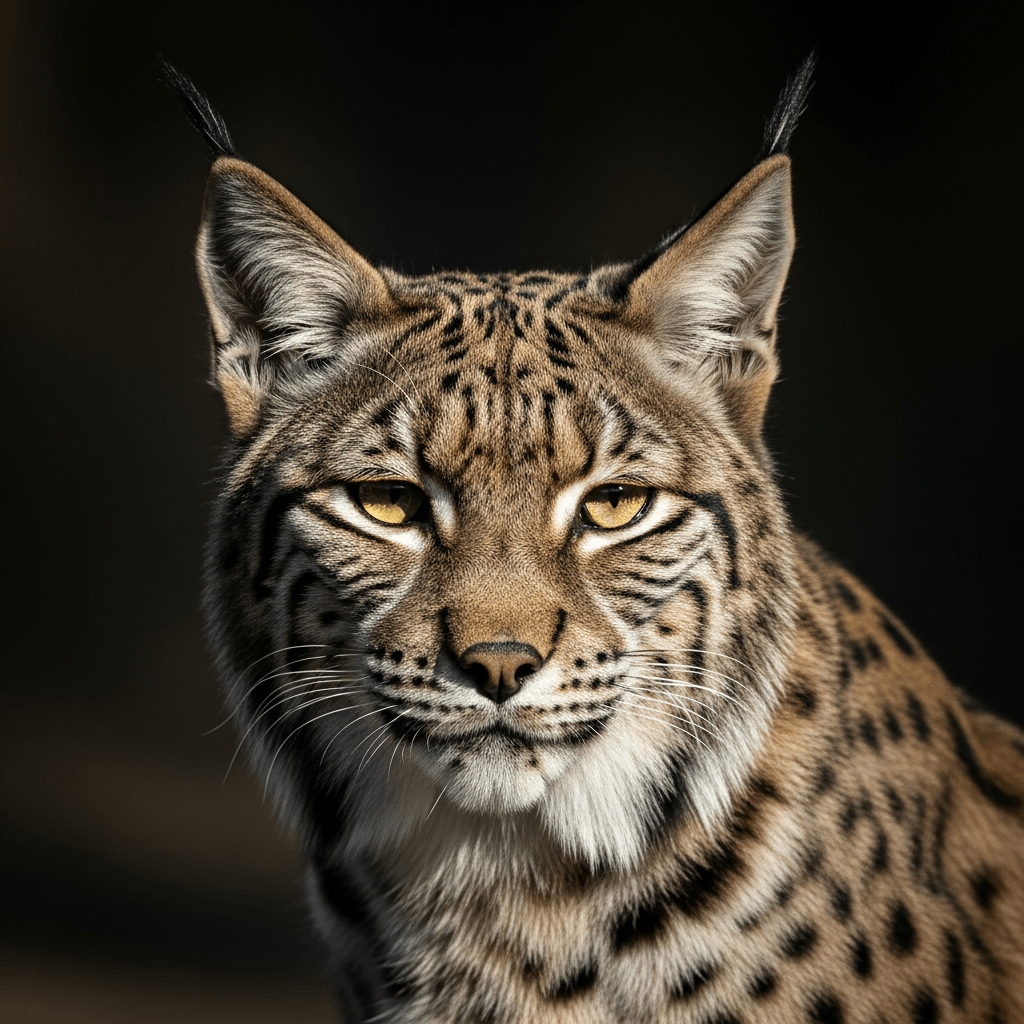
Lynx Pardinus
The Iberian Lynx (Lynx pardinus) is a medium-sized wild cat native to Spain and Portugal, renowned for its spotted coat, tufted ears, and status as the world’s most endangered feline.
The Iberian Lynx (Lynx pardinus) is a medium-sized wild cat native to Spain and Portugal, renowned for its spotted coat, tufted ears, and status as the world’s most endangered feline.
First described by Coenraad Jacob Temminck in 1827, the Iberian Lynx was identified from specimens collected in the Iberian Peninsula. Its distinct morphology set it apart from the Eurasian Lynx, establishing it as a unique species within the genus Lynx. With no known hybrid origins, the Iberian Lynx represents a singular evolutionary lineage shaped by the Mediterranean landscapes of Spain and Portugal.
Belonging to the family Felidae and subfamily Felinae, the Iberian Lynx is classified under the genus Lynx and species pardinus. It stands apart from its relatives, such as the Eurasian Lynx (Lynx lynx), due to its genetic divergence and specialized ecological niche. Scientific synonyms include Felis pardina Temminck, 1827, but its status as a distinct species is universally accepted among authorities.
The Iberian Lynx is instantly recognizable by its sleek, slender body, long legs, and short black-tipped tail. Its fur is yellowish to tawny, adorned with dark spots that provide camouflage in Mediterranean scrub. Prominent black ear tufts and expressive whiskers frame its face, while its soft, dense coat offers both warmth and stealth. Males typically weigh around 13 kg, females about 9.3 kg, with adults measuring 85–110 cm in length and standing 40–70 cm at the shoulder.
Solitary and fiercely territorial, the Iberian Lynx is crepuscular—most active at dawn and dusk. It is a specialist hunter, relying on European rabbits for over 80% of its diet. The lynx navigates dense scrubland and open woodlands with stealth and agility, using acute vision and hearing to stalk prey. While it avoids human contact, conservation programs have involved captive breeding and reintroduction to bolster wild populations.
Bring this kind into your world illustrated posters, mugs, and shirts.
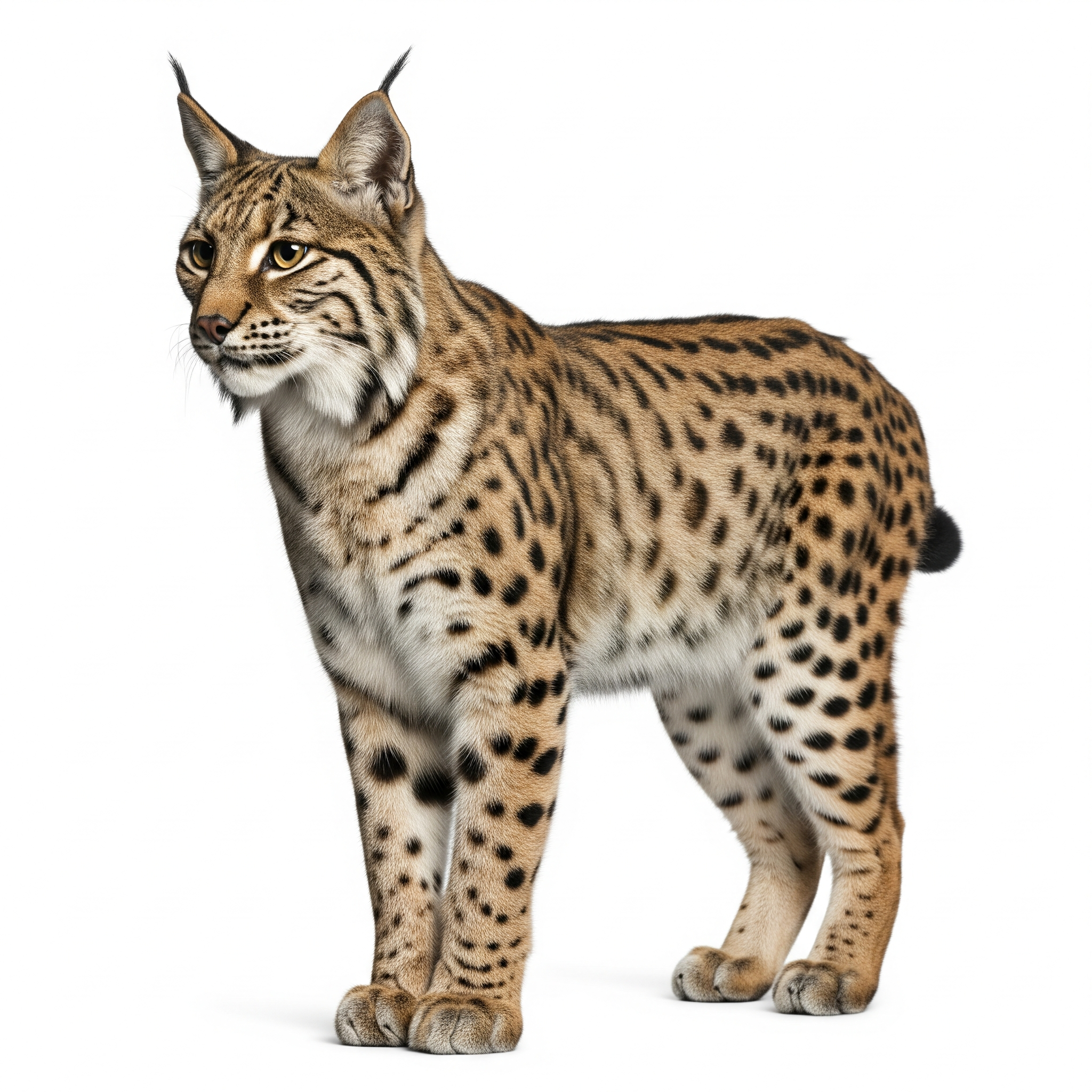
Archival print, museum-grade paper
Buy Poster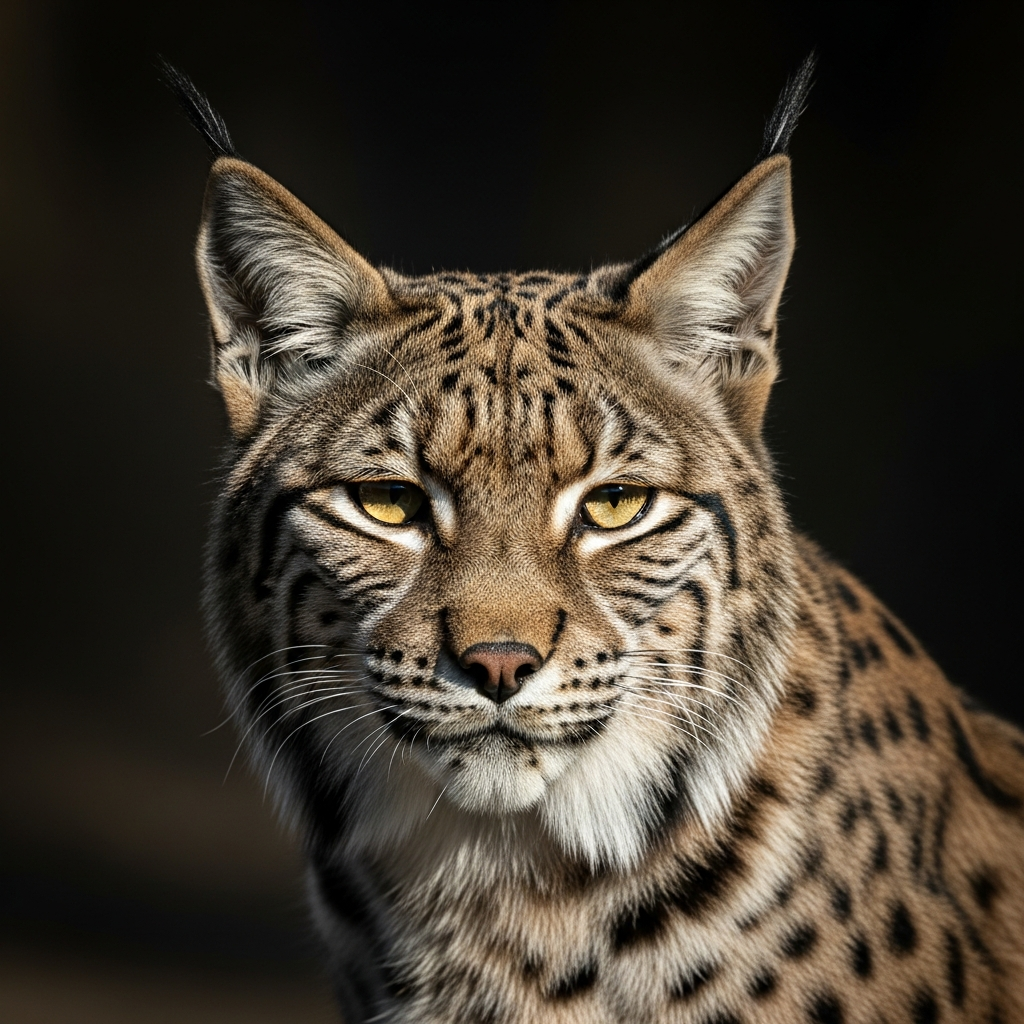
Stoneware mug, dishwasher safe
Buy Mug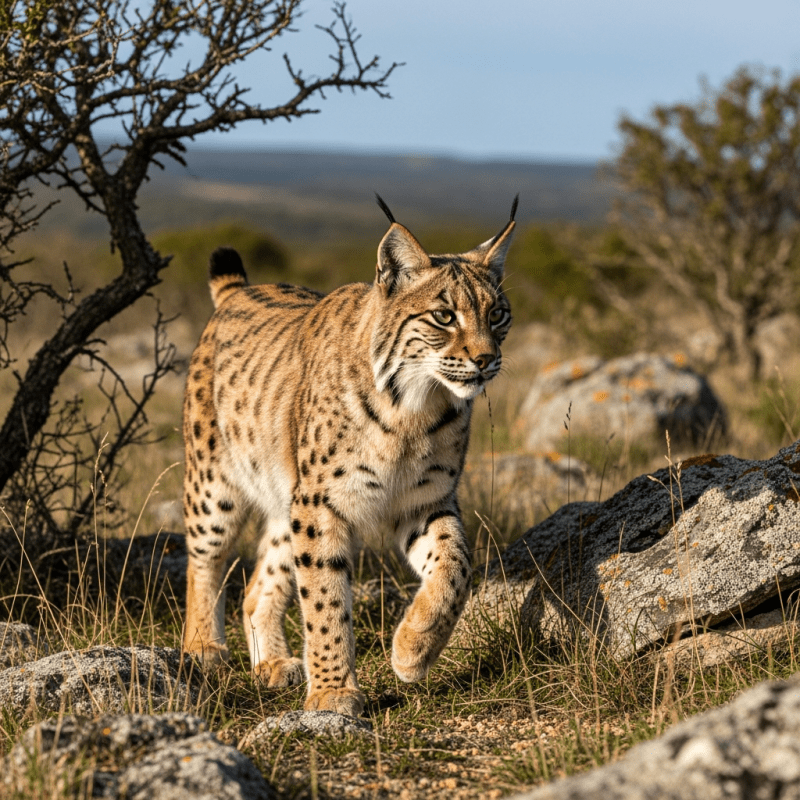
Soft cotton tee, unisex sizes
Buy ShirtThe Iberian Lynx holds symbolic importance in Spain and Portugal, often featured in conservation campaigns, local folklore, and environmental education. Its striking appearance and precarious status have made it an emblem of wildlife protection in the region, inspiring art, literature, and advocacy for Mediterranean biodiversity.
Historically, the Iberian Lynx roamed much of Spain and Portugal. Today, its range is restricted to isolated pockets in Andalusia, Castilla-La Mancha, Extremadura, and the Guadiana Valley. These fragmented populations reflect dramatic contractions due to habitat loss and human pressures, making its distribution one of the most limited among wild cats.
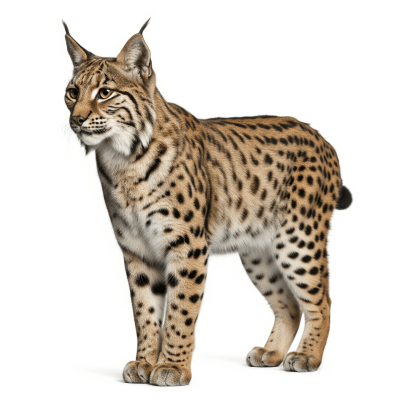

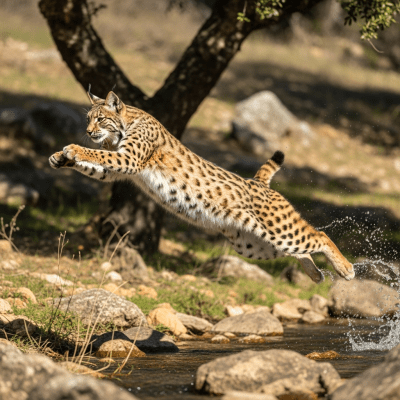
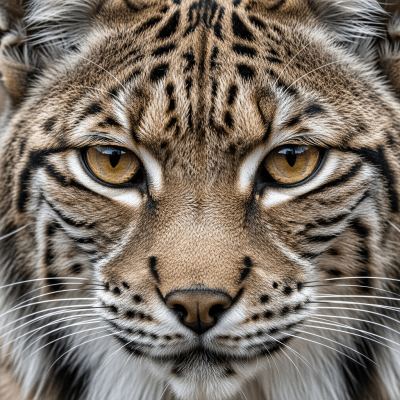
The Iberian Lynx thrives in Mediterranean scrub, open woodlands, and marshes—habitats rich in cover and prey. It plays a vital ecological role as a top predator, regulating rabbit populations and maintaining balance in its ecosystem. Dense vegetation provides shelter for resting and hunting, while proximity to water sources supports both the lynx and its prey.
Classified as Endangered by the IUCN Red List, the Iberian Lynx faces a high risk of extinction in the wild. Recent conservation efforts—including captive breeding, reintroduction, and habitat restoration—have helped increase its population to over 1,000 mature individuals, but ongoing vigilance is required to secure its future.
Major threats to the Iberian Lynx include habitat fragmentation, declining rabbit populations due to disease, vehicle collisions, and outbreaks of feline diseases. These pressures have led to severe population bottlenecks and genetic challenges, making the species highly sensitive to environmental changes and human activities.
Specialized for nocturnal and twilight hunting, the Iberian Lynx possesses acute vision and hearing, enabling it to detect prey in low light. Its long legs and slender build allow for agile movement through dense scrub, while its spotted coat provides effective camouflage. Morphological adaptations, such as powerful jaws and retractable claws, make it a formidable rabbit hunter.
The Iberian Lynx breeds once a year, with females giving birth to litters of 1–4 kittens after a gestation of 60–70 days. Kittens are born in secluded dens and remain with their mother for several months, learning vital hunting skills before dispersing to establish their own territories. Parental care is intensive during the early stages, ensuring the survival of the next generation in a challenging environment.
There are no recognized subspecies or regional breeds of the Iberian Lynx. Lynx pardinus is universally accepted as a distinct species, with all individuals belonging to a single lineage endemic to the Iberian Peninsula.
Genetic research confirms the Iberian Lynx as a distinct species, significantly diverged from the Eurasian Lynx. Genome sequencing and mitochondrial DNA studies reveal low genetic diversity, a consequence of historical population bottlenecks. These insights guide conservation strategies, emphasizing the need to maintain genetic health and prevent further inbreeding. Publicly available genome data support ongoing research into its evolutionary history and recovery.