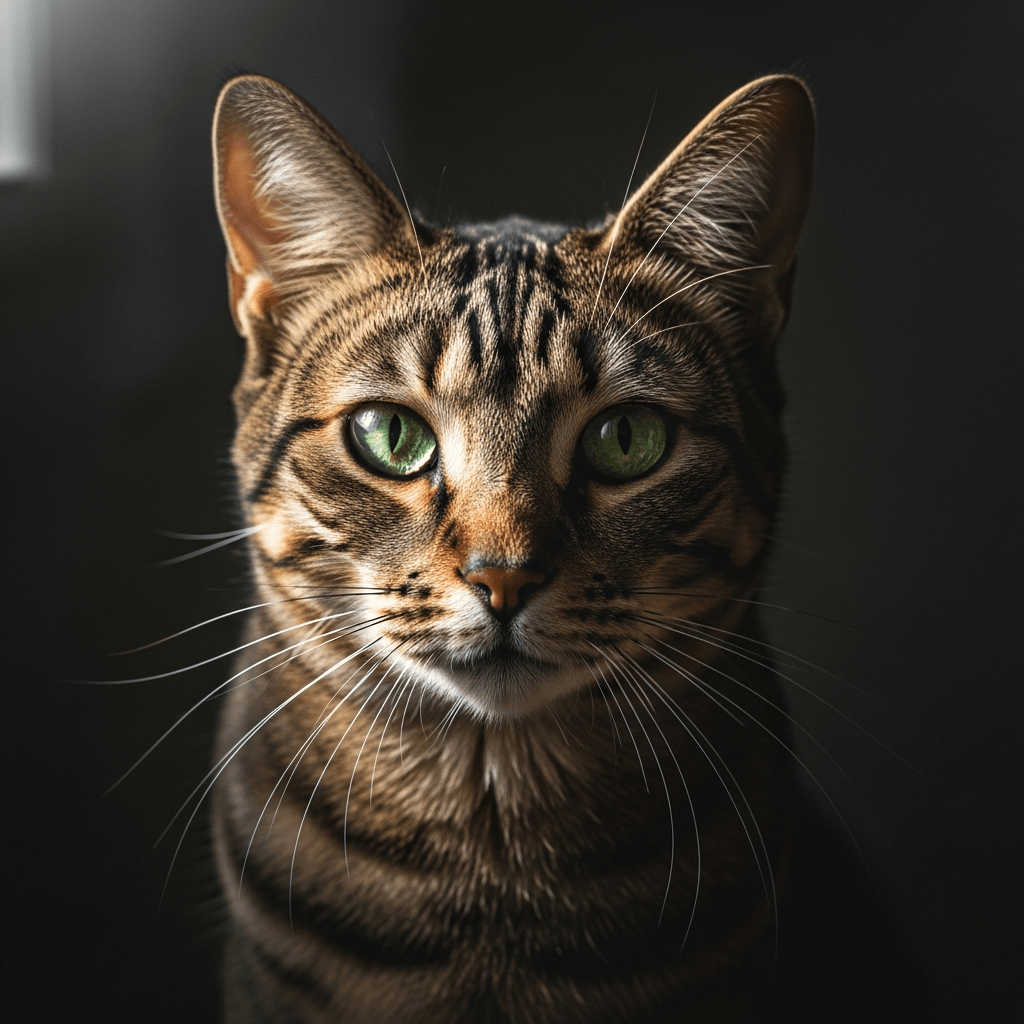
Felis Catus
The domestic cat (Felis catus) is the world’s most familiar feline, celebrated for its companionship, adaptability, and remarkable diversity in form and behavior.
The domestic cat (Felis catus) is the world’s most familiar feline, celebrated for its companionship, adaptability, and remarkable diversity in form and behavior.
Domestication of the cat traces back roughly 9,000–10,000 years to the Near East, where the African wildcat (Felis silvestris lybica) gradually adapted to life alongside humans. This ancient partnership began as agriculture flourished, with cats drawn to settlements by the promise of prey. Over millennia, selective breeding and natural taming led to the modern domestic cat, formally described by Carl Linnaeus in 1758 as Felis catus. Genetic studies confirm their close affinity to their wild ancestors, with the process of domestication unfolding independently across regions.
Felis catus belongs to the family Felidae, subfamily Felinae, and genus Felis. While once considered a subspecies of the wildcat (Felis silvestris), current consensus recognizes domestic cats as a distinct species. Their classification places them among small felids, sharing lineage with wildcats, servals, and other agile hunters. Scientific synonyms include Felis domesticus and Felis silvestris catus, reflecting historical ambiguity in their taxonomic status.
Domestic cats are small, lithe mammals typically weighing 2.5–7 kg, with a body length of 23–25 cm and a tail spanning 20–25 cm. Their flexible, muscular bodies are built for stealth and agility, featuring retractable claws and acute senses—especially vision and hearing. The coat is a canvas of diversity: colors and patterns range from solid, tabby, calico, to pointed, with textures varying from sleek to plush. Selective breeding has produced an astonishing variety of forms, from the elegant Siamese to the plush Maine Coon, making the domestic cat one of the most visually diverse mammals.
Domestic cats are solitary hunters by nature, yet display a rich repertoire of social behaviors in multi-cat households or colonies. Their playfulness, grooming rituals, and adaptability endear them to humans as companions and pets. As obligate carnivores, they primarily hunt small mammals and birds, though most rely on commercial diets. Cats thrive in a wide array of environments, from bustling cities to remote farms, and their ability to coexist with humans has made them integral to households worldwide.
Bring this kind into your world illustrated posters, mugs, and shirts.
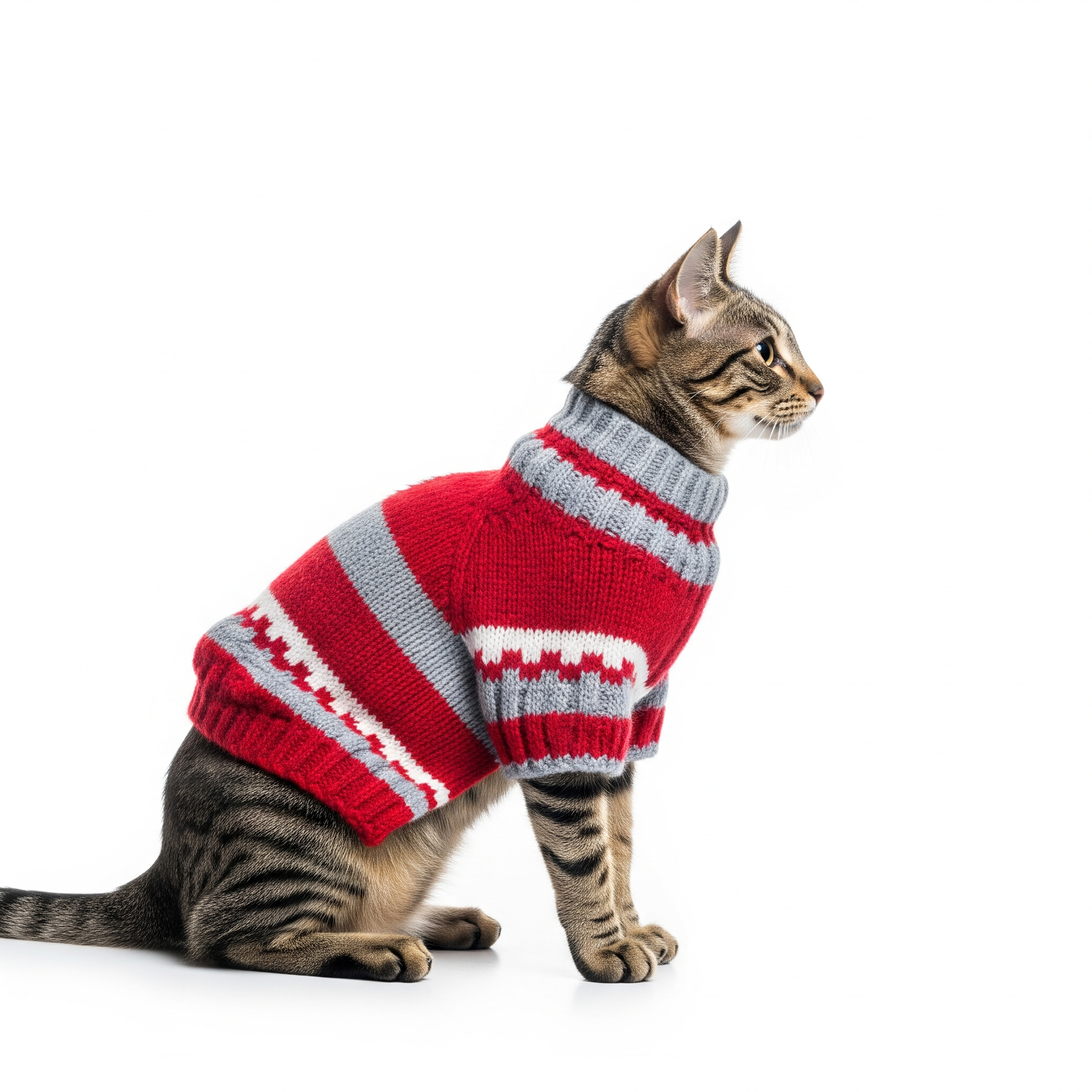
Archival print, museum-grade paper
Buy Poster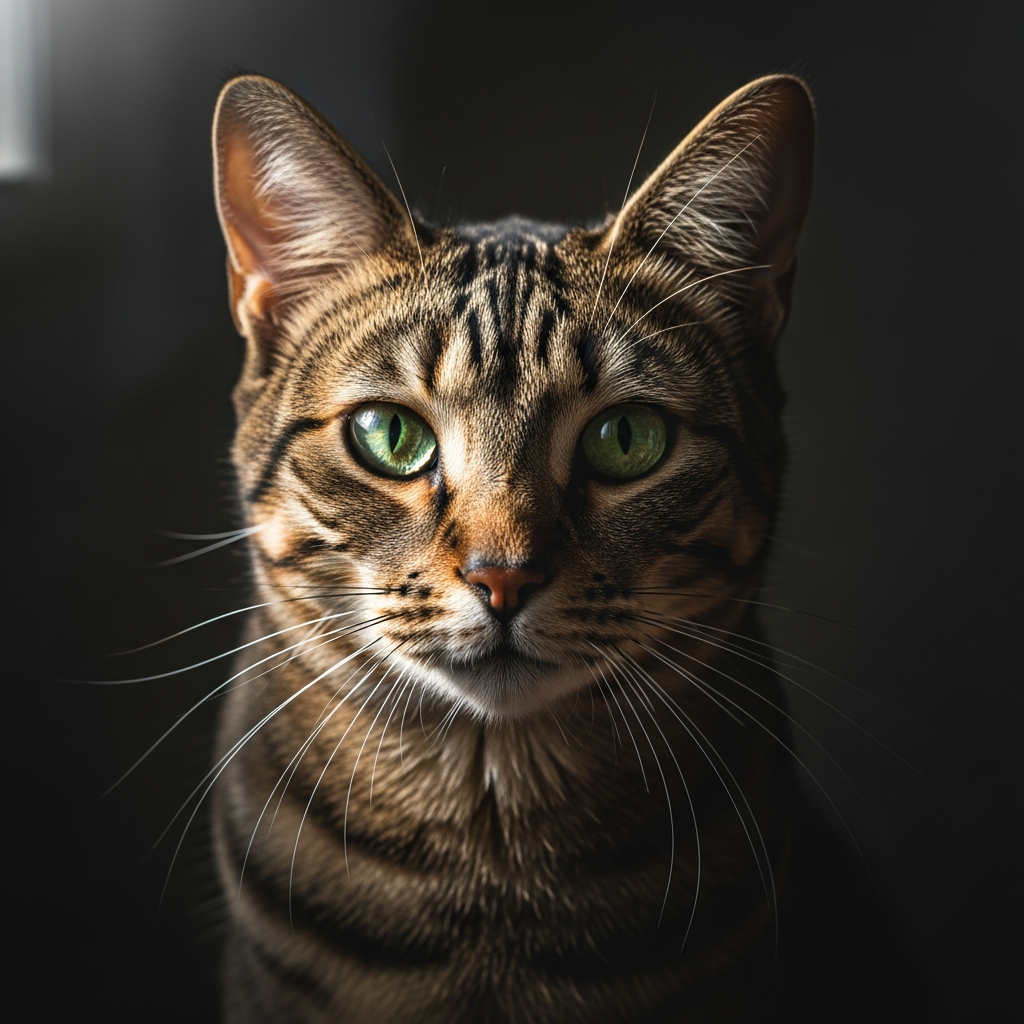
Stoneware mug, dishwasher safe
Buy Mug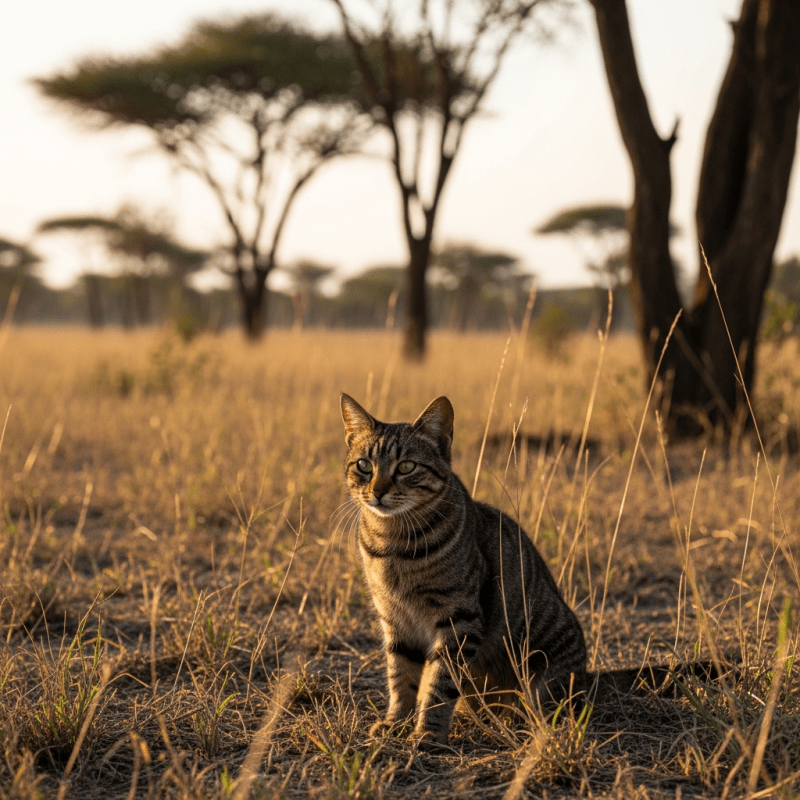
Soft cotton tee, unisex sizes
Buy ShirtCats occupy a storied place in human culture—revered in ancient Egypt, featured in folklore and myth, and celebrated in art and literature across the globe. From the sacred temple cats of Asia to the internet’s viral sensations, their mystique and charm have inspired countless works and traditions. In modern times, cats symbolize independence, curiosity, and comfort, appearing in everything from children’s stories to fashion and digital media.
Domestic cats have achieved a truly global distribution, inhabiting every continent except Antarctica and thriving on countless islands. Originating from the Near East, their spread mirrors human migration and settlement, with populations found in cities, villages, farms, and wild landscapes worldwide. Feral cats have established themselves wherever humans have gone, adapting to diverse climates and terrains.

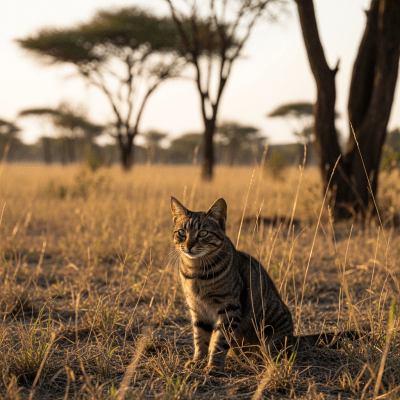
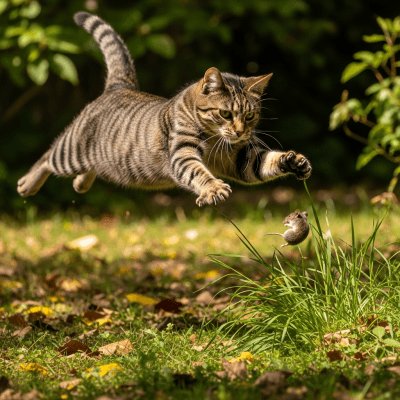
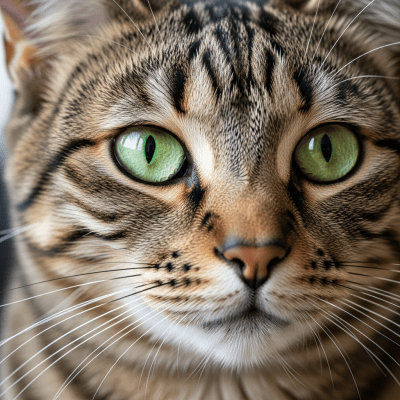
Cats are ecological generalists, comfortable in homes, barns, urban alleys, and natural habitats where feral populations exist. Their adaptability allows them to exploit a range of environments, from temperate forests to arid deserts. As skilled predators, they play a role in controlling small mammal and bird populations, though feral cats can disrupt native wildlife and ecological balances.
Felis catus is not assessed by the IUCN Red List as a wild species due to its domestic status. Globally, populations are stable or increasing, but feral cats pose conservation challenges by impacting native species through predation and competition. Their widespread presence means they are not at risk, though management of feral populations is a concern in many regions.
Major threats to domestic cats include disease, abandonment, and culling in areas where feral populations threaten local wildlife. Hybridization with wildcats can complicate conservation efforts for wild species. Ecological concerns have led to management programs aimed at controlling feral cat numbers and mitigating their impact on native fauna.
Domestic cats boast a suite of adaptations: exceptional night vision, acute hearing, and a specialized tongue for grooming. Their retractable claws and flexible bodies enable silent, precise movement, ideal for stalking prey. These traits, inherited from their wild ancestors, have been refined through domestication to suit a variety of living conditions.
Cats breed year-round in favorable environments, with induced ovulation ensuring efficient reproduction. Gestation lasts about 63–65 days, and litters typically contain 2–5 kittens. Kittens are born blind and helpless, receiving attentive care from their mothers. As they mature, cats progress through playful juvenile stages to independent adulthood, with lifespans averaging 12–15 years and some reaching over 20.
There are over 40 recognized breeds of domestic cat, each with distinctive traits—from the hairless Sphynx to the long-haired Persian, and the athletic Bengal to the compact British Shorthair. Regional hybridization with wildcats (Felis silvestris) occurs in some areas, but most domestic cats are classified as Felis catus. Breed standards encompass variations in coat, body shape, and temperament, contributing to the species’ extraordinary diversity.
The domestic cat’s genome has been fully sequenced, revealing close genetic ties to the African wildcat and illuminating the origins of breed-specific traits. Extensive genetic research has identified mutations responsible for coat colors, patterns, and certain diseases. As a model organism, Felis catus has advanced understanding of mammalian genetics, with over 40 breeds displaying distinct genetic profiles and serving as subjects for evolutionary and biomedical studies.