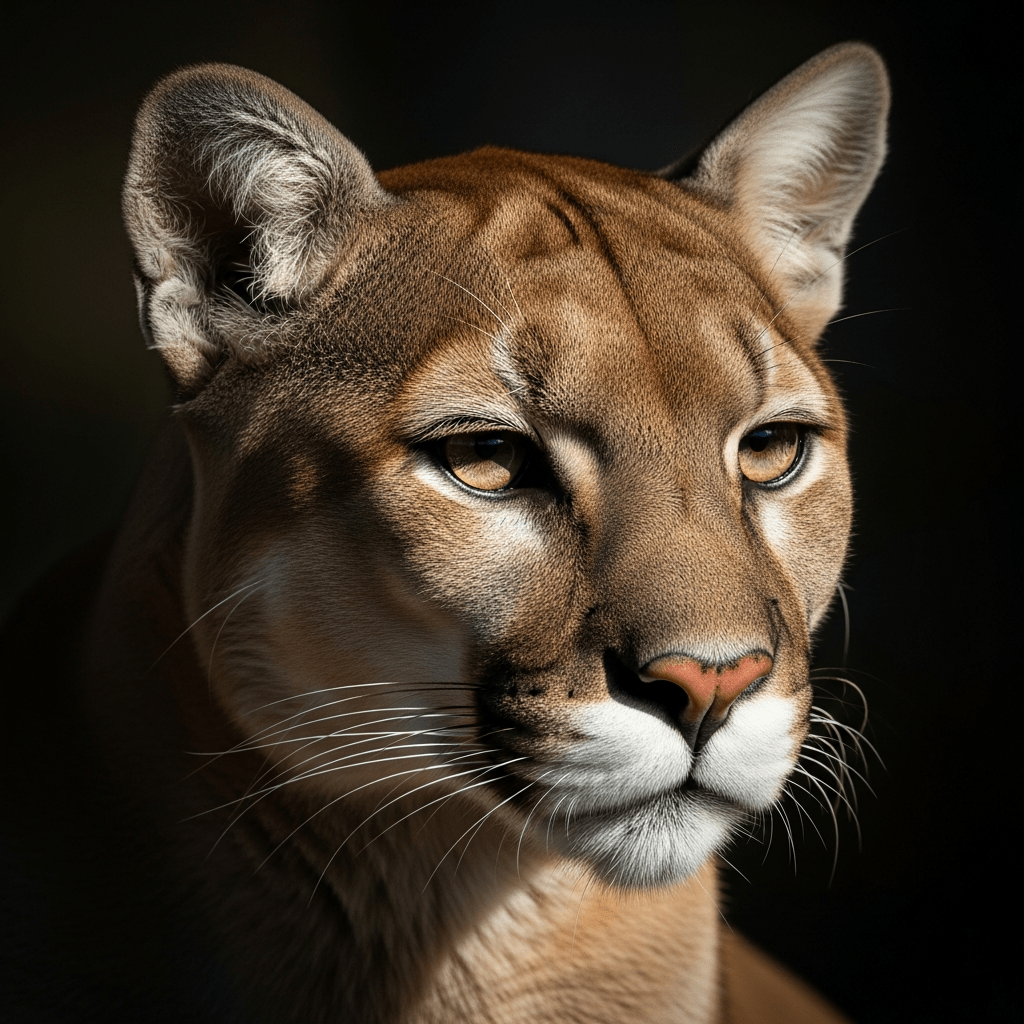
Puma Concolor
The cougar (Puma concolor) is a large, solitary wild cat native to the Americas, celebrated for its adaptability and status as the most widely distributed feline in the Western Hemisphere.
The cougar (Puma concolor) is a large, solitary wild cat native to the Americas, celebrated for its adaptability and status as the most widely distributed feline in the Western Hemisphere.
First scientifically described by Carl Linnaeus in 1771 as Felis concolor, the cougar’s origins are deeply rooted in the Americas, where indigenous peoples long recognized its presence. Its evolutionary lineage places it within the Felidae family, subfamily Felinae, closely related to the jaguarundi and cheetah. The species’ discovery and naming history reflect both indigenous knowledge and early European exploration, with its current scientific name, Puma concolor, highlighting its distinct placement in the genus Puma.
The cougar belongs to the family Felidae, subfamily Felinae, and is classified under the genus Puma as Puma concolor. It shares its lineage with the jaguarundi and cheetah, forming a unique branch within the Puma lineage. While commonly known as cougar, mountain lion, puma, panther, or catamount, its scientific classification anchors it firmly among the solitary, medium-to-large cats of the Americas.
Cougars are strikingly elegant, with a large, slender build and a long, cylindrical tail tipped in black. Their fur is uniformly tawny, ranging from grayish to reddish hues, with lighter underparts. Adult males typically weigh 53–100 kg and females 29–64 kg, standing 60–90 cm at the shoulder and measuring up to 2.75 meters in total length. Cubs are born with distinctive spots that fade as they mature, and all cougars possess powerful limbs, acute vision, and retractable claws—traits that underscore their prowess as stealthy predators.
Cougars are solitary and fiercely territorial, interacting with others mainly during mating or when females rear their young. They are crepuscular and nocturnal hunters, relying on stealth and powerful leaps to ambush prey, primarily ungulates like deer, but also smaller mammals and birds. Their role as apex predators is vital for maintaining ecological balance, and their adaptability allows them to thrive in varied environments, though they generally avoid open plains and densely populated areas.
Bring this kind into your world illustrated posters, mugs, and shirts.
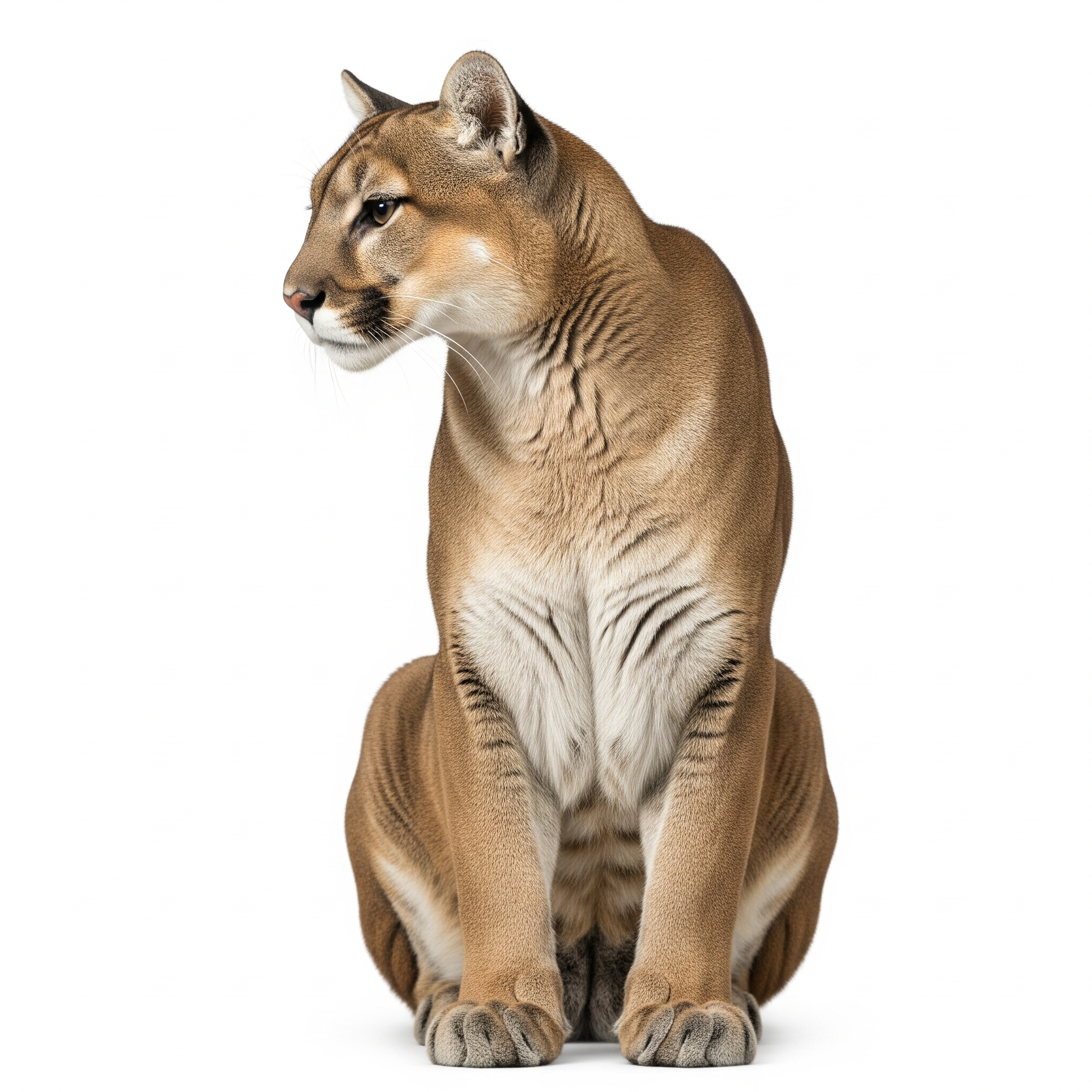
Archival print, museum-grade paper
Buy Poster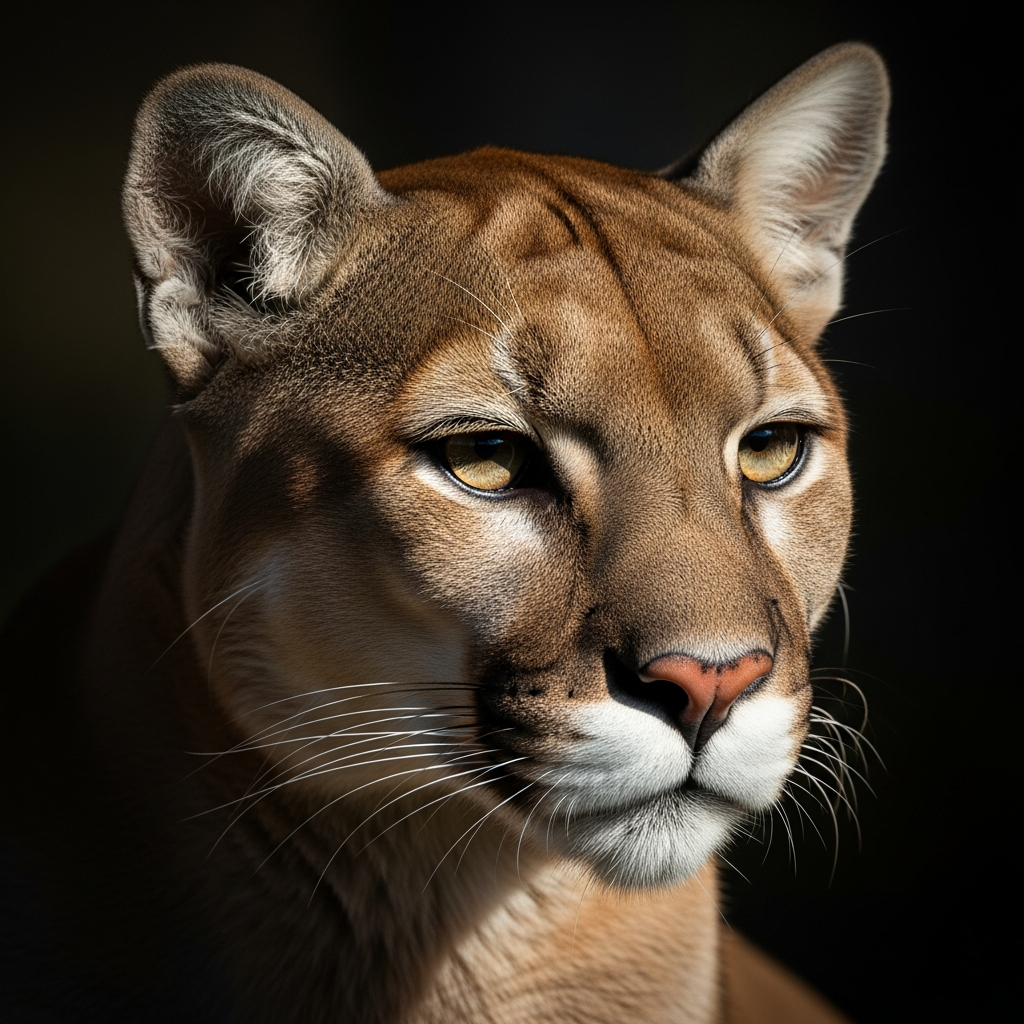
Stoneware mug, dishwasher safe
Buy Mug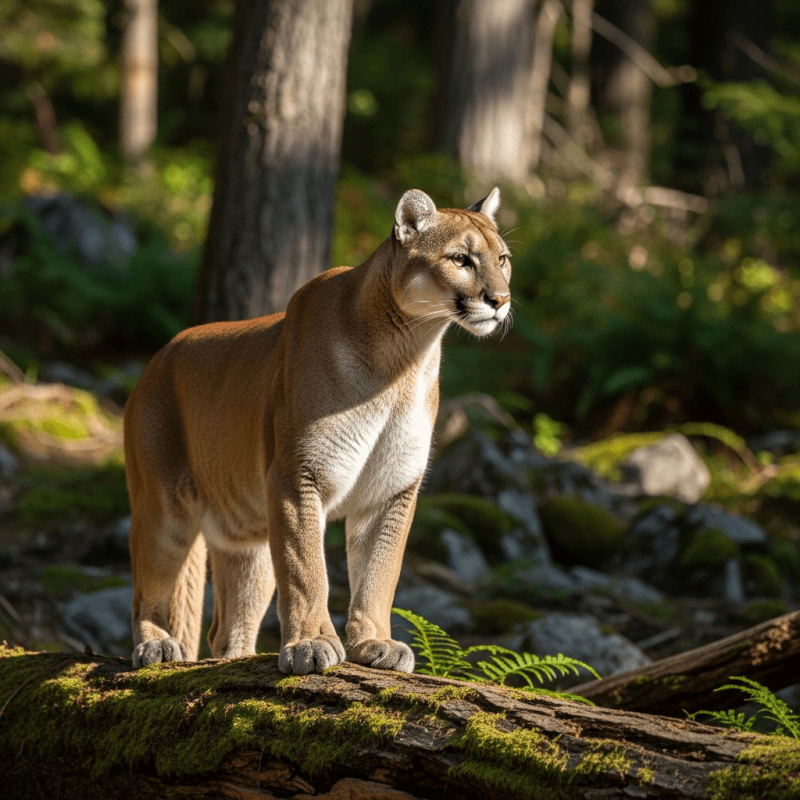
Soft cotton tee, unisex sizes
Buy ShirtThe cougar holds a prominent place in indigenous folklore, art, and mythology throughout the Americas, often symbolizing strength, agility, and mystery. Its various regional names—mountain lion, puma, panther, catamount—reflect its wide cultural reach. In modern times, the cougar features in literature, sports mascots, and conservation campaigns, embodying both the wild spirit of North American landscapes and the challenges of coexistence between humans and large predators.
Cougars are found from the northern reaches of Yukon in Canada down to the southern Andes of South America, making them the most widely distributed wild cat in the Western Hemisphere. Historically, their range included much of North and South America, but local populations have been reduced or extirpated in some regions due to human activity.

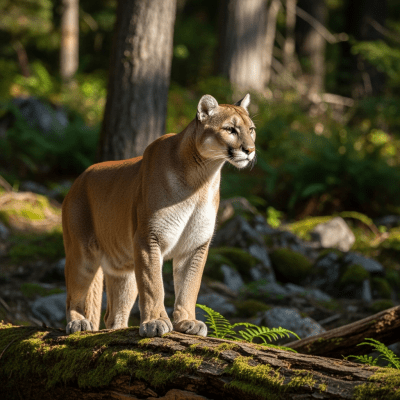
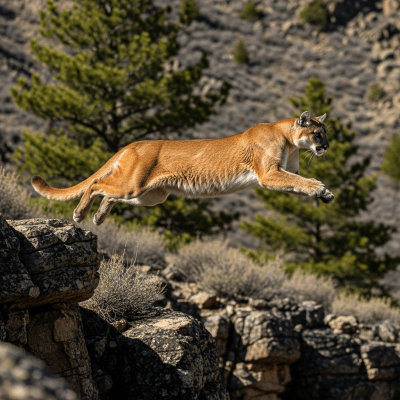
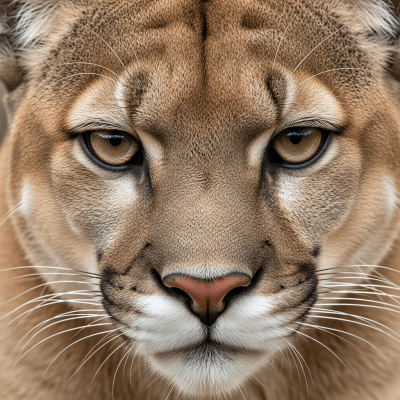
Highly adaptable, cougars occupy forests, mountains, grasslands, and deserts, but tend to avoid open plains and densely populated human areas. As apex predators, they regulate prey populations, especially ungulates, and play a crucial role in maintaining ecological balance within their habitats. Their solitary nature and stealthy hunting techniques allow them to thrive in diverse environments, from rugged highlands to arid deserts.
Globally, the cougar is classified as Least Concern by the IUCN Red List, indicating a relatively stable overall population. However, local populations in eastern North America and parts of Central America face significant threats and are declining or extirpated, with some subspecies, like the Florida panther, requiring targeted conservation efforts.
Major threats to cougars include habitat fragmentation, retaliatory killing due to livestock predation, hunting, depletion of prey species, and escalating human-wildlife conflict. Urban expansion and road construction further isolate populations, increasing vulnerability and reducing genetic diversity in certain regions.
Cougars possess acute vision for low-light hunting, powerful jaw muscles for subduing prey, and retractable claws for climbing and gripping. Their muscular limbs enable impressive leaps—up to 6 meters vertically—and their stealth allows them to ambush prey effectively. These adaptations make the cougar a versatile and formidable predator across varied landscapes.
Cougar reproduction involves a gestation period of 90–96 days, with litters typically comprising 1–6 cubs. Females reach sexual maturity at 2–3 years, and males slightly later. Cubs are born with spotted coats for camouflage, which fade as they mature. Mothers provide extensive care, teaching cubs hunting skills until they disperse to establish their own territories.
Subspecies designations for cougars are debated, with recent genetic studies suggesting limited differentiation across their range. However, regional variants like the Florida panther (Puma concolor coryi) are recognized for conservation purposes due to their unique genetic and ecological characteristics.
Genetic research reveals low mitochondrial DNA diversity in cougars, pointing to a population bottleneck during the late Pleistocene. The cougar genome has been sequenced, and phylogenetic analyses confirm its close relationship to the jaguarundi and more distant kinship with the cheetah. These insights inform conservation strategies, especially for isolated populations such as the Florida panther.