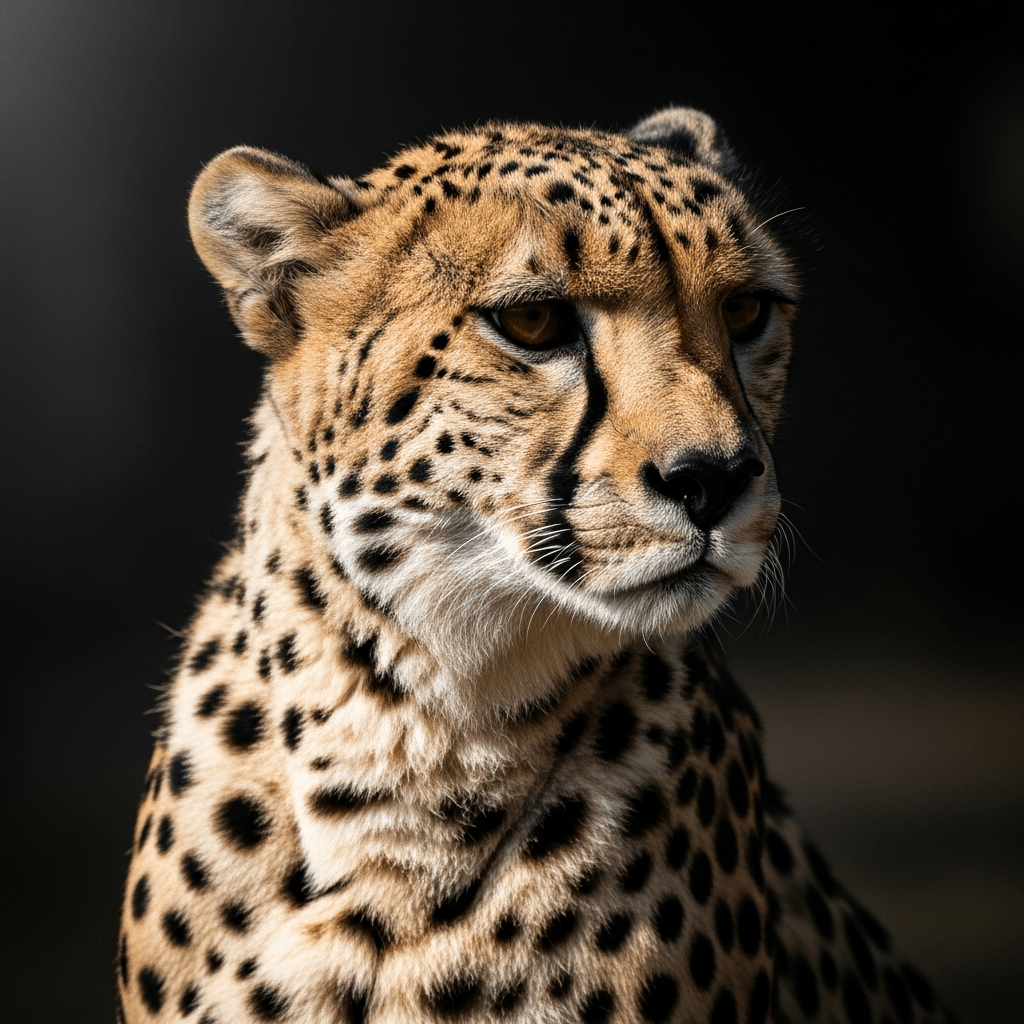
Acinonyx Jubatus
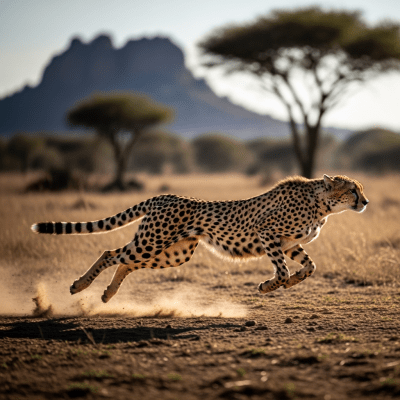
The cheetah (Acinonyx jubatus) is the fastest land animal, famed for its remarkable speed and agility across open landscapes.
The cheetah (Acinonyx jubatus) is the fastest land animal, famed for its remarkable speed and agility across open landscapes.
First described by Johann Christian Daniel von Schreber in 1775, the cheetah’s lineage traces back to Africa and southwestern Asia. Fossil records reveal a once broader range spanning Eurasia and Africa, but today, wild populations are restricted mainly to sub-Saharan Africa and a critically endangered remnant in Iran. The genus Acinonyx is monotypic, making the cheetah a unique evolutionary branch within the feline family.
The cheetah belongs to the family Felidae, subfamily Felinae, and is the sole member of the genus Acinonyx. Unlike other felines, it represents an early divergence within Felinae, with no close living relatives. Scientific synonyms include Felis jubatus and Cynailurus jubatus. Subspecies currently recognized are A. j. jubatus (southern Africa), A. j. soemmeringii (northeast Africa), and A. j. venaticus (Iran).
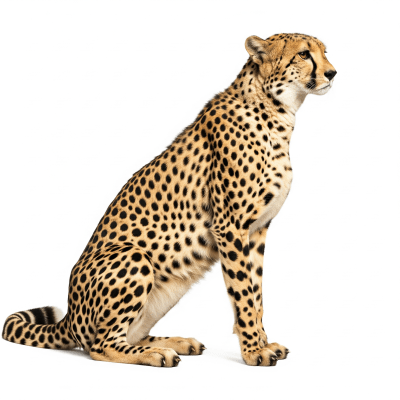
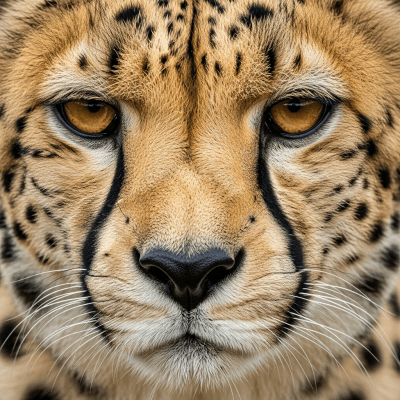
Cheetahs are instantly recognizable by their slender, aerodynamic build, deep chest, and long legs. Their short, coarse fur is yellowish-tan and covered in solid black spots, with distinctive black "tear marks" running from the eyes to the mouth. Cubs sport a mantle of silvery hair along their backs. Adults typically weigh 21–72 kg and measure 112–150 cm in body length, with a tail reaching 60–84 cm. The flexible spine and semi-retractable claws are key to their explosive acceleration and swift turns.
Cheetahs are diurnal hunters, relying on keen eyesight to stalk and chase prey—primarily medium-sized ungulates like gazelles and impalas—during daylight hours. They are generally solitary, though males may form coalitions and females raise cubs alone. Unlike other large cats, cheetahs rarely scavenge and avoid confrontations with bigger predators. Their speed and agility make them highly specialized hunters, but also leave them vulnerable to competition and predation.
Bring this kind into your world illustrated posters, mugs, and shirts.
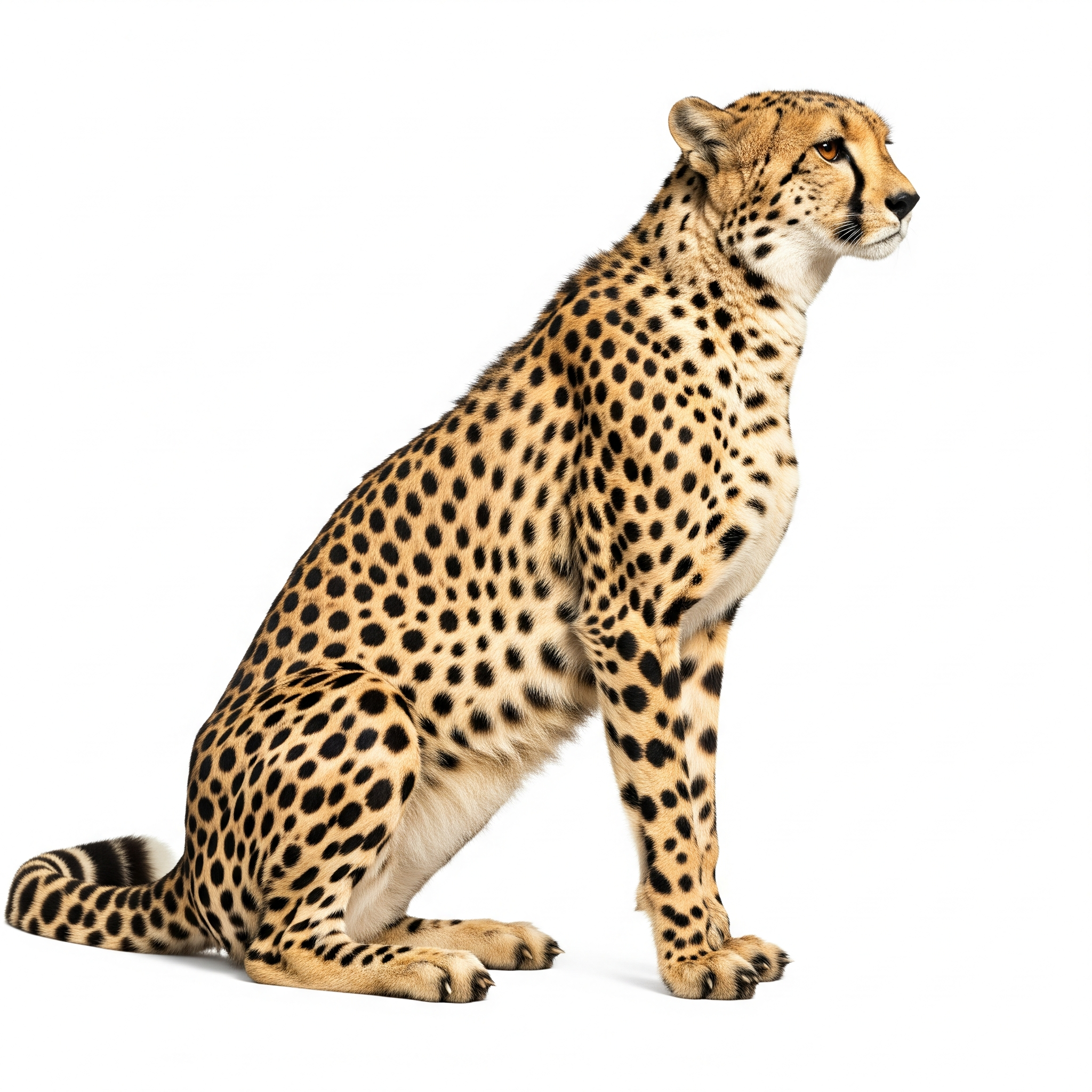
Archival print, museum-grade paper
Buy Poster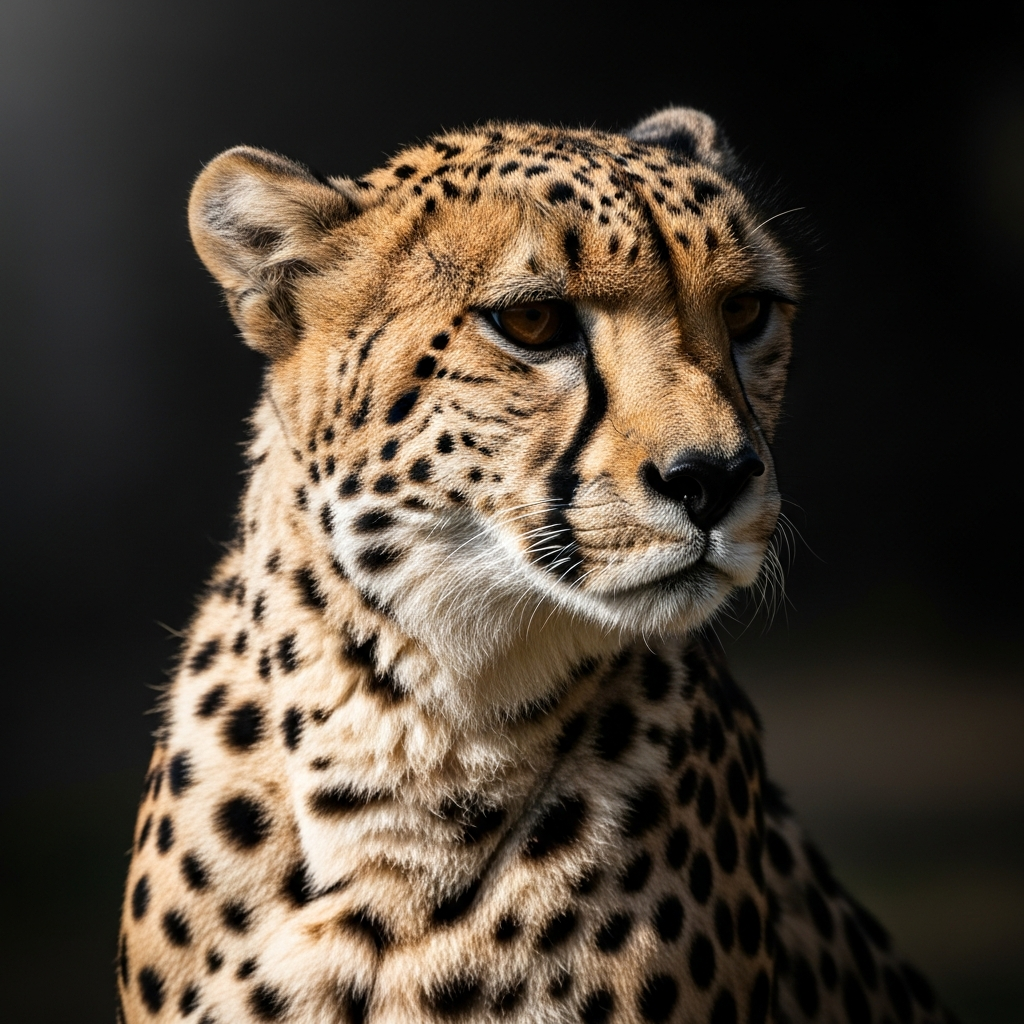
Stoneware mug, dishwasher safe
Buy Mug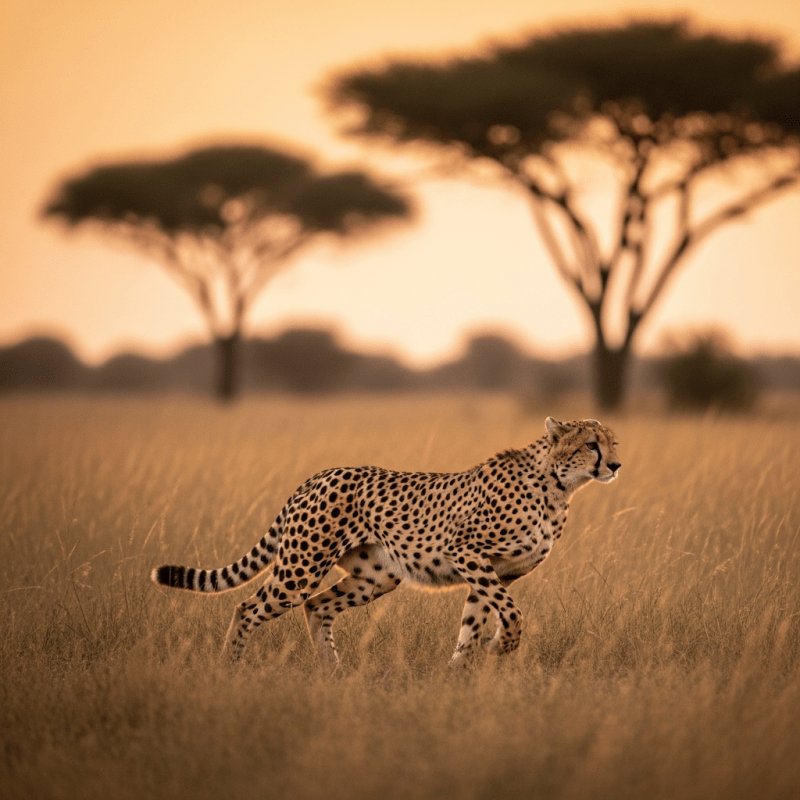
Soft cotton tee, unisex sizes
Buy ShirtThroughout history, cheetahs have captivated human imagination, appearing in ancient Egyptian art, Persian poetry, and royal courts as symbols of grace and swiftness. They were once tamed for hunting by nobility across Asia and Africa. Today, the cheetah’s image is celebrated in modern media, conservation campaigns, and sports branding, embodying speed, elegance, and the fragility of wild nature.
Historically, cheetahs roamed Africa, the Middle East, and India. Today, their range is fragmented, with most found in southern and eastern Africa—countries like Namibia, Botswana, South Africa, Tanzania, and Kenya. The last Asiatic cheetahs survive only in isolated patches of Iran, with fewer than 50 individuals remaining.
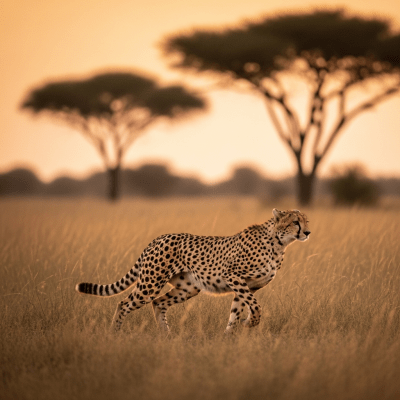
Cheetahs prefer open savannahs, grasslands, and semi-desert environments where their speed is most effective for hunting. They play a crucial ecological role as top predators, controlling populations of medium-sized herbivores. Their diurnal habits reduce competition with nocturnal carnivores, but also expose them to threats from lions, hyenas, and leopards.
The cheetah is classified as Vulnerable on the IUCN Red List, with a global population estimated at around 6,700 mature individuals. The Asiatic subspecies (A. j. venaticus) is Critically Endangered, with fewer than 50 left in Iran. Declining numbers are driven by habitat loss, human conflict, and prey depletion, making conservation efforts urgent.
Major threats to cheetahs include habitat fragmentation, human-wildlife conflict, illegal pet trade, and competition with larger carnivores. Prey depletion due to overhunting and land conversion further endangers their survival. Low genetic diversity exacerbates vulnerability to disease and reproductive issues.
Cheetahs are built for speed: their enlarged nasal passages and lungs support rapid oxygen intake, while large adrenal glands fuel intense sprints. Semi-retractable claws provide traction, and a flexible spine enables long strides. Their lightweight frame and deep chest maximize acceleration, but these adaptations come at the cost of reduced strength and climbing ability compared to other cats.
Cheetahs are polygynous, with females raising cubs alone. After a gestation of 90–95 days, litters of 2–8 cubs are born. Cubs are vulnerable to predation and rely on their mother’s protection for several months. Juveniles gradually learn to hunt and disperse at 18–24 months. Males may form coalitions, while females remain solitary except when caring for young.
Genetic analyses reveal the cheetah’s basal position within Felinae and exceptionally low genetic diversity, a consequence of ancient population bottlenecks. The genome has been sequenced, uncovering adaptations for speed and challenges in reproduction. DNA barcodes are available, and ongoing research aims to clarify subspecies boundaries and support conservation breeding programs.