Panthera Tigris
The tiger (Panthera tigris) is the largest living feline, instantly recognized for its striking orange coat with black stripes and its role as an apex predator across Asia.
The tiger (Panthera tigris) is the largest living feline, instantly recognized for its striking orange coat with black stripes and its role as an apex predator across Asia.
The tiger’s scientific journey began in 1758 when Carl Linnaeus formally described the species in his landmark work, Systema Naturae. Originating in Asia, the genus Panthera diverged from other big cats millions of years ago, with tigers evolving distinct traits suited for diverse Asian landscapes. Early zoological expeditions in India and Southeast Asia led to the discovery of multiple subspecies, each adapted to unique regions and habitats.
Tigers belong to the family Felidae, subfamily Pantherinae, and genus Panthera. Within this group, they are distinguished as Panthera tigris, separate from other big cats like lions, leopards, and jaguars. Subspecies are recognized based on geographic and morphological differences, reflecting the tiger’s evolutionary journey across Asia.
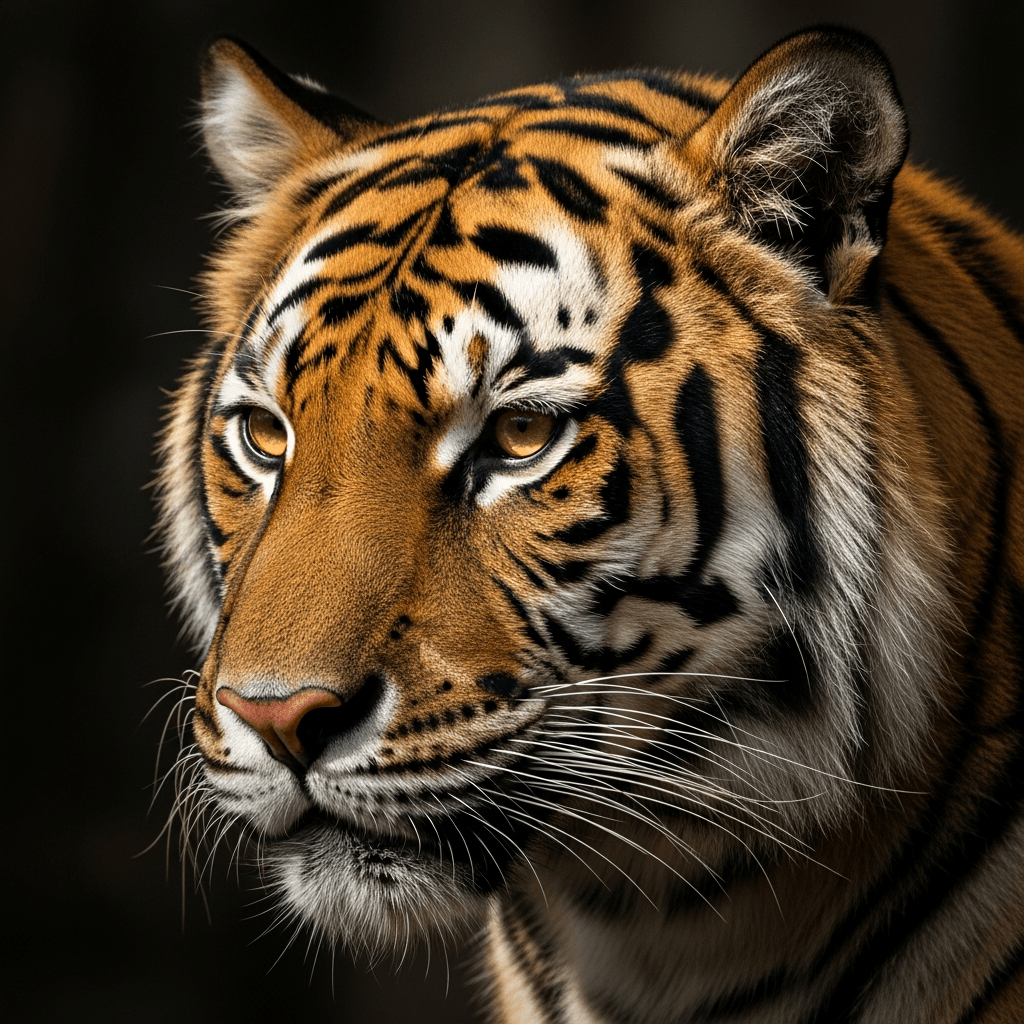
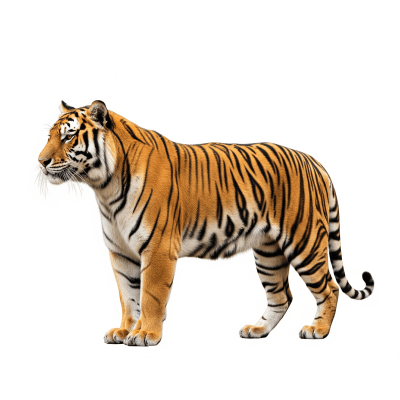
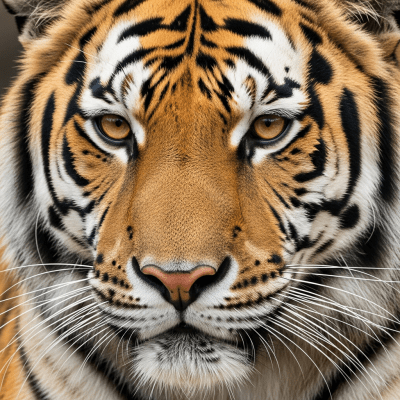
Tigers are powerfully built, with broad heads, muscular limbs, and a long, graceful body. Their fur ranges from orange to reddish-orange, adorned with bold vertical black stripes unique to each individual. White underparts and piercing amber eyes add to their dramatic presence. Males can reach up to 3.9 meters in length (including tail) and weigh as much as 310 kg, while females are smaller. Tigers possess retractable claws, large canine teeth, and acute senses of sight and hearing, all tailored for stealth and hunting.
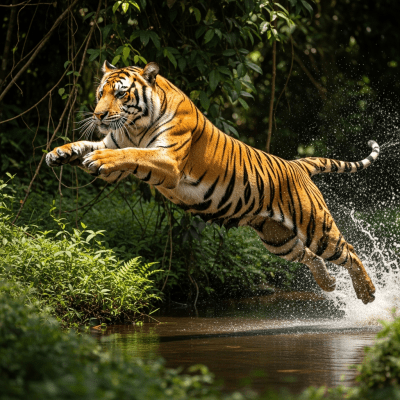
Tigers are solitary and fiercely territorial, with home ranges that can span from 20 to over 1,000 square kilometers depending on habitat and prey. As obligate carnivores, they primarily hunt large ungulates such as deer and wild boar. Their acute senses and strong swimming ability make them formidable hunters both on land and in water. Unlike most big cats, tigers are known for their affinity for water and often cool off or travel along rivers and lakes.
Bring this kind into your world illustrated posters, mugs, and shirts.
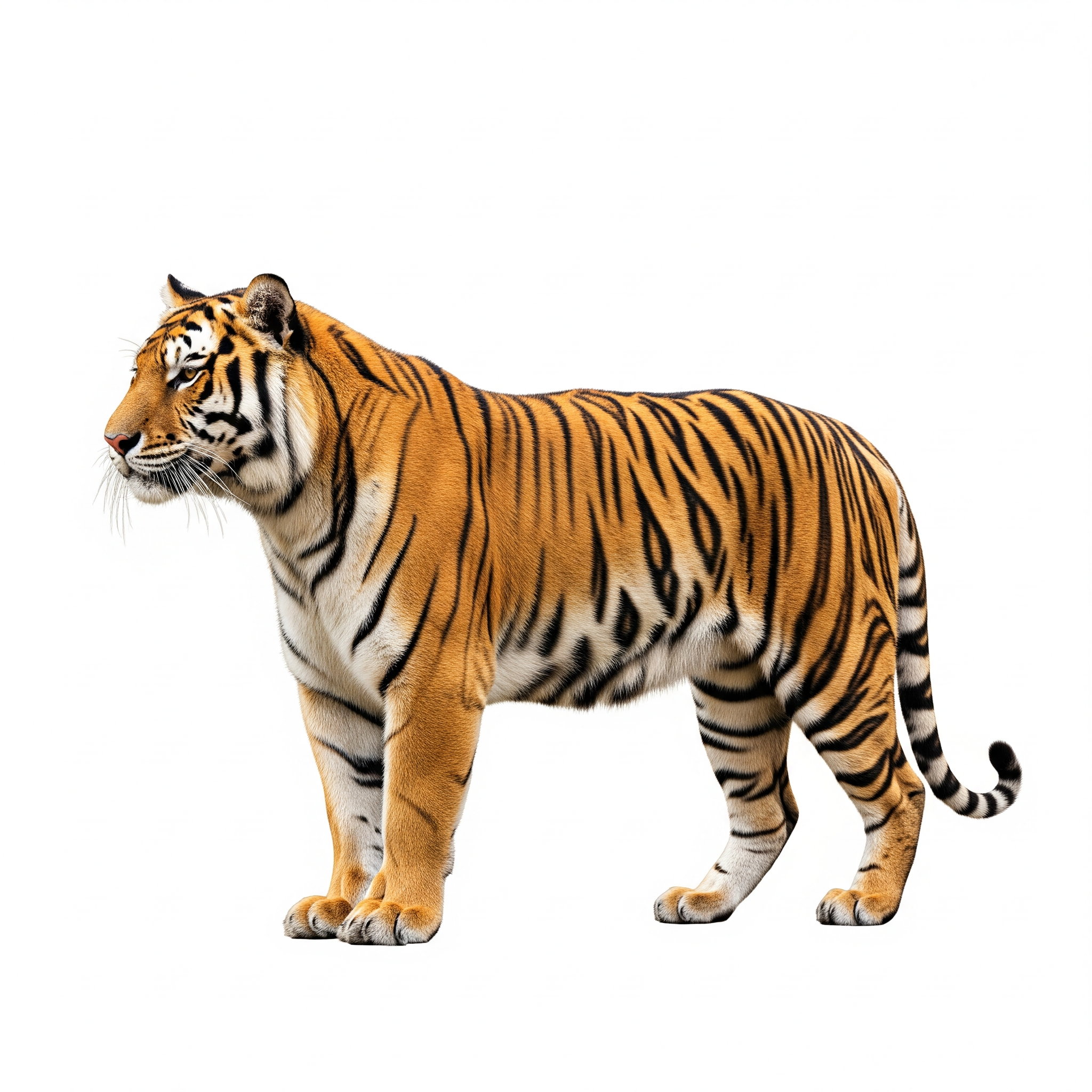
Archival print, museum-grade paper
Buy Poster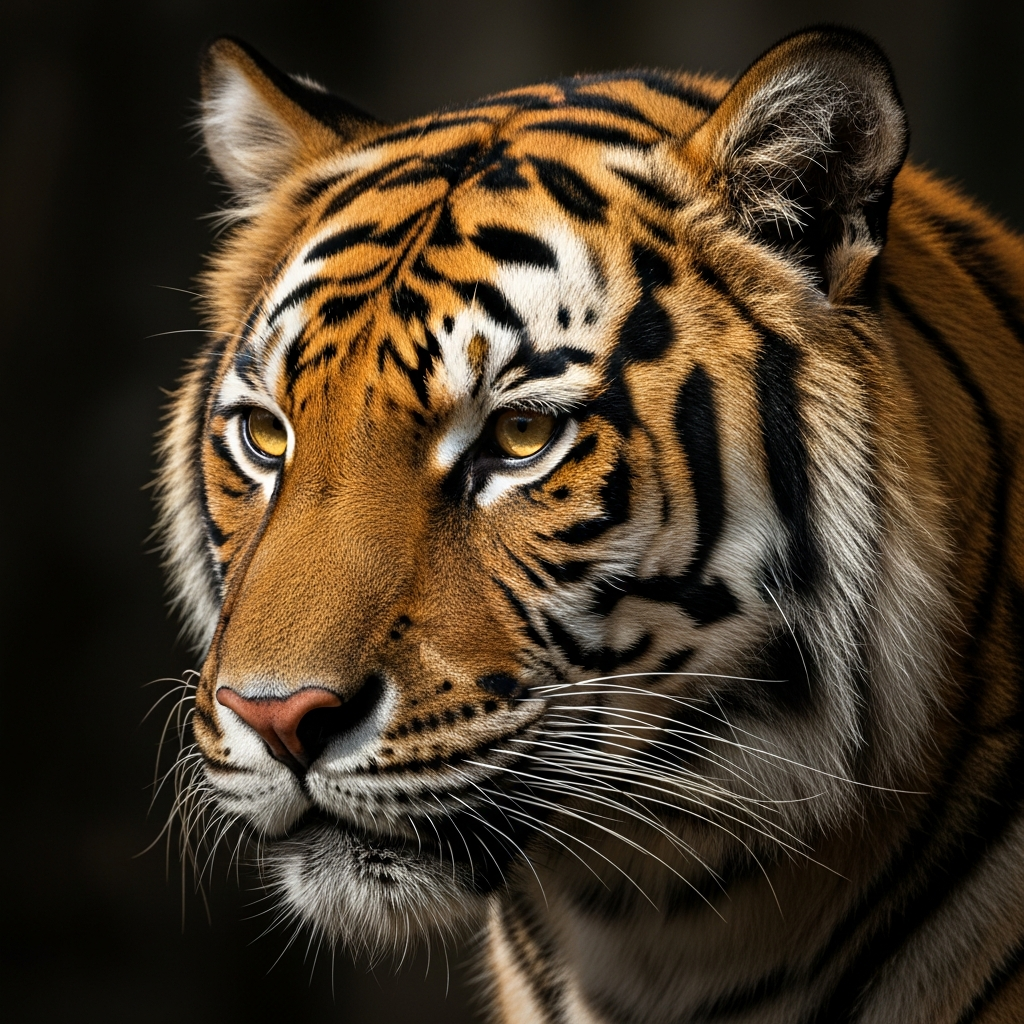
Stoneware mug, dishwasher safe
Buy Mug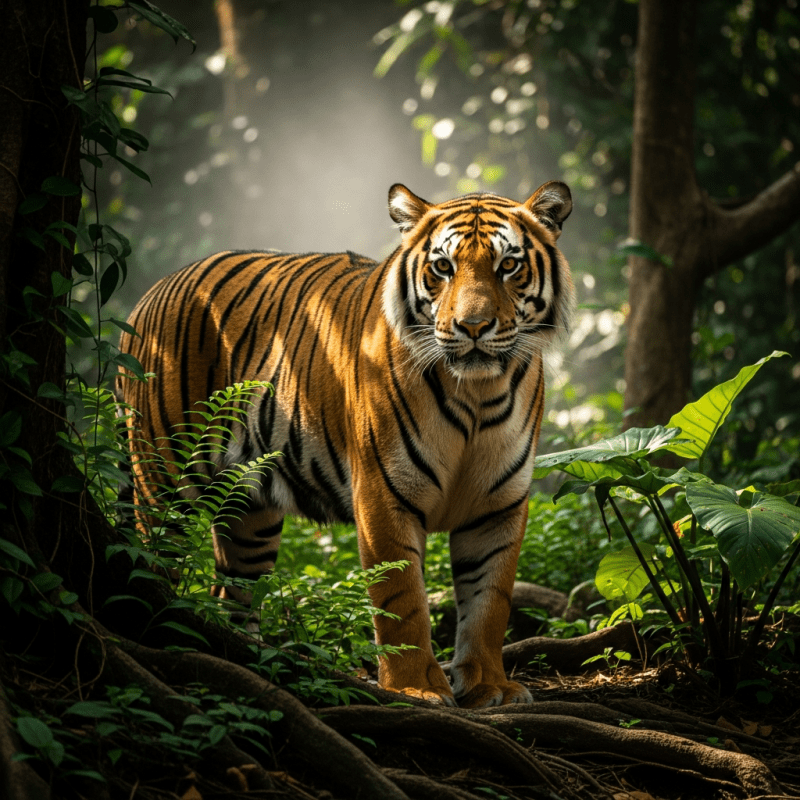
Soft cotton tee, unisex sizes
Buy ShirtThroughout history, the tiger has been revered as a symbol of power, courage, and beauty in art, mythology, and folklore across Asia. It features prominently in Hindu and Chinese traditions, appearing as a guardian spirit, a zodiac animal, and a motif in royal emblems. Modern culture continues to celebrate the tiger in literature, sports, and conservation campaigns, making it one of the world’s most iconic wild animals.
Historically, tigers roamed from Turkey and the Caspian region eastward to the Russian Far East, China, Southeast Asia, the Indian subcontinent, and Indonesian islands. Today, their range is highly fragmented, with major populations surviving in India, Russia, Bangladesh, Nepal, Bhutan, Myanmar, Thailand, Malaysia, Sumatra (Indonesia), and China. Many former habitats have lost their tigers due to human pressures and environmental change.
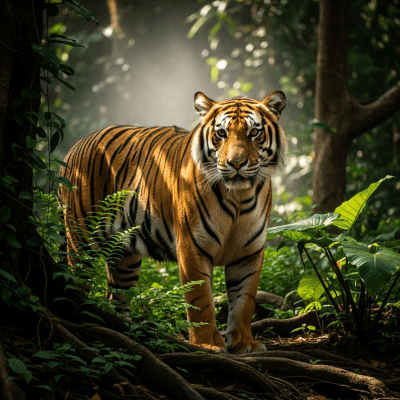
Tigers thrive in a variety of habitats, including tropical forests, mangroves, grasslands, and temperate forests. As apex predators, they regulate prey populations and help maintain ecological balance. Tigers require large territories with abundant cover and water, often selecting dense vegetation near rivers or wetlands for hunting and shelter. Their presence is a key indicator of healthy, biodiverse ecosystems.
The tiger is classified as Endangered by the IUCN Red List, with fewer than 4,000 mature individuals estimated in the wild. This status reflects ongoing population declines and highlights the urgent need for conservation action, including habitat protection, anti-poaching efforts, and international cooperation.
Tigers face severe threats from habitat loss due to deforestation and human encroachment, poaching for their body parts, conflict with people, and depletion of prey species. These challenges have led to fragmented populations and local extinctions, making survival increasingly difficult for many subspecies.
Tigers possess remarkable adaptations for predation and survival: their striped coats provide camouflage in dappled forest light, retractable claws and powerful limbs enable stealthy movement and swift attacks, and acute night vision allows effective hunting in low light. Their strong swimming ability sets them apart from other big cats, letting them cross rivers and hunt in water-rich environments.
Tiger reproduction involves a gestation period of about 93–112 days, after which 2–4 cubs are born blind and helpless. Mothers provide intensive care for up to two years, teaching cubs hunting and survival skills. Cubs gradually gain independence, dispersing to establish their own territories as adults. The tiger’s solitary nature means parental care is crucial for cub survival.
Genetic research has mapped both the mitochondrial and nuclear genomes of the tiger, confirming its close relationship to lions, leopards, and jaguars within Panthera. DNA barcodes help identify subspecies and track population health. Notably, some populations—such as the South China and Sumatran tigers—show reduced genetic diversity due to bottlenecks, emphasizing the importance of genetic management in conservation. No natural hybridization with other Panthera species has been observed.