Lynx Canadensis
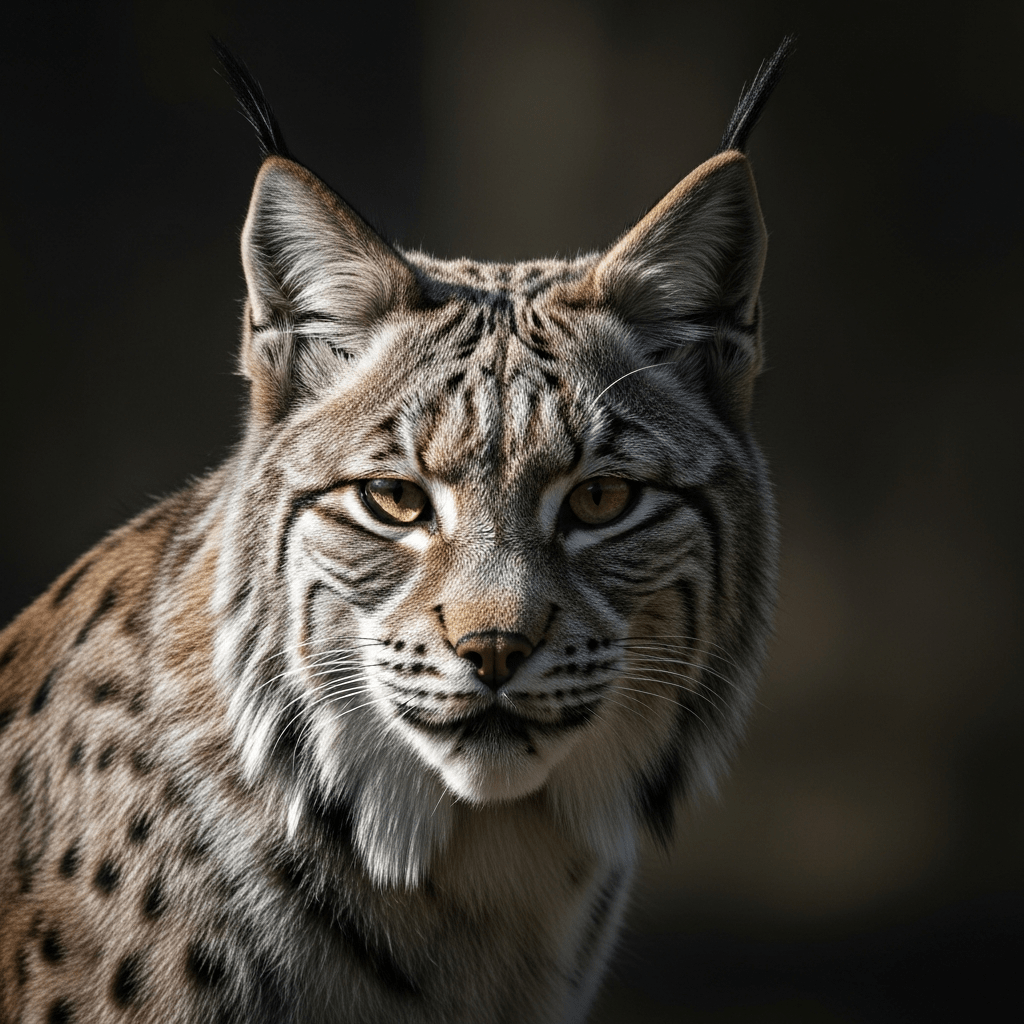
The Canada Lynx (Lynx canadensis) is a medium-sized wild cat native to North America's boreal forests, renowned for its long ear tufts, broad snowshoe-like paws, and silvery fur adapted to cold environments.
The Canada Lynx (Lynx canadensis) is a medium-sized wild cat native to North America's boreal forests, renowned for its long ear tufts, broad snowshoe-like paws, and silvery fur adapted to cold environments.
First described by Robert Kerr in 1792, the Canada Lynx originated in the northern forests of North America, with its type locality cited as Canada. Its evolutionary lineage diverged from the Eurasian Lynx and bobcat approximately 2–3 million years ago, adapting over millennia to thrive in snowy, forested landscapes where snowshoe hares abound.
Belonging to the family Felidae and the genus Lynx, the Canada Lynx is classified as Lynx canadensis. It is part of the subfamily Felinae, which encompasses small to medium-sized cats. Unlike its close relatives—the bobcat (Lynx rufus) and Eurasian Lynx (Lynx lynx)—the Canada Lynx is recognized as a distinct species, supported by genetic and morphological evidence. No subspecies are currently accepted by major authorities.
The Canada Lynx is instantly recognizable by its thick, silvery-gray fur, often tinged with buff or brown, and a prominent ruff beneath the chin. Long black ear tufts and expressive golden eyes lend it a striking appearance. Its body measures 76–106 cm in length, with a short tail (5–13 cm) tipped in black. Most remarkable are its large, heavily furred paws, which act as natural snowshoes, allowing it to move effortlessly atop deep snow. The overall impression is of a compact, agile predator exquisitely adapted for cold, forested terrain.
Canada Lynx are solitary and primarily nocturnal, with peak activity at dawn and dusk. They are obligate predators, specializing in hunting snowshoe hares—a relationship that drives their population cycles in synchrony with their prey. Agile climbers and capable swimmers, lynx prefer to hunt on the ground, using stealth and acute senses to ambush prey. Human interaction is minimal, as the lynx is elusive and avoids open habitats, making sightings rare outside of scientific study or remote wilderness.
Bring this kind into your world illustrated posters, mugs, and shirts.
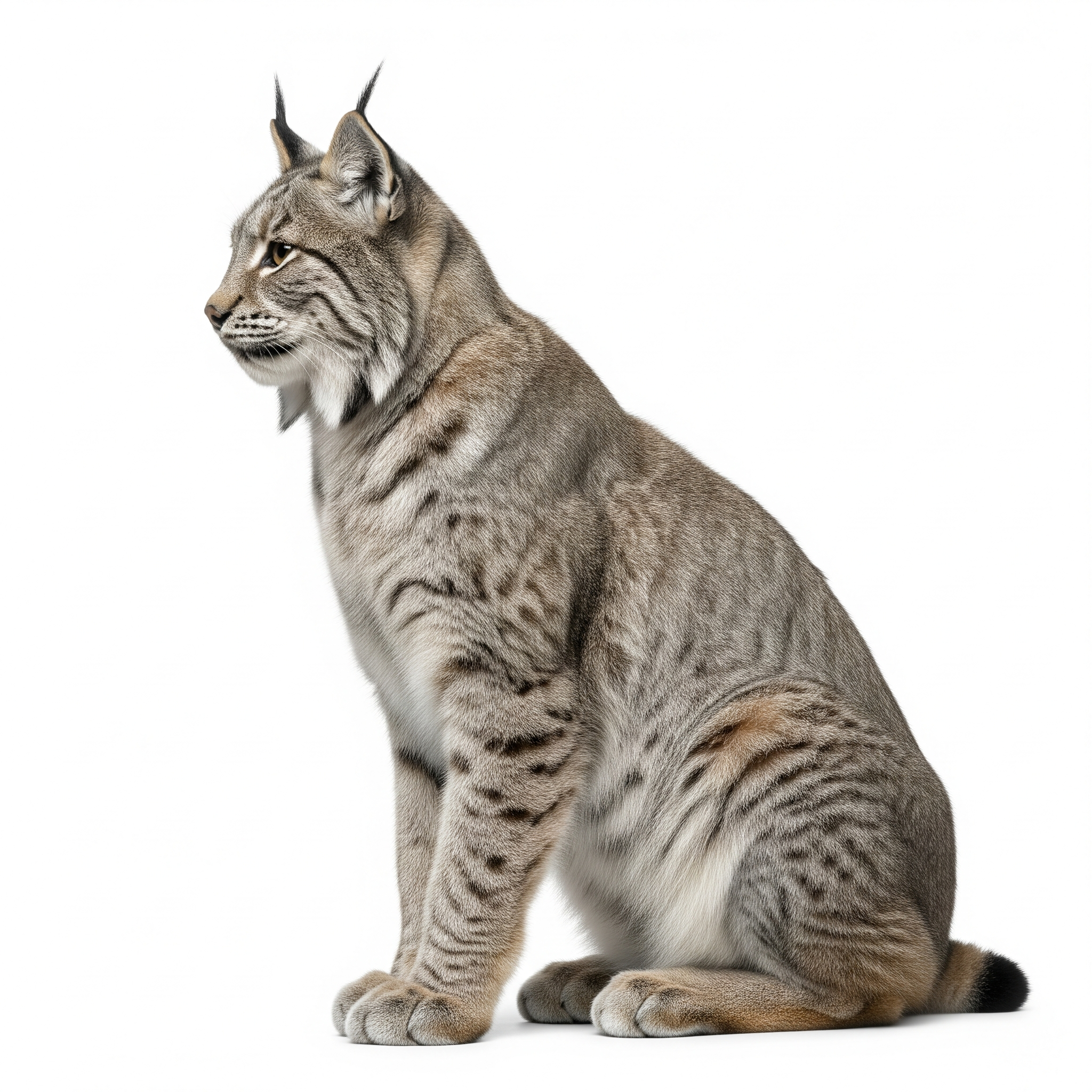
Archival print, museum-grade paper
Buy Poster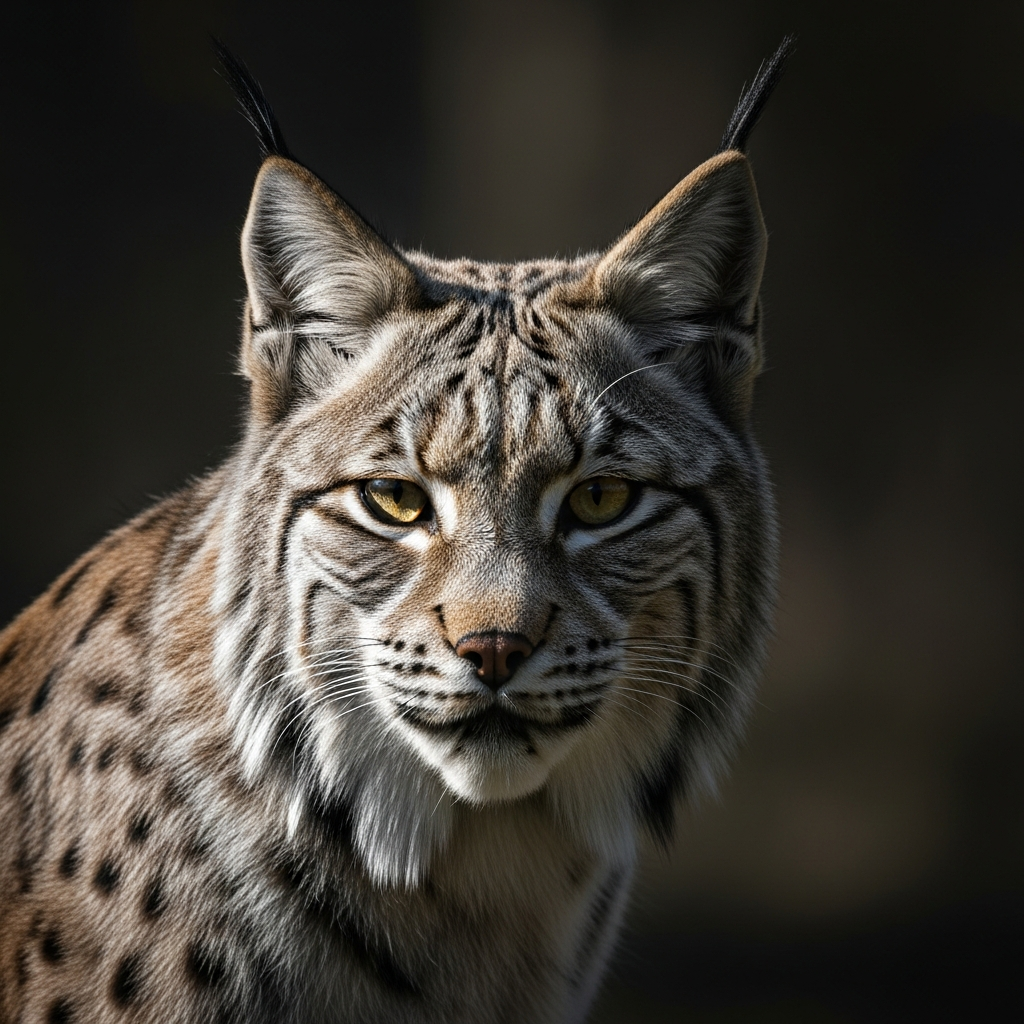
Stoneware mug, dishwasher safe
Buy Mug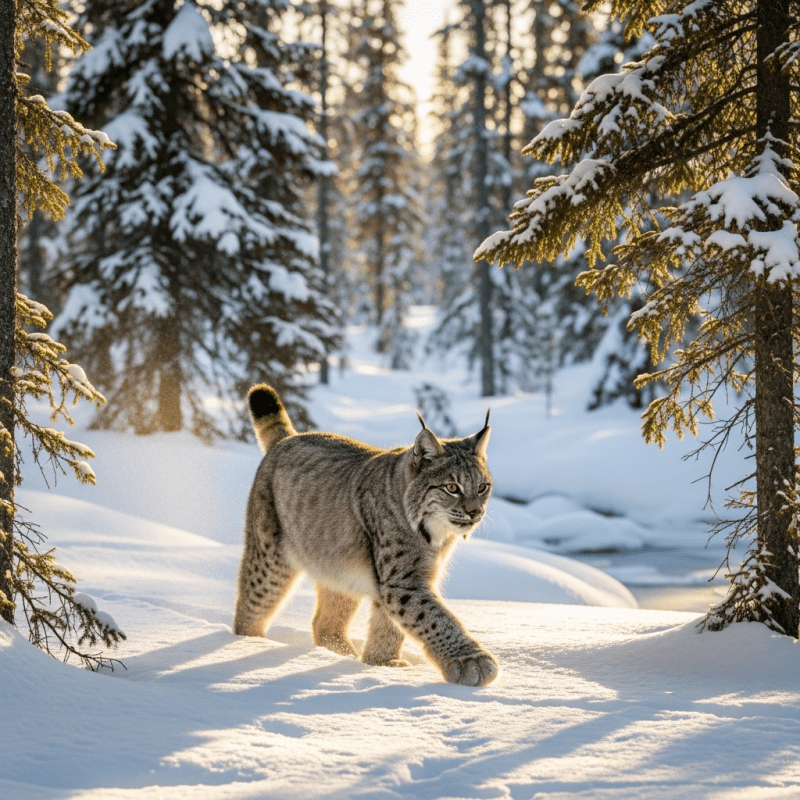
Soft cotton tee, unisex sizes
Buy ShirtWhile not as prominent in folklore as some larger cats, the Canada Lynx holds symbolic value in indigenous cultures of North America, often representing stealth, patience, and keen observation. Its image appears in regional art and conservation campaigns, serving as an emblem of the boreal forest's health and resilience. The lynx's elusive nature and striking appearance have inspired wildlife photographers and naturalists, making it a subject of fascination and reverence among those who encounter it.
The Canada Lynx is native to the boreal forests of North America, with a range spanning Alaska, most of Canada, and northern regions of the United States such as Maine, Minnesota, Montana, Colorado, Idaho, and Washington. Historically, its distribution has mirrored the extent of dense, snowy forests where snowshoe hares are abundant. Southern populations are more fragmented and face greater conservation challenges.

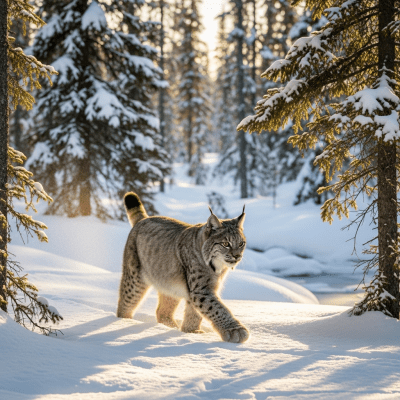
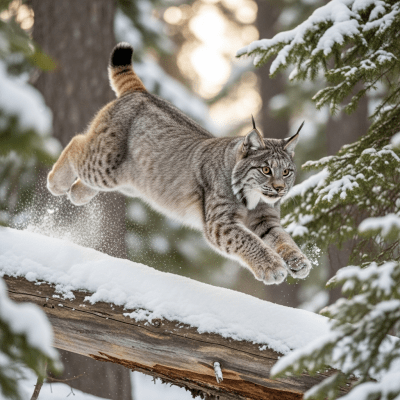
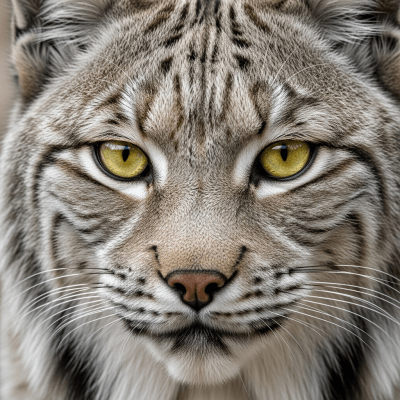
Preferring dense, mature coniferous forests with abundant understory, the Canada Lynx thrives where snowshoe hares are plentiful. Its ecological role is that of a specialist predator, helping regulate hare populations and serving as an indicator of boreal ecosystem health. The lynx relies on deep snow and thick cover for hunting and shelter, and its presence signals a well-functioning forest environment.
According to the IUCN Red List, the Canada Lynx is classified as Least Concern due to its broad distribution and stable populations in Canada and Alaska. However, populations in the contiguous United States are fragmented and some are listed as threatened under the U.S. Endangered Species Act, reflecting regional conservation concerns.
Major threats to the Canada Lynx include habitat loss and fragmentation from logging and development, climate change reducing snow cover, trapping for fur, and vehicle collisions. In southern parts of its range, these pressures are more acute, leading to declining or uncertain population trends and increased vulnerability.
The Canada Lynx boasts several remarkable adaptations: its large, heavily furred paws act as snowshoes, enabling efficient movement across deep snow; thick, insulating fur protects against harsh winters; acute hearing and keen low-light vision aid in nocturnal hunting; and specialized teeth are optimized for shearing flesh. These traits collectively equip the lynx for survival in cold, forested habitats.
Breeding occurs from late winter to early spring. After a gestation of 62–74 days, females give birth to litters of 1–8 kittens (typically 2–4). Kittens are weaned at 12 weeks and disperse in autumn to establish their own territories. Parental care is provided solely by the mother, who shelters and feeds her young until they are independent.
No recognized breeds or subspecies of the Canada Lynx exist according to major taxonomic authorities. While historical literature occasionally proposed regional distinctions, current scientific consensus supports Lynx canadensis as a single, unified species across its range.
Genetic research confirms the Canada Lynx as a distinct species within the genus Lynx, with divergence from the Eurasian Lynx and bobcat estimated at 2–3 million years ago. Mitochondrial and nuclear genome analyses support its monophyly and reveal moderate genetic diversity, especially in isolated U.S. populations. No evidence of hybridization with other felids has been found, and whole genome sequences are available for scientific study.