Leopardus Colocola
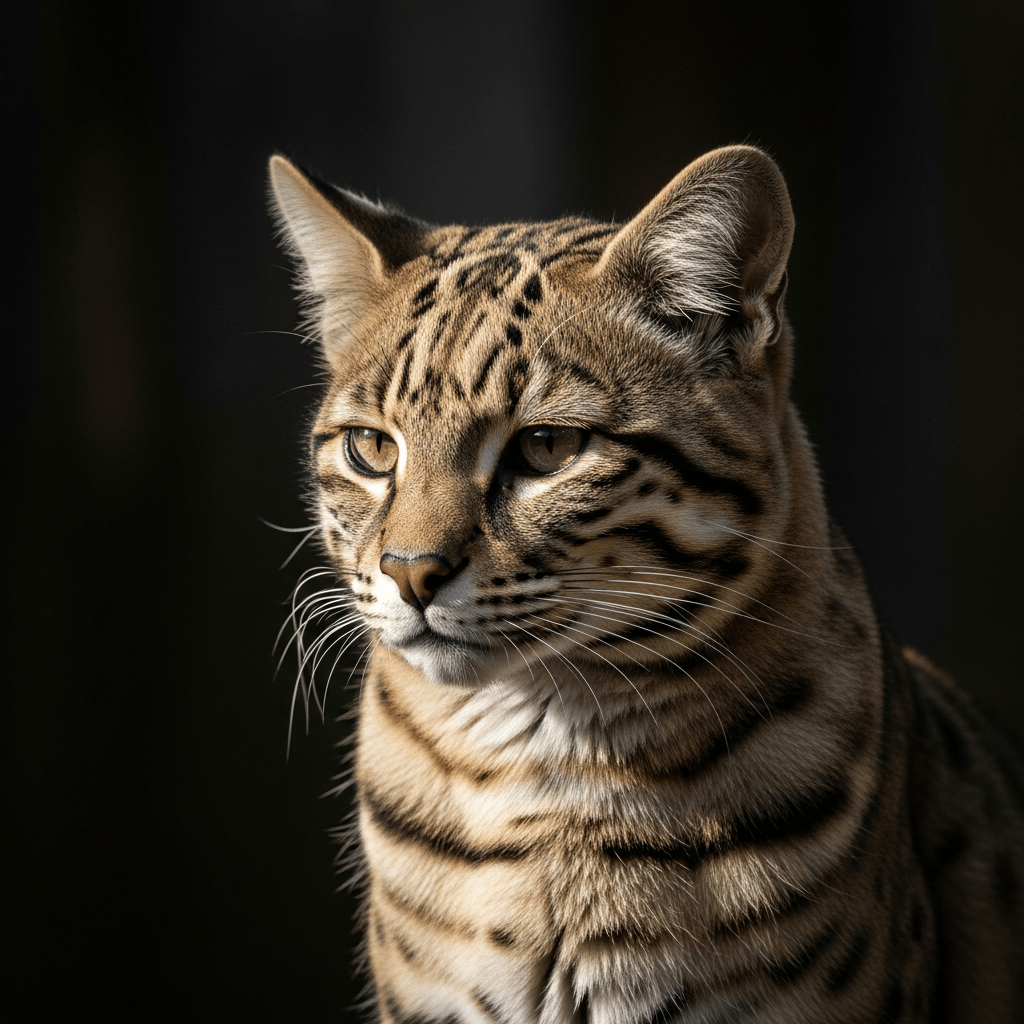
The Pampas Cat (Leopardus colocola) is a small, elusive wild feline native to South America, renowned for its adaptability to open grasslands and strikingly variable fur patterns.
The Pampas Cat (Leopardus colocola) is a small, elusive wild feline native to South America, renowned for its adaptability to open grasslands and strikingly variable fur patterns.
First described by Juan Ignacio Molina in 1782 from the southern Pampas grasslands, the Pampas Cat’s scientific journey has reflected its broad distribution and diversity. Originally named Felis colocolo, later revised to Leopardus colocola, this species was identified from specimens collected in South America’s open plains. Over time, its taxonomic history has been marked by the proposal of multiple subspecies and regional forms, mirroring the cat’s morphological variation across its range.
The Pampas Cat belongs to the family Felidae, within the subfamily Felinae and the genus Leopardus. It is closely related to other South American small cats, such as the Andean Cat (Leopardus jacobita) and Geoffroy’s Cat (Leopardus geoffroyi). Its classification has evolved with advances in genetic research, but most authorities now recognize Leopardus colocola as a distinct species, with ongoing debate about the validity of its subspecies.
The Pampas Cat is a robust, small to medium-sized feline, typically weighing 3–7 kg and measuring 60–90 cm in length, with a bushy tail of 25–35 cm. Its fur displays remarkable variation: colors range from pale yellowish-gray to reddish-brown, adorned with stripes, spots, or rosettes depending on locality. The underparts are lighter, and the tail is marked with dark rings. Short legs, a broad face with rounded ears, and cryptic coloration enhance its ability to blend into grassland and scrub environments.
Primarily nocturnal and solitary, the Pampas Cat is an ambush predator that relies on stealth and cover to hunt small mammals, birds, reptiles, and insects. It uses the dense vegetation of grasslands and shrublands to stalk prey, rarely interacting with humans except when perceived as a threat to poultry. Its elusive nature and adaptability to fragmented landscapes make it a key mesopredator in its ecosystem, helping regulate populations of smaller animals.
Bring this kind into your world illustrated posters, mugs, and shirts.
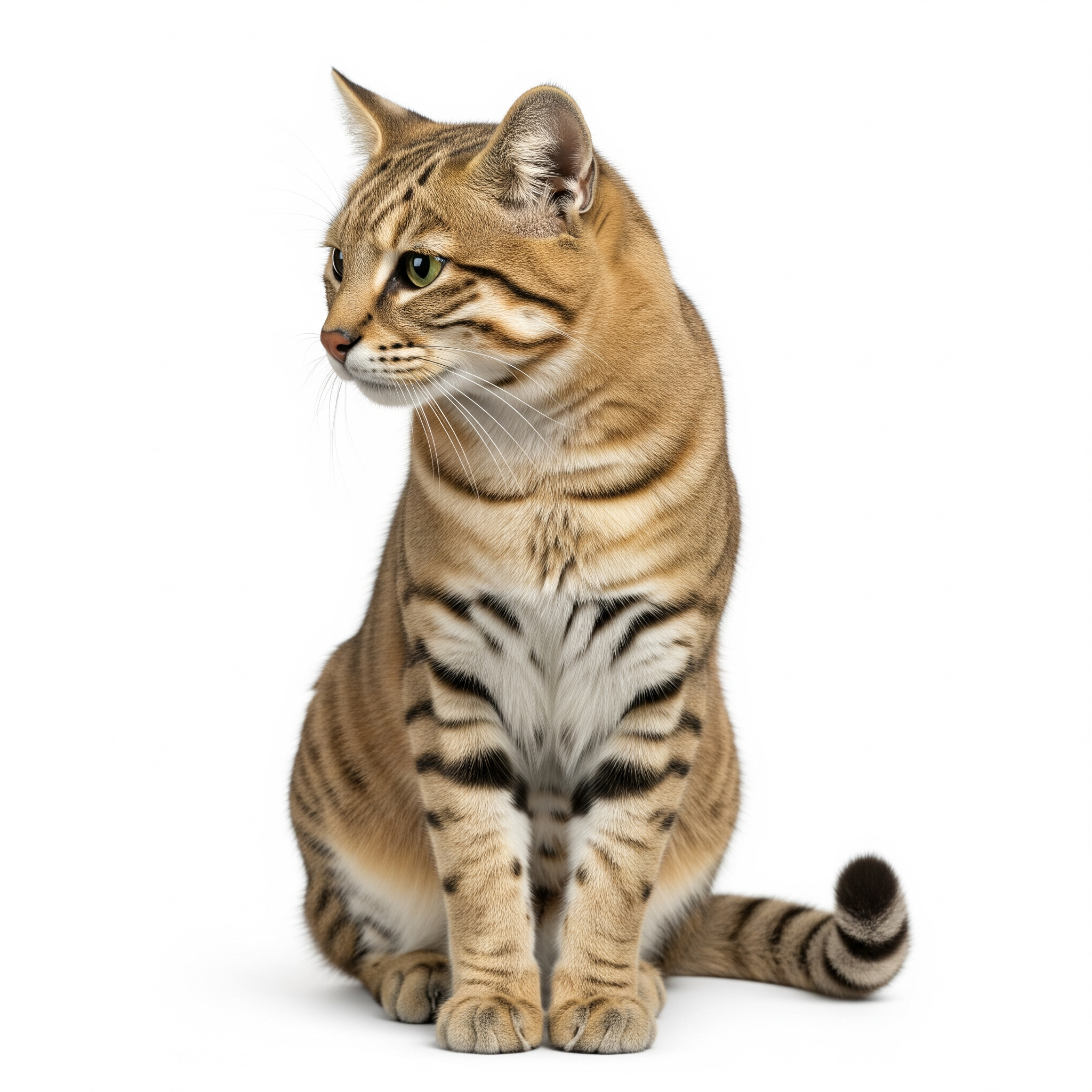
Archival print, museum-grade paper
Buy Poster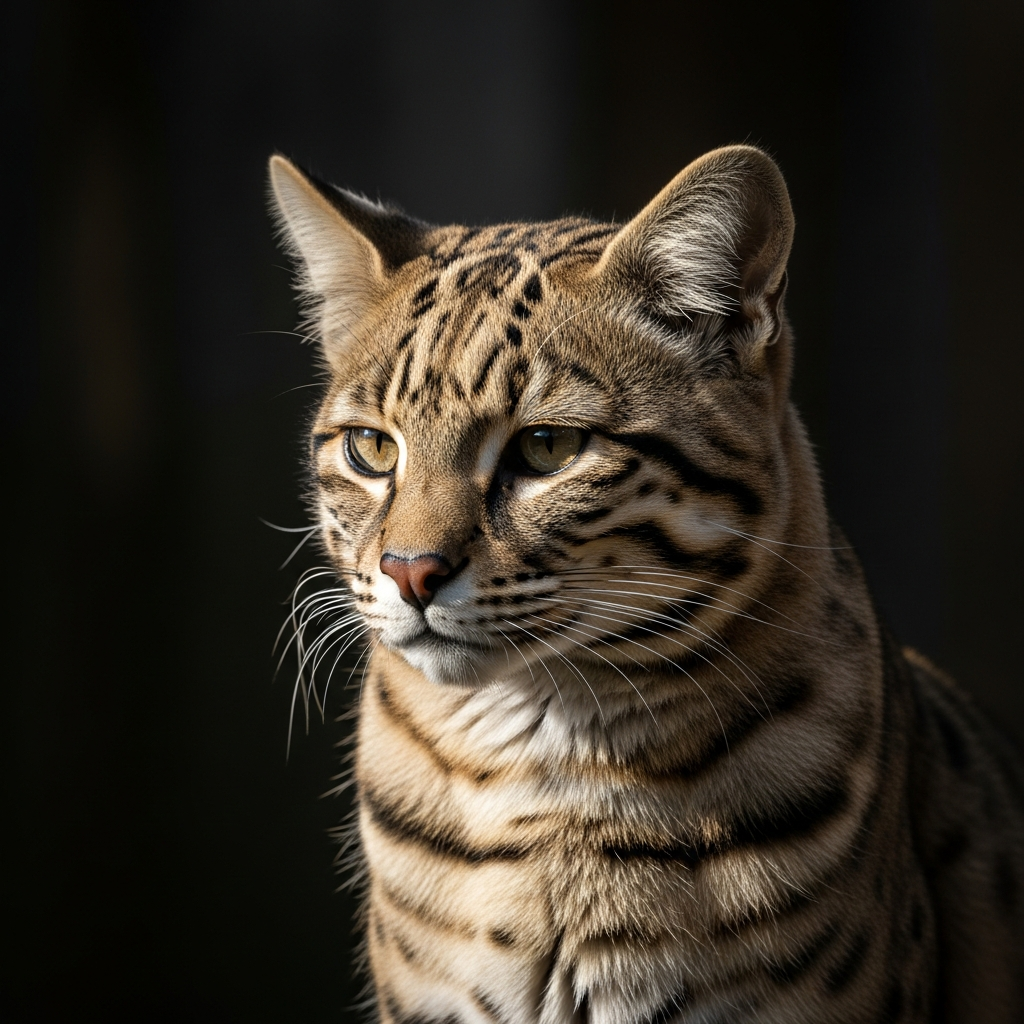
Stoneware mug, dishwasher safe
Buy Mug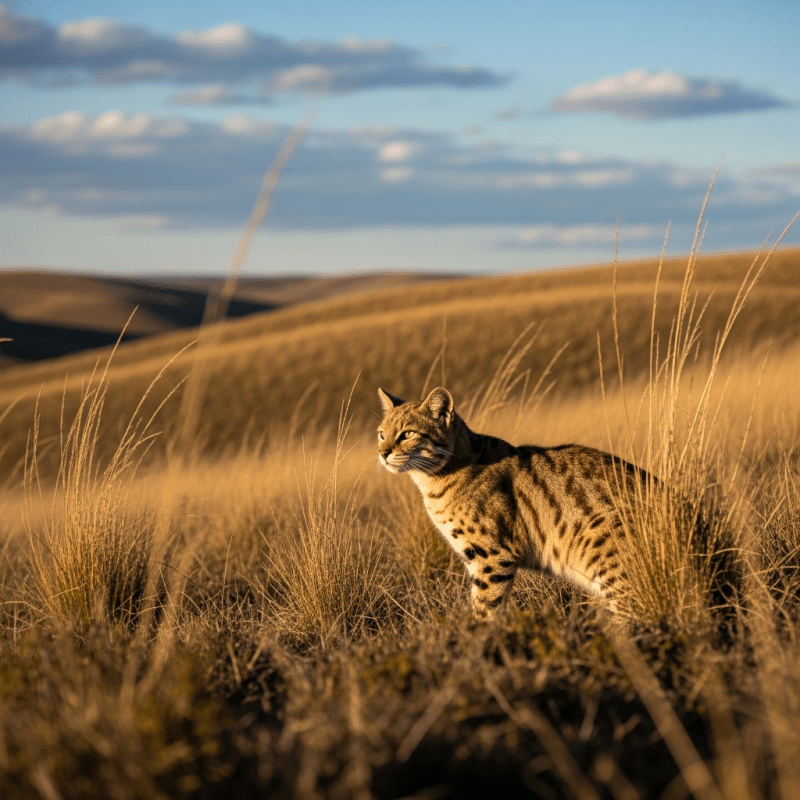
Soft cotton tee, unisex sizes
Buy ShirtKnown locally by names such as “Colocolo” and “Gato de las Pampas,” the Pampas Cat holds a subtle place in South American folklore and rural culture. While not as prominent in myth or art as larger felines, it is sometimes featured in regional stories and is recognized for its mysterious presence in the grasslands. Its image occasionally appears in local crafts and conservation campaigns, symbolizing the wild spirit of the Pampas.
The Pampas Cat is native to a vast expanse of South America, ranging from Argentina and Uruguay in the south, through Bolivia, Paraguay, Brazil, and Chile, up to Ecuador and Peru. It occupies habitats from sea level to high-altitude Andean steppes at 5,000 meters, reflecting its remarkable adaptability to diverse environments.
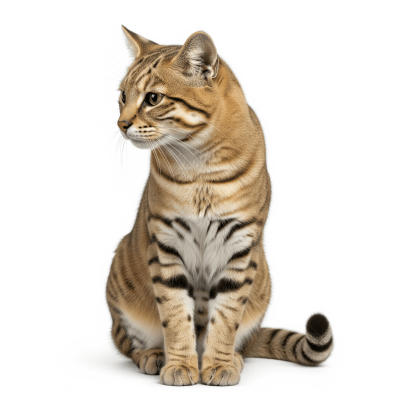
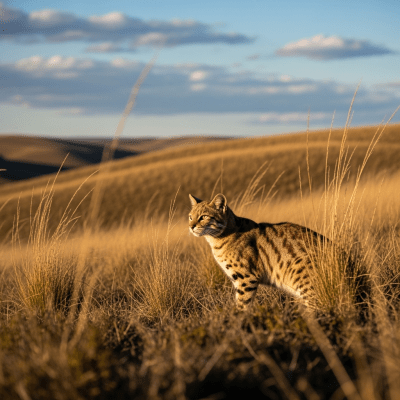
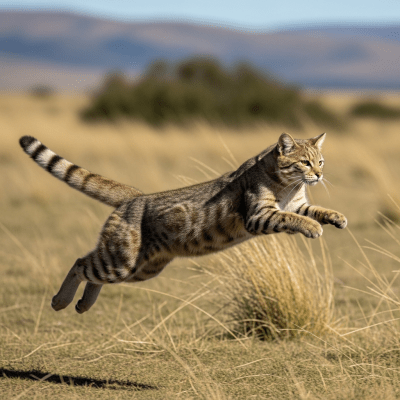
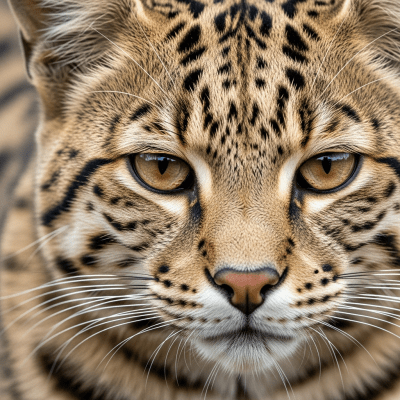
This species thrives in open grasslands (the Pampas), shrublands, dry forests, and mountainous Andean steppes. As a mesopredator, the Pampas Cat plays a crucial ecological role by controlling populations of small mammals and birds. Its cryptic coloration and solitary habits help it avoid detection by both prey and larger predators, and it is tolerant of fragmented habitats caused by agriculture and grazing.
The Pampas Cat is currently listed as Near Threatened on the IUCN Red List (2020), with populations believed to be declining. This status indicates the species faces threats that could lead to its endangerment if conservation measures are not strengthened. It is protected under CITES Appendix II and by national laws in several countries, though enforcement varies.
Major threats to the Pampas Cat include habitat loss and fragmentation due to agricultural expansion, overgrazing, and conversion of native grasslands to cropland. Persecution by humans, often in response to perceived predation on poultry, and road mortality also contribute to its decline. Limited data on population size and density further complicate conservation efforts.
The Pampas Cat exhibits several adaptations for survival in open and semi-arid landscapes: cryptic coloration for camouflage, tolerance of habitat fragmentation, and a flexible diet that includes a range of small prey. Its robust build and bushy tail aid in maneuvering through dense vegetation, while nocturnal habits reduce competition and predation risks.
Females have a gestation period of about 80–85 days, typically giving birth to litters of 1–3 kittens. While breeding seasonality is not well documented, it is believed that reproduction may occur year-round in some regions. Kittens are cared for by the mother until they are old enough to hunt independently, though detailed parental behaviors remain understudied due to the species’ elusive nature.
Taxonomic debate persists, with some authorities recognizing up to eight subspecies, while others consider these local forms within a single, highly variable species.
Genetic studies using mitochondrial DNA (COI, cytochrome b) and nuclear markers reveal significant diversity across the Pampas Cat’s range, supporting the existence of distinct population clusters. Partial genome sequences are available, and chromosomal analysis shows 2n=36. Phylogenetic research places it firmly within the Leopardus genus, closely related to the Andean Cat and Geoffroy’s Cat. No hybridization with other Leopardus species has been documented, and ongoing genetic work continues to clarify subspecies boundaries and evolutionary history.