Felis Bieti
The Chinese Mountain Cat (Felis bieti) is a rare, high-altitude wild feline endemic to western China, renowned for its elusive nature and pale, sand-colored coat.
The Chinese Mountain Cat (Felis bieti) is a rare, high-altitude wild feline endemic to western China, renowned for its elusive nature and pale, sand-colored coat.
First described in 1892 by Alphonse Milne-Edwards, the Chinese Mountain Cat was discovered from specimens collected in Qinghai province. Its origins are deeply rooted in the alpine meadows and steppe of the eastern Tibetan Plateau, where it evolved as a distinct lineage within the genus Felis. The species' discovery was documented by the Muséum National d'Histoire Naturelle in Paris, and its evolutionary divergence from other small Eurasian wildcats is estimated to have occurred 1–2 million years ago.
Belonging to the family Felidae and subfamily Felinae, the Chinese Mountain Cat is classified as Felis bieti. It is closely related to other small wildcats of Eurasia, though its status as a distinct species versus a subspecies of the Eurasian Wildcat (Felis silvestris) has been debated. Recent genetic and morphological studies support its recognition as a unique species, setting it apart from both wild and domestic cats.
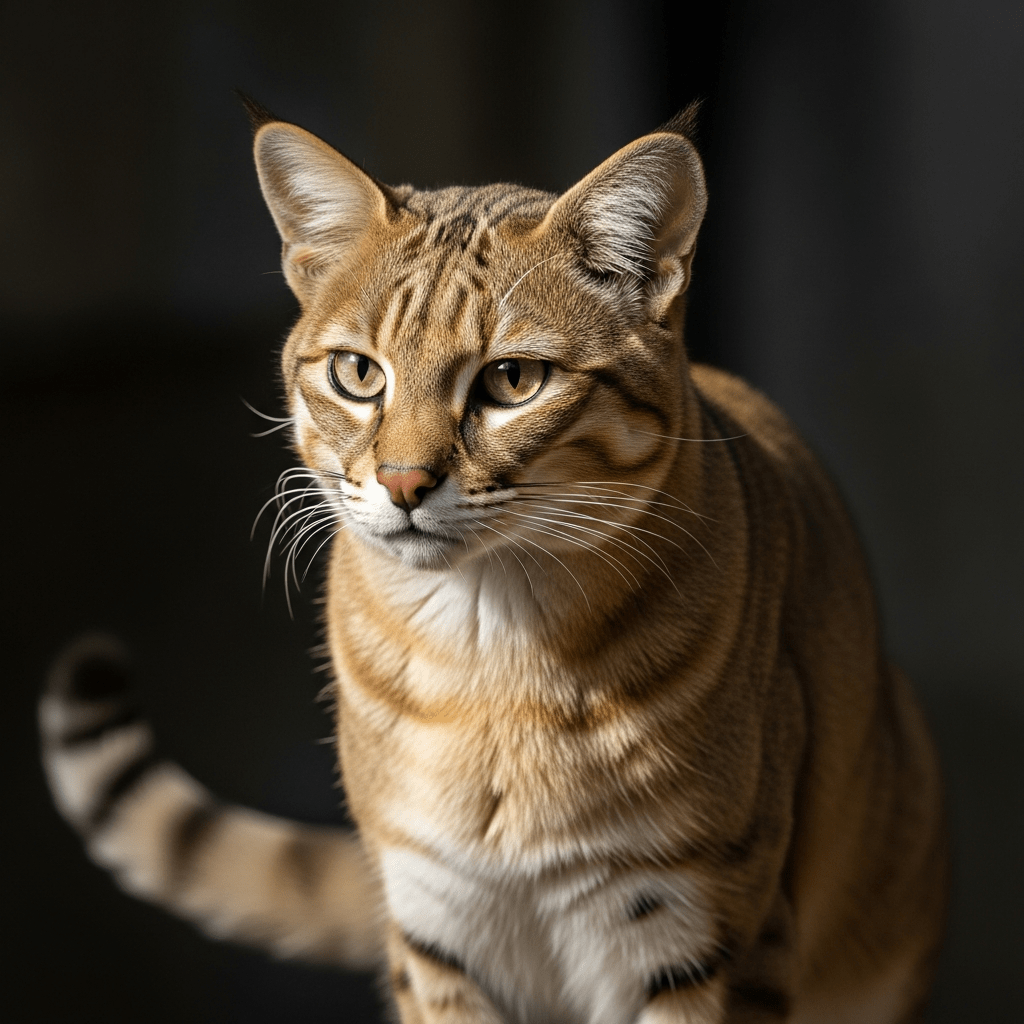
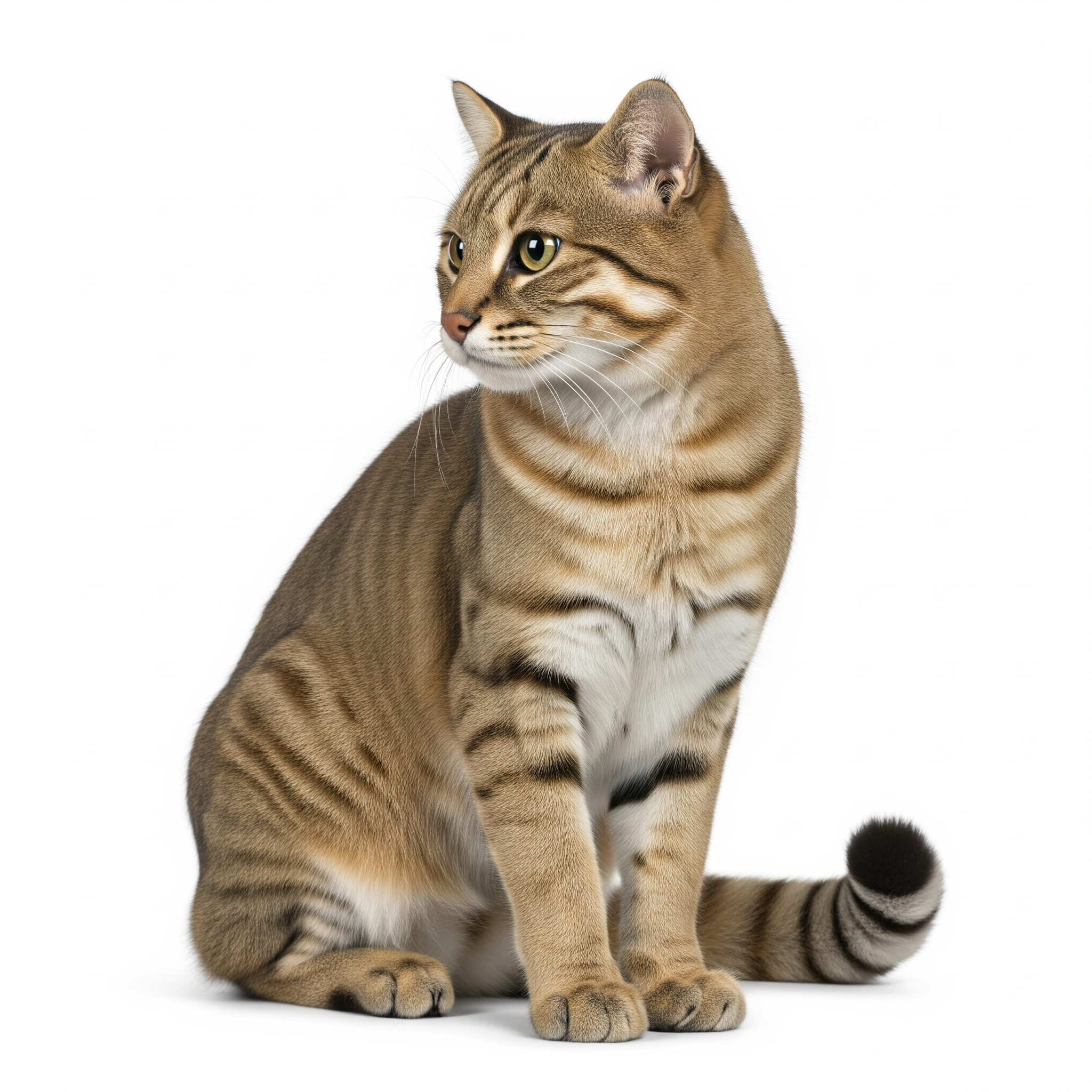
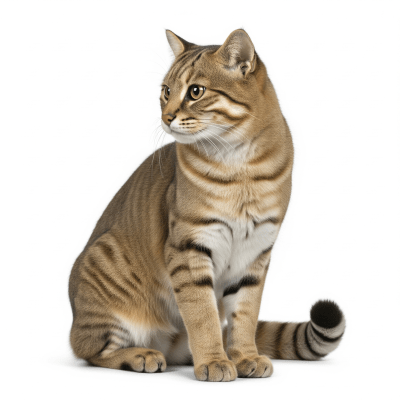
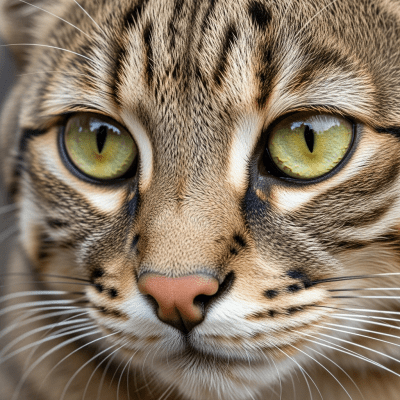
The Chinese Mountain Cat is stocky, with short legs and a bushy tail marked by dark rings. Adults measure 65–85 cm in body length, with tails of 29–41 cm, and weigh between 4.5–9 kg. Its thick fur is pale gray to yellowish, adorned with faint stripes and spots, and a white underbelly. Notable features include ear tufts and a broad, expressive face, all adapted for insulation and camouflage in cold, open landscapes.
This feline is solitary and primarily nocturnal, with peak activity at dusk and dawn. As a mesopredator, it hunts small mammals such as pikas and rodents, and occasionally birds. Its elusive habits and cryptic coloration make it difficult to observe in the wild, contributing to its reputation as one of the most enigmatic members of the cat family. The Chinese Mountain Cat plays a vital ecological role in controlling small mammal populations within its high-altitude habitat.
Bring this kind into your world illustrated posters, mugs, and shirts.
Archival print, museum-grade paper
Buy Poster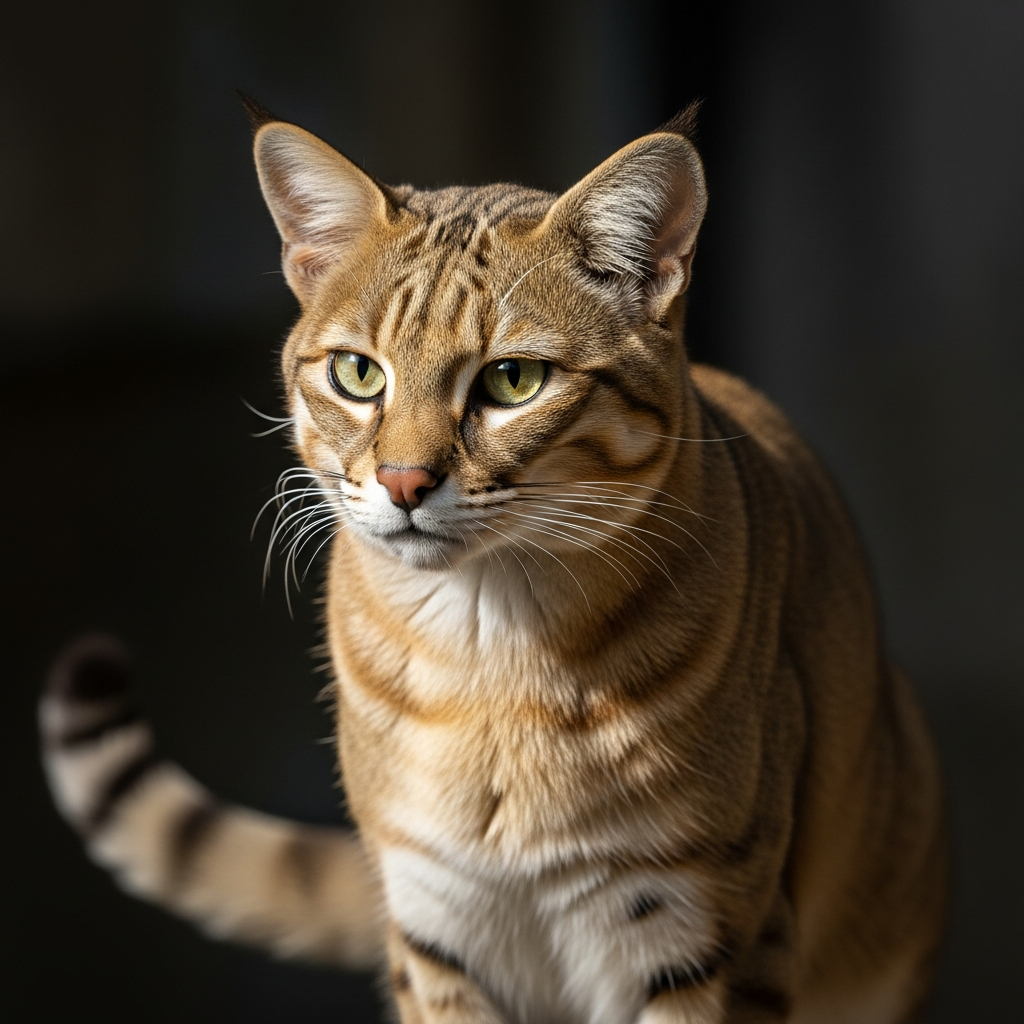
Stoneware mug, dishwasher safe
Buy Mug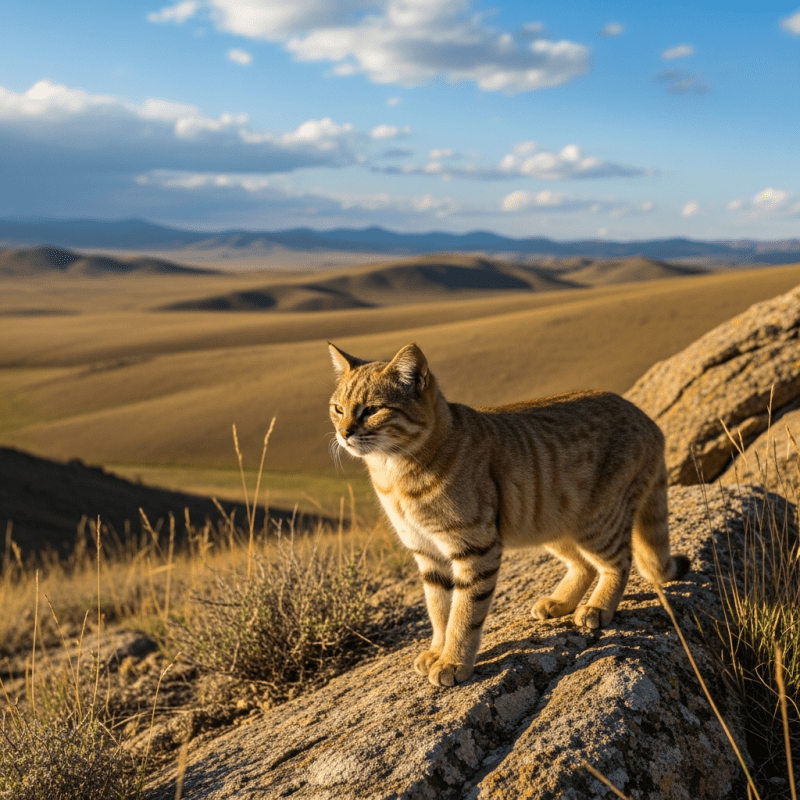
Soft cotton tee, unisex sizes
Buy ShirtWhile the Chinese Mountain Cat is not widely represented in art or folklore, its rarity and mysterious presence have made it a symbol of China’s wild and remote landscapes. Locally, it is sometimes referred to as Biet’s Cat, honoring its discoverer, and its image occasionally appears in conservation campaigns highlighting the unique biodiversity of the Tibetan Plateau.
The Chinese Mountain Cat is found exclusively in China, with confirmed populations in Qinghai, Sichuan, Gansu, and eastern Tibet Autonomous Region. Historically and currently, its range is restricted to the eastern edge of the Tibetan Plateau, making it one of the most geographically limited wild felines.
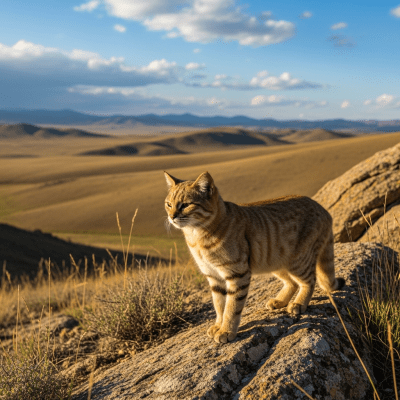
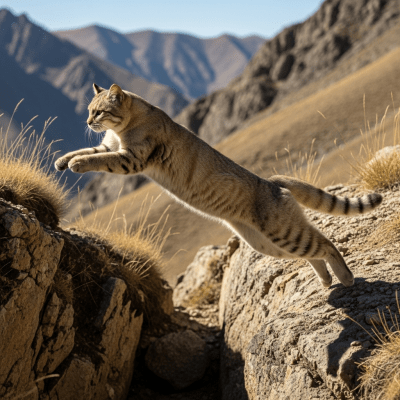
This species prefers alpine meadows, steppe, and shrubland at elevations between 2,500 and 4,500 meters. It thrives in cold, open environments where its thick fur provides essential insulation. As a mesopredator, it plays a key role in the ecosystem by regulating populations of pikas, rodents, and other small mammals, contributing to the balance of its high-altitude habitats.
The Chinese Mountain Cat is currently listed as Vulnerable by the IUCN Red List, indicating a high risk of extinction in the wild. Its population is suspected to be fewer than 10,000 mature individuals, and numbers are declining due to ongoing threats. The species is protected under Chinese law and included in CITES Appendix II, but conservation efforts are challenged by its elusive nature and limited data.
Major threats to the Chinese Mountain Cat include habitat degradation from overgrazing, widespread use of rodenticides (which target its prey), human disturbance, and potential hybridization with domestic cats. These pressures are compounded by the species’ restricted range and low population density, making it particularly vulnerable to environmental changes and human activities.
The Chinese Mountain Cat has evolved several adaptations for survival in harsh, high-altitude environments: thick fur for insulation against cold, cryptic coloration for camouflage in grassland and steppe, and ear tufts that may help reduce heat loss. Its robust build and solitary, nocturnal habits further enable it to thrive in remote, open landscapes where few other predators persist.
Reproductive data on the Chinese Mountain Cat are limited, but available observations suggest a mating season in late winter, with litters of 2–4 kittens born in spring. Parental care is presumed to be similar to other small wildcats, with mothers raising the young in dens until they are old enough to hunt independently. The overall lifecycle remains poorly documented due to the species' secretive habits.
There are no recognized subspecies or breeds of the Chinese Mountain Cat. While it has been referred to by alternate scientific names (such as Felis silvestris bieti), current consensus supports its status as a distinct species, with no accepted regional variants.
Genetic studies confirm the Chinese Mountain Cat as a distinct lineage within the genus Felis, diverging from other species approximately 1–2 million years ago. Mitochondrial DNA and nuclear markers differentiate it from both Eurasian Wildcat and domestic cats. While whole-genome sequencing has been initiated, comprehensive data are still limited. Some evidence of introgression with domestic cats exists in certain populations, but overall genetic diversity and structure remain incompletely understood.