Teas

38 kinds of teas described and visualized

Teas are beverages made from the leaves of the Camellia sinensis plant, distinguished by their unique processing methods and regional origins. This rich taxonomy organizes teas into categories such as green, black, oolong, white, yellow, and pu-erh, each offering distinct flavors, aromas, and cultural significance worldwide.

A collection from Kinds Of - designing the world’s structured knowledge

Kinds of Teas

Origin Story

The story of tea begins in ancient China, where the Camellia sinensis plant was first cultivated and its leaves brewed for their refreshing and medicinal qualities. Over centuries, tea cultivation and processing techniques spread across Asia and beyond, evolving into diverse regional traditions and varieties that reflect local climates, cultures, and innovations.

Classification

Teas are primarily classified by their processing methods, which influence oxidation levels and flavor profiles. The main categories include green (unoxidized), black (fully oxidized), oolong (partially oxidized), white (minimally processed), yellow (lightly fermented), and pu-erh (aged and fermented). Within these groups, further distinctions arise from regional origins, cultivars, and specific production styles.

Appearance or Form

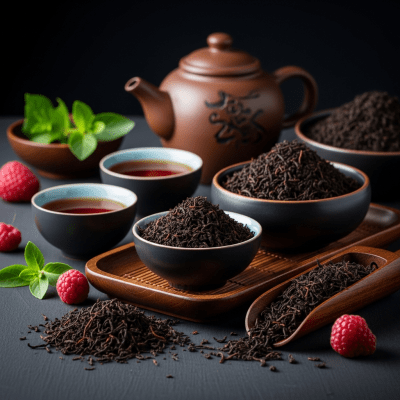
Tea leaves vary widely in appearance depending on type and processing. Green teas often display vibrant green, flat or rolled leaves, while black teas feature dark, twisted or curled leaves. Oolong teas exhibit a range of colors from greenish to brown with curled or semi-balled shapes. White teas are delicate with silvery buds, and pu-erh teas are typically compressed into cakes or bricks, showcasing deep earthy hues.

Behavior or Usage

Teas serve multiple purposes beyond simple refreshment. They are brewed hot or cold, enjoyed for their diverse flavors and aromas, and valued for health benefits linked to antioxidants and caffeine content. Teas also form the base for popular beverages like chai and bubble tea. Preparation rituals and consumption vary culturally, reflecting tea’s role as both daily staple and ceremonial element.

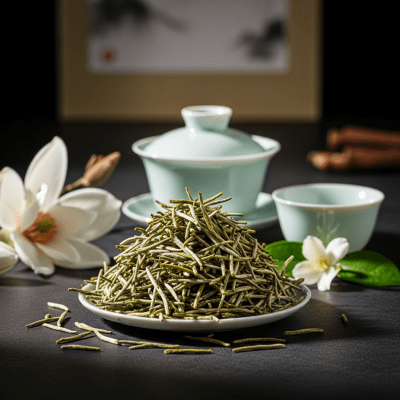
Buy the Collection

See how the Teas edition appears in two poster formats.

Huangshan Maofeng

Huangshan Maofeng

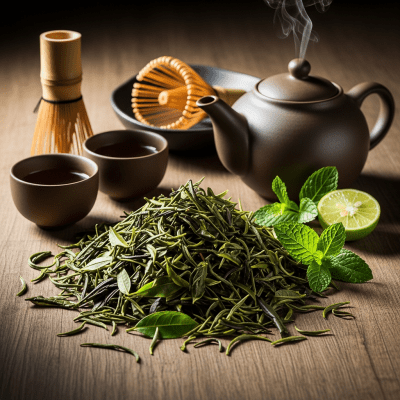
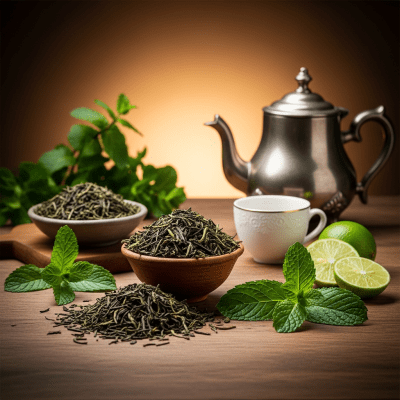
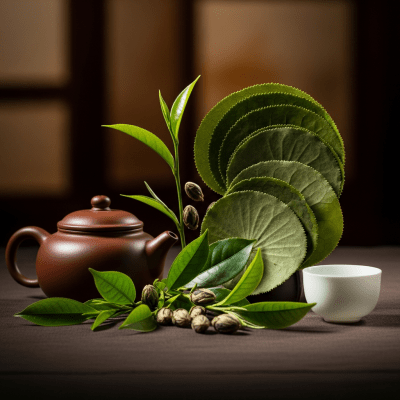
Huangshan Maofeng is a celebrated Chinese green tea from the Huangshan region of Anhui Province, prized for its delicate floral aroma, tender leaf buds, and subtle sweetness, earning its place among China’s top ten famous teas.

Nilgiri Tea

Nilgiri Tea

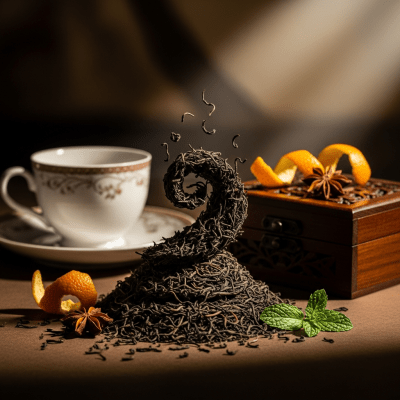
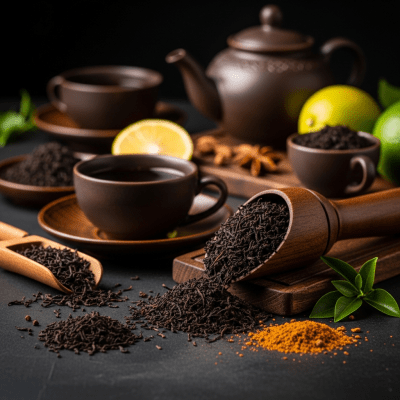
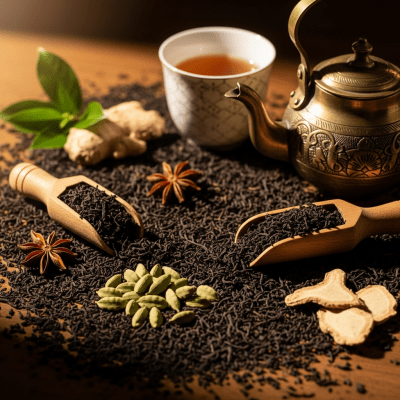
Nilgiri Tea is a distinguished Indian black tea from the Nilgiri Hills, celebrated for its fragrant aroma, brisk flavor, and bright, golden liquor.

Vietnamese Green Tea

Vietnamese Green Tea

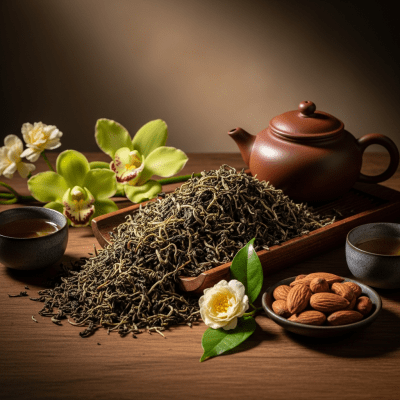
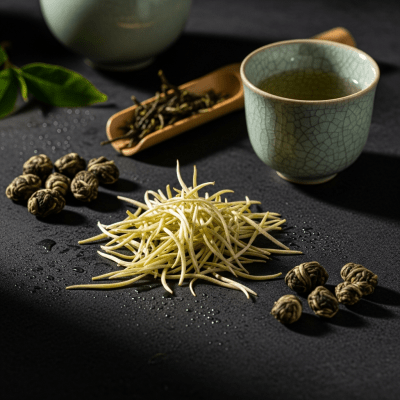
Vietnamese Green Tea is a broad category of green teas produced in Vietnam, celebrated for its distinctive vegetal flavor, fresh briskness, and aromatic qualities.

Dong Ding

Dong Ding

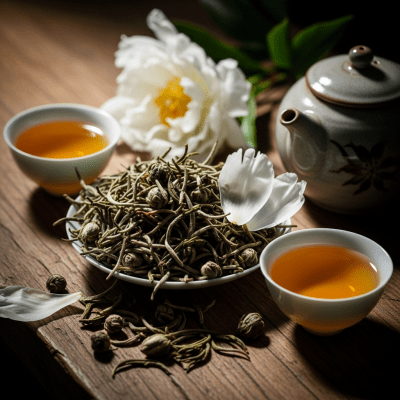
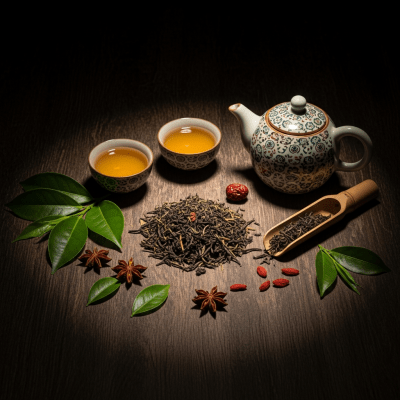
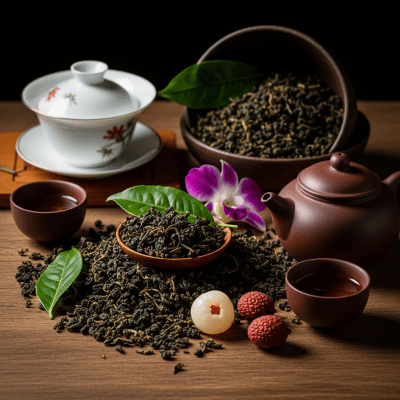
Dong Ding is a celebrated Taiwanese oolong tea known for its lightly roasted character, floral aroma, and creamy mouthfeel, prized for its balanced and artisanal flavor profile.

Bai Mudan

Bai Mudan

Bai Mudan, or White Peony, is a celebrated Chinese white tea known for its delicate floral aroma, mild sweetness, and a fuller body achieved by using both young buds and the first two leaves.

Lapsang Souchong

Lapsang Souchong

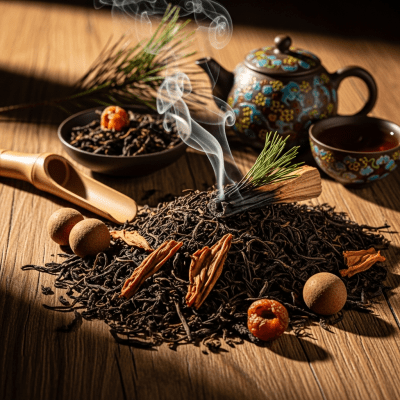
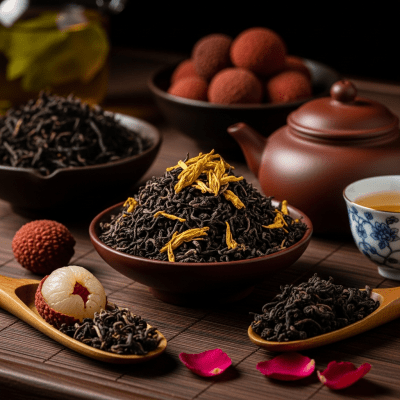
Lapsang Souchong is a distinctive black tea from China's Wuyi Mountains, celebrated worldwide for its bold smoky aroma and flavor derived from pinewood smoke during processing.

Pu-erh Tea

Pu-erh Tea

Pu-erh tea is a unique category of post-fermented tea from Yunnan Province, China, celebrated for its complex aging process and distinctive earthy flavors.

Gunpowder Tea

Gunpowder Tea

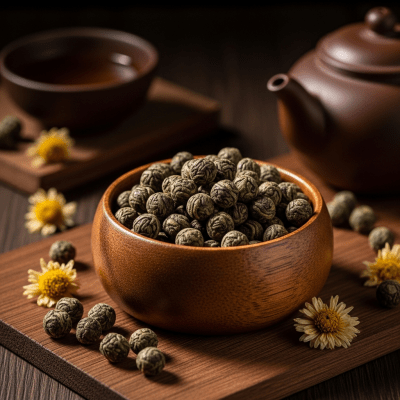
Gunpowder tea is a distinctive Chinese green tea known for its tightly rolled leaves that resemble small pellets or grains of gunpowder, prized for its robust flavor and exceptional durability during storage and transport.

Sencha

Sencha

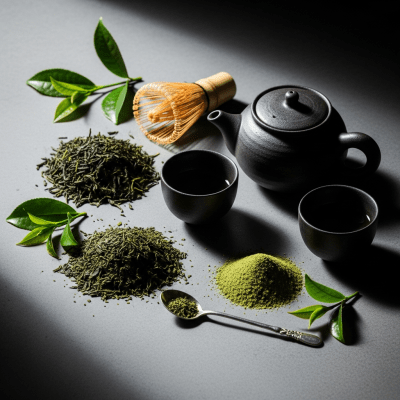
Sencha is the most widely consumed and produced variety of Japanese green tea, known for its steamed processing method and fresh, grassy flavor profile that defines daily tea culture in Japan.

Keemun Tea

Keemun Tea

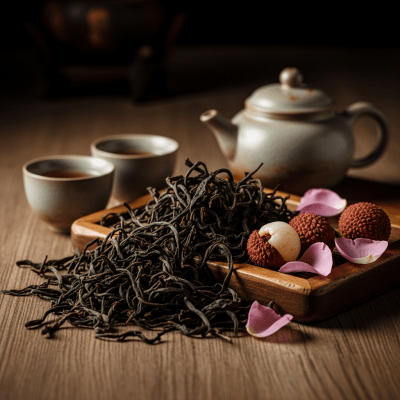
Keemun Tea is a distinguished Chinese black tea from Qimen County, Anhui Province, celebrated for its complex floral aroma, subtle fruity notes, and smooth, mellow taste.

Junshan Yinzhen

Junshan Yinzhen

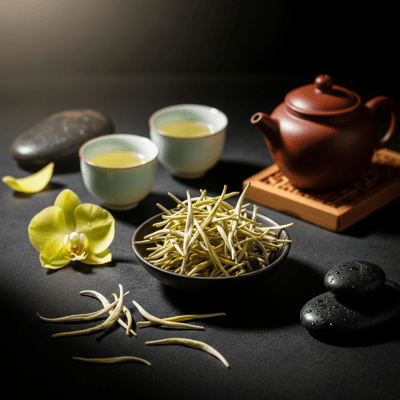
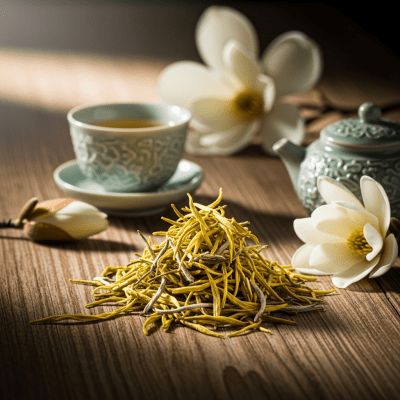
Junshan Yinzhen is a rare and highly esteemed yellow tea produced exclusively on Junshan Island in Hunan Province, China, renowned for its slender, needle-like buds and subtle, mellow flavor.

Matcha

Matcha

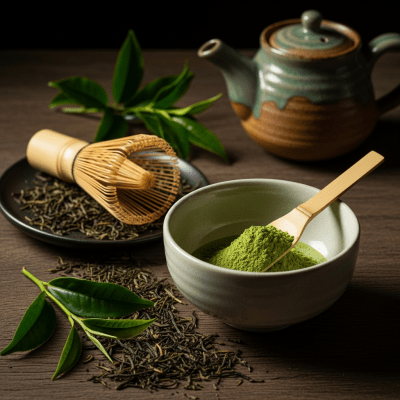
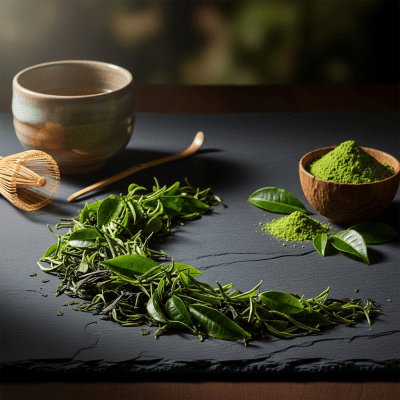
Matcha is a finely ground powdered green tea made from shade-grown leaves of Camellia sinensis, celebrated for its vibrant green color, rich umami flavor, and deep cultural roots in Japan.

Da Hong Pao

Da Hong Pao

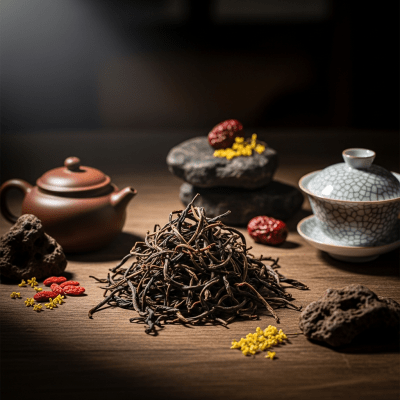
Da Hong Pao is a legendary Chinese oolong tea from the Wuyi Mountains, celebrated for its complex mineral-rich flavor and esteemed as one of the most prized Wuyi rock teas, known as Yancha.

Jin Jun Mei

Jin Jun Mei

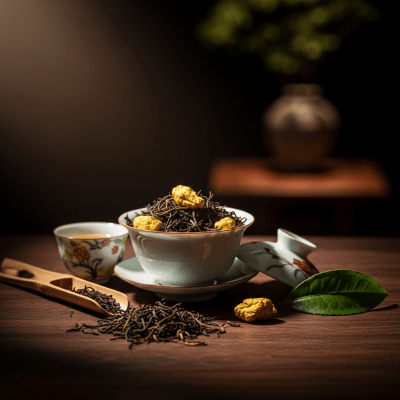
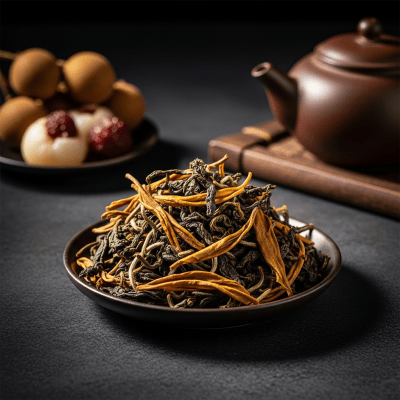
Jin Jun Mei is a premium Chinese black tea celebrated for its delicate sweetness and distinctive golden appearance, crafted exclusively from young tea buds harvested in the Wuyi Mountains of Fujian Province.

Gyokuro

Gyokuro

Gyokuro is a premium Japanese green tea renowned for its distinctive shade-grown cultivation, which imparts a rich umami flavor and pronounced natural sweetness, making it one of Japan’s highest-grade teas.

Kukicha

Kukicha

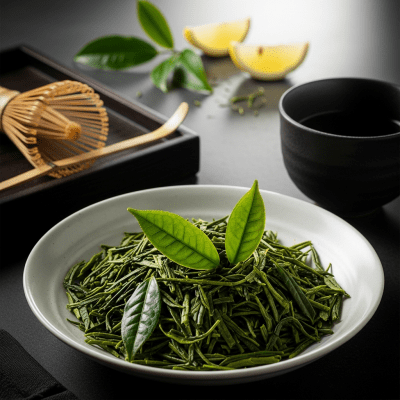
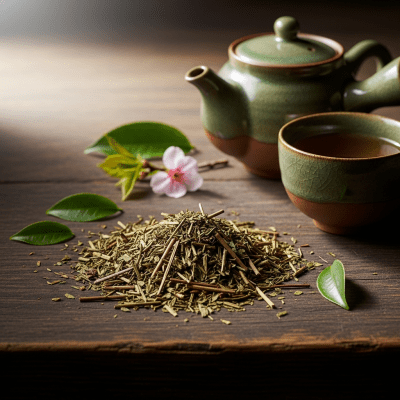
Kukicha is a distinctive Japanese green tea made primarily from the stems, stalks, and twigs of the Camellia sinensis plant, celebrated for its mild, slightly nutty, and creamy flavor with notably low caffeine content.
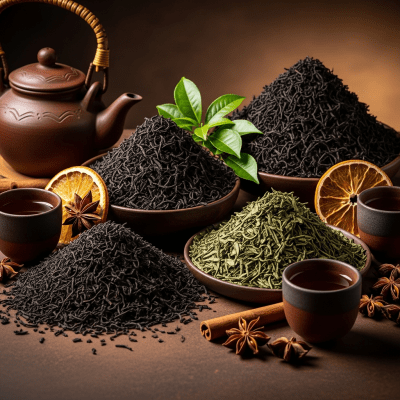
Buy Large Edition with 16 Kinds

Cultural Significance

Tea holds profound cultural importance worldwide, symbolizing hospitality, mindfulness, and tradition. From the formal Japanese tea ceremony to British afternoon tea, it inspires art, literature, and social customs. In many societies, tea is intertwined with mythology and spiritual practices, while modern culture celebrates it through specialty cafes, festivals, and global appreciation of its heritage.

Notable Facts

  • All true teas come from the Camellia sinensis plant, but processing creates vast diversity.
  • Oxidation level is the key factor distinguishing major tea types.
  • Pu-erh tea is unique for its aging and fermentation, developing complex flavors over time.
  • Regional names often reflect local terroir and cultivation history, such as Darjeeling or Sencha.
  • Tea classification standards are maintained by organizations like ISO and national tea boards.

Kinds of Teas

Explore the range of forms, textures, and traditions within this collection.

Sorted by popularity

Aesthetic hero shot of Huangshan Maofeng, of the taxonomy teas.

Huangshan Maofeng

Huangshan Maofeng is a celebrated Chinese green tea from the Huangshan region of Anhui Province, prized for its delicate floral aroma, tender leaf buds, and subtle sweetness, earning its place among China’s top ten famous teas.

Aesthetic hero shot of Nilgiri Tea, of the taxonomy teas.

Nilgiri Tea

Nilgiri Tea is a distinguished Indian black tea from the Nilgiri Hills, celebrated for its fragrant aroma, brisk flavor, and bright, golden liquor.

Aesthetic hero shot of Vietnamese Green Tea, of the taxonomy teas.

Vietnamese Green Tea

Vietnamese Green Tea is a broad category of green teas produced in Vietnam, celebrated for its distinctive vegetal flavor, fresh briskness, and aromatic qualities.

Aesthetic hero shot of Dong Ding, of the taxonomy teas.

Dong Ding

Dong Ding is a celebrated Taiwanese oolong tea known for its lightly roasted character, floral aroma, and creamy mouthfeel, prized for its balanced and artisanal flavor profile.

Aesthetic hero shot of Bai Mudan, of the taxonomy teas.

Bai Mudan

Bai Mudan, or White Peony, is a celebrated Chinese white tea known for its delicate floral aroma, mild sweetness, and a fuller body achieved by using both young buds and the first two leaves.

Aesthetic hero shot of Lapsang Souchong, of the taxonomy teas.

Lapsang Souchong

Lapsang Souchong is a distinctive black tea from China's Wuyi Mountains, celebrated worldwide for its bold smoky aroma and flavor derived from pinewood smoke during processing.

Aesthetic hero shot of Pu-erh Tea, of the taxonomy teas.

Pu-erh Tea

Pu-erh tea is a unique category of post-fermented tea from Yunnan Province, China, celebrated for its complex aging process and distinctive earthy flavors.

Aesthetic hero shot of Gunpowder Tea, of the taxonomy teas.

Gunpowder Tea

Gunpowder tea is a distinctive Chinese green tea known for its tightly rolled leaves that resemble small pellets or grains of gunpowder, prized for its robust flavor and exceptional durability during storage and transport.

Aesthetic hero shot of Sencha, of the taxonomy teas.

Sencha

Sencha is the most widely consumed and produced variety of Japanese green tea, known for its steamed processing method and fresh, grassy flavor profile that defines daily tea culture in Japan.

Aesthetic hero shot of Keemun Tea, of the taxonomy teas.

Keemun Tea

Keemun Tea is a distinguished Chinese black tea from Qimen County, Anhui Province, celebrated for its complex floral aroma, subtle fruity notes, and smooth, mellow taste.

Aesthetic hero shot of Junshan Yinzhen, of the taxonomy teas.

Junshan Yinzhen

Junshan Yinzhen is a rare and highly esteemed yellow tea produced exclusively on Junshan Island in Hunan Province, China, renowned for its slender, needle-like buds and subtle, mellow flavor.

Aesthetic hero shot of Matcha, of the taxonomy teas.

Matcha

Matcha is a finely ground powdered green tea made from shade-grown leaves of Camellia sinensis, celebrated for its vibrant green color, rich umami flavor, and deep cultural roots in Japan.

Aesthetic hero shot of Da Hong Pao, of the taxonomy teas.

Da Hong Pao

Da Hong Pao is a legendary Chinese oolong tea from the Wuyi Mountains, celebrated for its complex mineral-rich flavor and esteemed as one of the most prized Wuyi rock teas, known as Yancha.

Aesthetic hero shot of Jin Jun Mei, of the taxonomy teas.

Jin Jun Mei

Jin Jun Mei is a premium Chinese black tea celebrated for its delicate sweetness and distinctive golden appearance, crafted exclusively from young tea buds harvested in the Wuyi Mountains of Fujian Province.

Aesthetic hero shot of Gyokuro, of the taxonomy teas.

Gyokuro

Gyokuro is a premium Japanese green tea renowned for its distinctive shade-grown cultivation, which imparts a rich umami flavor and pronounced natural sweetness, making it one of Japan’s highest-grade teas.

Aesthetic hero shot of Kukicha, of the taxonomy teas.

Kukicha

Kukicha is a distinctive Japanese green tea made primarily from the stems, stalks, and twigs of the Camellia sinensis plant, celebrated for its mild, slightly nutty, and creamy flavor with notably low caffeine content.

Aesthetic hero shot of Benifuuki, of the taxonomy teas.
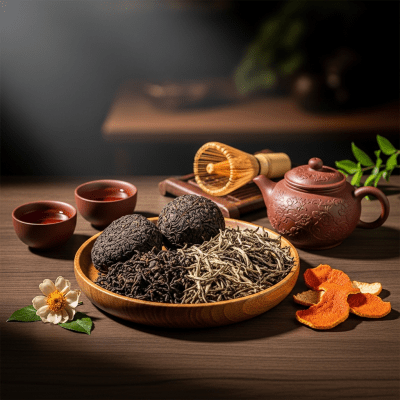
Benifuuki

Benifuuki is a Japanese tea cultivar derived from Camellia sinensis, primarily processed as green tea and prized for its high content of methylated catechins, especially EGCG3"Me, which contribute to its brisk, slightly astringent flavor with grassy and floral notes.

Aesthetic hero shot of Genmaicha, of the taxonomy teas.

Genmaicha

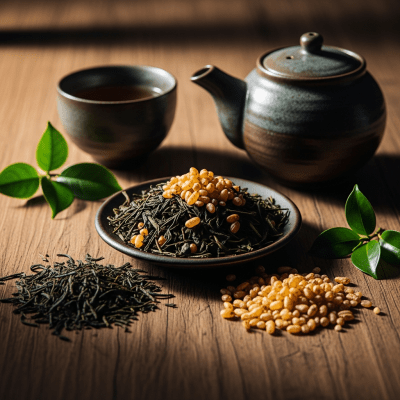
Genmaicha is a Japanese green tea blend combining steamed tea leaves with roasted or puffed brown rice, celebrated for its mild, savory, and nutty flavor.

Aesthetic hero shot of Sri Lankan Green Tea, of the taxonomy teas.

Sri Lankan Green Tea

Sri Lankan Green Tea is a green tea crafted from Camellia sinensis leaves grown in Sri Lanka, celebrated for its brisk character, lighter body, and fresh, grassy flavor profile.

Aesthetic hero shot of Ceylon Tea, of the taxonomy teas.

Ceylon Tea

Ceylon Tea is a distinguished black tea from Sri Lanka, celebrated worldwide for its brisk, lively character and distinctive citrusy notes.

Aesthetic hero shot of Anji Bai Cha, of the taxonomy teas.

Anji Bai Cha

Anji Bai Cha is a rare Chinese green tea celebrated for its pale, almost white-green leaves and its delicate, mellow flavor.

Aesthetic hero shot of Yunnan Green Tea, of the taxonomy teas.

Yunnan Green Tea

Yunnan Green Tea is a distinctive category of green teas from Yunnan Province, China, celebrated for its vibrant green liquor, brisk flavor, and fresh floral and chestnut-like aromas.

Aesthetic hero shot of Green Tea, of the taxonomy teas.

Green Tea

Green tea is a category of tea made from the leaves of Camellia sinensis that undergo little to no oxidation during processing, resulting in a fresh, light-colored brew prized for its vegetal and delicate flavor.

Aesthetic hero shot of Black Tea, of the taxonomy teas.

Black Tea

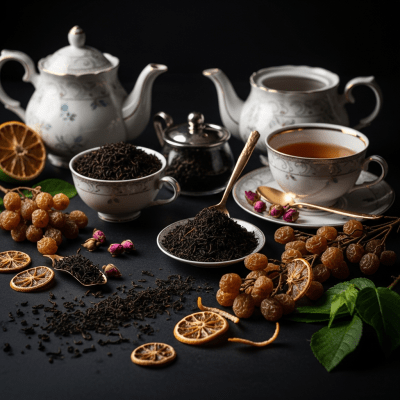
Black tea is a fully oxidized tea made from the leaves of Camellia sinensis, known for its dark color, robust flavor, and higher caffeine content, making it one of the most widely consumed tea types worldwide.

Aesthetic hero shot of Assam Tea, of the taxonomy teas.

Assam Tea

Assam Tea is a distinguished black tea variety grown from the indigenous Camellia sinensis var. assamica in India's Assam region, celebrated for its bold, malty flavor and rich amber liquor.

Aesthetic hero shot of Oriental Beauty, of the taxonomy teas.

Oriental Beauty

Oriental Beauty is a distinctive Taiwanese oolong tea celebrated for its heavy oxidation and signature honeyed aroma, achieved through a unique insect-influenced processing method.

Aesthetic hero shot of Darjeeling Tea, of the taxonomy teas.

Darjeeling Tea

Darjeeling Tea is a distinguished black tea grown exclusively in the Darjeeling district of West Bengal, India, celebrated worldwide for its unique muscatel aroma and nuanced flavor that varies with seasonal harvests.

Aesthetic hero shot of Yunnan Black Tea, of the taxonomy teas.

Yunnan Black Tea

Yunnan Black Tea, also known as Dianhong, is a prized black tea from China's Yunnan Province, celebrated for its golden buds and rich, malty sweetness.

Aesthetic hero shot of Yellow Tea, of the taxonomy teas.

Yellow Tea

Yellow tea is a rare and distinctive type of tea from Camellia sinensis, celebrated for its unique "sealed yellowing" process that creates a mellow, smooth flavor and a characteristic yellow-gold infusion.

Aesthetic hero shot of Oolong Tea, of the taxonomy teas.

Oolong Tea

Oolong tea is a distinctive category of tea made from the leaves of Camellia sinensis, characterized by partial oxidation that bridges the gap between green and black teas in both flavor and appearance.

Aesthetic hero shot of Longjing, of the taxonomy teas.

Longjing

Longjing, also known as Dragon Well, is a celebrated Chinese green tea from Hangzhou, Zhejiang province, renowned for its flat, spear-shaped leaves and delicate, sweet flavor profile.

Aesthetic hero shot of Tieguanyin, of the taxonomy teas.

Tieguanyin

Tieguanyin is a celebrated Chinese oolong tea known for its complex floral aroma, creamy mouthfeel, and lingering sweetness, originating from Anxi County in Fujian Province.

Aesthetic hero shot of Lu'an Guapian, of the taxonomy teas.

Lu'an Guapian

Lu'an Guapian is a distinguished Chinese green tea from Anhui Province, celebrated for its unique use of mature leaves only, which are shaped into flat, oval "melon seed" forms and brewed to yield a mellow, sweet, and refreshing infusion with a clear emerald-green liquor.

Aesthetic hero shot of White Tea, of the taxonomy teas.

White Tea

White tea is a minimally processed variety made from the young leaves and buds of Camellia sinensis, prized for its delicate flavor, pale infusion, and subtle aroma.

Aesthetic hero shot of Nepal Tea, of the taxonomy teas.

Nepal Tea

Nepal Tea refers to black and green teas cultivated from Camellia sinensis in Nepal's high-altitude regions, prized for their nuanced flavors and growing distinction from neighboring Darjeeling teas.

Aesthetic hero shot of Silver Needle, of the taxonomy teas.

Silver Needle

Silver Needle is a distinguished Chinese white tea made exclusively from young, unopened leaf buds, prized for its delicate flavor and silvery, needle-like appearance.

Aesthetic hero shot of Shou Pu-erh, of the taxonomy teas.

Shou Pu-erh

Shou Pu-erh is a post-fermented Chinese dark tea made from Camellia sinensis leaves using an accelerated microbial fermentation process, known for its dark, earthy liquor and smooth, mellow flavor.

Aesthetic hero shot of Sheng Pu-erh, of the taxonomy teas.

Sheng Pu-erh

Sheng Pu-erh, or raw pu-erh, is a traditional Chinese tea famed for its natural aging process that deepens its flavor complexity over time, making it highly prized among tea enthusiasts and collectors.

A collection is complete only when its kinds are seen in full.

Explore Related Collections

Other taxonomies from this domain of knowledge.

Continue exploring related kinds and collections below.